

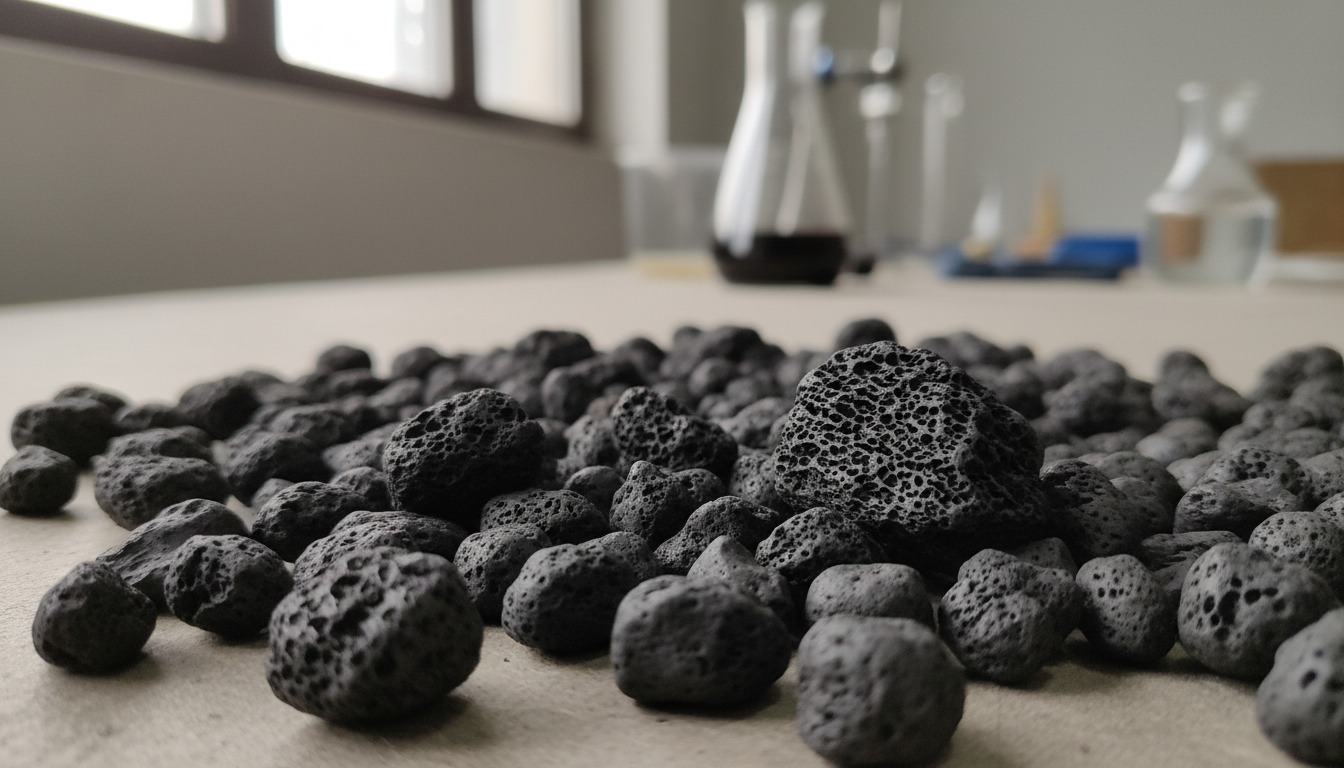
Coconut shell activated carbon has become a go-to material across industries worldwide. Made from renewable coconut shells, this porous carbon offers superior hardness, high adsorption capacity, and a sustainable profile that makes it stand out from coal or wood-based alternatives. With over 80% microporous structure, it captures everything from organic contaminants to volatile gases with remarkable efficiency. As we move through 2026, the applications continue to expand, driven by stricter environmental regulations and growing demand for clean water and air. Below, we’ll walk through 10 key industrial uses where coconut shell activated carbon is making a real difference.
Municipal Water Treatment
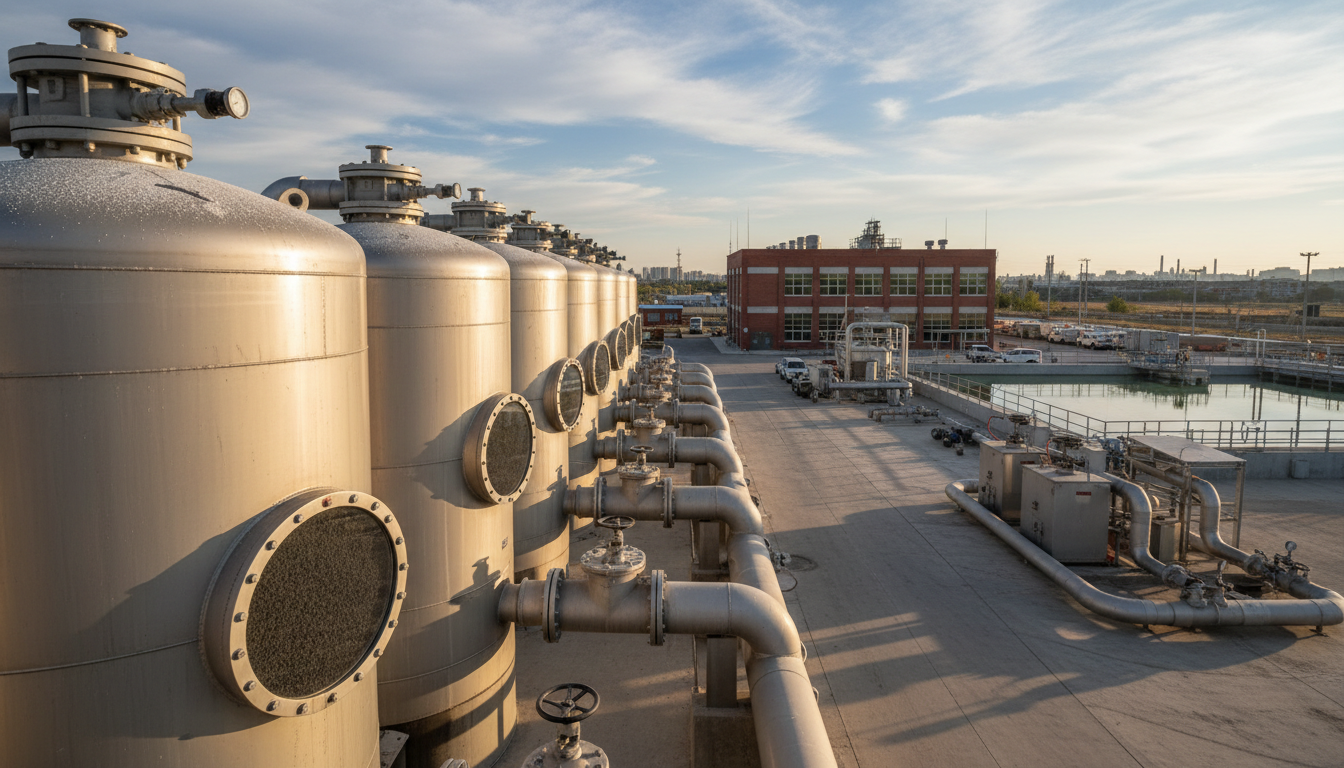
Clean drinking water starts with effective filtration. We rely on coconut shell activated carbon to remove chlorine, chloramines, and organic compounds that affect taste and odor. The micropore-dominated structure traps heavy metals like lead and mercury while eliminating pesticides and herbicides from source water.
Municipal treatment plants across the US now use granular and powdered forms in various stages of the purification process. The carbon’s durability means longer service life between replacements, reducing both operational costs and downtime. And because it’s made from agricultural waste, it supports sustainability goals without compromising performance.
Gold Recovery Operations
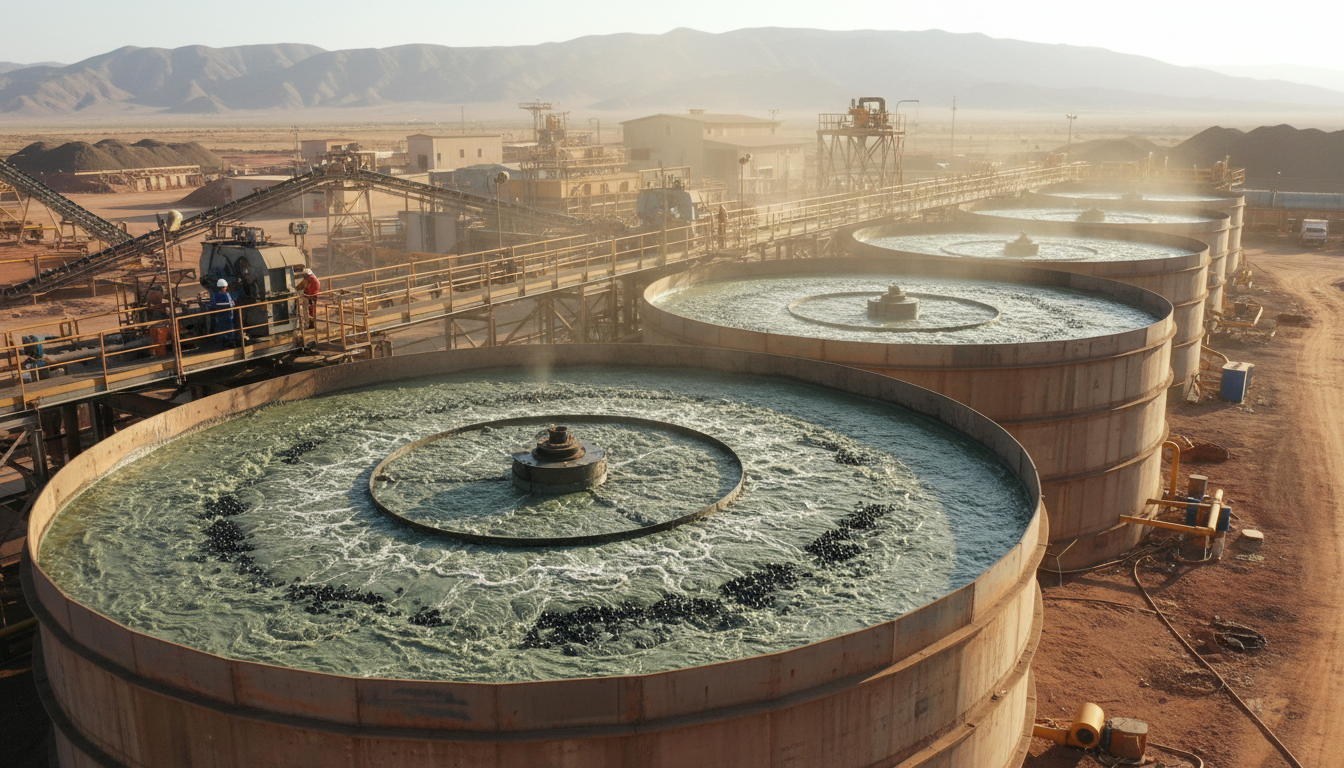
The mining industry depends on activated carbon to extract gold from cyanide leach solutions. In Carbon-in-Pulp (CIP), Carbon-in-Leach (CIL), and Carbon-in-Column (CIC) operations, coconut shell carbon adsorbs gold-cyanide complexes from ore slurries with high efficiency.
What makes coconut-based carbon special here? Its exceptional hardness and attrition resistance. During the repeated washing and regeneration cycles common in mining, softer carbons break down into fines, leading to gold losses. Coconut shell carbon withstands this abuse, maintaining its structure through 100+ regeneration cycles. Higher gold loading capacity and faster adsorption rates translate directly to better financial returns for mining operations.
Air Purification Systems
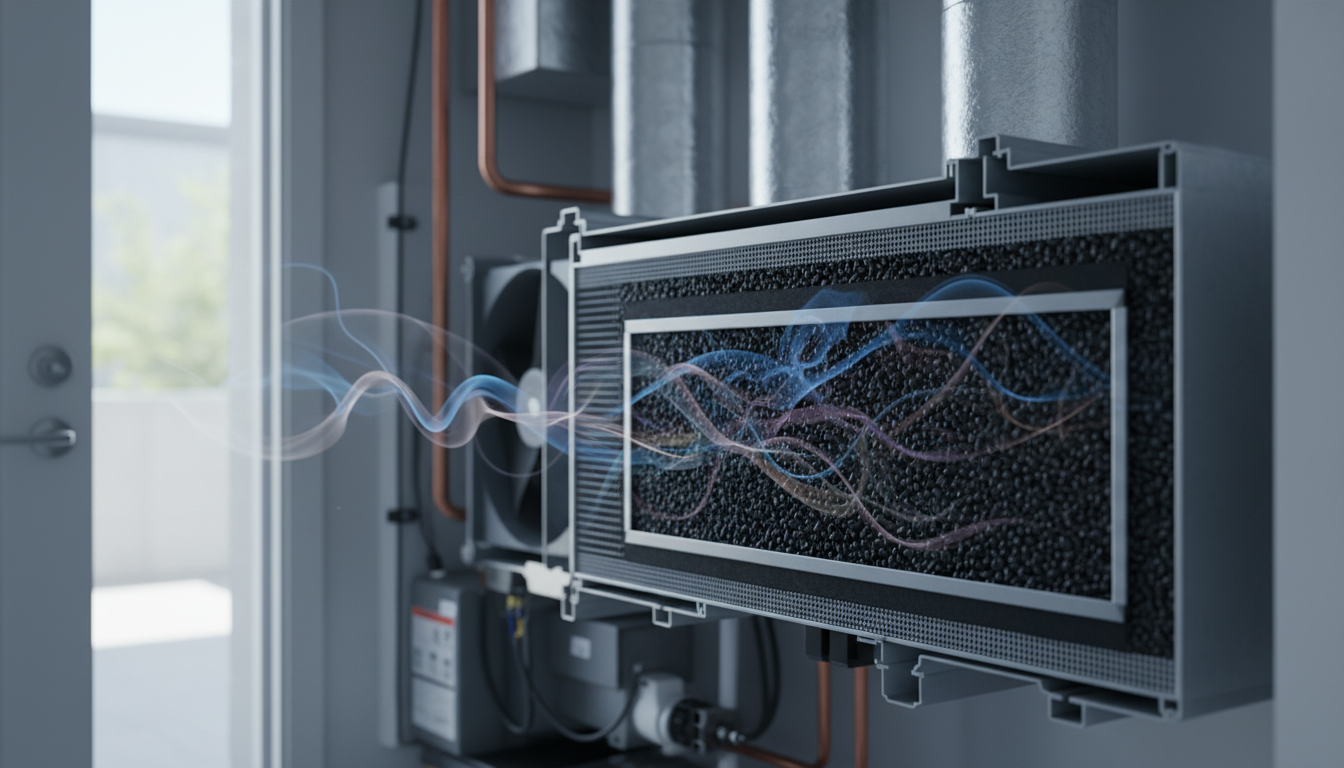
From industrial facilities to residential HVAC systems, coconut shell activated carbon tackles airborne contaminants that conventional filters miss. The microporous structure effectively captures volatile organic compounds (VOCs) released by paints, cleaning products, furniture, and building materials.
In manufacturing plants and refineries, vapor-phase carbon removes hazardous gases, chemical fumes, and industrial odors before they reach the atmosphere. Studies show coconut shell carbon outperforms coal-based alternatives in VOC removal efficiency, particularly for small molecules like formaldehyde, benzene, and toluene. The renewable source material and lower production energy requirements make it an eco-friendlier choice for air quality management.
Pharmaceutical Manufacturing
Purity matters in drug production. We use coconut shell activated carbon to remove color compounds, organic contaminants, and unwanted odors from pharmaceutical raw materials and final products. The low ash content—typically under 3%—minimizes contamination risks in sensitive applications.
The carbon serves multiple roles: decolorizing syrups and solutions, purifying active pharmaceutical ingredients, and removing trace impurities that could affect drug stability. Its high chemical purity and controlled pore structure make it suitable for both liquid and vapor-phase purification in cleanroom environments.
Food and Beverage Processing
You’ll find coconut shell activated carbon working behind the scenes in countless food products. It decolorizes sugar syrups, removes off-flavors from cooking oils, and purifies ingredients like citric acid and amino acids. In beverage production, it clarifies juices, wines, and spirits without affecting desired flavor compounds.
The FDA-approved carbon meets strict food safety standards. Its natural origin and minimal ash content mean no unwanted residues in finished products. And because it can be regenerated and reused multiple times, it offers both cost savings and waste reduction for food processors.
Industrial Wastewater Treatment
Manufacturing facilities face increasingly strict discharge limits for organic pollutants. Coconut shell activated carbon removes dyes, phenols, and other organic contaminants from industrial wastewater streams. It’s particularly effective as a polishing stage after biological treatment or as a primary adsorption medium for difficult-to-treat compounds.
The material handles high-strength wastewater from textile mills, chemical plants, and pulp and paper operations. Fixed-bed systems and mobile treatment units both benefit from the carbon’s predictable breakthrough behavior and long service life. Facilities using it can meet compliance requirements while reducing treatment complexity.
PFAS Removal
Per- and polyfluoroalkyl substances (PFAS)—those “forever chemicals”—have become a major water quality concern. Coconut shell activated carbon has emerged as a highly effective material for PFAS adsorption because its micropore structure matches the size of these persistent compounds.
Water authorities and industrial facilities now rely on coconut shell carbon to meet tightening regulatory thresholds. The consistent pore structure supports predictable breakthrough behavior, allowing operators to manage carbon change-outs efficiently. As PFAS contamination has been identified in drinking water, groundwater, and industrial wastewater across the country, demand for specialized carbon solutions continues growing.
Natural Gas Purification
The oil and gas industry uses coconut shell activated carbon to remove impurities from natural gas streams. It captures hydrogen sulfide, mercaptans, and other sulfur compounds that would otherwise corrode equipment and contaminate end products. Biogas upgrading operations also depend on it to clean methane for injection into natural gas pipelines.
The carbon’s high mechanical strength matters in high-pressure gas processing environments. It maintains its structure and adsorption capacity under demanding conditions where softer carbons would fail. This reliability reduces maintenance frequency and improves process economics.
Solvent Recovery
Chemical manufacturers, coating operations, and printing facilities recover valuable solvents using coconut shell activated carbon. The material adsorbs organic solvents from process exhaust streams, then releases them during regeneration for reuse. This closed-loop approach cuts both raw material costs and environmental emissions.
Dichloromethane (DCM), acetone, ethyl acetate, and other common industrial solvents are effectively captured and recovered. The carbon’s ability to withstand thermal regeneration cycles makes it economically viable for continuous solvent recovery operations. Companies see payback periods of just months from solvent savings alone.
Catalyst Support
Coconut shell activated carbon serves as an ideal catalyst carrier in chemical synthesis and processing applications. Its high surface area, chemical stability, and controlled pore structure provide an effective support matrix for precious metal catalysts like platinum, palladium, and rhodium.
The uniform pore distribution ensures good catalyst dispersion and accessibility to reactants. Chemical resistance allows it to function in harsh reaction environments without degrading. Industries from petrochemical refining to fine chemical synthesis use carbon-supported catalysts to improve reaction rates and selectivity.
Conclusion
Coconut shell activated carbon has proven itself across diverse industrial applications in 2026. From drinking water treatment to precious metal recovery, its unique combination of high microporosity, mechanical strength, and renewable origin delivers both performance and sustainability. The material’s versatility continues driving adoption as industries face stricter environmental standards and seek cost-effective purification solutions. Whether you’re treating contaminated water, recovering valuable materials, or purifying process streams, coconut shell activated carbon offers a reliable, eco-friendly option that keeps pace with modern industrial demands.
FAQs
What makes coconut shell activated carbon better than coal-based carbon? Coconut shell carbon has higher microporosity (over 80% micropores), superior hardness, and lower ash content compared to coal-based alternatives. It’s also made from renewable agricultural waste rather than fossil fuels, giving it a smaller environmental footprint. These properties make it particularly effective for removing small organic molecules and withstanding harsh processing conditions.
How long does coconut shell activated carbon last in industrial applications? Service life varies by application. In water treatment, it typically lasts 6-12 months before replacement. For gold recovery operations, it can be regenerated over 100 times with minimal performance loss. Solvent recovery systems often see 2-3 years of use with periodic thermal regeneration. Actual lifespan depends on contaminant loading, flow rates, and maintenance practices.
Can coconut shell activated carbon remove PFAS from drinking water? Yes, the microporous structure of coconut shell carbon is well-suited for capturing PFAS compounds. Its pore size distribution matches the small molecular dimensions of these persistent contaminants, allowing effective adsorption at the low concentrations found in drinking water. Many water utilities have adopted it as part of their PFAS treatment strategy to meet new regulatory limits.
Is coconut shell activated carbon food-safe? Absolutely. Food-grade coconut shell activated carbon meets FDA standards for direct food contact. Its natural origin, low ash content, and minimal impurities make it suitable for decolorizing, deodorizing, and purifying food and beverage products. It’s widely used in sugar refining, edible oil processing, and beverage production without affecting product quality.
How is coconut shell activated carbon regenerated? Thermal regeneration is the most common method. The saturated carbon is heated to 800-900°C in a controlled atmosphere, which burns off adsorbed contaminants and reopens the pore structure. Chemical regeneration using acids or bases works for some applications. Steam reactivation is also used, particularly in gold recovery operations. The regeneration method depends on the specific contaminants and application requirements.