

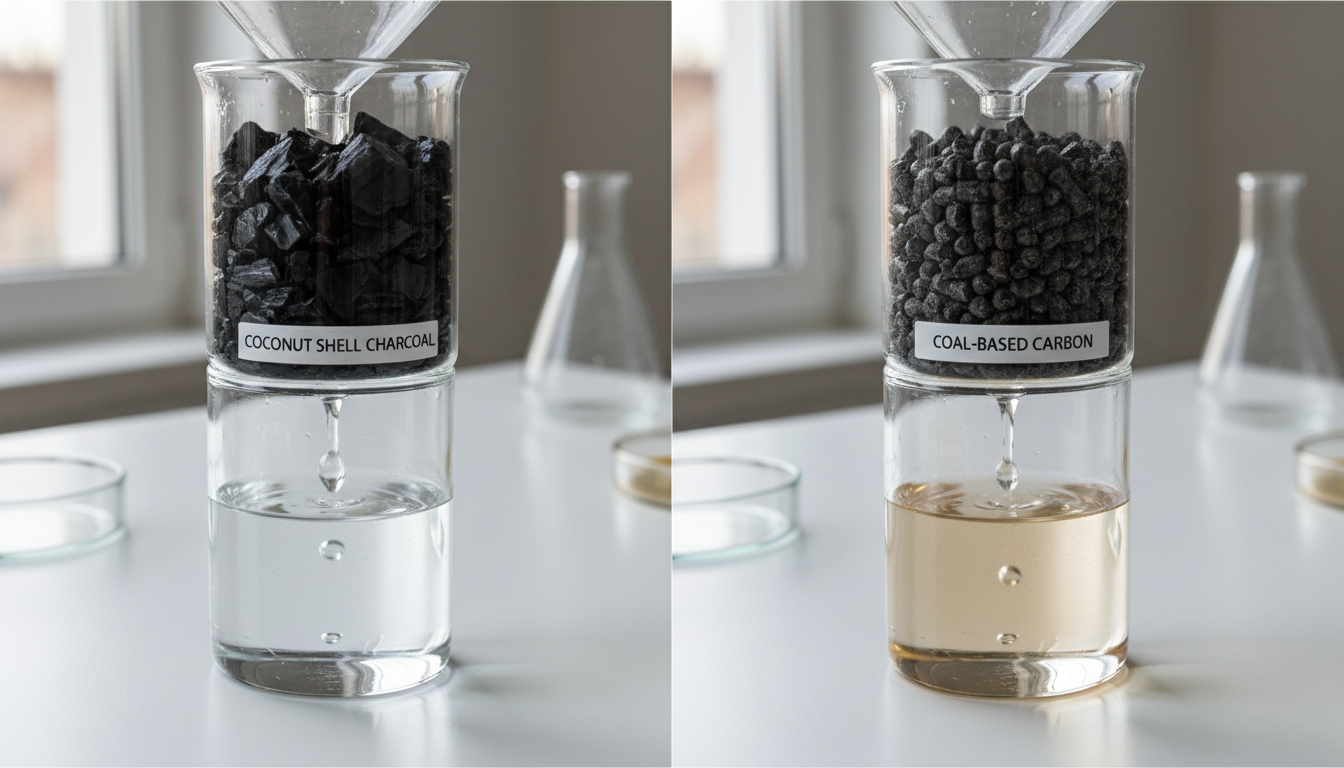
Water filtration technology has come a long way, but misconceptions still cloud people’s understanding of what different systems can actually do. Coconut shell charcoal filtration has gained popularity as an eco-friendly option, but several myths continue to spread about its capabilities and limitations. We’re here to set the record straight with facts backed by research and real-world performance data.
Myth 1: All Activated Carbon Works the Same Way
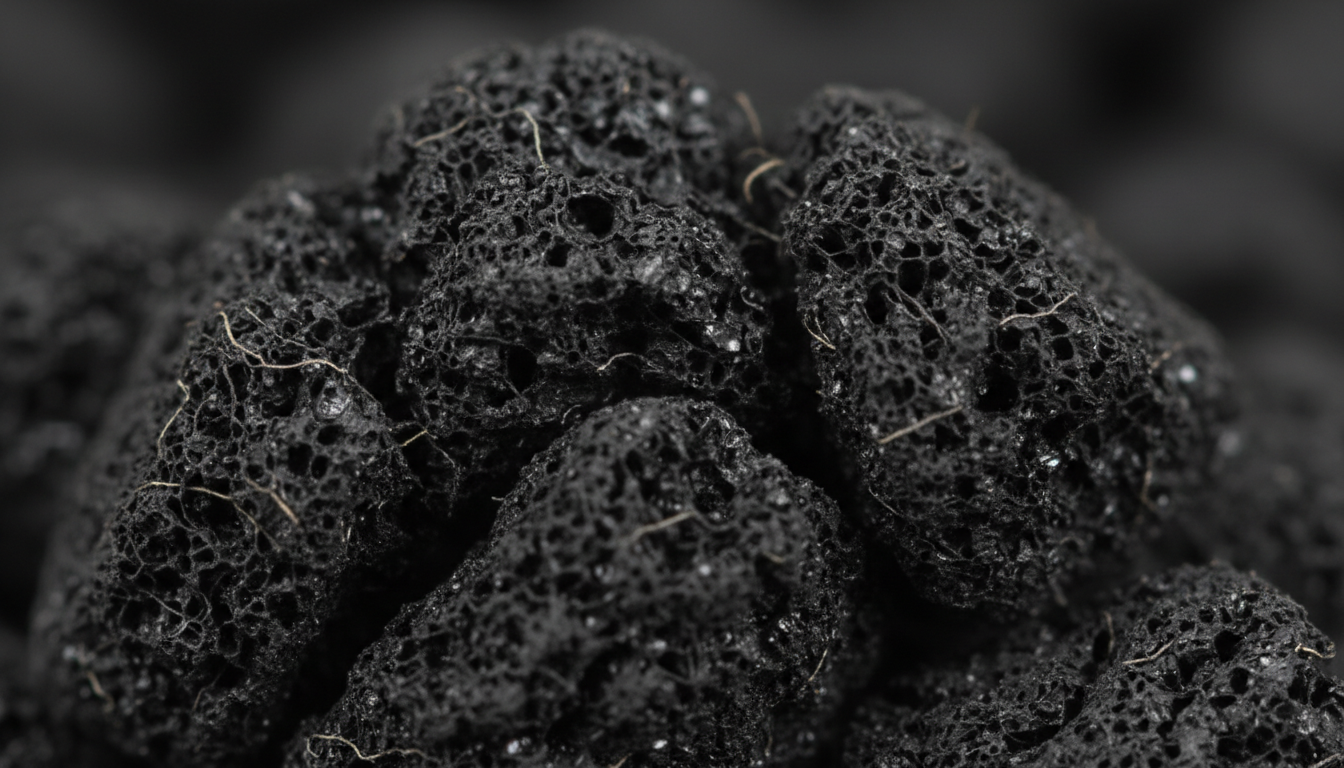
Many people assume that activated carbon is activated carbon—no matter where it comes from. But this couldn’t be further from the truth. Not all activated carbon is created equal, with performance depending on carbon source, particle size, and system design.
The density of micro-pores is much higher in coconut than in other forms of activated carbon, containing 50 percent more micro-pores than bituminous coal. This pore structure makes a massive difference in what the carbon can actually filter out. Our coconut shell activated carbon products are specifically designed to take advantage of this superior pore distribution.
Think of it this way: coal-based carbon has larger pores that work well for bigger molecules, while coconut shell carbon’s tiny pores excel at trapping small contaminants like volatile organic compounds (VOCs). The source material directly impacts performance, so choosing the right type matters more than most people realize.
Myth 2: Coconut Shell Carbon Removes Every Contaminant
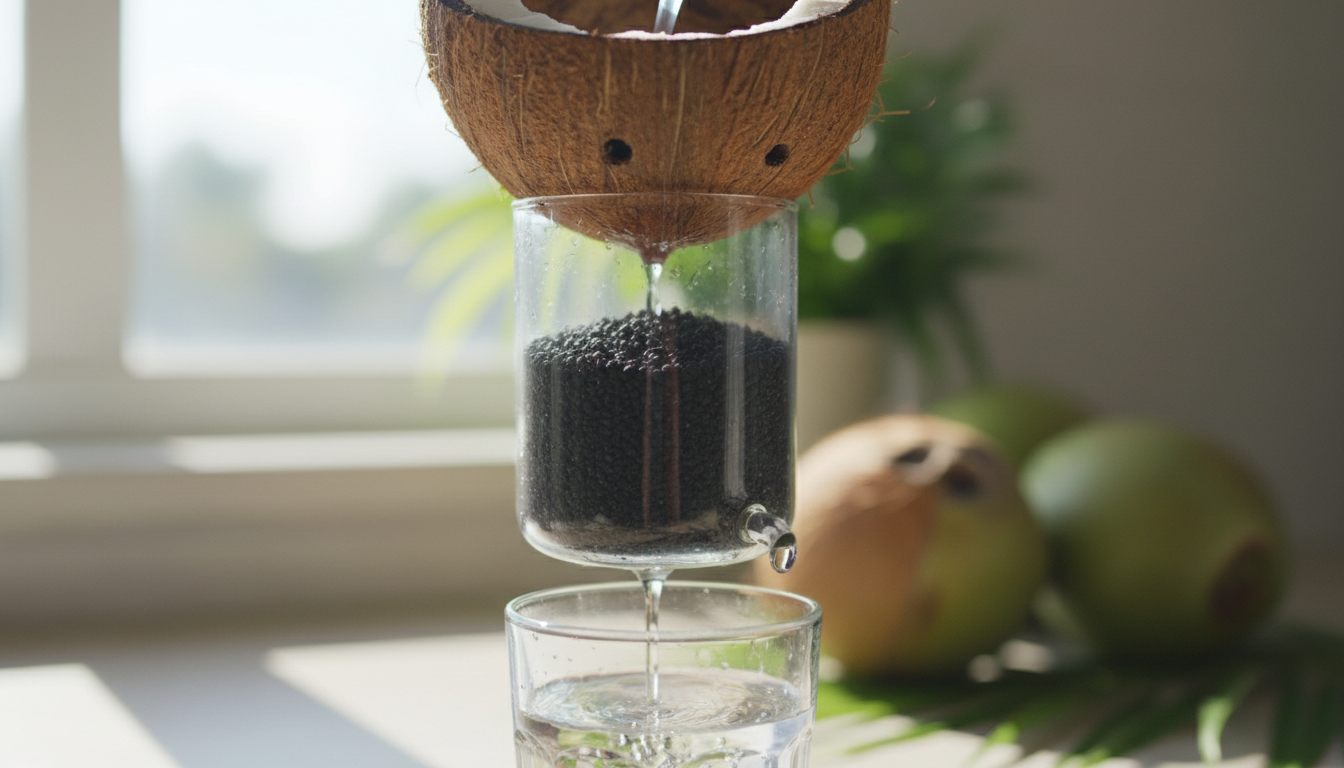
This is probably the most dangerous myth out there. While coconut shell activated carbon excels at removing many contaminants, it’s not a magic solution for everything in your water. They excel at removing chlorine, VOCs, and organic compounds, but cannot remove dissolved salts, nitrates, or most heavy metals without additional treatment methods like reverse osmosis or ion exchange.
Activated carbon filtration will not remove microbes, sodium, nitrates, fluoride, and hardness. We often see customers surprised when their coconut shell granular activated carbon filters don’t soften their hard water or remove fluoride. That’s because these contaminants require different treatment approaches.
The good news? For what it does handle—chlorine, bad tastes, odors, pesticides, herbicides, and many organic chemicals—coconut shell carbon performs better than most alternatives. But pairing it with other filtration methods often gives you the most thorough protection.
Myth 3: Coconut Shell Carbon Wears Out Quickly
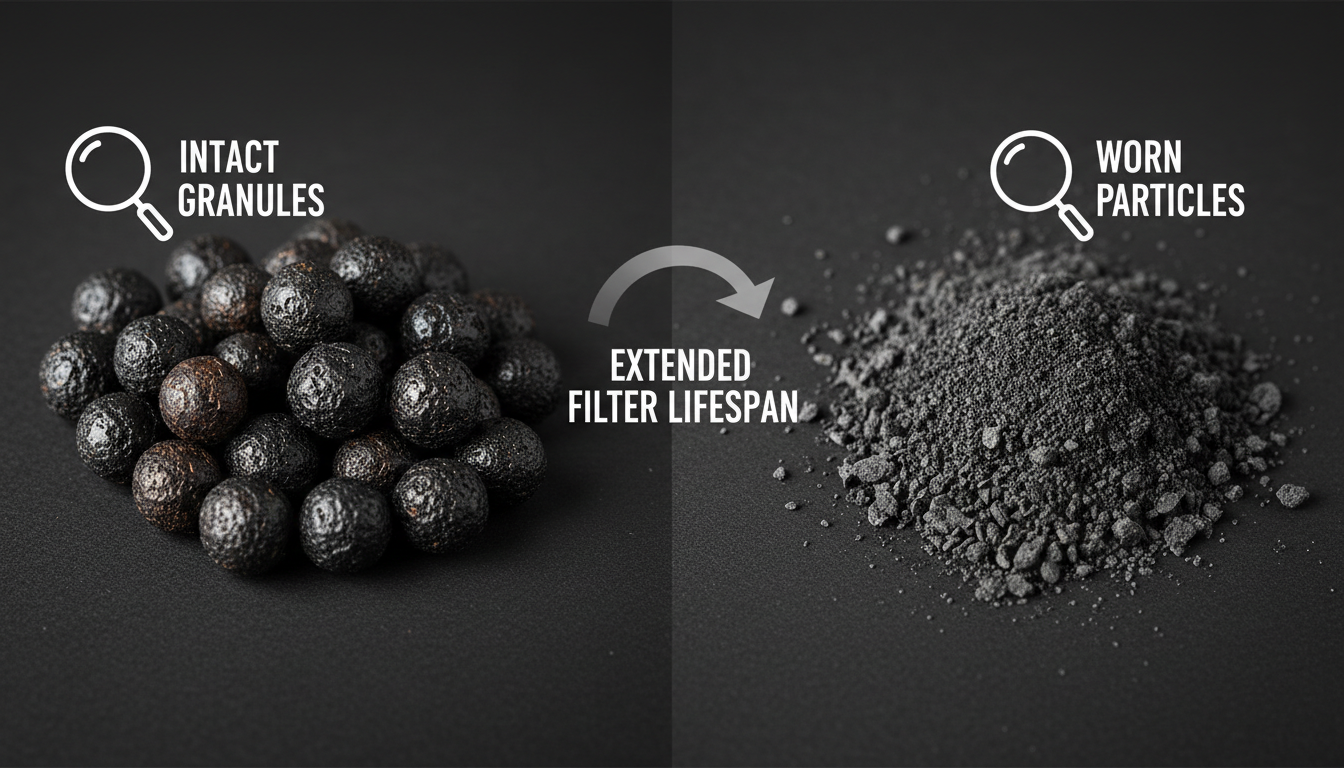
Some people think coconut shell carbon filters need constant replacement because they’re “natural” or “organic.” Actually, the opposite is true. The high micro-porosity gives it greater mechanical strength, making it harder and highly resistant to wear and tear, which is why they are considered a cost-effective option that can last long without wearing easily.
In practical terms, a coconut-shell activated carbon block filter will work immediately and last six to 12 months, depending on your water quality and usage. Compare that to coal-based options, and you’ll find coconut shell carbon often outlasts them for small molecule removal because of its higher adsorption capacity.
Our guide on using coconut shell carbon for water purification provides more details on getting the most life out of your filtration system. The key is matching your filter to your actual contaminant levels and replacing it based on performance testing, not just arbitrary timelines.
Myth 4: Coal-Based Carbon Performs Better Overall
There’s a persistent belief that coal-based carbon must be superior because it’s been around longer and sounds more “industrial.” But for water filtration applications, coconut shell carbon often outperforms coal-based alternatives. At all benzene concentrations in water, the benzene saturation capacities of the coconut shell-based AC were higher, with almost twice the saturation capacity—11 mg of benzene per gram of coconut shell carbon versus six for coal based.
The cost efficiency tells the story too. For every 1,000 gallons of water treated, 0.0076 pounds of coconut shell AC would be exhausted versus 0.014 pounds of bituminous coal AC. That means you get more filtration per pound with coconut shell carbon.
Beyond performance, there’s the environmental angle. Coconut shells are a renewable resource and byproduct of the coconut industry, while coal-based activated carbon is derived from fossil fuels with higher carbon emissions and environmental disturbances. If you want effective filtration without the environmental guilt, coconut shell is the clear winner.
Why These Myths Matter
Misunderstanding what your water filtration system can and can’t do creates false confidence. You might think you’re protected from contaminants that are still flowing through your tap. Or you might avoid coconut shell carbon thinking it’s inferior when it could actually solve your specific water quality issues better than alternatives.
One advantage of activated carbon water treatment is that it retains minerals such as calcium, magnesium, and potassium, making it a good choice for applications where taste and mineral content matter. This is something many people don’t realize—your water stays healthy while getting cleaner.
We offer multiple options including coal based activated carbon and wood powder activated carbon because different applications call for different solutions. Understanding the real capabilities of each type helps you make smarter choices.
Making Smart Filtration Decisions
Now that you know the truth behind these common myths, you can make informed decisions about water treatment. Test your water first to identify specific contaminants. Then match your filtration method to your actual needs rather than marketing hype or misconceptions.
Coconut shell charcoal filtration shines for removing organic compounds, chlorine, tastes, and odors. It’s renewable, cost-effective over time, and performs exceptionally well for its intended applications. But it’s not a cure-all, and that’s okay. Knowing its real strengths and limitations puts you in control of your water quality.
Conclusion
Coconut shell charcoal filtration is a powerful, eco-friendly water treatment option when used correctly. But it’s not immune to myths and misconceptions. We’ve debunked four of the biggest: that all activated carbon is the same, that coconut shell carbon removes everything, that it wears out quickly, and that coal-based carbon is always better. The reality is more nuanced—coconut shell carbon excels at specific applications, particularly removing small organic molecules, and does so with superior efficiency and sustainability compared to many alternatives. By understanding what it can and can’t do, you’ll get better results from your filtration system and avoid disappointment from unrealistic expectations.
FAQs
Q: Can coconut shell activated carbon remove bacteria and viruses from water?
No, activated carbon filters are not designed to remove microorganisms like bacteria, viruses, or protozoa. They work through adsorption of chemical contaminants, not mechanical filtration of pathogens. If you need microbial protection, you’ll want to combine carbon filtration with UV treatment, reverse osmosis, or other disinfection methods. Always use carbon filters on already-treated municipal water or pair them with proper disinfection systems.
Q: How do I know when my coconut shell carbon filter needs replacement?
Watch for signs like chlorine taste or smell returning to your water, or reduced flow rate through the filter. Most residential systems last 6-12 months depending on usage and water quality. Some advanced systems include indicators that track gallons filtered. If you’re treating water with high contaminant levels, test your filtered water periodically to confirm the carbon is still performing. Don’t wait for obvious problems—replace filters proactively.
Q: Is coconut shell activated carbon safe for drinking water?
Yes, coconut shell activated carbon is completely safe for drinking water applications. It’s made from natural coconut shells that are carbonized and activated without toxic chemicals remaining in the final product. Food-grade and NSF-certified coconut shell carbon is widely used in municipal water treatment and home filtration systems. Unlike some coal-based carbons that may have higher ash content or impurities, quality coconut shell carbon is very pure.
Q: Does coconut shell carbon soften hard water or remove fluoride?
No, coconut shell activated carbon does not soften hard water (remove calcium and magnesium) or effectively remove fluoride. Hard water requires ion exchange water softeners. Fluoride removal needs specialized media like activated alumina, reverse osmosis, or bone char filters. Standard coconut shell carbon excels at chlorine, VOCs, pesticides, and organic compounds—but not dissolved minerals or fluoride. Many people are surprised by this limitation, so test your water and choose the right treatment.
Q: Why is coconut shell carbon more expensive than coal-based carbon initially?
Coconut shell carbon often costs more upfront because of its superior micropore structure and the processing required to create it. However, it typically offers better value long-term because it has higher adsorption capacity for small molecules, meaning it lasts longer and treats more water per pound. When you calculate cost per gallon filtered rather than just purchase price, coconut shell carbon often comes out ahead for VOC and chlorine removal applications.