

Buying coconut shell activated carbon sounds straightforward until you realize there’s more to it than picking the first option that shows up. We’ve seen plenty of buyers get burned by selecting the wrong product for their application or paying too much for something that doesn’t perform as expected.
The truth? A few simple mistakes can cost you thousands in wasted material, poor performance, and downtime. Whether you’re treating drinking water, recovering gold, or purifying industrial wastewater, understanding what to look for—and what to avoid—can make all the difference between a successful project and a frustrating one.
Let’s walk through the five most common mistakes buyers make when purchasing coconut shell activated carbon and how you can steer clear of them.
Ignoring Iodine Number and Adsorption Capacity
Iodine number is the most fundamental parameter used to characterize activated carbon performance and is a measure of activity level (higher number indicates higher degree of activation). But here’s the thing: a lot of buyers either ignore this spec completely or assume that any carbon labeled “activated” will do the job.
The iodine value of activated carbon for liquid phase adsorption is at least 800 mg/g, while for more demanding applications the iodine value may reach 1700 mg/g. If you’re buying carbon with an iodine number below 900 mg/g for water treatment, you’re likely getting subpar material that won’t remove contaminants effectively.
Another trap? The optimal iodine number depends on your molecules—extremely high iodine numbers (above 1,400 mg/g) can indicate such fine micropores that larger molecules can’t access the internal surface. So bigger isn’t always better. Match the carbon’s micropore structure to the size of the contaminants you’re targeting.
How to Choose the Wrong Particle Size
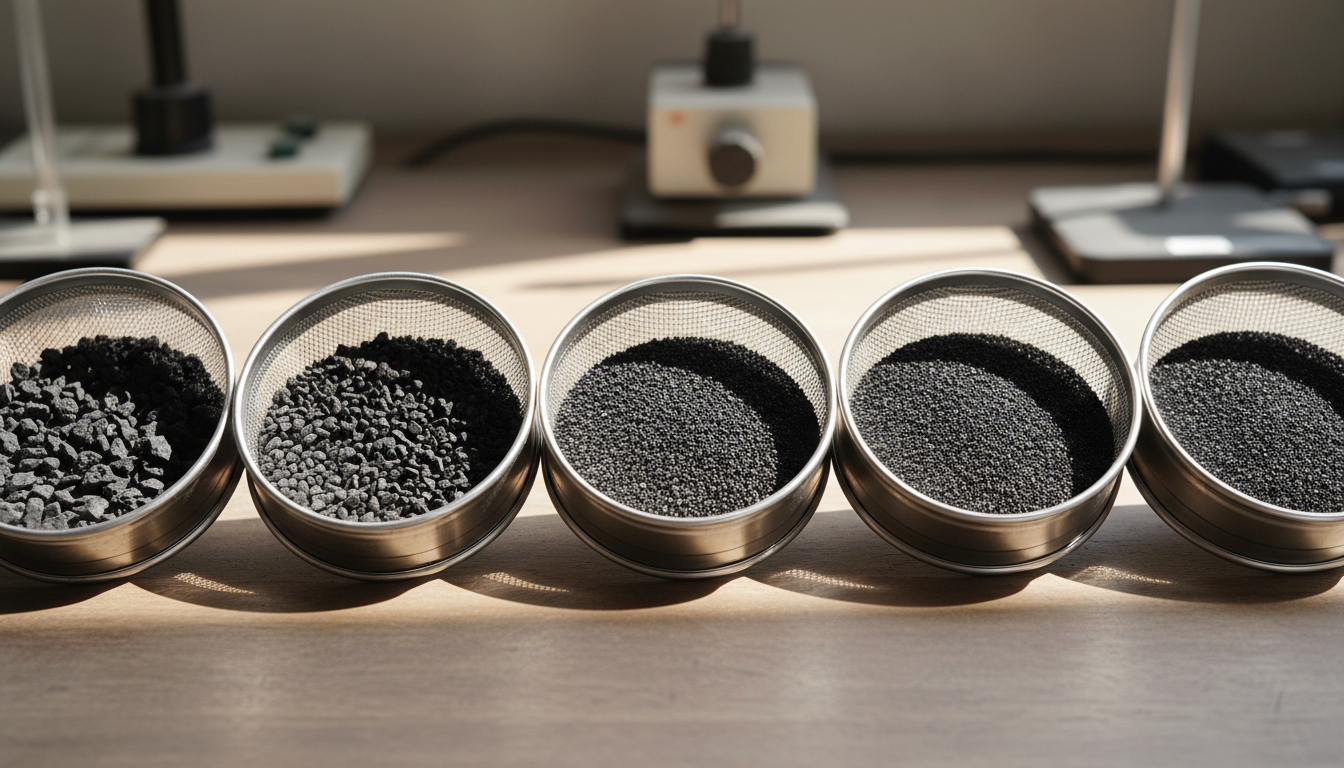
The particle size distribution of granular activated carbon affects kinetics—the smaller the particle size, the higher the kinetics of the granular activated carbon. Yet buyers often pick particle size based on what’s cheapest or most readily available rather than what actually fits their filtration system.
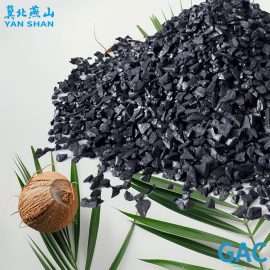
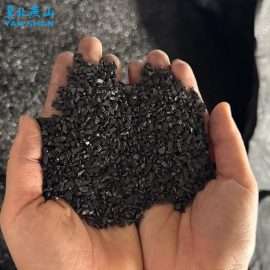
A 20×40 GAC is made of particles that will pass through a U.S. Standard Mesh Size # 20 sieve (0.84 mm) but be retained on a U.S. Standard Mesh Size # 40 sieve (0.42 mm). If you’re running a high-flow water filter with small particles, you’ll face pressure drop issues. Too large, and you won’t get adequate contact time for adsorption.
For granular activated carbon applications, always check your system’s specifications and flow rates before ordering. Powdered carbon works differently than granular, and using the wrong form can lead to poor performance or operational headaches.
Overlooking the Source Material Quality
Due to its high hardness, low ash content, and high purity, coconut shell activated carbon is more suitable for drinking water treatment and reverse osmosis water applications. But not all coconut shell carbon is created equal. Some suppliers cut corners with low-grade shells or mix in other materials to reduce costs.
Coconut shell activated carbon is known for its high levels of hardness, purity and low ash content. Ash content should typically be under 5% for high-quality applications. Higher ash means less active carbon per pound and more impurities that can leach into your treated water or process stream.
Another red flag? Suppliers who won’t share a Certificate of Analysis (COA). Reputable suppliers provide complete testing data, not just a single iodine number. If they’re hesitant to show hardness numbers, ash content, moisture levels, and pore distribution, walk away.
Not Considering Your Specific Application
Coconut shell-based activated carbon has a high density of micropores which makes it exceptionally adept at adsorbing small molecules and is particularly effective in purifying air by removing small-sized contaminants, such as volatile organic compounds (VOCs), and odors. But if you’re trying to remove larger molecules or heavy metals, you might actually need a different type of carbon with more mesopores.
As most of its pore structure consists of micropores (more than 80%), coconut shell carbon can efficiently absorb impurities with micropore molecular structure, and only coconut shell activated carbon can support applications such as recovery of gold and other precious metals. That makes it perfect for water purification and gold recovery, but possibly wrong for removing color from oils or treating certain industrial wastewater.
Before buying, map out exactly what contaminants you need to remove, their molecular size, and your operating conditions. Then match the carbon’s pore structure to your needs rather than buying a one-size-fits-all product.
Falling for Cheap Prices Without Quality Testing
Coconut shell activated carbon is less expensive than bituminous coal-based activated carbon and has a higher hardness, produces less dust, emits less ash, and is more eco-friendly. That said, suspiciously cheap coconut shell carbon often means you’re getting reactivated material, low-grade shells, or carbon that won’t meet published specifications.
Virgin carbon performs differently than reactivated material, even if iodine numbers are similar. Reactivated carbon can work fine for some applications, but if you’re paying virgin carbon prices for reactivated material, you’re overpaying.
Always pilot test when the application matters. If the application is critical, always pilot test. A small batch test run can save you from ordering tons of material that doesn’t perform in your actual operating conditions. And check multiple specs—iodine number, hardness, particle size distribution, ash content, and moisture.
Conclusion
Buying coconut shell activated carbon doesn’t have to be complicated, but it does require attention to detail. Avoid these five mistakes—ignoring iodine numbers, picking the wrong particle size, overlooking source quality, not matching carbon to your application, and chasing cheap prices without testing—and you’ll save time, money, and frustration.
We’ve spent years helping buyers find the right activated carbon for their specific needs. The best approach? Know what you’re trying to remove, get complete product specs from your supplier, and test before committing to bulk orders. When you match the right carbon to the right application, the results speak for themselves.
FAQs
What iodine number should I look for in coconut shell activated carbon?
For water treatment applications, look for an iodine number of at least 900-1000 mg/g. More demanding applications like ultra-pure water systems may require 1200-1700 mg/g. But remember that higher isn’t always better—match the iodine number to your specific contaminants and molecular sizes.
How do I know if I need granular or powdered activated carbon?
Granular activated carbon (GAC) works best in continuous flow systems like water filters and fixed-bed adsorbers. Powdered activated carbon (PAC) is better for batch treatments and situations where you need rapid adsorption. Your choice depends on your system design, flow rates, and contact time requirements.
What’s the difference between virgin and reactivated coconut shell carbon?
Virgin carbon is made from fresh coconut shells and offers maximum adsorption capacity and purity. Reactivated carbon has been used, thermally regenerated, and put back into service. While reactivated carbon can work for certain applications, it typically has 10-15% lower capacity than virgin material and may contain residual contaminants.
Why does ash content matter in activated carbon?
Ash represents inorganic impurities that don’t contribute to adsorption and can leach into your treated water or process stream. High-quality coconut shell carbon should have ash content below 5%. Higher ash levels mean less active surface area per pound and potential contamination of your final product.
Can I use coconut shell activated carbon for removing all types of contaminants?
Coconut shell carbon excels at removing small molecules, VOCs, chlorine, and organic contaminants due to its microporous structure. However, it’s less effective for removing large molecules, heavy metals, or certain inorganic compounds. For those applications, you might need coal-based carbon with more mesopores or specially impregnated carbon.