


Gold mining operations depend heavily on reliable extraction methods. The Carbon-in-Leach process has become one of the most popular approaches, and activated carbon sits at the heart of this system. We’ll walk you through what makes activated carbon work in CIL applications, how to choose the right material, and what factors affect your gold recovery rates.
What Makes CIL Different from Other Gold Recovery Methods
The carbon-in-leach (CIL) process adds activated carbon to the leaching tank, and leaching and adsorption are carried out simultaneously. This differs from CIP (Carbon-in-Pulp), where these steps happen separately. The simultaneous leach and absorption phases of the CIL process were developed for processing gold ores that contain preg-robbing materials such as natural absorptive carbon.
The beauty of CIL is its efficiency. Activated carbon is added to the pregnant leaching solution to physically adsorb the gold-cyanide complexes in the solution to become gold-loaded carbon. The CIL process concentrates gold from 2.5–3.5 g/t in ore to 2000 to 6000 g/t on carbon. That’s a massive concentration jump that makes the entire recovery process economically viable.
Why Coconut Shell Activated Carbon Dominates CIL Applications
In the recovery process of gold and silver, more than 95% of the carbon used is steam-activated coconut-based carbon. There’s a good reason for this dominance. Coconut shell activated carbon has a well-developed pore structure and huge specific surface area, which can adsorb a large amount of gold-cyanide complexes, and has high hardness and abrasion resistance, which can withstand the complex hydrodynamic conditions in the gold recovery process.
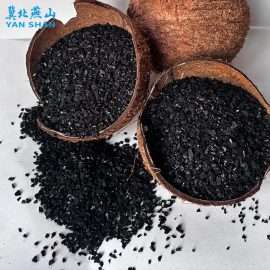
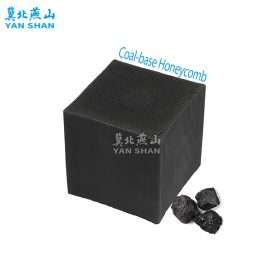
We offer several types of activated carbon products, including coconut shell activated carbon, coal-based activated carbon, and specialty options. But for CIL operations, coconut shell consistently delivers the best performance.
612mesh and 816mesh coconut shell granular activated carbon are commonly used in gold adsorption by carbon-in-pulp (CIP)/carbon-in-leach (CIL) systems on gold mines. These particle sizes strike the right balance between adsorption speed and ease of screening from the slurry.
Key Selection Criteria for CIL Activated Carbon
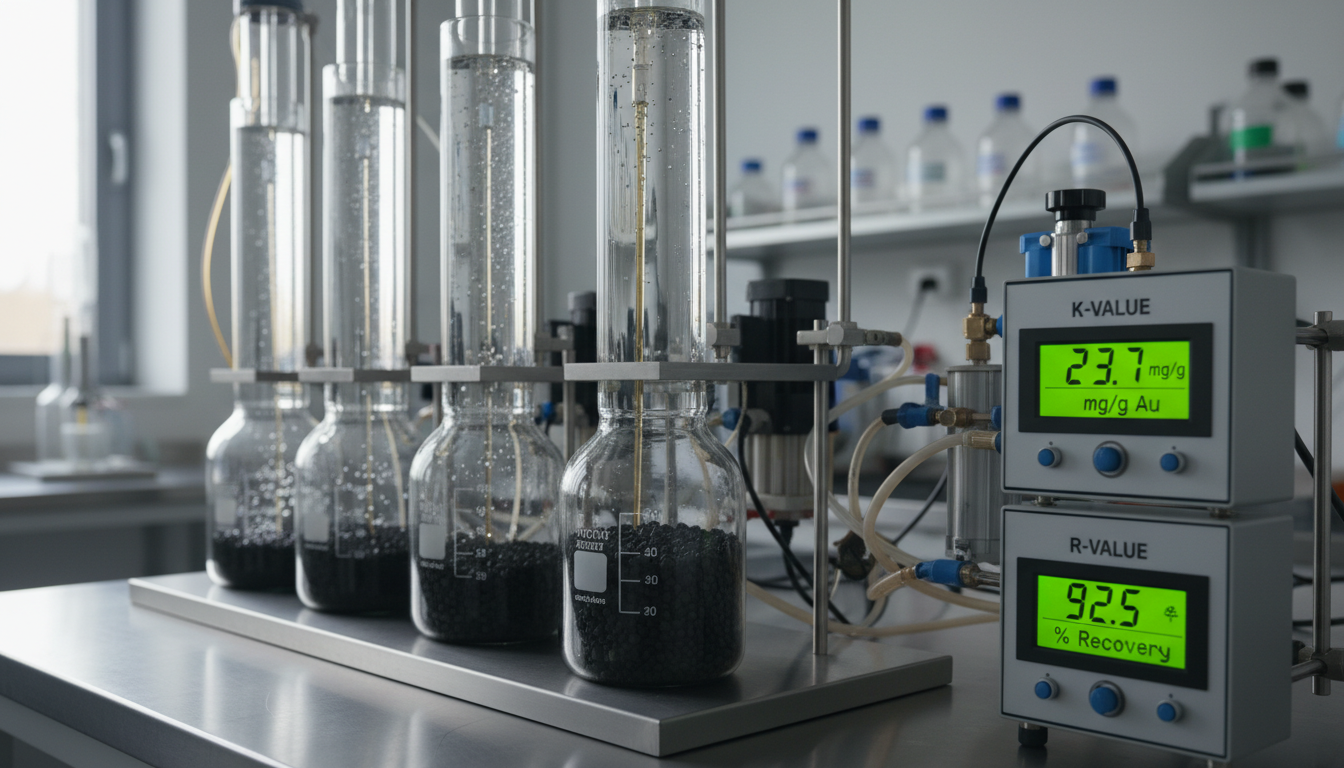
Picking the right activated carbon isn’t just about checking a box. High adsorption capacity and strong mechanical strength are required. Let’s break down what matters:
Adsorption Capacity (K-value): This tells you how much gold the carbon can hold per unit weight. Higher K-values mean better loading capacity and fewer carbon changes.
Adsorption Rate (R-value): Speed matters in mining operations. The rate of adsorption is largely affected by both physical and chemical properties of the activated carbon.
Mechanical Hardness: In the turbulent environments of CIP and CIL processes, where carbon particles are constantly agitated, attrition can lead to fines generation. These fines not only represent a loss of the valuable activated carbon but also a loss of the adsorbed gold.
Particle Size Distribution: The particle size of activated carbon used in CIL and CIP plants is a balance between sieving efficiency and gold adsorption rate. Too small creates screening problems; too large slows adsorption.
Our granular activated carbon products are specifically engineered to meet these demanding requirements.
How the CIL Process Actually Works
The process follows several distinct stages. There are several main steps for CIL gold processing: ore preparation, leaching, adsorption, elution and refining.
First, crushed ore gets mixed with a cyanide solution and activated carbon simultaneously. Activated carbon is added to the pregnant leaching solution to physically adsorb the gold-cyanide complexes in the solution to become gold-loaded carbon. The gold-loaded carbon is then separated from the solution by a sieve or using a screen or hopper-bottom tank design.
After separation, the gold-loaded carbon undergoes a high temperature and high pressure elution process to desorb the gold, forming a high gold concentrate solution. The gold is then recovered from the eluate by electrolytic deposition. The carbon can then be regenerated and reused, making the process cost-effective over time.
Operating Parameters That Affect Performance
Getting optimal results from your CIL circuit requires attention to several variables. Cyanide concentration is important for gold leaching and generally needs to be maintained in excess to ensure maximum gold leaching.
PH levels matter too. A high pH stabilizes the Au(CN)2- ions in the solution. The lower the pH, the greater the chance of gold adsorption. However, the formation of HCN is dangerous at low pH conditions, so the optimum operating pH for the CIP/CIL plant is between 8 and 11.
Slurry density also plays a role. The density of wet activated carbon is between 1.3 and 1.5, so the ore pulp must be in this region in order for the carbon to be evenly suspended in the ore pulp. In both cases there will be insufficient mixing, resulting in a lower recovery of gold.
Carbon Regeneration and Lifecycle Management
The key to choosing high-quality activated carbon for gold mining is to keep its properties and effects after repeated use for months. This is where quality really shows its value.
Coconut shell activated carbon can be regenerated many times, which reduces the cost of gold recovery. Activated carbon can be re-activated and reused multiple times – it can, therefore, be a cost-effective and sustainable option for gold recovery.
Regeneration typically involves heating the carbon in a kiln to burn off organic material while preserving the pore structure. Properly managed carbon can go through dozens of cycles before replacement becomes necessary.
Real-World Advantages of Quality Activated Carbon
When you invest in high-performance activated carbon, the benefits show up across your operation. The coconut-shell carbon can effectively extract higher amounts of gold during the typical cyanide leaching process and ensures the same level of performance every time it is used, which impacts positively on a company’s revenue.
Lower attrition rates mean less gold loss. The carbon has high hardness and has undergone a strict carbonization and activation process, with a long service life and low wear rate. This translates directly to better bottom-line performance for your mining operation.
We’ve seen operations reduce their activated carbon consumption by 20-30% simply by switching to higher-quality material. The upfront cost difference gets recovered quickly through better gold yields and longer carbon life.
Conclusion
Activated carbon for CIL process applications requires careful selection based on multiple performance criteria. Coconut shell activated carbon has emerged as the industry standard due to its superior hardness, adsorption capacity, and regeneration capabilities. The simultaneous leaching and adsorption in CIL systems makes this process particularly effective for ores containing preg-robbing materials.
Success in CIL operations depends on choosing activated carbon with the right particle size distribution, high mechanical strength, and optimal pore structure. Operating parameters like pH, cyanide concentration, and slurry density must be carefully controlled to maximize gold recovery. With proper carbon selection and process management, CIL systems can concentrate gold from low-grade ores to economically recoverable levels while maintaining cost-effective operations through carbon regeneration and reuse.
Visit Yanshan Carbon to explore our full range of activated carbon solutions designed specifically for gold mining applications.
Frequently Asked Questions
What’s the difference between CIL and CIP gold recovery processes?
CIL combines leaching and adsorption in the same tanks, while CIP separates these steps. In CIL, activated carbon is present during the leaching phase, allowing immediate adsorption of gold as it dissolves. This makes CIL more effective for ores that contain naturally occurring carbon materials that can steal gold from the solution.
Why is coconut shell activated carbon preferred over coal-based options for CIL?
Coconut shell activated carbon offers superior hardness and wear resistance compared to coal-based alternatives. Over 95% of gold recovery operations use coconut shell carbon because it withstands the harsh agitation in CIL tanks better, produces fewer fines, and can be regenerated more times. This results in less gold loss and lower operating costs over time.
How often does activated carbon need to be replaced in a CIL circuit?
High-quality activated carbon can be regenerated and reused dozens of times before replacement. The actual lifespan depends on operating conditions, regeneration quality, and mechanical attrition rates. Most operations maintain a base carbon inventory and add fresh carbon periodically to replace losses from attrition and material that’s lost regeneration capacity. Typical annual consumption varies based on throughput and ore characteristics.
What particle size of activated carbon works best for CIL applications?
The most common sizes are 6×12 mesh (1.68-3.36 mm) and 8×16 mesh (1.19-2.38 mm). These sizes balance screening efficiency with adsorption rate. Smaller particles adsorb gold faster but are harder to screen from slurry and create more losses. Larger particles are easier to screen but adsorb more slowly, reducing overall circuit efficiency.
Can activated carbon from CIL be regenerated on-site?
Yes, most mining operations regenerate activated carbon on-site using high-temperature kilns. After gold is stripped from the loaded carbon through elution, the carbon undergoes thermal regeneration at 600-800°C to remove organic material and restore adsorption capacity. This regeneration capability makes activated carbon a sustainable and cost-effective choice for continuous gold recovery operations.