

Gold recovery operations depend on effective extraction methods that balance cost and performance. The Carbon in Pulp (CIP) process has become the go-to approach for many mining operations, and activated carbon plays a starring role in making it work.
What Is the CIP Process?
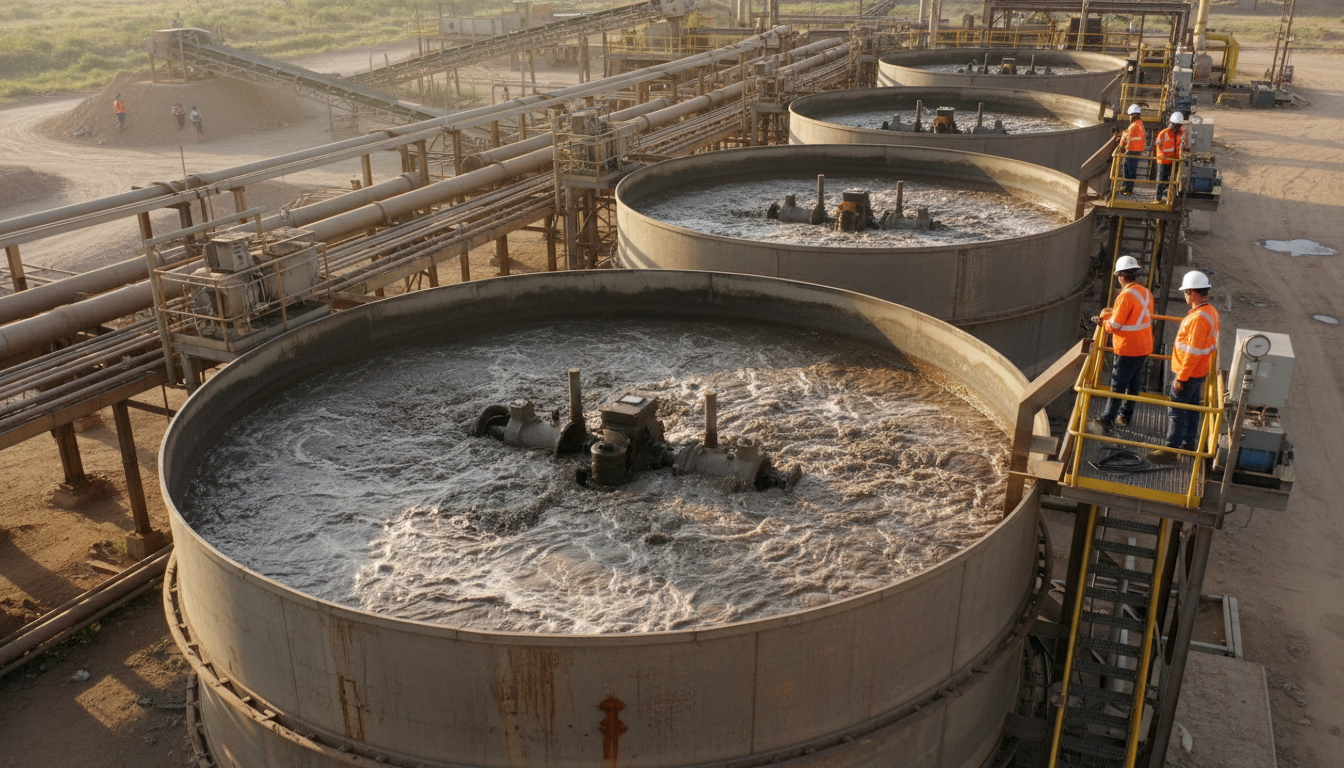
The CIP carbon in pulp gold extraction process is a method of adding activated carbon to the cyanide slurry, adsorbing the dissolved gold onto the activated carbon, and extracting gold from the activated carbon. Think of it as a two-stage operation: first, gold ore gets leached with cyanide solution to dissolve the gold, then activated carbon is added to the slurry to adsorb gold from the liquid.
This approach differs from CIL (Carbon in Leach) where both steps happen at once. In the CIP process, leaching and adsorption are independent operations. The separation gives operators more control over each stage and often means lower upfront equipment costs. Introduced in the early 1980s, Carbon in Pulp is regarded as a simple and cheap process.
Why Activated Carbon Works for Gold Adsorption
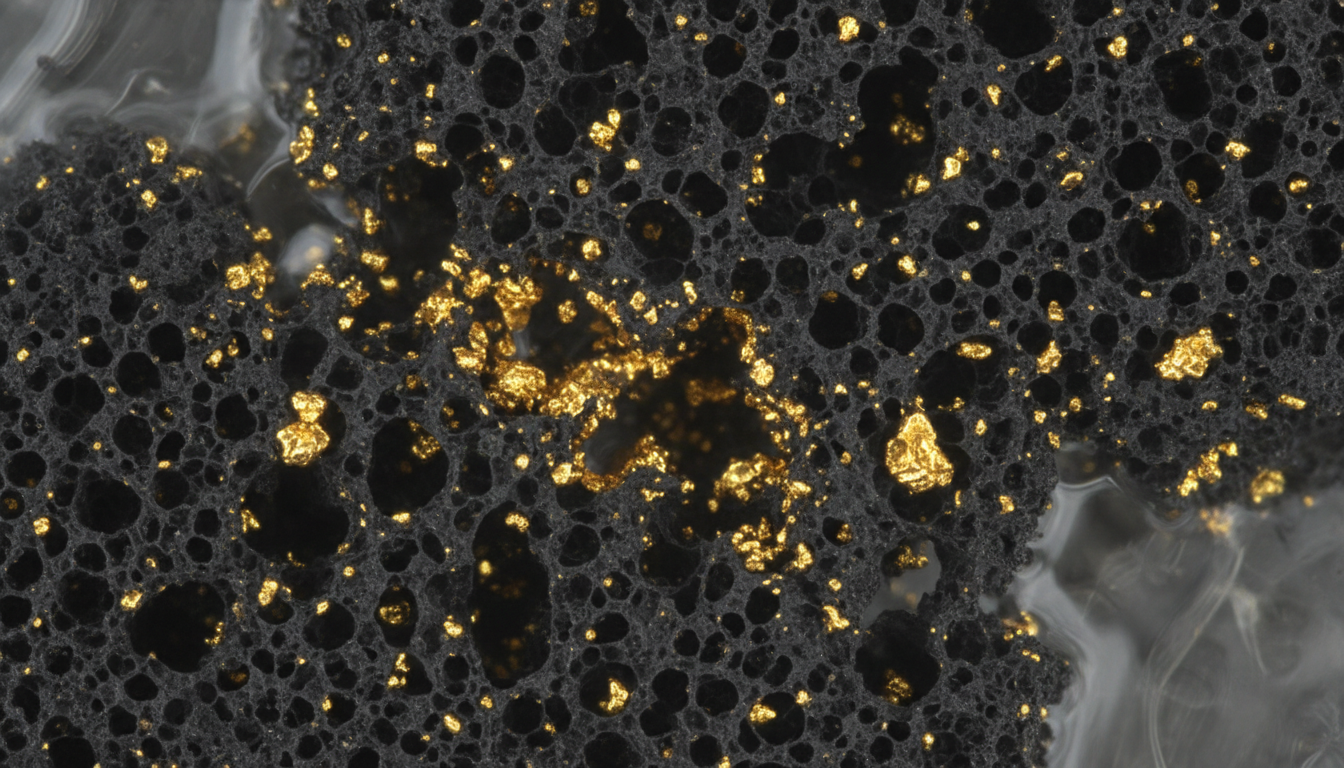
Activated carbon acts like a magnet for gold particles. Activated carbon acts like a sponge to dicyanoaurate, the main soluble gold species in gold extraction technologies. The secret lies in its structure—millions of tiny pores create a massive internal surface area that traps gold molecules while letting other materials pass through.
Hard carbon particles (much larger than the ore particle sizes) can be mixed with the solution. The gold cyanide complex adsorb onto the carbon and is proposed to be reduced back to the metal. After the carbon loads up with gold, the coarse carbon can then be separated from the slurry by screening using a wire mesh.
The process works on a countercurrent flow system. Fresh carbon has a high affinity for gold and can remove trace amounts of gold (to levels below 0.01 mg/L Au in solution). As it moves up the train, the carbon loads to higher and higher concentrations of gold.
Key benefits of using activated carbon in CIP:
- High selectivity for gold even when other metals are present
- Can be reused multiple times through regeneration
- Works efficiently at low gold concentrations
- Simple separation from slurry using screens
How to Choose the Right Activated Carbon
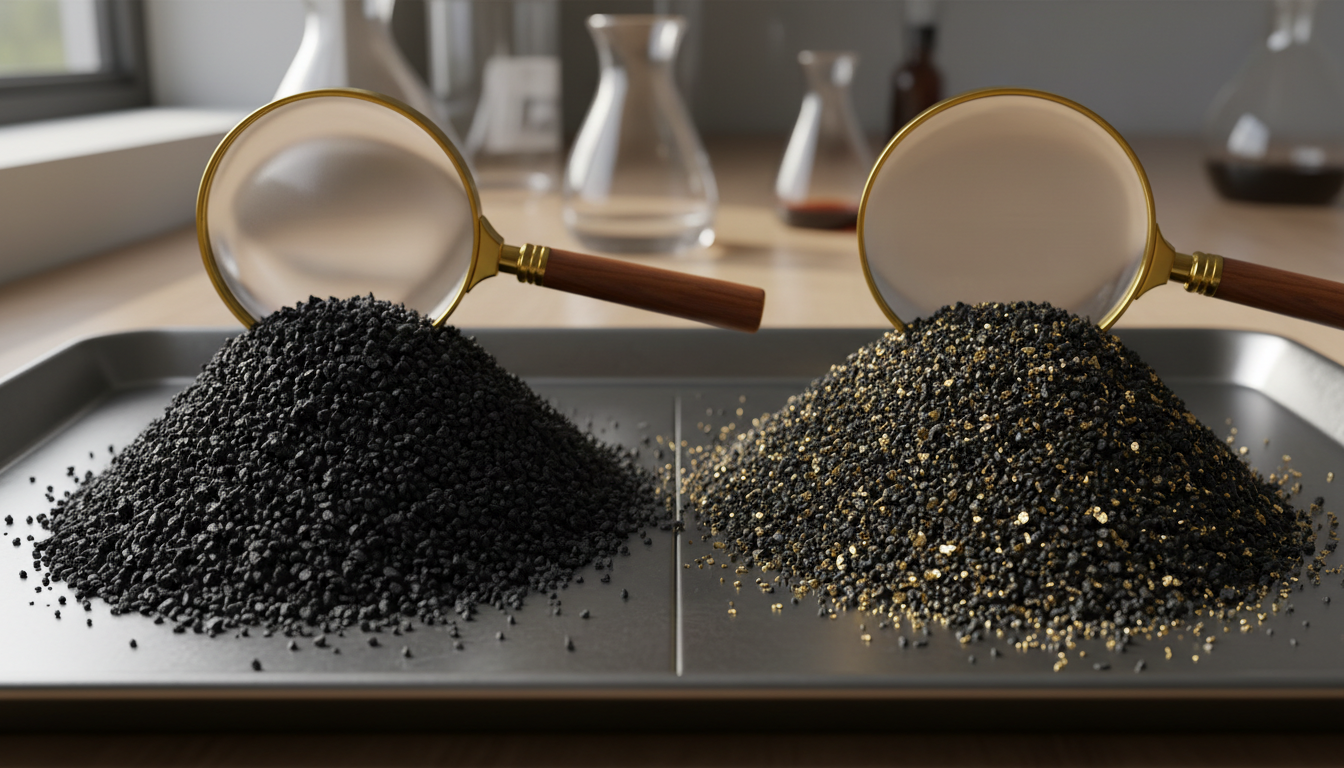
Not all activated carbon performs the same way in CIP operations. The key to choosing high-quality activated carbon for gold mining is to keep its properties and effects after repeated use for months. We typically look at several factors when selecting carbon for our operations.
Coconut shell-based carbons are the most commonly selected type of activated carbon for gold recovery. This type of carbon boasts numerous characteristics that make it ideal for use in gold recovery, including superior hardness and pore structure. Coconut shell activated carbon offers the durability needed for continuous use in demanding mining environments.
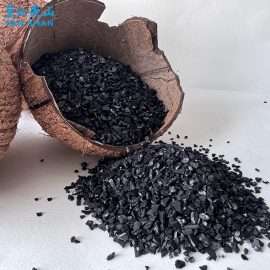
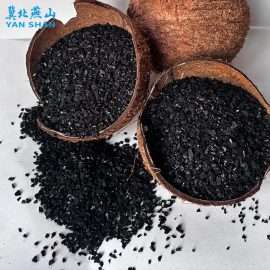
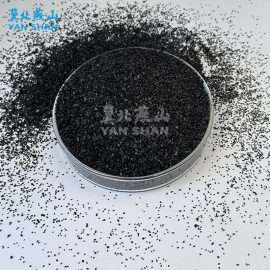
Commonly activated carbon sizes for gold recovery range from 6-12mesh (1.68 mm ~ 3.36 mm), 8-16mesh (1.19 mm ~ 2.38 mm), and 6-16mesh (1.19 mm ~ 3.36 mm). The particle size represents a balance—smaller particles adsorb gold faster, but larger particles are easier to separate from the slurry.
Hardness matters too. Mechanical strength is important in reducing losses because of attrition. Attrition is the breakdown of material into fines. Not only does this result in carbon loss, but it also causes a loss in recoverable gold. Strong carbon means less gold loss to tailings.
Performance Characteristics That Matter
Three main performance metrics determine how well activated carbon works in CIP systems: adsorption capacity, adsorption rate, and durability.
Often called loading capacity, the adsorptive capacity of activated carbon refers to how much the activated carbon can adsorb. Adsorptive capacity is linked to the physical and chemical properties of the activated carbon. The higher the K value, the higher the gold adsorption capacity.
Typically concentrations as high as 4000 to 8000 grams of gold per tonne of carbon (g/t Au) can be achieved on the final loaded carbon. That’s a significant amount of gold packed into each batch of carbon.
The rate at which carbon picks up gold affects overall process efficiency. Faster adsorption means shorter residence times and higher throughput. Temperature, pH levels, mixing intensity, and carbon concentration all play a role in adsorption speed.
Coal-based activated carbon and other carbon types from different source materials can offer varying performance profiles depending on specific ore characteristics and plant conditions.
Advantages of CIP Over Other Methods
Gold CIP method has almost no effect on the change of ore properties. Due to the high selectivity of carbon for the gold adsorption, when other secondary metals (copper and zinc) fluctuate, CIP method can be adapted as long as the cyanidation conditions are suitable.
Gold CIP method is not very sensitive to the problems in production, and there are very few operating parameters to be strictly controlled. It is easy to start and stop the CIP reactor. This operational flexibility makes life easier for plant operators who need to adjust to changing conditions.
The CIP process is suitable for large-scale mining operations, especially when the gold content in the ore is high, it can efficiently recover gold. The process scales well, making it a practical choice for operations of different sizes.
The adsorption rate of activated carbon is 99.2%, the recovery rate of gold is 90-94%, which can save 25% of capital construction costs and 6% of production costs compared with the zinc powder replacement method. Those numbers make a real difference to the bottom line.
Process Limitations and Considerations
Gold CIP method has strict requirements on activated carbon. If the carbon is not strong enough, it will be broken in the adsorption process, which will cause the loss of gold with the broken carbon. Quality control on carbon selection isn’t optional—it directly impacts gold recovery rates.
Gold CIP method is not suitable for gold ores with high silver content. Experts in the United States have tested that when the gold ore contains more than 30g/t of silver, it is not suitable for CIP method. Understanding ore composition before committing to a CIP system saves headaches down the road.
Leaching and adsorption are carried out separately, because activated carbon cannot directly participate in adsorption at the beginning of the leaching process, which may cause some gold to fail to be adsorbed in time. The gold recovery rate is relatively low. This trade-off between operational simplicity and maximum recovery needs consideration.
One of the many benefits to using activated carbon is that it is reusable. Instead of purchasing new activated carbon, the saturated carbon can be reactivated and used again. Regeneration through thermal activation extends carbon life and reduces ongoing costs.
Conclusion
Activated carbon for CIP process represents a proven technology that balances performance with practicality. From coconut shell to coal-based materials, the right carbon selection depends on your specific ore type, plant design, and operational goals. The process offers solid recovery rates—often above 90%—with relatively straightforward operations and lower capital costs than some alternatives. Success comes down to choosing quality carbon with the right hardness, particle size, and adsorption characteristics, then managing it properly through multiple regeneration cycles. For mining operations looking to optimize gold recovery while controlling costs, understanding how activated carbon works in CIP systems is time well spent.
Frequently Asked Questions
What is the main difference between CIP and CIL processes?
CIP (Carbon in Pulp) performs cyanide leaching first, then adds activated carbon to adsorb gold in separate tanks. CIL (Carbon in Leach) adds carbon directly to the leaching tanks so both processes happen simultaneously. CIP offers simpler equipment and lower initial costs, while CIL can prevent gold loss in ores containing natural carbon materials that compete for gold adsorption.
What type of activated carbon works best for gold recovery?
Coconut shell-based activated carbon is the most popular choice for CIP gold processing. It offers superior hardness to resist breakdown during vigorous mixing, excellent pore structure for gold adsorption, and can withstand multiple regeneration cycles. Typical particle sizes range from 6-16 mesh (1.19-3.36mm), balancing fast adsorption rates with easy separation from slurry.
How many times can activated carbon be reused in CIP systems?
Quality activated carbon can be regenerated and reused many times—often 15 or more cycles depending on the carbon type and operating conditions. After each use, the gold-loaded carbon goes through desorption to remove gold, then acid washing to remove inorganic materials, and finally thermal reactivation to restore adsorption capacity. Proper regeneration extends carbon life and significantly reduces operating costs.
What gold recovery rates can CIP achieve?
Well-designed CIP systems typically achieve gold recovery rates of 90-94%, with activated carbon adsorption rates reaching 99.2%. The process can reduce gold concentration in solution to below 0.01 mg/L. Actual recovery depends on factors like ore characteristics, carbon quality, residence time, and proper process control.
Why isn’t CIP suitable for high-silver ores?
CIP struggles with ores containing high silver concentrations (above 30g/t) because silver cyanide complexes compete with gold for adsorption sites on activated carbon. The competition reduces gold loading efficiency and complicates the recovery process. For high-silver ores, alternative processes like froth flotation or different extraction methods often work better.