

Gold mining companies face a constant challenge: how to extract the maximum amount of gold from ore while keeping costs down and maintaining environmental standards. We’ve seen the industry shift toward more efficient methods over the years, and one material stands out as a game-changer: activated carbon.
This porous material has transformed gold recovery since the early 1980s, when the carbon-in-pulp process became an industry standard. Today, we’re sharing what makes activated carbon so effective and why coconut shell based activated carbons are excellently suited to this application because of their extreme hardness, excellent adsorption characteristics and good regenerability. Whether you’re working with heap leach operations or processing gold-bearing slurries, understanding how activated carbon works can make a real difference to your bottom line.
How Activated Carbon Works in Gold Recovery
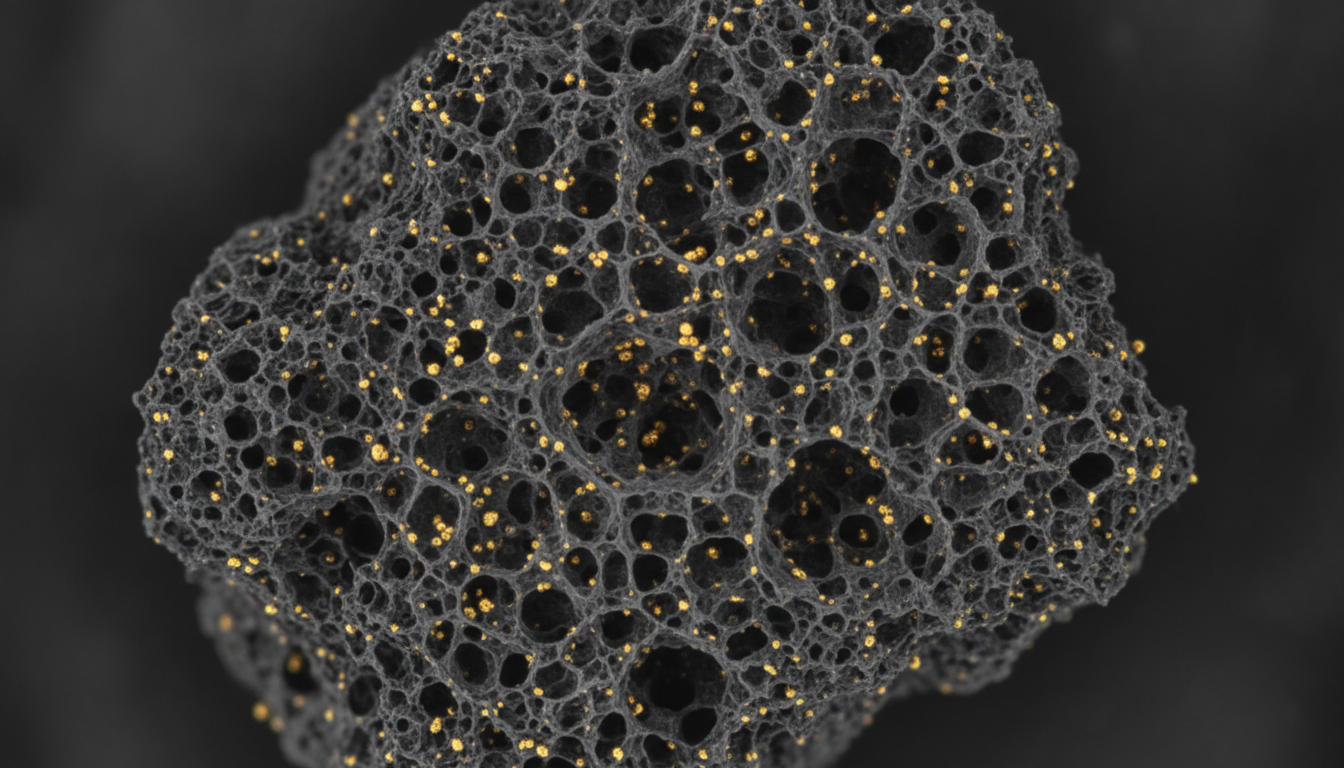
Think of activated carbon as a microscopic sponge with an incredibly large surface area. Activated carbon offers an incredibly porous surface structure, which creates a vast surface area (about an acre per ¼ teaspoon) on which to adsorb materials. This structure is what makes it perfect for capturing gold from cyanide solutions.
The process starts when the ore is finely ground and the gold is solubilised using a cyanide leach in a series of tanks. Carbon is then added which adsorbs the gold. The carbon particles are much larger than ore particles, which makes separation straightforward—you just screen them out. Once loaded with gold, the carbon goes through an elution process where the gold is stripped away and recovered through electrowinning.
What’s remarkable is how much gold these carbon particles can hold. Concentrations as high as 4000 to 8000 grams of gold per tonne of carbon can be achieved on the final loaded carbon. That’s a massive concentration compared to the tiny amounts in the original ore.
Three Main Extraction Methods
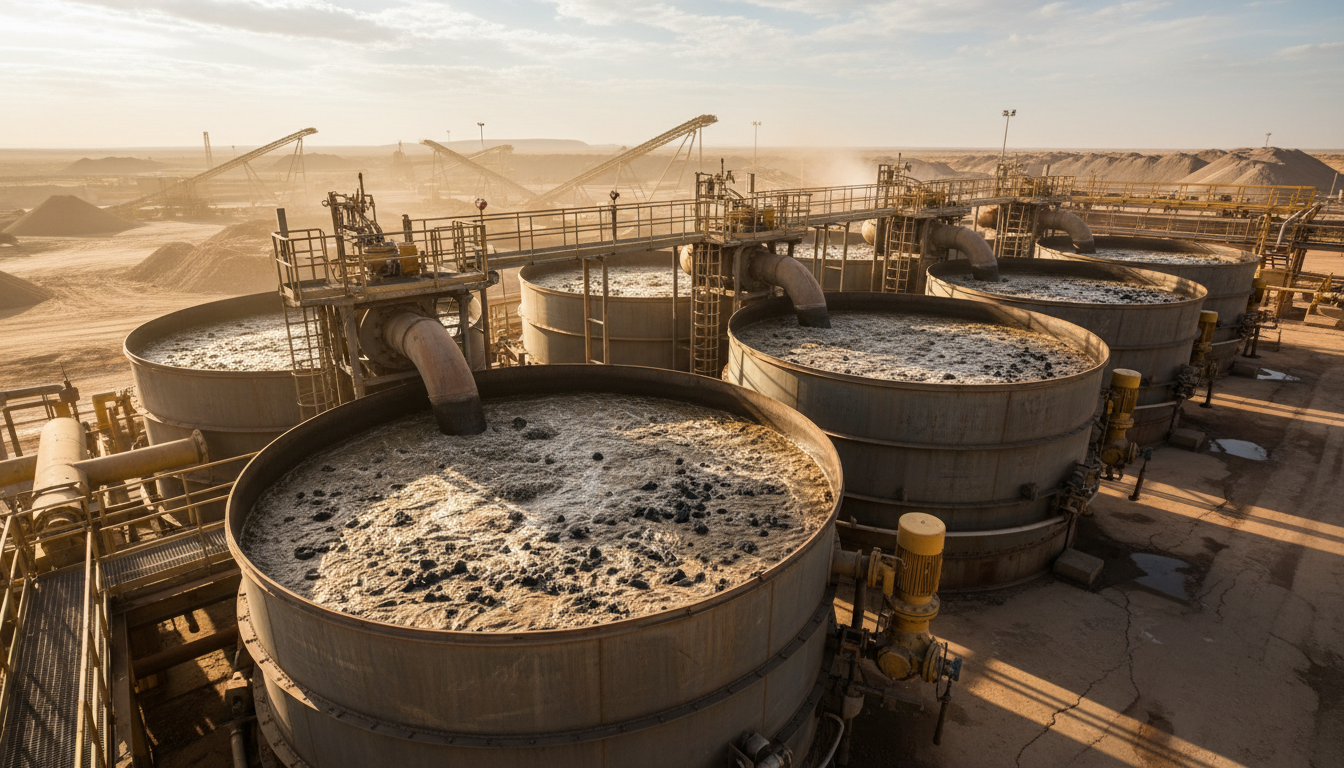
Gold mining operations use three primary methods that rely on activated carbon. Each has its place depending on the ore characteristics and operation scale.
Carbon-in-Pulp (CIP) is an extraction technique for recovery of gold which has been liberated into a cyanide solution as part of the gold cyanidation process. Introduced in the early 1980s, Carbon in Pulp is regarded as a simple and cheap process. In CIP, you leach the ore first, then add carbon to adsorb the dissolved gold. This separation gives you more control over each step.
Carbon-in-Leach (CIL) combines both steps into one. The activated carbon is added in leach, with gold adsorption occurring nearly simultaneously with gold dissolution by the cyanide solution. This method shines when you’re dealing with ores that contain organic carbon that could compete for gold adsorption.
Carbon-in-Column (CIC) works differently—it’s typically used after heap leaching, where dilute cyanide solutions percolate through crushed ore piles. The gold-bearing solution then flows through columns filled with activated carbon, which captures the gold as it passes through.
Why Coconut Shell Carbon Dominates
Not all activated carbon performs equally in gold recovery. We’ve found that coconut shell activated carbon has become the industry favorite for good reasons.
The hardness factor matters more than you might think. Mining operations put carbon through harsh conditions—constant agitation, high temperatures during regeneration, and chemical treatments. In the turbulent environments of CIP and CIL processes, where carbon particles are constantly agitated, attrition can lead to fines generation. These fines not only represent a loss of the valuable activated carbon but also a loss of the adsorbed gold.
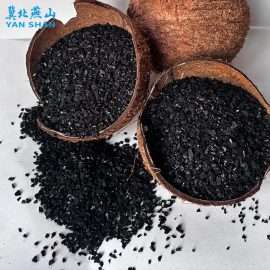
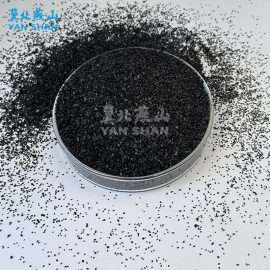
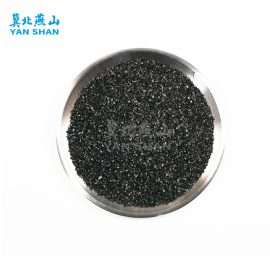
Coconut shell carbon holds up remarkably well. The material naturally has high mechanical strength that minimizes breakage during processing. This translates directly to better gold recovery rates and lower carbon replacement costs.
The microporous structure of coconut shell granular activated carbon is another key advantage. These tiny pores are perfectly sized for capturing gold-cyanide complexes from solution. The carbon provides rapid adsorption rates and high loading capacities—exactly what mining operations need for efficiency.
Key Performance Factors
Several characteristics determine how well activated carbon performs in gold extraction. Here’s what actually matters in day-to-day operations:
Adsorption capacity determines how much gold each kilogram of carbon can capture. Higher capacity means you need less carbon to recover the same amount of gold. Quality coconut shell carbon typically offers superior capacity compared to other materials like coal-based activated carbon.
Hardness and attrition resistance directly affect your operating costs. Using activated carbon of optimal hardness minimizes fines and recovers more gold. Soft carbon that breaks down quickly leads to gold losses and frequent carbon replacement.
Particle size needs to match your application. 612mesh and 816mesh coconut shell granular activated carbon are commonly used in gold adsorption by carbon-in-pulp (CIP)/carbon-in-leach (CIL) systems on gold mines. These sizes provide good contact with the slurry while remaining easy to screen and handle.
Regeneration capability affects long-term economics. After carbon is stripped of gold, it can be regenerated and reused multiple times. Activated carbon can be re-activated and reused multiple times – it can be a cost-effective and sustainable option for gold recovery. The best carbons maintain their properties through many cycles of loading, stripping, and regeneration.
Optimizing Your Gold Recovery Process
Getting the most from your activated carbon system requires attention to several operating parameters. We’ve seen operations improve their recovery rates by 2-3% just by fine-tuning these variables.
Carbon concentration in your tanks affects adsorption kinetics. More carbon gives faster gold pickup, but there’s a balance point where additional carbon doesn’t justify the cost. Most operations run with carbon concentrations that allow for 24-48 hour contact times.
The countercurrent flow arrangement is standard for a reason. Leached pulp and carbon are transferred in a countercurrent flow arrangement involving a series of tanks, usually numbering 4 to 6. In the final tank, fresh or barren carbon is put in contact with low grade or tailings solution. At this tank the fresh carbon has a high affinity for gold and can remove trace amounts of gold. This setup maximizes gold loading while minimizing gold losses to tailings.
Carbon quality matters throughout the process. Gold CIP method has strict requirements on activated carbon. If the carbon is not strong enough, it will be broken in the adsorption process, which will cause the loss of gold with the broken carbon. Regular testing and monitoring help catch problems before they impact recovery rates.
Economic and Environmental Benefits
The gold mining industry increasingly looks at both profitability and environmental impact. Activated carbon helps on both fronts.
From a cost perspective, the ability to regenerate and reuse carbon reduces ongoing material expenses. Operations can put carbon through multiple cycles before replacement becomes necessary. The high recovery rates possible with quality carbon—often above 90%—mean less gold ends up in tailings.
Environmentally, activated carbon systems offer advantages over older methods. The material itself comes from renewable sources when you use coconut shell carbon. Activated carbon made from coconut shells is superior for gold beneficiation, owing to carbon’s high adsorption capacity, low ash content, consistent quality and its being ecofriendly.
The process also allows for better control over cyanide usage and containment. While cyanide remains necessary for gold dissolution, activated carbon systems minimize the volumes of cyanide-bearing solutions that need treatment before discharge.
How to Choose the Right Carbon Supplier
Not all activated carbon suppliers understand the specific demands of gold recovery. You’ll want to work with providers who can demonstrate consistent quality and supply reliability.
Look for suppliers offering products specifically engineered for gold recovery applications. These carbons undergo additional processing steps to control particle size distribution, minimize fines content, and optimize hardness. Generic activated carbons from other industries often don’t perform as well in mining applications.
Testing capabilities matter too. Reputable suppliers should provide detailed specifications including iodine number, hardness values, ash content, and moisture levels. Some operations request trial quantities to test performance in their specific conditions before committing to larger orders.
Supply chain reliability becomes critical when you’re running continuous operations. Working with established activated carbon manufacturers who maintain consistent inventory and can handle your volume requirements helps avoid costly production interruptions.
Conclusion
Activated carbon has earned its place as the standard method for gold recovery in modern mining operations. The material’s unique combination of high surface area, selective adsorption, and reusability makes it both effective and economical. Coconut shell carbon, in particular, offers the hardness and performance characteristics that gold recovery demands.
Whether you’re operating a CIP, CIL, or CIC system, the quality of your activated carbon directly affects your recovery rates and operating costs. Selecting the right carbon grade, maintaining proper operating conditions, and working with reliable suppliers all contribute to maximizing gold recovery while controlling expenses.
The technology continues to evolve, with ongoing improvements in carbon manufacturing and processing techniques. But the fundamental principle remains: activated carbon’s remarkable ability to capture gold from solution makes it an indispensable tool in gold extraction.
Frequently Asked Questions
What makes activated carbon effective for gold extraction?
Activated carbon has an extremely porous structure that creates a huge surface area—roughly an acre per quarter teaspoon. This porous network selectively adsorbs gold-cyanide complexes from leach solutions, concentrating the gold onto the carbon particles. The carbon particles are much larger than ore particles, making separation simple through screening while achieving gold loadings of 4000-8000 grams per tonne of carbon.
Why is coconut shell activated carbon preferred over other types?
Coconut shell activated carbon offers superior hardness and wear resistance compared to coal-based or wood-based carbons. This hardness minimizes the formation of fines during the aggressive agitation in CIP and CIL processes, which directly prevents gold losses. The microporous structure of coconut shell carbon is also ideally suited for capturing gold-cyanide complexes, providing faster adsorption rates and higher loading capacities.
Can activated carbon be reused in gold mining operations?
Yes, activated carbon can be regenerated and reused multiple times, making it cost-effective and sustainable. After gold is stripped from loaded carbon through elution, the carbon undergoes thermal regeneration in rotary kilns to remove organic contaminants and restore its adsorption capacity. Quality coconut shell carbon maintains its performance through many cycles of loading, stripping, and regeneration before replacement becomes necessary.
What’s the difference between CIP, CIL, and CIC processes?
Carbon-in-Pulp (CIP) separates leaching and adsorption into distinct steps—ore is leached first, then carbon is added. Carbon-in-Leach (CIL) combines both processes simultaneously, which works better when native carbon in the ore competes for gold adsorption. Carbon-in-Column (CIC) is used after heap leaching, where dilute gold-bearing solutions flow through columns filled with activated carbon. Each method suits different ore types and operational requirements.
How do you measure activated carbon quality for gold recovery?
Key quality indicators include hardness (typically ≥97% for gold recovery applications), iodine value (950mg/g or higher), surface area (≥1400m²/g), and particle size distribution (commonly 6×12 or 8×16 mesh). Ash content should remain below 10%, and moisture below 5%. Low platelet content is critical to minimize fines generation. Reputable suppliers provide detailed test reports and can offer samples for performance testing in your specific operating conditions.