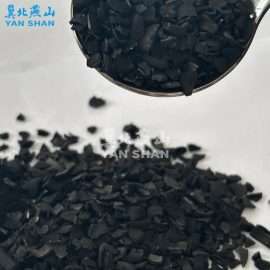

By processing the side flow of circulating amine solution, H ₂ S/CO ₂ and other degradation compounds (such as hydrocarbons and colloids) mixed in the amine solution (ethanolamine, diethanolamine, etc.) during natural gas dehydration and desulfurization process can be removed or reduced. Activated carbon can greatly extend the service life of amines. This ability can be achieved by managing the content of heat stable salts (HSS) formed during the stripping process of the rich amine solution, avoiding salt deposition that may clog pipelines or corrode equipment, thereby protecting other critical equipment such as heat exchangers and pump bodies in the circuit.
Similarly, the purification of ethylene glycol used in the process of gas dehydration (removing solid particles, trace oils, and organic impurities from ethylene glycol) can ensure that ethylene glycol maintains efficient dehydration performance, avoid impurities affecting dehydration efficiency, and reduce the risk of secondary pollution of water or soil by the residual liquid (such as impurity containing wastewater generated after dehydration).
- Minimize the degradation of circulating amine/ethylene glycol inventory to the greatest extent possible (reduce solvent deterioration caused by impurities and lower the frequency of new agent replenishment)
- Remove harmful impurities such as hydrocarbons, colloids, and solid particles from the final regenerated amine/ethylene glycol product to ensure solvent purity
- Protecting process equipment (by controlling the thermal stability salt content, reducing equipment corrosion and blockage, and extending equipment maintenance cycles)
- Maximizing the use of absorbents/process chemicals such as amine solution/ethylene glycol (improving solvent recycling efficiency, reducing procurement and disposal costs)
- Optimize the operation of process equipment (ensure stable dehydration and desulfurization efficiency, and avoid process fluctuations caused by solvent pollution)
Related Products