

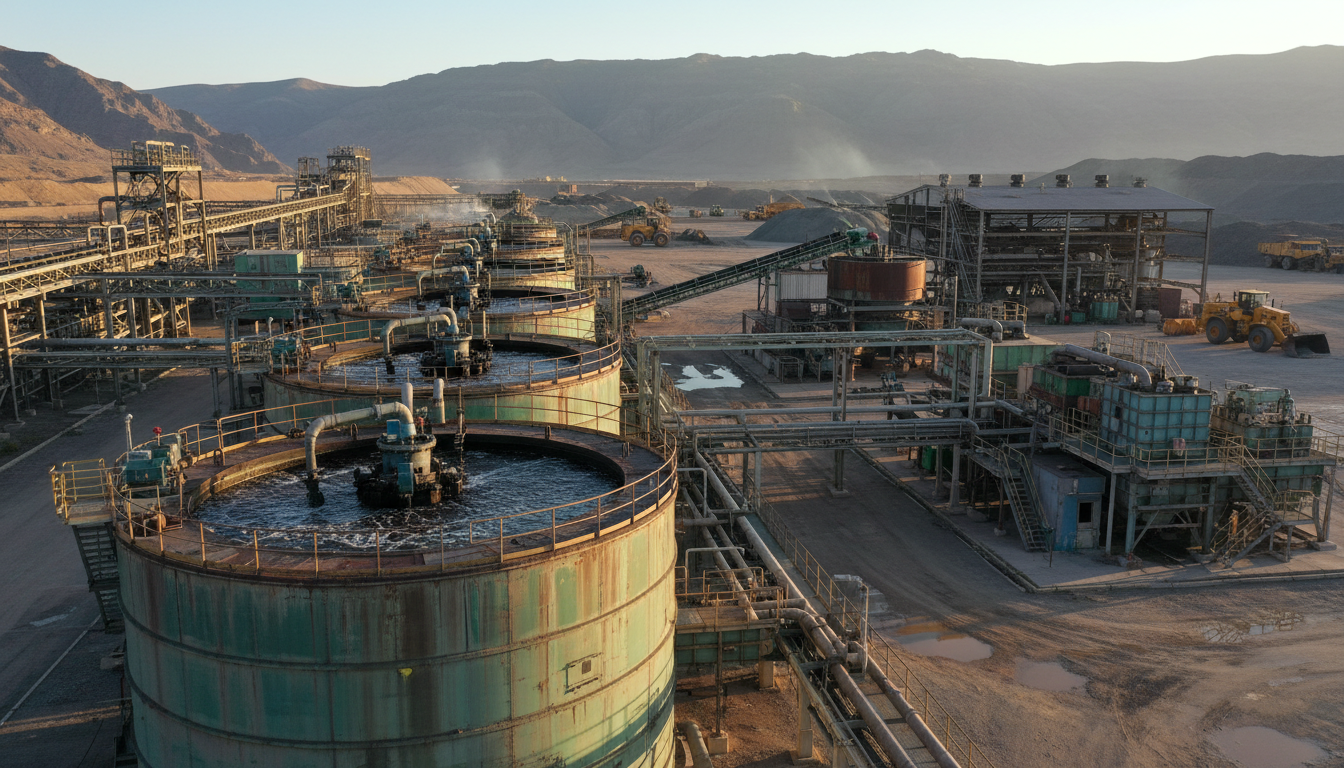
Gold mining operations depend on one thing above all: getting every possible ounce of gold out of the ground. And for most modern mines, that means finding the right activated carbon for your recovery process. But with different types, mesh sizes, and quality specs to consider, how do you know which one fits your operation?
We’ve spent years working with gold mines across different continents, and we’ve learned what actually makes a difference in recovery rates versus what’s just marketing talk. This guide breaks down what you need to know about selecting activated carbon for gold mining—without the technical jargon that makes your eyes glaze over.
Why Coconut Shell Carbon Wins for Gold Recovery
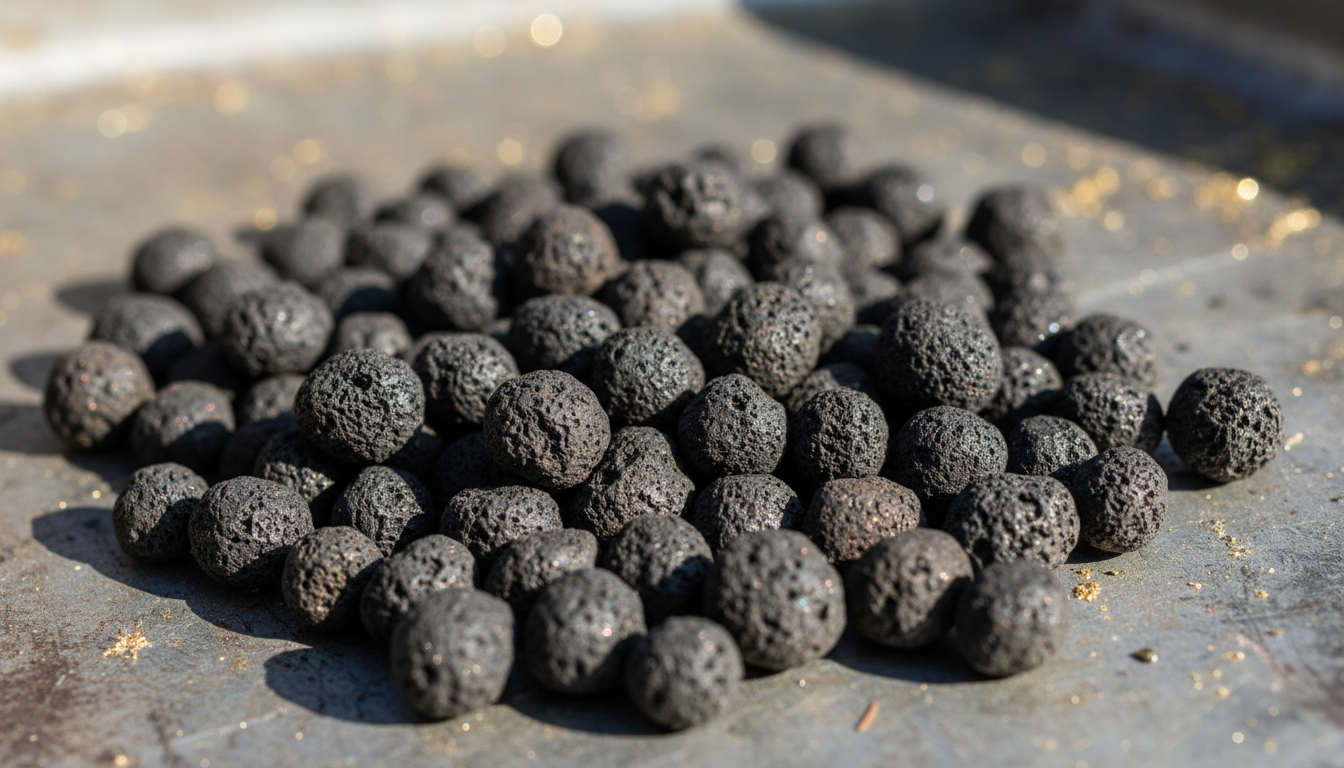
Only coconut shell activated carbon can support applications such as recovery of gold and other precious metals due to its unique physical properties. Here’s why we recommend it for most mining operations.
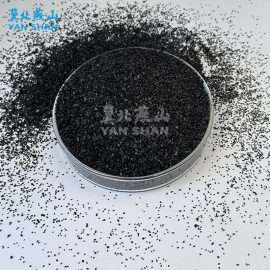
Coconut shell based activated carbon has been found to be the most suitable carbon for this application because it combines hardness with adsorption capacity. Think about what happens in a CIP or CIL tank—carbon particles get constantly agitated, bumped around, and subjected to mechanical stress. Weaker carbons break down into fines, and those fines carry away your gold.
Coconut shell carbon offers very high hardness and is more abrasion resistant than any other type. That means less carbon loss, which directly translates to less gold loss. Our coconut shell activated carbon products are designed specifically with this durability in mind.
Selecting thicker coconut shells with low volatility, low moisture, and high fixed carbon content will produce stronger and thicker activated carbon with lower ash content. The source material matters just as much as the processing.
Getting Your Mesh Size Right
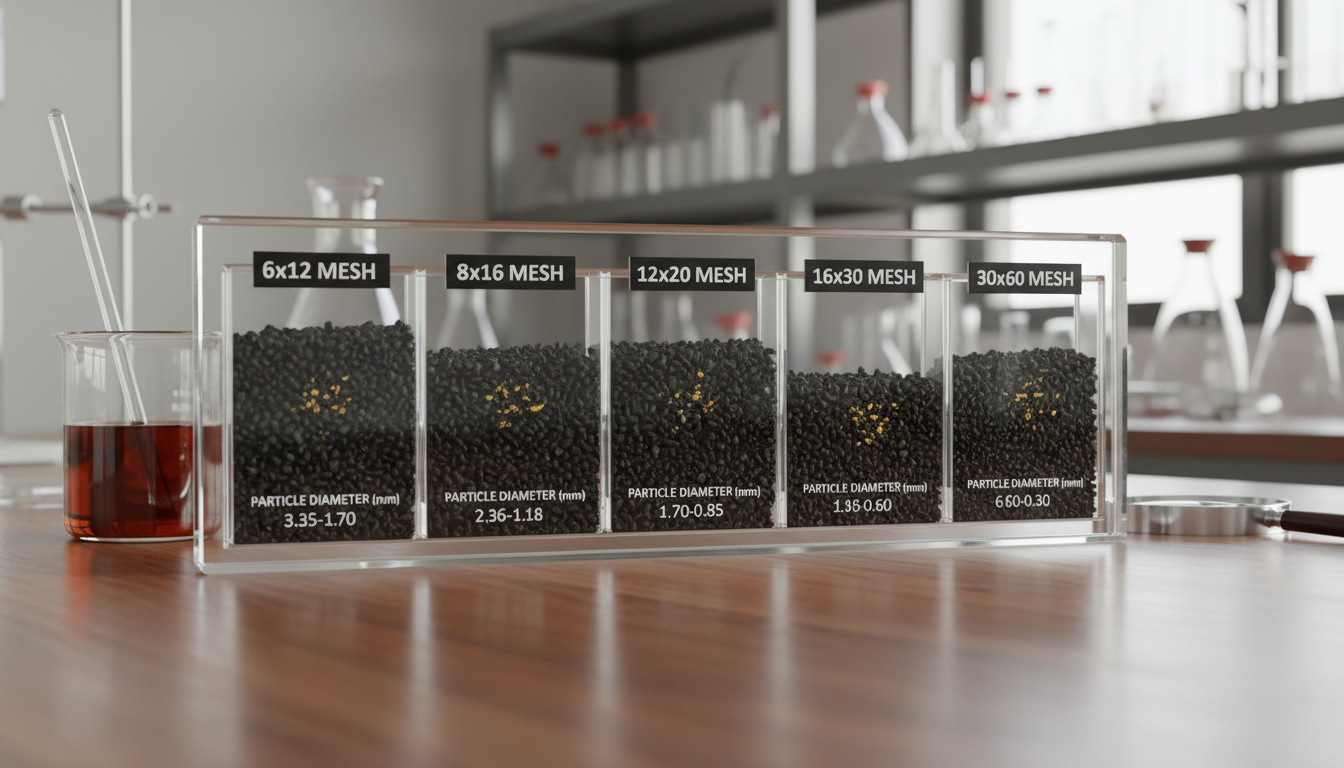
Mesh size isn’t just a number on a spec sheet—it directly affects your gold recovery rate and how smoothly your operation runs.
Commonly activated carbon sizes for gold recovery range from 6-12mesh (1.68 mm ~ 3.36 mm), 8-16mesh (1.19 mm ~ 2.38 mm), and 6-16mesh (1.19 mm ~ 3.36 mm). The most popular? 6×12 mesh, hands down. For gold mining, 6*12mesh coconut shell activated carbon is preferred because this particle size can take into account the adsorption capacity and at the same time has a good adsorption speed.
Smaller particles give you faster adsorption, but they’re harder to separate from slurry and you’ll lose more through screens. Larger particles are easier to handle but slower to adsorb gold. The 6×12 mesh hits the sweet spot for most operations. We offer both coconut shell granular activated carbon and other mesh options depending on your specific process requirements.
Key Performance Specs That Actually Matter

Let’s talk numbers. When you’re evaluating activated carbon suppliers, these are the specs that tell you whether you’re getting quality product or just empty promises.
R-Value and K-Value: The rate of adsorption is also largely affected by both the physical and chemical properties of the activated carbon. The higher the R-value, the faster the rate of gold adsorption. Meanwhile, The higher the K value, the higher the gold adsorption capacity. Look for suppliers who actually test and provide these values—not just iodine numbers.
Hardness/Strength: If the strength of the activated carbon is too low, it will wear down to fine particles, resulting in not only the loss of activated carbon but also the loss of gold. We typically see strength specifications above 95%, with premium grades reaching 98% or higher. Check out our gold recovery carbon specifications for detailed information.
Ash Content: Lower is better. The ash content needs to be strictly controlled (usually less than 3%) to avoid impurities interfering with the adsorption of gold. High ash content means you’re paying for inert material that doesn’t help recovery.
Platelets: Lower Platelets also determines the loss rate of gold, because the strength of the flakes is low. If the overall strength of the supplier’s activated carbon is very high, but if he does not remove the flakes, then his gold loss rate is also high. Make sure your supplier includes a flake removal step.
Matching Carbon Type to Your Process
Not all gold recovery processes need the same carbon. Here’s what works best for each method.
With carbon-in-pulp, the ore is finely ground and the gold is solubilised using a cyanide leach in a series of tanks. Carbon is then added which adsorbs the gold. This method has a high gold recovery percentage. For CIP operations, you want high-strength carbon that can handle aggressive agitation.
Carbon-in-leach combines leaching with the carbon-in-pulp process, creating a single unit process operation. Usually this method is chosen when native carbon (a high organics load) is present in the gold ore. CIL requires similar specs to CIP but may need even better fouling resistance.
For heap leach operations using carbon columns, you can sometimes use slightly lower-grade carbon since mechanical stress is lower. But you’ll sacrifice some recovery efficiency if you go too cheap.
What to Watch Out for When Buying
We’ve seen plenty of mines get burned by cheap carbon that looked good on paper but fell apart in actual use. Here are the red flags.
First, if a supplier won’t provide actual test data on R-values, K-values, and strength—walk away. The critical test for activated carbon is how well it keeps its properties after months of use and reuse.
Second, watch out for inconsistent particle sizing. Some suppliers mix in too many fines or oversized particles to hit weight targets. This messes up your screening and recovery rates.
Third, don’t assume all coconut shell carbon is created equal. Select coconut tree production areas that have grown for more than 5 years. Ensure that the coconut shell thickness reaches 5-8mm. The source material quality makes a huge difference.
Finally, consider the full supply chain. Our modern manufacturing plants provide high-quality activated carbon products for immediate delivery around the world. Can your supplier actually deliver on time? Production delays cost you gold.
Regeneration and Reuse Considerations
Over 100 cycle regenerations possible with very low deterioration of adsorption with cycles performed when you use quality carbon. But not all carbons regenerate equally well.
Need to support 5-10 high temperature (700 ℃) or chemical regeneration cycle, regeneration adsorption rate to maintain more than 80%. If your carbon can’t maintain performance through multiple regeneration cycles, you’re throwing money away.
Look for carbon with stable pore structure that won’t collapse under repeated thermal treatment. The initial cost might be 10-15% higher, but the lifecycle cost is usually 30-40% lower when you factor in regeneration performance.
Conclusion
Choosing the best activated carbon for your gold mine comes down to matching product specs to your specific operation. Coconut shell carbon in 6×12 or 8×16 mesh gives most mines the best balance of adsorption speed, mechanical strength, and operational efficiency. Focus on verified performance data—R-values, K-values, hardness, and ash content—rather than just price per ton.
Work with suppliers who understand gold recovery processes and can provide consistent quality with reliable delivery. The few extra dollars per kilogram you might pay for premium carbon typically pays for itself many times over in higher recovery rates and lower operational headaches.
At Yanshan Carbon, we specialize in activated carbon solutions designed specifically for gold mining applications. Our products undergo rigorous quality control to meet the demanding requirements of CIP, CIL, and CIC processes worldwide.
Frequently Asked Questions
What’s the difference between 6×12 and 8×16 mesh activated carbon for gold recovery?
The 6×12 mesh has larger particles (1.68-3.36mm) compared to 8×16 mesh (1.19-2.38mm). Larger 6×12 mesh offers easier screening and lower carbon loss but slightly slower gold adsorption. The 8×16 mesh adsorbs gold faster due to higher surface area but can be harder to separate from slurry. Most operations use 6×12 as it balances adsorption rate with practical handling considerations.
How many times can gold recovery activated carbon be regenerated?
High-quality coconut shell activated carbon can typically be regenerated 5-10 times while maintaining over 80% of its original adsorption capacity. Some premium grades achieve 100+ regeneration cycles with minimal performance loss. The key is maintaining proper regeneration temperatures (around 700°C) and avoiding thermal shock that damages the pore structure.
Why is coconut shell activated carbon better than coal-based carbon for gold mining?
Coconut shell carbon has significantly higher hardness and abrasion resistance compared to coal-based alternatives, which means less breakdown into fines during the vigorous agitation in CIP/CIL tanks. It also has lower ash content (typically under 3%), better micropore structure for gold adsorption, and can be regenerated more times without losing performance. These factors translate directly into higher gold recovery and lower overall costs.
What R-value and K-value should I look for in gold recovery carbon?
For quality gold recovery carbon, look for R-values above 50% (percentage of gold adsorbed in the first hour from a 10mg Au/L solution) and K-values above 100. Higher values indicate better performance, but the exact requirements depend on your ore characteristics and process conditions. Always ask suppliers for actual test data rather than accepting generic specifications.
How does ash content affect gold recovery performance?
Ash content represents inert impurities in the activated carbon that don’t contribute to gold adsorption. High ash content (above 3-5%) means you’re paying for material that takes up space without helping recovery. It can also interfere with the adsorption process and affect the purity of your final gold product. Lower ash content translates to better efficiency and higher gold loading capacity per unit weight of carbon.