

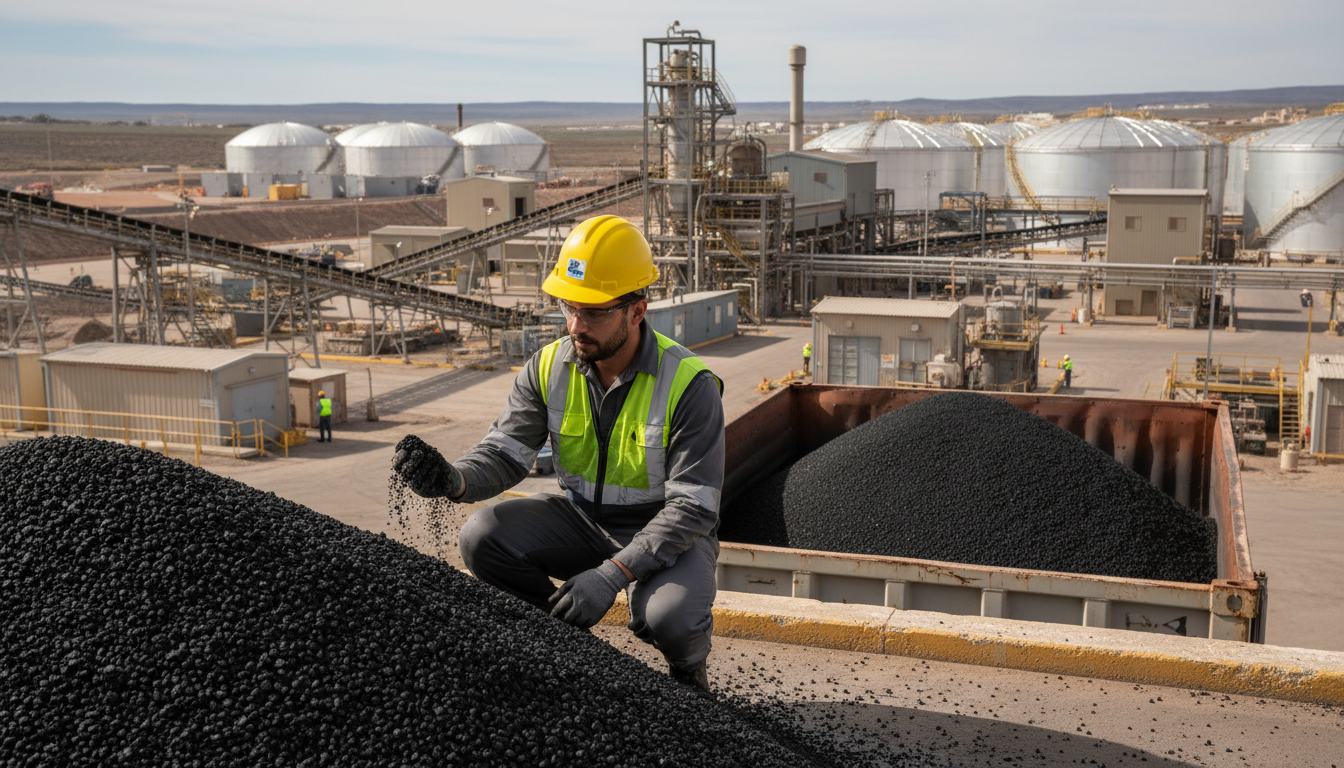
Gold mining operations dealing with large-scale ore processing need a reliable solution to capture dissolved gold from cyanide leach solutions. That’s where bulk gold recovery carbon comes in. We’re talking about activated carbon adsorption, which has been the primary commercial approach to recover gold from cyanide solution since the 1970s. If you’re running a mining operation or exploring ways to boost your recovery rates, understanding what makes quality carbon tick can save you thousands in lost gold.
Bulk purchases make sense when you’re processing tons of ore daily. But not all carbon performs equally, and picking the wrong type can mean watching your profits literally flow down the drain with unrecovered gold.
What Makes Carbon Effective for Gold Recovery
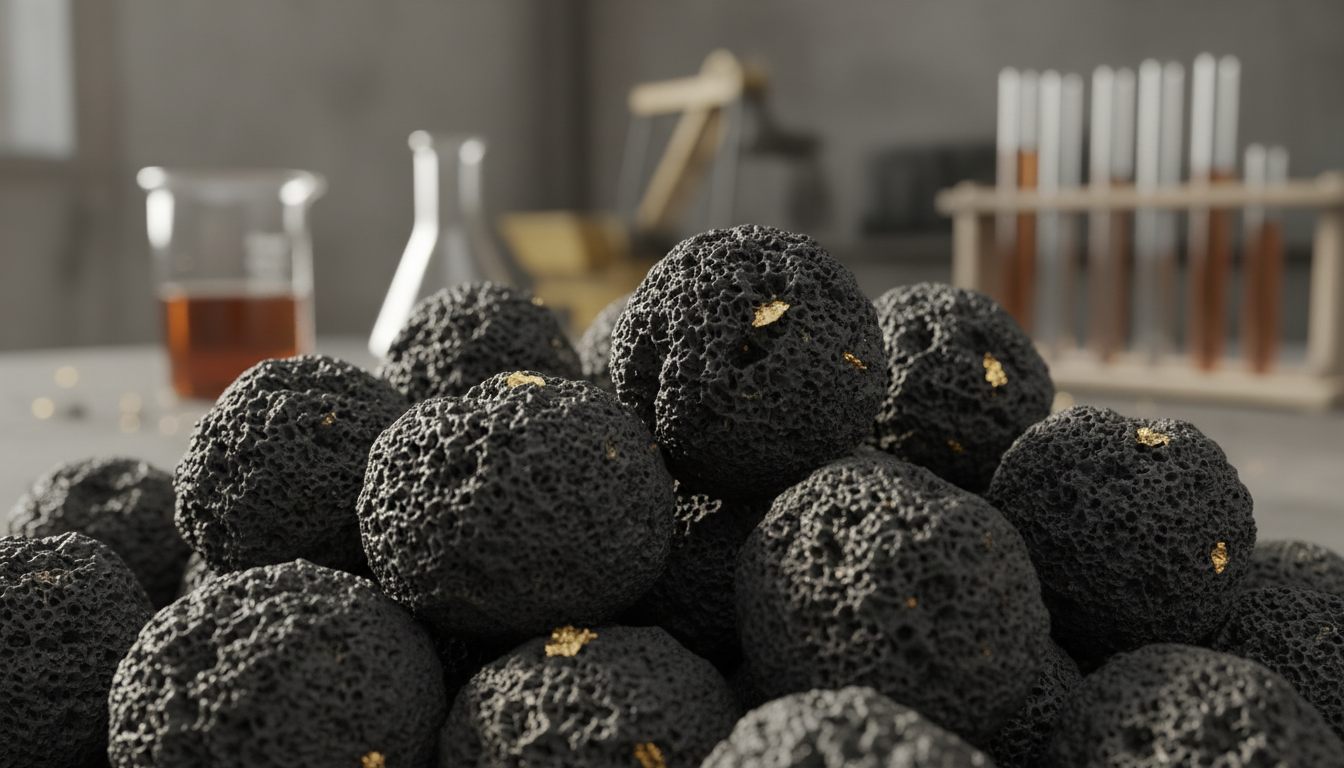
The high specific surface area and porosity, good affinity to aurocyanide ions, and abundant resources make activated carbon an efficient and economical material for the adsorption of aurocyanide. Think of it like a microscopic sponge with millions of tiny pockets—each one ready to grab and hold onto gold molecules.
In processes called carbon-in-pulp (CIP) or carbon-in-leach (CIL), finely ground ore is mixed with a cyanide solution to dissolve the gold, and the resulting solution is then passed through a bed of activated carbon, which traps the gold particles. The carbon doesn’t just float around randomly—it actively pulls gold cyanide complexes out of solution through adsorption.
What separates good carbon from mediocre stuff? Surface area matters most. More surface area means more spots for gold to stick. We also look at pore structure, hardness, and how well the carbon holds up through multiple regeneration cycles. A carbon that breaks down quickly means you’re losing both the carbon and the gold stuck to those broken pieces.
Types of Carbon Used in Bulk Gold Operations
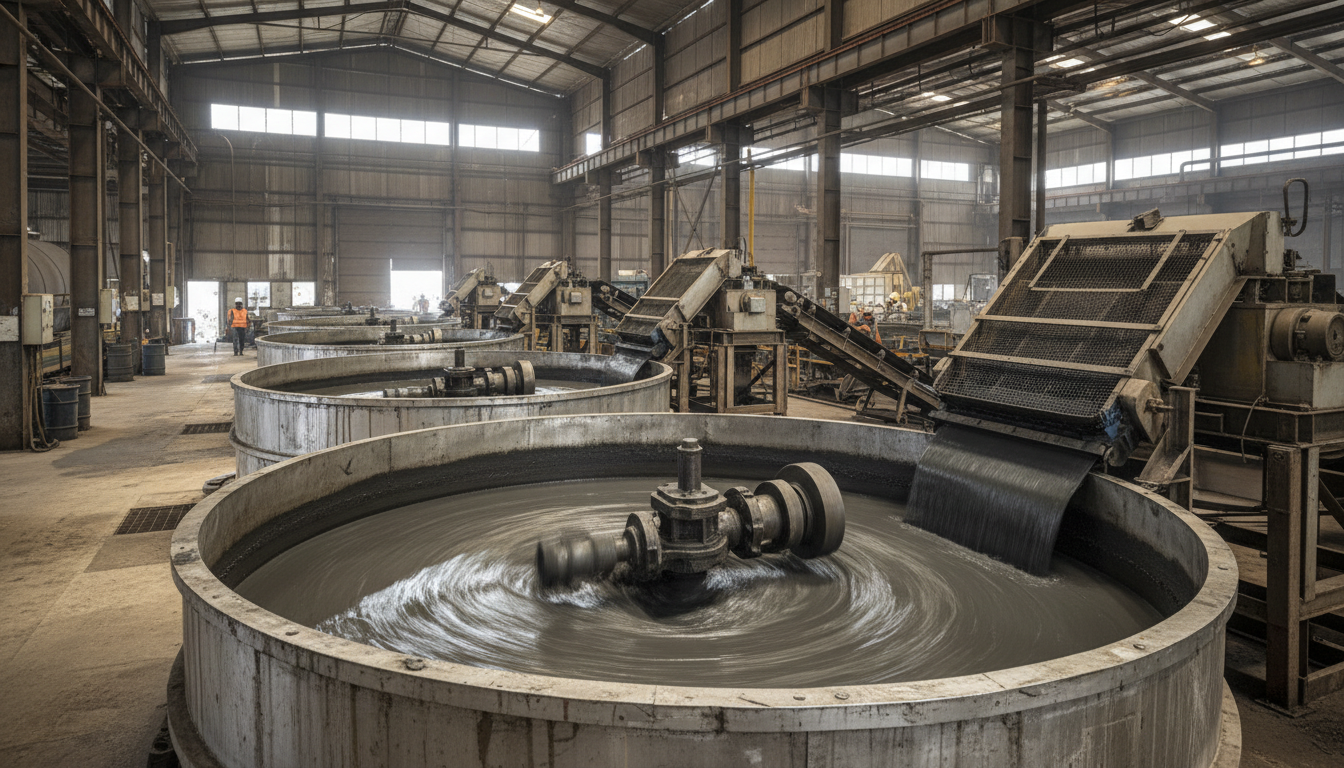
When you’re buying in bulk, you’ll typically choose between three main types: coconut shell, coal-based, or wood-based activated carbon. Each has different strengths.
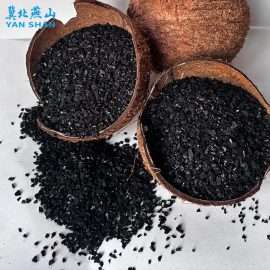
Coconut shell-based carbon has a high density of micropores which makes it exceptionally adept at adsorbing small molecules, and is particularly effective in purifying air by removing small-sized contaminants. For gold mining specifically, coconut shell-based activated carbon is preferred for gold recovery due to its hardness, low dust content, and high adsorption capacity, providing longer service life and better gold recovery efficiency.
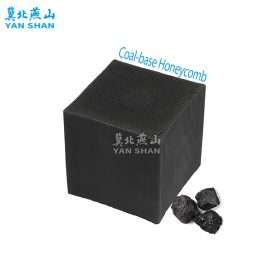
Coconut shell activated carbon stands out in the gold industry because it handles the rough conditions of CIP and CIL circuits better. Coal-based carbon is produced from bituminous, sub-bituminous, or lignite coal and is known for its high carbon content and hardness, as well as its predominantly mesoporous structure, making it suitable for adsorbing medium to large molecules and best for applications such as gas phase adsorption, decolorization, and the removal of heavy metals from water.
Coal-based activated carbon might work in some applications, but coconut shell typically wins for gold because of superior micropore density. We’ve also seen operations use wood powder activated carbon in specialized situations, though it’s less common for bulk gold recovery.
How the Adsorption Process Works
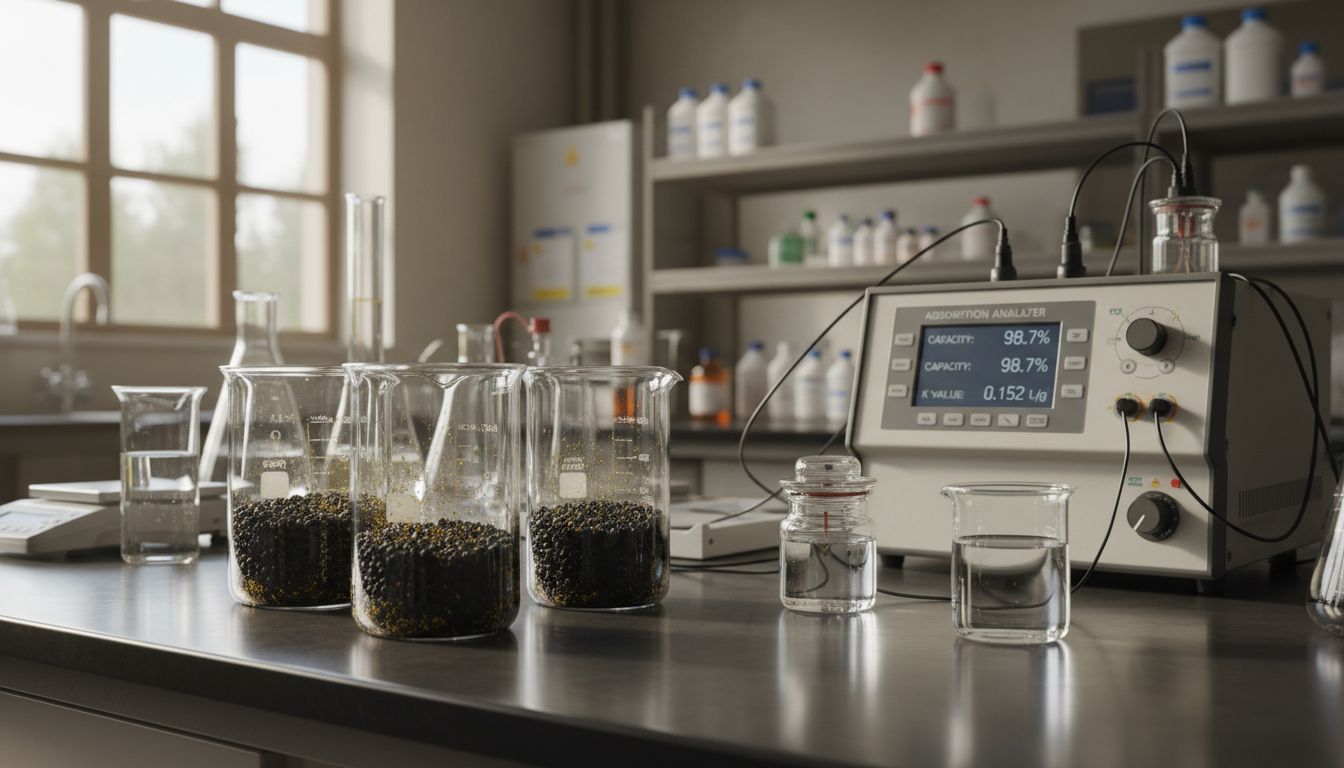
Here’s what happens in your tanks: Cyanide is a lixiviant used to leach gold from a solid matrix and form a gold cyanide complex, which is then extracted from the pulp or slurry by adsorption onto activated carbon. The process isn’t instant—it takes time for gold molecules to move through the solution and find their way into carbon pores.
CIL stands for carbon-in-leach, a gold extraction process where carbon is added to the leach tanks so that leaching and adsorption take place in the same tanks. The carbon-in-pulp (CIP) process first performs cyanide leaching, and then adds activated carbon to the slurry to adsorb gold, while the carbon-in-leach (CIL) process adds activated carbon to the leaching tank, and leaching and adsorption are carried out simultaneously.
Both methods work, but CIL can be faster because you’re not waiting around for leaching to finish before starting adsorption. As carbon moves up the train, it loads to higher and higher concentrations of gold as it comes in contact with higher grade solutions, with concentrations as high as 4000 to 8000 grams of gold per tonne of carbon typically achieved on the final loaded carbon.
The loaded carbon then goes through elution (stripping the gold off) and electrowinning (depositing pure gold). After that, the carbon gets regenerated and goes back into the circuit for another round.
Key Properties to Look For
When you’re ordering bulk carbon, don’t just look at price per ton. Check these specs:
Hardness and attrition resistance: For gold recovery circuits, it is essential that the activated carbon provides excellent process performance, minimal attrition loss and minimal maintenance problems. Soft carbon breaks apart, creating fines that slip through screens and take your gold with them.
Particle size: Commonly activated carbon sizes for gold recovery range from 6-12 mesh (1.68 mm ~ 3.36 mm), 8-16 mesh (1.19 mm ~ 2.38 mm), and 6-16 mesh (1.19 mm ~ 3.36 mm). The size needs to balance two things—small enough for fast adsorption, large enough that you can screen it out of the slurry easily.
K-value (loading capacity): The adsorptive capacity of activated carbon refers to how much the activated carbon can adsorb, and the higher the K value, the higher the gold adsorption capacity. Higher K-value means each ton of carbon can hold more gold before it’s maxed out.
Ash content: Lower is better. High ash means impurities that don’t help with adsorption and just add weight.
Moisture content: Affects your actual carbon weight and storage.
When buying bulk, ask suppliers for test certificates showing these properties. Reputable suppliers will provide them without hesitation.
Comparing Carbon Sources
Let’s break down the real differences:
| Property | Coconut Shell Carbon | Coal-Based Carbon |
|---|---|---|
| Micropore density | Very high | Moderate |
| Hardness | Excellent | Good |
| Renewable | Yes | No |
| Cost | Higher | Lower |
| Gold recovery efficiency | Superior | Good |
| Dust generation | Lower | Higher |
| Typical lifespan | Longer | Shorter |
The raw material cost of coconut shell activated carbon is the highest, followed by coal mines, and lastly wood. But here’s the thing—that higher upfront cost often pays for itself. Compared to other types of activated carbon, coconut shell activated carbon has a larger surface area and higher micropore density, with a high pore volume and micropores that are 50% more than those of coal-based activated carbon.
That extra adsorption capacity means you need less carbon to do the same job, or you get better recovery rates with the same amount. We’ve seen operations switch from coal-based to coconut shell and immediately notice improvements in gold loading and reduced carbon losses from attrition.
Coconut shells are a renewable resource, with the shells being a byproduct of the coconut industry, making coconut shell-based activated carbon a more sustainable choice as it utilizes waste materials and does not contribute to mining-related environmental degradation. If environmental impact matters to your operation—and it should—that’s another point in coconut shell’s favor.
Best Practices for Bulk Applications
Buying in bulk isn’t just about getting a better price per ton. It’s about consistency and supply chain reliability.
Test before you commit: Get samples from multiple batches. Run them in your circuit or lab tests. Make sure the carbon performs consistently across different production runs.
Storage matters: Keep bulk carbon dry and protected from contaminants. Moisture pickup can affect performance and add weight you’re paying for.
Monitor your carbon inventory: The critical test for activated carbon is how well it keeps its properties after months of use and reuse, and by using the most durable coconut feedstock to withstand the rigorous carbonization and activation process, quality activated carbon for gold extraction can be consistently manufactured. Track how many cycles your carbon goes through before performance drops.
Work with reliable suppliers: Look for suppliers who understand gold mining applications. Generic activated carbon sellers might not grasp the specific demands of CIP/CIL circuits. We recommend checking if suppliers have experience with mining operations and can provide technical support.
Consider total cost of ownership: Cheaper carbon that wears out faster or recovers less gold will cost you more in the long run. Calculate based on gold recovered per dollar spent on carbon, not just carbon cost per ton.
Quality control: Every bulk shipment should come with certificates of analysis. Don’t skip checking incoming carbon quality—variations can mess up your whole circuit performance.
Conclusion
Bulk gold recovery carbon isn’t a one-size-fits-all product. The carbon you choose directly affects how much gold you recover, how often you need to replace carbon, and ultimately your operation’s profitability. Coconut shell activated carbon typically outperforms coal-based alternatives in gold mining applications, offering better adsorption, longer life, and superior hardness despite the higher initial cost.
Whether you’re running CIP or CIL circuits, focus on key properties like hardness, particle size, K-value, and micropore structure. Test before you buy in bulk, work with knowledgeable suppliers, and track your carbon performance over time. The right carbon choice can mean the difference between 95% recovery and 98% recovery—and at scale, those percentage points translate to real money.
Make your carbon selection based on performance data, not just price tags. Your bottom line will thank you.
Frequently Asked Questions
What’s the difference between CIP and CIL in gold recovery?
CIP (carbon-in-pulp) first leaches gold with cyanide, then adds activated carbon to adsorb the dissolved gold in separate tanks. CIL (carbon-in-leach) adds carbon directly to the leaching tanks so both processes happen simultaneously. CIL is often faster but requires higher quality carbon since it’s exposed to harsher conditions from the start. Both methods use bulk activated carbon to pull gold from solution, just at different process stages.
How many times can you regenerate activated carbon for gold recovery?
Quality coconut shell carbon can typically be regenerated and reused dozens of times—sometimes 100+ cycles in well-managed operations. Each regeneration cycle involves thermal reactivation at high temperatures to burn off the captured gold and organic impurities. Performance gradually declines with each cycle as the carbon loses hardness and some pore structure. Most operations track carbon performance and retire batches when gold loading capacity or attrition resistance drops below acceptable thresholds.
Why is coconut shell carbon better than coal-based carbon for gold mining?
Coconut shell carbon has about 50% more micropores than coal-based carbon, which are perfect for capturing the small gold-cyanide complexes. It’s also harder and more resistant to breaking down in the aggressive mixing and pumping conditions of CIP/CIL circuits. While coal-based carbon costs less upfront, coconut shell typically delivers better gold recovery rates, generates less dust, and lasts longer through regeneration cycles, making it more cost-effective over time.
What particle size works best for bulk gold recovery operations?
Most gold recovery circuits use 6×12 mesh (1.68-3.36 mm) or 8×16 mesh (1.19-2.38 mm) granular carbon. Smaller particles adsorb gold faster because they have more surface area exposed, but they’re harder to screen out from the ore slurry, leading to carbon losses. Larger particles are easier to retain but adsorb more slowly. The 6×12 and 8×16 mesh ranges hit the sweet spot between adsorption speed and screening efficiency for most operations.
How do you calculate the right amount of bulk carbon to order?
Start with your ore throughput, expected gold concentration, and circuit design (number of tanks, retention time). Most operations maintain a working inventory of carbon in the circuit plus backup stock for 2-3 months. Factor in carbon losses from attrition (typically 1-5% per cycle) and the regeneration schedule. Talk to your carbon supplier with your circuit specs—they can help estimate monthly consumption. Always order conservatively at first and adjust based on actual consumption rates once your operation stabilizes.