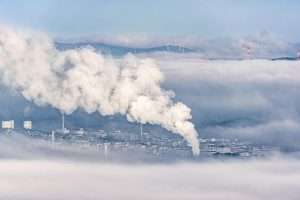
Acid and alkali gases in the gas stream
The core function of activated carbon in treating acidic and alkaline gases in gas streams is to efficiently
Activated carbon is widely recognized as an efficient and reliable solution in the field of air and gas purification. This unique microcrystalline carbon material has a highly developed internal pore structure and a huge specific surface area, enabling it to efficiently capture and lock pollutants at the molecular level.
With its excellent adsorption performance, activated carbon can effectively eliminate volatile organic compounds, harmful gases, smoke, and odors in industrial waste gas, creating a cleaner and safer working environment for enterprises and helping them meet strict environmental regulations. In industries such as petrochemicals, pharmaceuticals, coatings, plastics, and chemical production, it is widely used for solvent adsorption recovery and waste gas treatment.
Compared with other technologies, activated carbon systems have outstanding advantages such as instant response, small footprint, and strong adaptability to concentration fluctuations, making them an economical and efficient choice for dealing with intermittent emissions or variable load conditions.

The core function of activated carbon in treating acidic and alkaline gases in gas streams is to efficiently
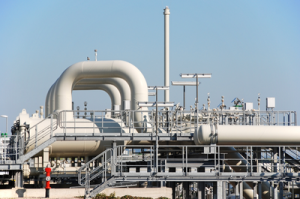
The core of using activated carbon for natural gas desulfurization is to utilize its porous structure to adsorb
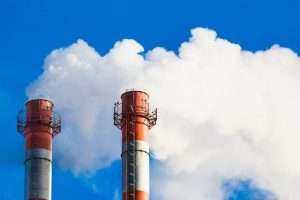
In the field of industrial waste gas purification, activated carbon plays a key role as an “environmental cleaner”
Activated carbon mainly relies on its highly developed pore structure to provide a huge specific surface area for