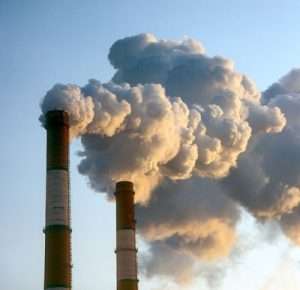
Energy recovery
Working principle: In the process of energy recovery, such as coal combustion for power generation, coal often contains
Activated carbon, as a key medium in flue gas purification systems, plays an irreplaceable role in end of pipe treatment due to its unparalleled adsorption capacity. Its huge specific surface area and rich pore structure enable efficient targeted capture of gaseous pollutants in flue gas through the synergistic mechanism of physical adsorption and chemical adsorption. Activated carbon can achieve deep purification and reliable removal of complex volatile organic compounds (VOCs) and odorous substances in industrial waste gas, as well as highly toxic dioxins and volatile heavy metal mercury (Hg) generated from hazardous waste incineration. As the last solid line of defense to ensure compliance with smoke emission standards, it not only ensures environmental compliance, but also has crucial strategic significance in safeguarding environmental safety and public health.

Working principle: In the process of energy recovery, such as coal combustion for power generation, coal often contains
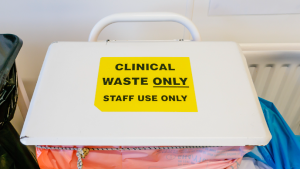
Principle of action: Clinical waste may contain discarded drugs, disposable medical equipment, patient pollutants, etc. Burning it will
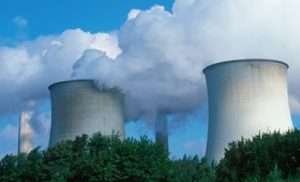
In the final treatment stage of hazardous waste incineration disposal, activated carbon adsorption technology constitutes the ultimate defense