PFOA and PFOS
The persistence and bioaccumulation of perfluorinated chemicals (PFCs) like PFOA and PFOS pose a significant threat to drinking
In our daily lives, whether it is drinking tap water or recycled water in industrial production, there may be colors, odors, and various dissolved organic pollutants present. These substances not only affect the taste and appearance of water, but at a deeper level, may pose potential threats to our health and environment.
Activated carbon is a crucial and indispensable pretreatment unit in the process of pure water preparation. Its application is directly related to the performance, lifespan, and final water quality of precision processing equipment such as reverse osmosis membranes and ion exchange resins. It is not ordinary charcoal, but a “super sponge” with countless micron sized pore structures processed by special techniques. These pores constitute a huge specific surface area, and the unfolded area of one gram of activated carbon can even exceed a football field! It is this unique structure that gives activated carbon strong adsorption capacity.

The persistence and bioaccumulation of perfluorinated chemicals (PFCs) like PFOA and PFOS pose a significant threat to drinking
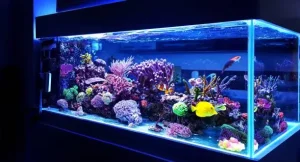
Fish tanks, aquariums, and ponds must maintain extremely high water quality standards, which are the basic guarantee for

In public places like swimming pools, water bodies are prone to pollution, so maintaining low levels of chemicals
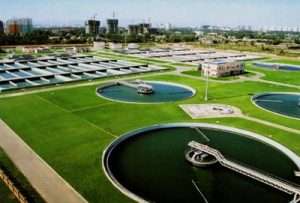
Wastewater is the waste water discharged by people in daily life. The pollutants in sewage are more diverse,
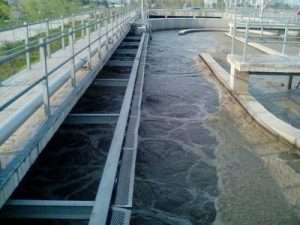
In the field of industrial wastewater treatment, activated carbon plays a key role in “deep purification” and “final
In pure water systems, activated carbon mainly relies on its large specific surface area and strong adsorption capacity