

Gold recovery operations depend on one thing: quality activated carbon. And when it comes to producing activated carbon specifically designed for gold extraction, China’s manufacturing advantages are hard to beat. We’re seeing more mining companies turn to Chinese factories not just because of price, but because of the unique benefits that come from our location, resources, and decades of production experience.
Let’s talk about what makes China such a powerhouse in gold activated carbon manufacturing and how these origin advantages translate to better results for your mining operation.
Why China Dominates Gold Activated Carbon Production
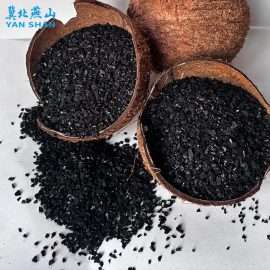
China has become the world’s leading producer of activated carbon, and there are solid reasons behind this. We have direct access to high-quality raw materials—coconut shells from Southeast Asia arrive at our ports quickly and cheaply. Coal deposits in northern China provide another rich source for activated carbon production.
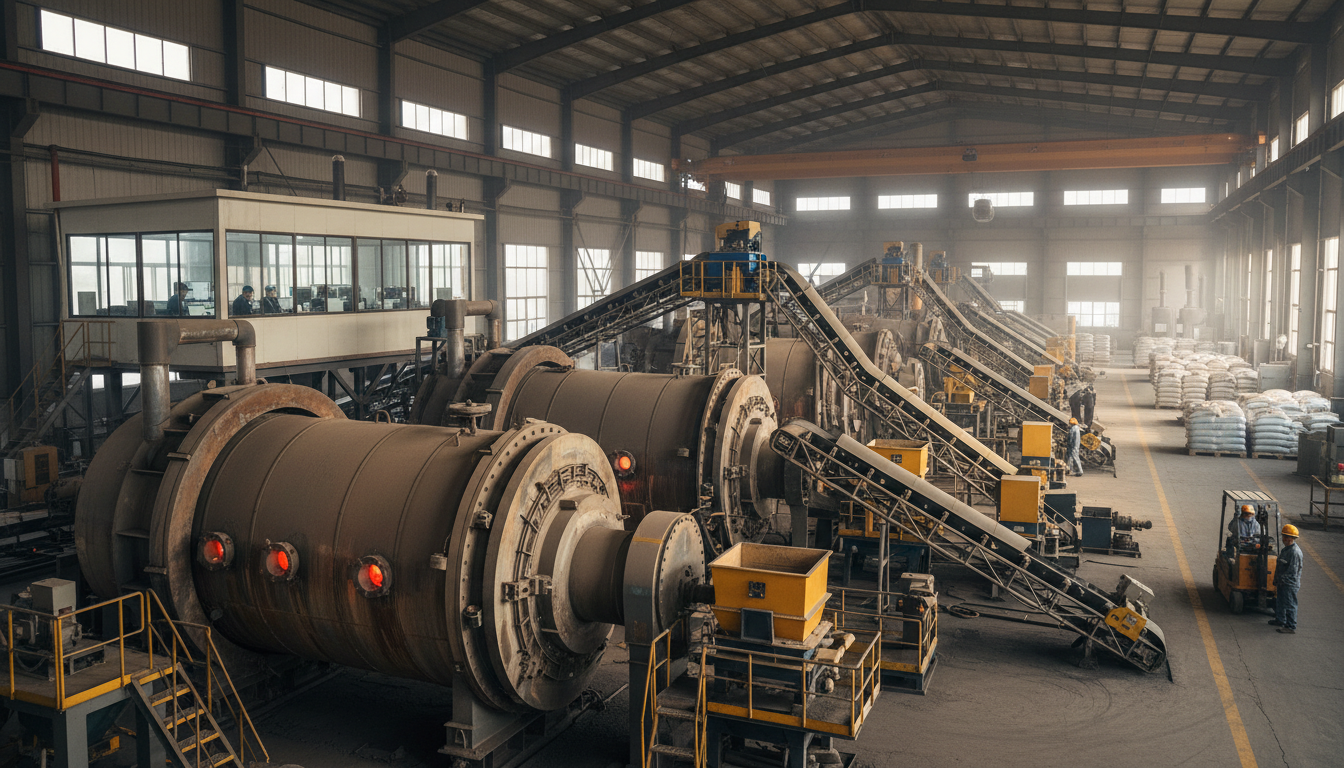
But it’s not just about materials. We’ve built sophisticated production facilities that rival anything you’ll find elsewhere. Many Chinese factories now operate state-of-the-art carbonization and activation furnaces that run 24/7, giving us production capacity that smaller operations simply can’t match. When you need 50 tons of gold-grade activated carbon delivered in 3 weeks, we can make it happen.
Raw Material Access: A Game-Changer

Here’s something people don’t talk about enough: location matters. China’s position in Asia gives us unmatched access to premium coconut shells—the best raw material for gold recovery activated carbon. Southeast Asian suppliers ship to Chinese ports in days, not weeks.
This matters because coconut shell activated carbon works better for gold extraction than other types. The material creates that tight pore structure and exceptional hardness needed for CIP (Carbon-in-Pulp) and CIL (Carbon-in-Leach) processes. Fresh, quality coconut shells mean stronger activated carbon with better gold adsorption rates.
We also produce coconut shell activated carbon in both granular and powdered forms, giving gold mines flexibility in their processes. The proximity to raw materials keeps our production consistent and our prices competitive.
Cost Advantages Without Compromising Quality
Let’s be honest—budget matters. Chinese factories can produce high-quality gold activated carbon at 20-40% lower costs than Western manufacturers. But we’re not talking about cheap knockoffs here.
The cost savings come from economies of scale and lower operational expenses, not from cutting corners. Many Chinese activated carbon factories process thousands of tons monthly. This volume allows us to invest in better equipment, more rigorous testing, and still offer competitive pricing.
You’ll find options like coal-based activated carbon and specialty products at prices that make sense for your bottom line. The savings add up fast when you’re processing tons of ore monthly.
Technical Expertise and Innovation
Chinese manufacturers have been perfecting activated carbon production for over 30 years. That’s three decades of learning what works in gold recovery and what doesn’t. We’ve refined our carbonization processes, optimized activation temperatures, and developed quality control methods that catch problems before they reach your mine.
Many factories now partner with universities and research institutes. These collaborations lead to better products—activated carbon with iodine values exceeding 1100mg/g, hardness numbers above 95%, and attrition rates below 4%. These specs aren’t accidents; they’re the result of continuous improvement and serious R&D investment.
Quality Control You Can Count On
Skeptical about Chinese quality? We get it. But here’s what modern Chinese activated carbon factories actually do:
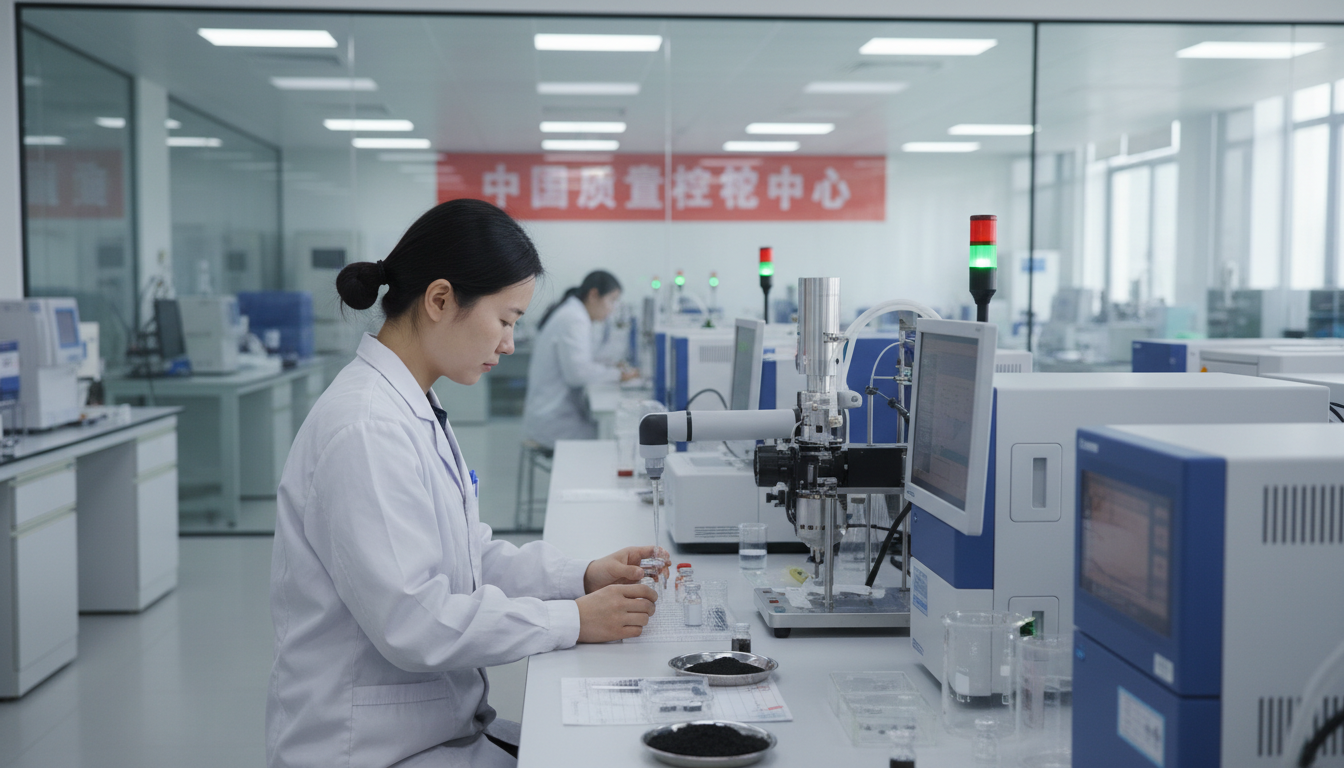
Batch testing: Every production run gets tested for hardness, particle size distribution, moisture content, and adsorption capacity. We’re talking about multiple tests per batch, not random sampling.
International certifications: Top Chinese factories hold ISO certifications and meet ASTM standards. Some even maintain NSF and HALAL certifications for clients who need them.
Third-party verification: Many operations welcome SGS testing and other independent audits. The data speaks for itself.
When your gold recovery depends on activated carbon performance, you need suppliers who take quality seriously. Chinese factories serving international markets understand this and have built systems to prove it.
Supply Chain Reliability
Gold mines can’t afford production delays because activated carbon shipments are late. Chinese manufacturers have solved this through massive inventory capacity and established logistics networks.
Large warehouses near production facilities mean we stock popular grades ready for immediate shipping. International shipping routes from Chinese ports are well-established and frequent. You’re looking at 2-4 week delivery times to most global locations, sometimes faster.
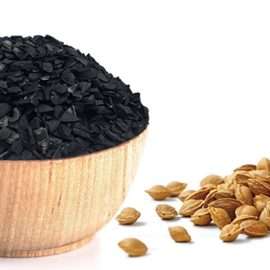
Plus, if you need customized specifications—maybe you want apricot shell activated carbon for a specific application—Chinese factories have the flexibility to produce custom batches without massive minimum orders.
Environmental Standards Are Rising
Concerned about environmental practices? Modern Chinese activated carbon factories are implementing cleaner production methods. New regulations push manufacturers toward better waste management, energy recovery, and emission controls.
Many facilities now recycle steam from activation processes, capture and treat wastewater, and use cleaner burning fuels. The industry is moving forward, driven by both regulation and customer demand for responsibly produced materials.
Conclusion
China’s advantages in gold activated carbon manufacturing come down to three things: access to quality raw materials, production scale that drives efficiency, and decades of specialized experience. These aren’t just talking points—they translate to activated carbon that performs reliably in your gold recovery circuits while keeping costs manageable.
We’ve built an industry that serves mining operations worldwide, from small-scale processors to major gold producers. The combination of competitive pricing, consistent quality, and reliable supply chains makes Chinese gold activated carbon factories the practical choice for operations that need results.
Your gold recovery rate depends on the activated carbon you choose. Make sure you’re working with manufacturers who understand what’s at stake and have the capabilities to deliver.
Frequently Asked Questions
Q: Is gold activated carbon from China as effective as Western-made products?
A: Yes, when sourced from reputable manufacturers. Chinese factories produce activated carbon meeting the same ASTM standards as Western manufacturers. The key is choosing suppliers with proper certifications, testing protocols, and proven track records in gold recovery applications. Many major mining companies worldwide use Chinese-made activated carbon successfully.
Q: What mesh sizes are best for gold recovery, and can Chinese factories provide them?
A: The most common sizes for gold recovery are 6×12 mesh and 8×16 mesh granular activated carbon. Chinese factories routinely produce these specifications and can customize particle sizes based on your CIP, CIL, or CIC process requirements. Most manufacturers offer flexibility in sizing without significant price increases.
Q: How long does activated carbon from Chinese factories last in gold recovery circuits?
A: High-quality coconut shell activated carbon from Chinese manufacturers typically withstands 8-12 regeneration cycles before performance degrades significantly. Actual lifespan depends on your ore characteristics, cyanide concentrations, and elution processes. Look for products with attrition rates below 5% and hardness numbers above 90% for best durability.
Q: Can I get technical support from Chinese activated carbon suppliers?
A: Most established Chinese manufacturers provide technical support including product selection guidance, application advice, and troubleshooting assistance. Many factories employ engineers with gold recovery experience and can recommend optimal activated carbon grades based on your specific ore type and processing conditions. English-language support is standard for export-focused companies.
Q: What certifications should I look for when buying gold activated carbon from China?
A: Using ISO 9001 quality management system certification as a benchmark. For gold recycling applications, compliance with GB/T standards is crucial. Before committing to large orders, it is required to provide batch specific test data, including iodine value, hardness, particle size distribution, and moisture content.