

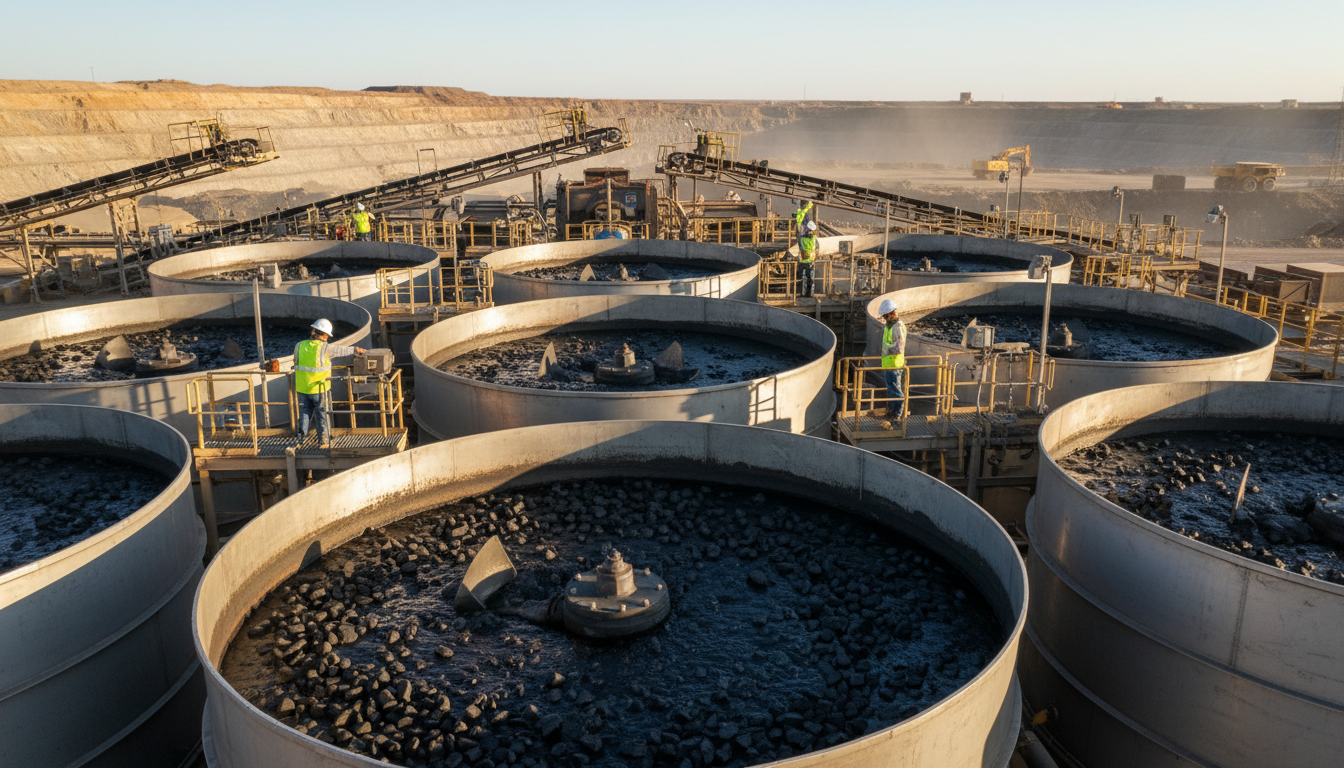
Gold recovery operations depend on choosing the right materials. When it comes to extracting gold from cyanide solutions, coconut shell granular activated carbon is used for adsorption of the gold-cyanide complex in carbon-in-pulp (CIP) and carbon-in-leach (CIL) systems. We’ve seen mining operations boost their recovery rates by switching to this specialized material.
At Yanshan Carbon, we supply high-quality coconut shell activated carbon designed for the demanding conditions of modern gold mining. Our products help operations worldwide maximize gold extraction while reducing operational losses.
How Activated Carbon Captures Gold

Activated carbon acts like a sponge to dicyanoaurate, the main soluble gold species in gold extraction technologies. During the cyanidation process, gold dissolves in cyanide solutions and forms a gold-cyanide complex. The carbon then adsorbs these complexes from the slurry.
As it moves up the train, the carbon loads to higher and higher concentrations of gold. Typically concentrations as high as 4000 to 8000 grams of gold per tonne of carbon can be achieved on the final loaded carbon. This loading capacity directly impacts recovery efficiency and profitability.
The process relies on the carbon’s porous structure. This intricate network of pores provides an immense surface area, ideal for adsorbing gold cyanide complexes from ore slurries. After loading, the gold can be stripped from the carbon and recovered through electrowinning.
Three Main Gold Recovery Processes
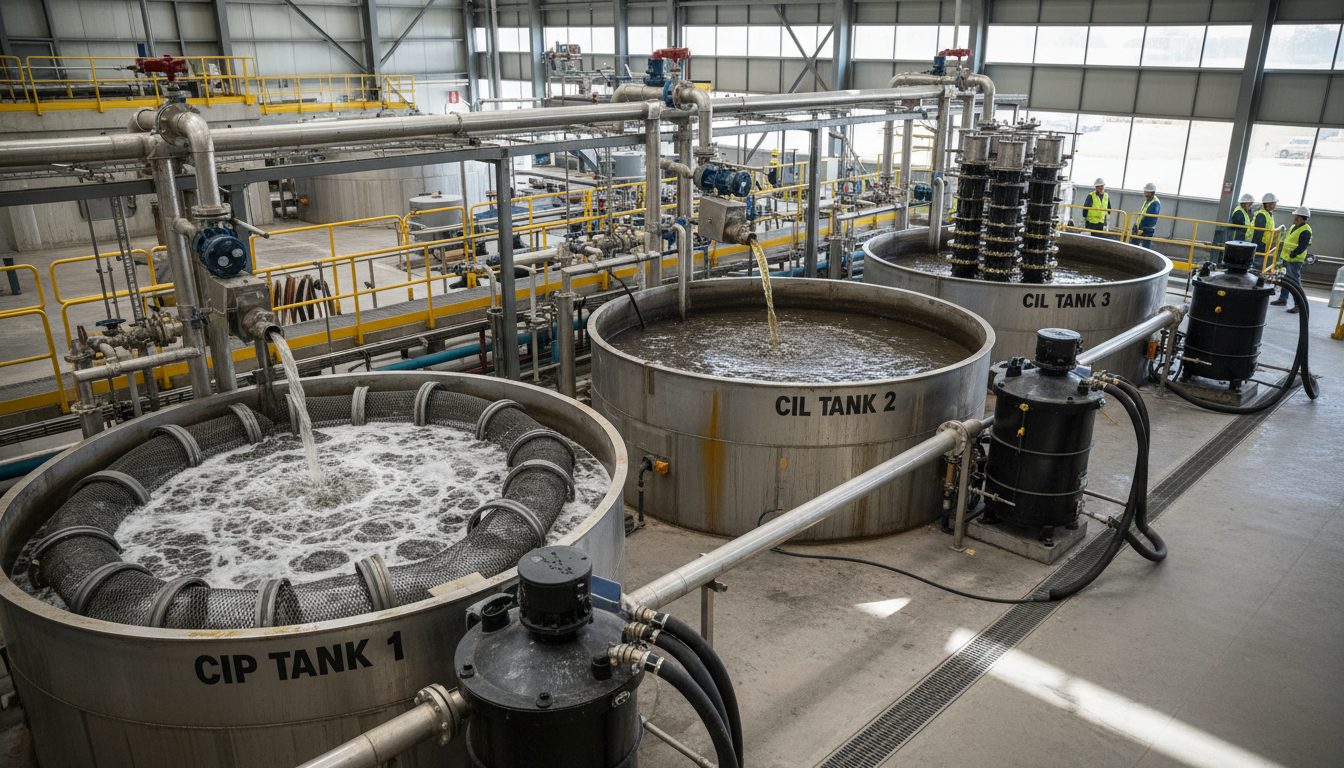
CIP (Carbon in Pulp): Gold pulp is mixed with sodium cyanide, then is contacted with activated carbon in a series of large agitated adsorption tanks. Leaching happens first, then adsorption follows in separate tanks.
CIL (Carbon in Leach): The carbon-in-leach process is to add activated carbon to the leaching tank, and leaching and adsorption are carried out simultaneously. This method works well for ores containing natural carbon that might steal gold.
CIC (Carbon in Column): Dilute cyanide solution percolate over a heap of crushed ores and is then pumped through activated carbon columns. This suits heap leaching operations and treating low-concentration gold solutions.
Each process has different requirements. CIP is suitable for situations where high adsorption efficiency is required and low-grade ores are treated. CIL is suitable for carbon-containing ores and situations where the process needs to be simplified. CIC is suitable for treating low-concentration gold solutions and tailings reprocessing.
Why Coconut Shell Carbon Wins for Gold Mining
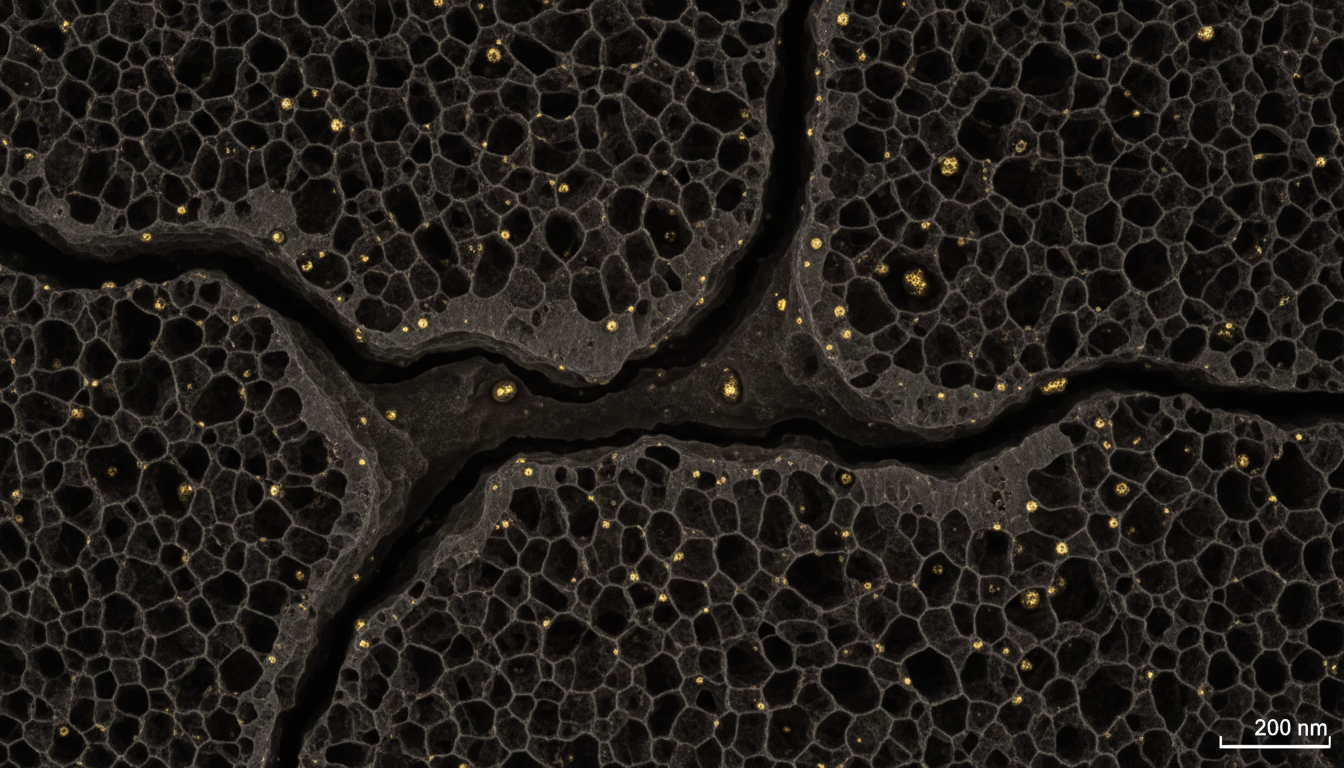
Not all activated carbon works the same in gold recovery. Coconut shell activated carbon has emerged as a leading choice, particularly for its unique combination of purity, mechanical strength, and exceptional adsorption capabilities.
Hardness and durability: In the turbulent environments of CIP and CIL processes, where carbon particles are constantly agitated, attrition can lead to fines generation. These fines not only represent a loss of the valuable activated carbon but also a loss of the adsorbed gold. Coconut shell carbon resists this breakdown better than alternatives.
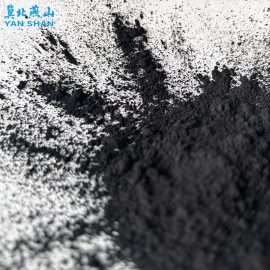
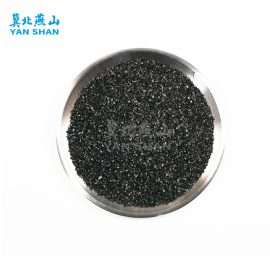
Microporous structure: As most of its pore structure consists of micropores (more than 80%), coconut shell carbon can efficiently absorb impurities with micropore molecular structure. This structure perfectly matches the size of gold-cyanide complexes.
Renewable and sustainable: Activated carbon made from coconut shells is deemed superior for gold beneficiation, owing to carbon’s high adsorption capacity, low ash content, consistent quality and its being ecofriendly. Mining operations can improve their sustainability profile while maintaining performance.
Our coconut shell granular activated carbon meets the strict requirements gold mining operations demand.
Key Properties That Matter
When selecting activated carbon for gold recovery, specific characteristics determine success or failure.
Iodine value: The iodine value of coconut shell activated carbon should be more than 950mg/g, with high quality products reaching 1000mg/g. Higher iodine values indicate stronger adsorption capacity, though they must balance with mechanical strength.
Surface area: The surface area of coconut shell activated carbon should be ≥1400㎡/g, while conventional activated carbon can only reach 1100 ㎡/g. More surface area means more sites for gold adsorption.
Mechanical strength: Strength should be ≥ 97%, with higher wear resistance and compressive strength than ordinary activated carbon. Strong carbon survives the rigorous mixing and pumping cycles.
Particle size: 6×12 mesh and 8×16 mesh coconut shell granular activated carbon are commonly used in gold adsorption by carbon-in-pulp and carbon-in-leach systems on gold mines. Size affects both screening efficiency and adsorption rate.
Low ash content: Ash content should be ≤ 10%. Lower ash means higher purity and better adsorption performance.
How to Select the Right Carbon Supplier
The origin of the raw material and the growth age of the coconut tree determine the thickness of the coconut shell. The thicker it is, the stronger it is. The stronger it is, the less likely it is to produce debris during use, and it is not easy to cause the loss of gold.
Look for suppliers who:
- Source mature coconut shells (5+ years old)
- Use proper activation methods (rotary kiln or slep furnace)
- Polish carbon to remove sharp edges
- Screen out weak flakes and fines
- Provide consistent particle size distribution
- Test each batch for quality parameters
At Yanshan Carbon, we also offer coal-based activated carbon and apricot shell activated carbon for operations comparing different carbon types.
Maximizing Gold Recovery Rates
Carbon quality directly impacts gold recovery rates. Mechanical strength is important in reducing losses because of attrition. Attrition is the breakdown of material into fines. Not only does this result in carbon loss, but it also causes a loss in recoverable gold.
Operations can boost performance by:
- Maintaining proper slurry density (1.3-1.5 for optimal carbon suspension)
- Controlling pH levels between 8-11
- Managing cyanide concentration for maximum leaching
- Using adequate carbon inventory
- Implementing regular carbon regeneration cycles
Activated carbon can be re-activated and reused multiple times – it can be a cost-effective and sustainable option for gold recovery. This reusability reduces long-term operational costs.
The Environmental Advantage
Environmentally responsible carbon manufacturers have uplifted many African communities through buying discarded coconut shells, which are repurposed into activated carbon used in the beneficiation of gold. This creates economic opportunities while solving a waste disposal problem.
Using coconut shell carbon offers several environmental benefits:
- Made from renewable agricultural byproducts
- Reduces reliance on fossil fuel-based materials
- Can be regenerated multiple times
- Lower carbon footprint than coal-based alternatives
- Supports circular economy principles
Mining companies facing increasing ESG scrutiny find coconut shell activated carbon helps meet sustainability targets without sacrificing recovery performance.
Conclusion
Coconut shell activated carbon has become the gold standard in precious metal recovery for good reason. Its combination of high adsorption capacity, mechanical durability, and sustainable sourcing makes it the smart choice for CIP, CIL, and CIC operations. Success in gold recovery depends on selecting quality carbon with the right properties—high iodine value, adequate surface area, proper particle size, and low attrition rates.
We supply tested, reliable coconut shell activated carbon products designed specifically for gold mining applications. Our carbon helps operations maximize recovery while minimizing losses from carbon breakdown. Whether you’re running an existing operation or planning a new one, choosing the right activated carbon partner makes a measurable difference in your bottom line.
FAQs
What makes coconut shell activated carbon better than coal-based carbon for gold recovery?
Coconut shell carbon offers superior hardness and abrasion resistance compared to coal-based alternatives. Its predominantly microporous structure (over 80% micropores) perfectly matches the molecular size of gold-cyanide complexes, leading to more efficient adsorption. The higher mechanical strength means less carbon breakdown during the vigorous agitation in CIP and CIL processes, which directly reduces gold losses. Additionally, coconut shell carbon has lower ash content and can be sourced sustainably.
How long does activated carbon last in gold recovery operations?
High-quality coconut shell activated carbon can be regenerated and reused multiple times in gold recovery circuits. Typically, carbon undergoes 3-5 acid washing cycles before requiring thermal regeneration. With proper handling, screening, and regeneration practices, carbon can remain in service for extended periods. The actual lifespan depends on factors like ore characteristics, process conditions, and the quality of the original carbon. Operations should monitor carbon strength and adsorption performance to determine optimal replacement schedules.
What particle size should I use for my CIP or CIL operation?
The most common particle sizes for gold recovery are 6×12 mesh (1.68-3.36 mm), 8×16 mesh (1.19-2.38 mm), and 6×16 mesh (1.19-3.36 mm). Smaller particles provide faster adsorption rates due to increased surface area but can be harder to screen from slurry and may lead to higher losses. Larger particles are easier to retain but have slower kinetics. Most operations use 6×12 or 8×16 mesh as these sizes balance screening efficiency with adsorption performance. Your specific choice should consider your screening equipment and process design.
Can activated carbon recover gold from low-grade ores?
Yes, activated carbon excels at recovering gold from low-grade ores. The CIP and CIL processes were specifically developed to economically process lower-grade deposits that wouldn’t be viable with older methods. Carbon’s high adsorption capacity allows it to capture gold even from dilute solutions. For very low-grade solutions or tailings reprocessing, the CIC (carbon in column) process provides efficient recovery. The key is selecting carbon with appropriate adsorption kinetics and ensuring adequate contact time between the carbon and gold-bearing solution.
How do I know if my activated carbon supplier provides quality product?
Reputable suppliers should provide detailed technical specifications including iodine value (minimum 950-1000 mg/g), surface area (≥1400 m²/g), hardness (≥97%), particle size distribution, ash content (≤10%), and moisture content. Request batch testing certificates and, if possible, independent laboratory verification. Quality suppliers source mature coconut shells, use proper activation processes, and include polishing and screening steps to remove weak particles. Ask about their quality control procedures, raw material sourcing, and whether they offer sample testing before bulk orders.