
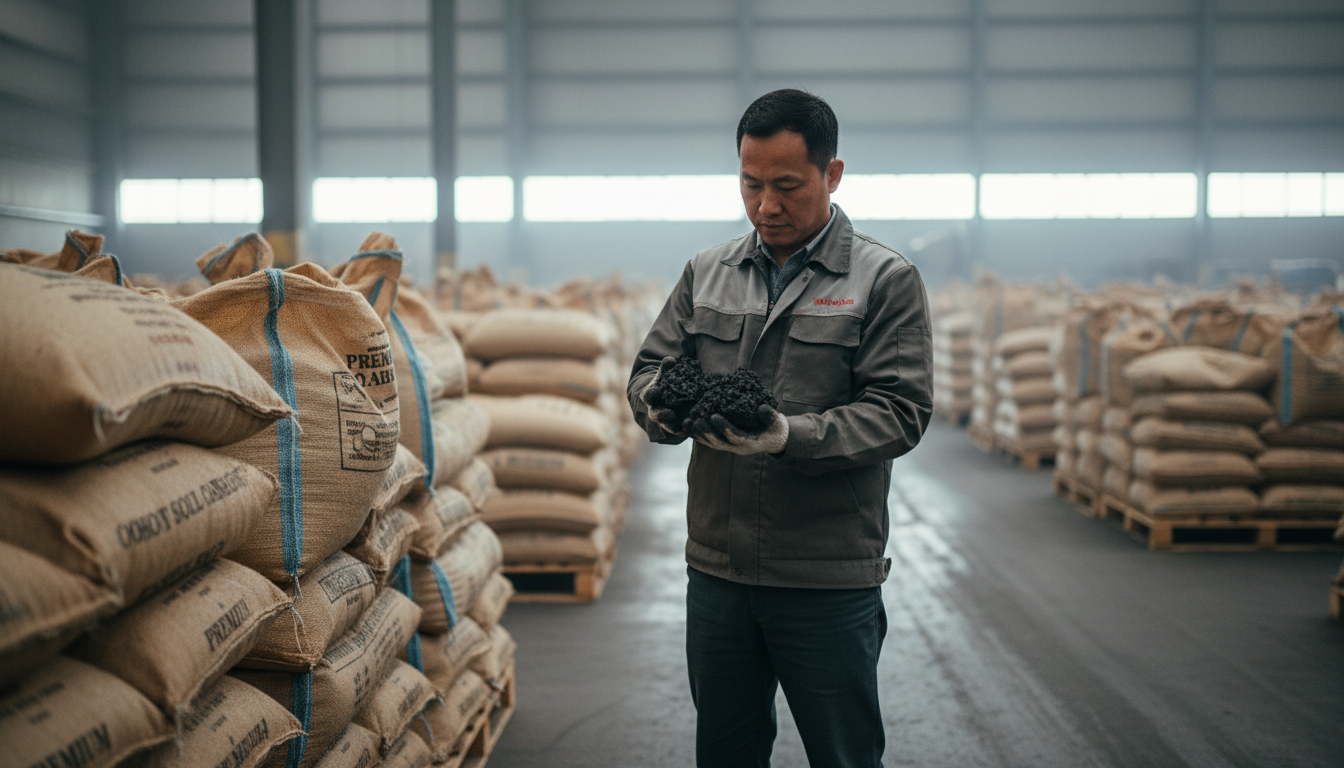
Looking for reliable coconut shell activated carbon suppliers can feel overwhelming. With so many options out there, how do you know which supplier offers the best quality, pricing, and service? Whether you’re running a water treatment facility, setting up a filtration system, or working on an industrial project, choosing the right supplier makes all the difference.
Coconut shell activated carbon has become the go-to choice for water purification because it’s eco-friendly, super effective, and lasts longer than other types. But not all suppliers are created equal. Some offer premium-grade carbon with high iodine values and low ash content, while others might cut corners. We’re here to help you figure out what to look for and where to find the best coconut shell activated carbon suppliers for your needs.
What Is Coconut Shell Activated Carbon?
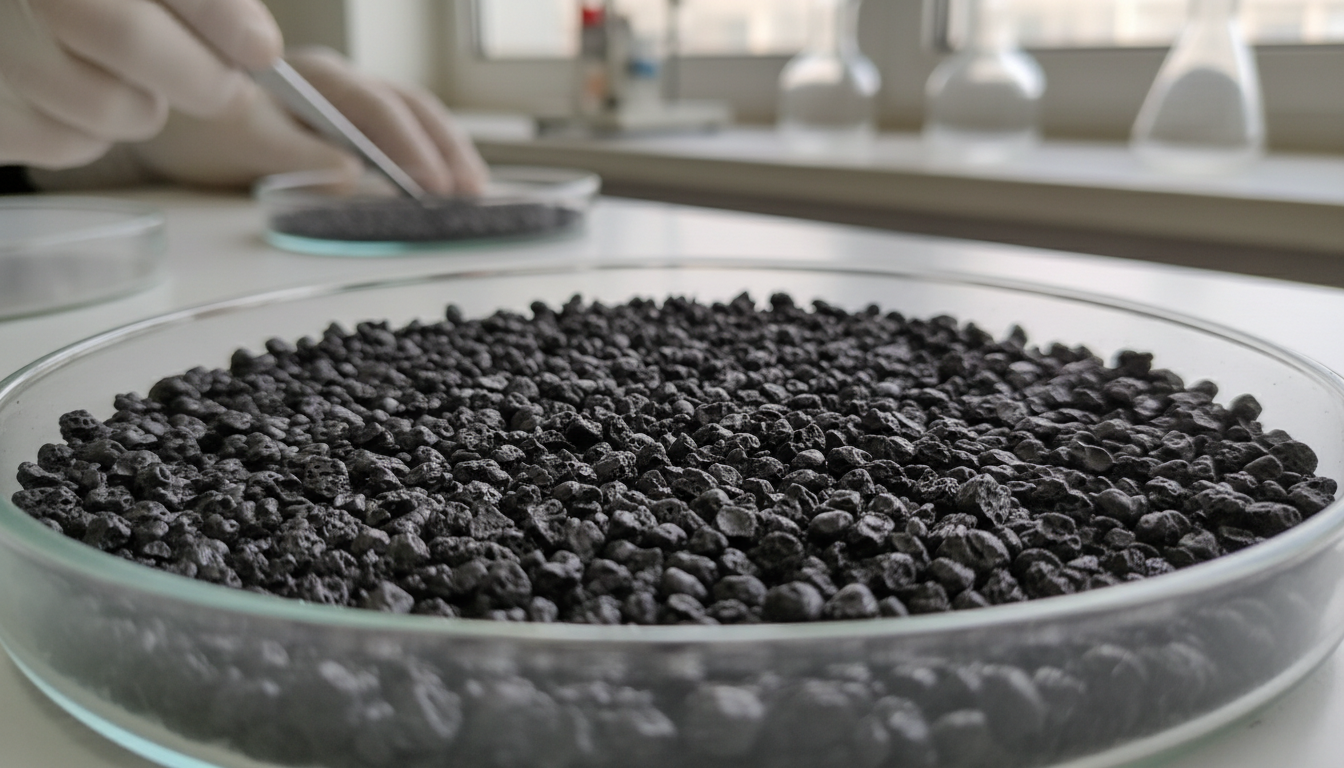
Coconut shell activated carbon is a filtration material made from coconut shells that have been carbonized and activated through high-temperature steam processing. This process creates millions of tiny pores on the surface, giving the carbon an enormous surface area—sometimes up to 1,000 square meters per gram. That’s like fitting a football field into a teaspoon!
What makes it special is its micropore structure. Over 80% of coconut shell carbon consists of micropores, which are perfect for trapping small contaminants found in drinking water like chlorine, volatile organic compounds (VOCs), pesticides, and bad tastes or odors. Unlike coal-based or wood-based activated carbon, coconut shell carbon is harder, more durable, and can handle more backwashing cycles without breaking down. Plus, it’s a renewable resource since coconut trees can live for over 70 years and produce shells year-round.
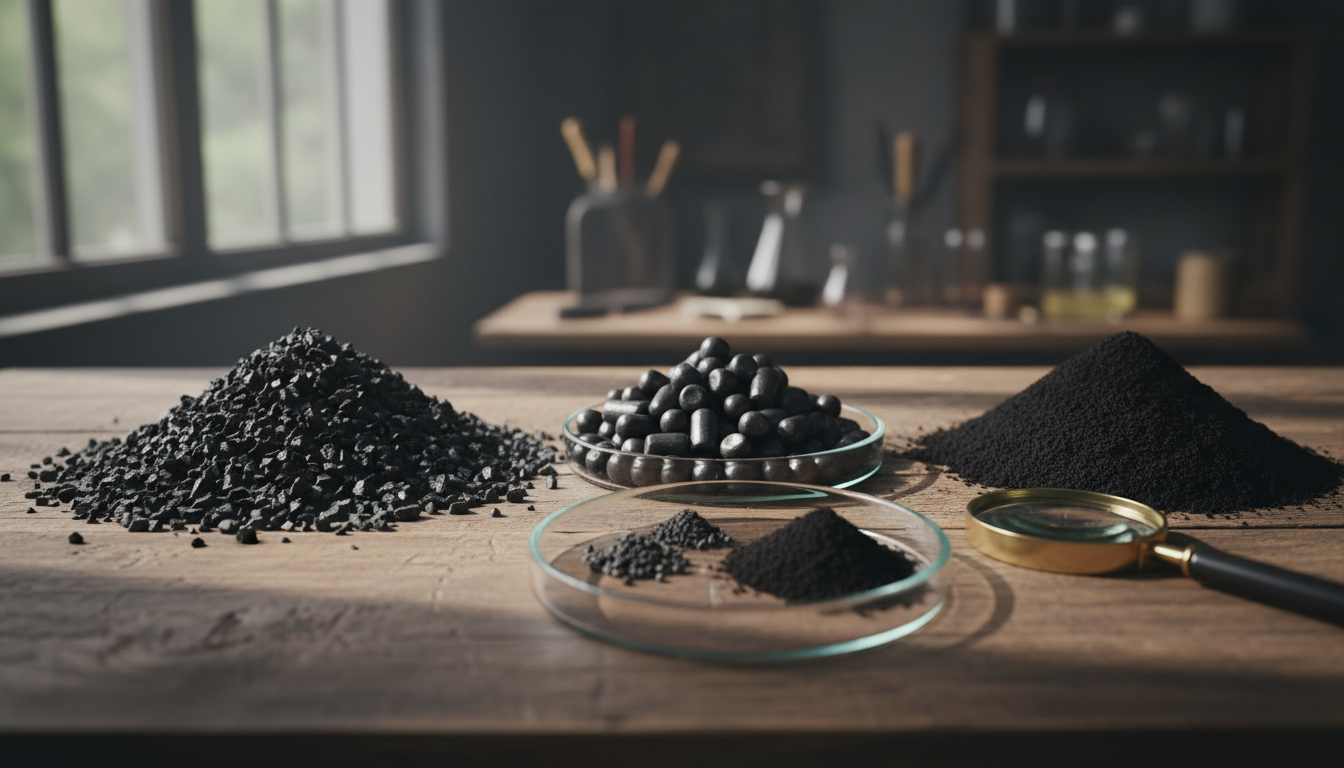
When you’re talking to coconut shell activated carbon suppliers, you’ll hear terms like “granular activated carbon” (GAC) and “powdered activated carbon” (PAC). GAC comes in small granules, usually sized by mesh numbers like 12×40 or 8×30, and is ideal for water filters and whole-house systems. PAC is finely ground and used in applications where quick adsorption is needed, like beverage production or pharmaceutical processing. Both forms work great, but your choice depends on your specific filtration needs.
Types of Coconut Shell Activated Carbon Available
Granular Activated Carbon (GAC)
Granular activated carbon is the most popular form you’ll find from coconut shell activated carbon suppliers. It comes in various mesh sizes—4×8, 8×16, 8×30, 12×40, and 30×60 being the most common. The mesh size refers to the particle dimensions, with smaller numbers meaning larger particles and higher numbers meaning finer granules.
The 12×40 mesh is particularly popular for residential and commercial water filtration because it offers an excellent balance between flow rate and contact time. Larger mesh sizes like 4×8 or 8×16 are often used in air purification and vapor recovery applications, while finer sizes like 30×60 are great for point-of-use filters or specialized applications like gold recovery.
GAC is incredibly versatile. You’ll find it in whole-house water filters, under-sink systems, commercial water treatment plants, aquarium filters, and even in industrial wastewater treatment. It’s also backwashable, meaning you can clean and reuse it multiple times before replacement, which saves money in the long run. When shopping for GAC, look for suppliers who offer acid-washed or pre-washed carbon—this removes fines and impurities, so your water runs cleaner from day one.
Powdered Activated Carbon (PAC)
Powdered activated carbon is exactly what it sounds like—coconut shell carbon that’s been ground into a fine powder, typically passing through an 80 mesh screen or finer. PAC has even more surface area exposed compared to GAC, which means it works faster at adsorbing contaminants.
You’ll see PAC used in industries where rapid treatment is essential, like pharmaceutical manufacturing, food and beverage processing, cosmetics production, and health supplements. It’s also great for decolorization—removing unwanted colors from liquids like oils, syrups, or chemical solutions. Some medical applications even use ultra-pure PAC for detoxification treatments.
The downside? PAC can’t be backwashed or reused like GAC. Once it’s used up, you need to replace it. But for applications requiring quick, thorough filtration, PAC is unbeatable. Quality suppliers will offer low-ash PAC (often below 0.5% ash content) that’s been specially treated to remove impurities, making it safe for food-grade and medical applications.
Pelletized and Impregnated Carbon
Some coconut shell activated carbon suppliers also offer pelletized carbon and impregnated carbon. Pelletized carbon is formed into cylindrical pellets (usually around 0.9mm to 4mm in diameter) and is commonly used in gas masks, air purification systems, and vapor recovery units. The pellet form provides lower pressure drop in air treatment systems compared to granular forms.
Impregnated carbon is treated with additional chemicals to enhance its ability to remove specific contaminants. For example, carbon impregnated with silver is used for antimicrobial applications, while carbon treated with catalytic agents can remove chloramines and hydrogen sulfide more effectively than regular carbon. These specialty carbons cost more but deliver targeted performance for tough filtration challenges.
How to Choose Quality Coconut Shell Activated Carbon Suppliers
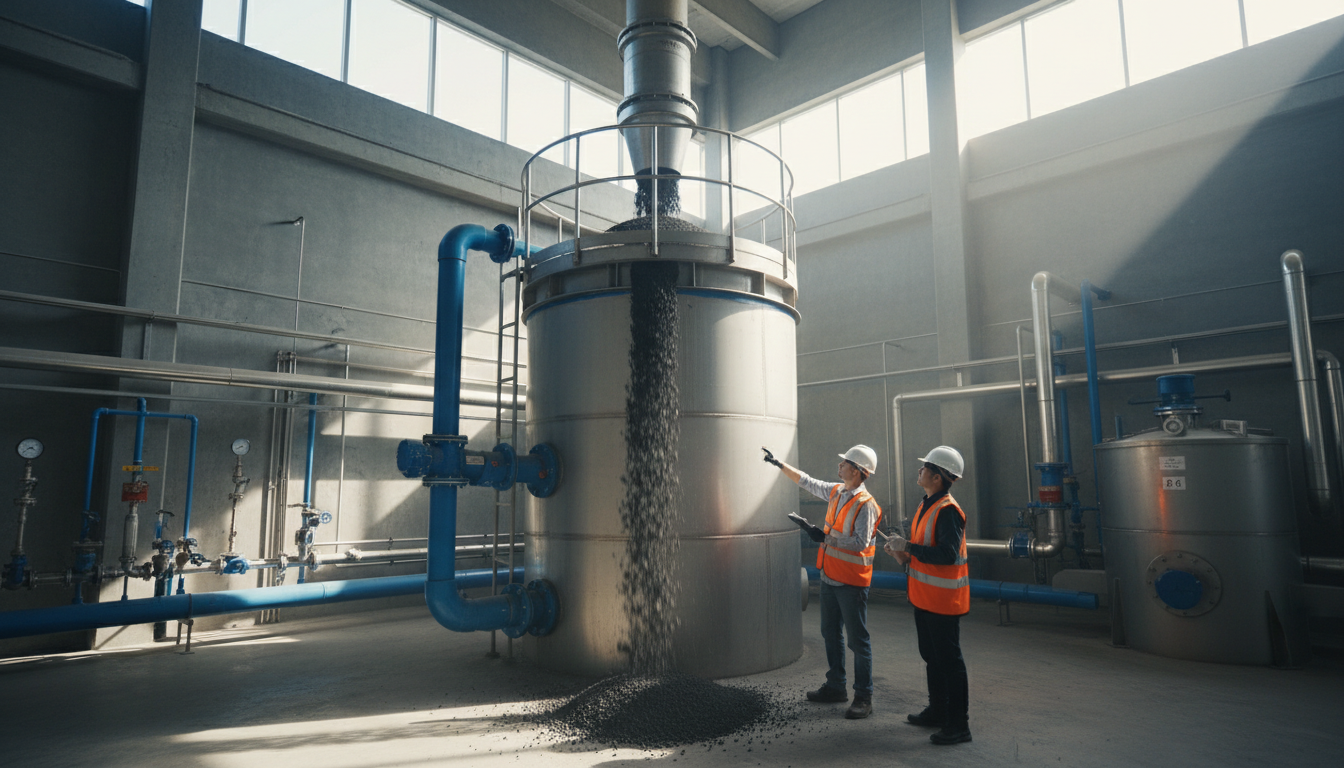
Picking the right supplier isn’t just about finding the cheapest price. You want quality, consistency, and reliable service. Here’s what separates the best coconut shell activated carbon suppliers from the rest.
Quality certifications matter. Look for suppliers whose products meet NSF/ANSI 61 standards for drinking water applications and comply with AWWA (American Water Works Association) standards. Food-grade applications should meet Food Chemicals Codex (FCC) requirements. These certifications mean the carbon has been tested for safety and won’t leach harmful substances into your water.
Ask about the source material. Premium coconut shell carbon typically comes from mature coconut trees (at least 5 years old) because older shells are thicker, harder, and produce better quality carbon. The best suppliers source their raw materials from countries with strict quality control, like Sri Lanka, Indonesia, Thailand, and the Philippines. Some suppliers might mix in cheaper materials or use lower-grade shells—always ask for specifications.
Check the technical specifications. Key numbers to look at include iodine value (measures adsorption capacity—higher is better, typically 900-1200 mg/g for quality carbon), hardness number (should be above 95% to resist breakage), bulk density (affects how much carbon you need), moisture content (should be 5% or less), and ash content (lower is better, ideally under 5%).
Look for value-added services. Top suppliers offer more than just product—they provide technical support, custom sizing, acid washing or water washing services, batch testing, and certificates of analysis. Some even offer reactivation services where they can thermally regenerate used carbon, extending its life and reducing your costs.
Consider delivery options and packaging. Reliable suppliers stock inventory and can ship quickly. They should offer various packaging sizes—from small 20-50 lb bags for residential users to 1,000+ lb supersacks for industrial operations. Some suppliers also provide private labeling if you’re reselling the carbon.
Key Applications and Industries
Coconut shell activated carbon suppliers serve a wide range of industries, each with unique filtration needs.
Water treatment is the biggest market. Municipal water plants use massive quantities of GAC to remove chlorine, disinfection by-products like trihalomethanes (THMs), organic compounds, and taste/odor issues. Residential systems—from pitcher filters to whole-house units—rely on coconut carbon for clean drinking water. Commercial applications include restaurants, hotels, hospitals, and bottled water companies.
Industrial processes use coconut shell carbon for wastewater treatment, groundwater remediation, and process water purification. Industries like chemical manufacturing, textile production, and food processing need clean water for production and must treat wastewater before discharge. The carbon’s ability to remove phenols, pesticides, solvents, and other organic contaminants makes it indispensable.
Gold mining and precious metal recovery is a specialized but important application. Coconut shell carbon’s exceptional hardness and unique pore structure make it ideal for carbon-in-pulp (CIP), carbon-in-leach (CIL), and carbon-in-column (CIC) processes used to extract gold and silver from ore. Mining companies need high-quality carbon with specific particle sizes and high attrition resistance.
Air and gas purification uses pelletized coconut carbon to remove VOCs, odors, and harmful gases from indoor air, industrial emissions, and confined spaces. Applications range from home air purifiers to large-scale industrial odor control systems.
Food and beverage industries use food-grade coconut carbon to purify water for beverage production, decolorize syrups and oils, and filter alcoholic beverages like wine and spirits. The carbon must be ultra-pure with minimal ash content to meet food safety standards.
Medical and pharmaceutical applications include kidney dialysis water treatment, pharmaceutical ingredient purification, and activated charcoal supplements. These require the highest purity levels with stringent testing and certifications.
Comparing Coconut Shell vs. Coal-Based Activated Carbon
When talking to activated carbon suppliers, you’ll often hear comparisons between coconut shell and coal-based carbon. Both have their place, but they’re quite different.
Pore structure is the main difference. Coconut shell carbon has mostly micropores (85-90% of surface area), making it excellent for removing small molecular contaminants from liquids. Coal-based carbon has a mix of micropores, mesopores, and macropores, giving it a broader range but less specialization for water treatment.
Hardness and durability clearly favor coconut carbon. It’s the hardest activated carbon available, with hardness numbers often above 98%. This means it resists breakage during handling, backwashing, and extended use. Coal carbon is softer and generates more dust and fines.
Environmental considerations make coconut carbon the greener choice. It’s made from renewable agricultural waste (coconut shells that would otherwise be discarded), while coal is a non-renewable fossil fuel with a higher carbon footprint.
Cost is where coal carbon might win—it’s typically 20-30% cheaper than coconut carbon. For bulk industrial applications where budget is tight and top performance isn’t critical, coal carbon might make sense. But for drinking water, food production, and applications where purity matters, coconut shell carbon is worth the extra cost.
Performance in water filtration consistently favors coconut carbon. It removes chlorine more effectively, adsorbs more VOCs, and maintains capacity longer. Many water treatment professionals consider it the gold standard for drinking water applications.
What to Expect: Pricing and Bulk Ordering
Pricing for coconut shell activated carbon varies based on quality, quantity, processing, and supplier. Understanding the cost structure helps you budget and negotiate better deals.
Typical price ranges: Expect to pay $2-4 per pound for small quantities (under 100 lbs) of standard-grade GAC. Mid-grade premium carbon in bulk (500-2,000 lbs) runs $1.50-2.50 per pound. Large industrial orders (5,000+ lbs or supersacks) might get pricing down to $1-1.80 per pound. Ultra-premium carbon with extra-high iodine values or special processing (like acid washing) can cost $3-5 per pound even in bulk.
Factors affecting price include raw material source (Sri Lankan carbon typically costs more but offers higher quality), mesh size (specialty sizes cost more), processing (acid-washed, steam-activated, or impregnated carbon adds cost), certifications (NSF-certified and food-grade carbon costs more), and packaging (supersacks are more economical than small bags).
Bulk ordering advantages: Most suppliers offer volume discounts. Ordering a pallet (typically 40-50 bags) or a supersack (1,000-1,100 lbs) can save 20-40% compared to buying individual bags. Many also offer freight-free shipping on orders over certain amounts, often $500-1,000.
Payment and terms: Established suppliers typically offer net-30 payment terms for commercial buyers with good credit. First-time buyers might need to pay upfront or COD. Some suppliers offer quantity-based tier pricing where you get better rates as your order size increases.
Inventory and lead times: Top suppliers maintain inventory and can ship within 1-3 business days. If you need custom specifications (special mesh size, extra washing, etc.), expect 2-4 weeks lead time. International shipments might take 4-8 weeks depending on origin and customs clearance.
Quality Testing and Certifications
| Test Parameter | What It Measures | Typical Range for Quality Carbon |
|---|---|---|
| Iodine Value | Adsorption capacity | 900-1200 mg/g |
| CTC (Carbon Tetrachloride) | VOC removal ability | 50-70% |
| Hardness Number | Resistance to breakage | 95-99% |
| Ash Content | Impurity level | 2-8% (lower is better) |
| Moisture Content | Water retained | 3-5% |
| Bulk Density | Weight per volume | 0.45-0.55 g/cm³ |
| Particle Size Distribution | Uniformity | 90%+ within specified mesh range |
Reputable coconut shell activated carbon suppliers provide Certificates of Analysis (COA) with every batch, showing test results for these parameters. They should also offer third-party testing verification if you request it. Don’t be shy about asking for documentation—quality suppliers are proud to share their test results.
Top Considerations When Ordering From Suppliers
Before placing your order, nail down these details with your chosen supplier:
Application requirements: Be clear about what you’re filtering (water, air, chemicals), what contaminants you need to remove, and any industry-specific requirements. This helps the supplier recommend the right product.
System specifications: Know your filter tank size, flow rate requirements, and contact time. This determines how much carbon you need and what mesh size works best.
Delivery schedule: If you need regular shipments, ask about scheduled deliveries or standing orders. Many suppliers offer automatic reordering programs.
Storage and shelf life: Activated carbon can last years if stored properly in a dry, sealed environment. Ask about storage recommendations and whether the carbon has any expiration concerns.
Technical support: Good suppliers offer help with system design, troubleshooting, and optimization. Ask if they have technical staff available to answer questions.
Return policy: What happens if the carbon doesn’t meet specs or you receive the wrong product? Clear return policies protect your investment.
Samples: Many suppliers offer free or low-cost samples so you can test the carbon in your system before committing to a large order. Always test before buying bulk quantities.
Working With International vs. Domestic Suppliers
Coconut shell activated carbon suppliers operate both domestically in the US and internationally, especially in coconut-producing regions. Each option has pros and cons.
Domestic US suppliers like those offering high-quality coconut shell carbon typically import bulk carbon and repackage it for the American market. Benefits include faster shipping (usually 1-5 days), no customs hassles, easier communication, simpler payment (US dollars, familiar business practices), and better customer service. The tradeoff is slightly higher prices since they add handling and logistics costs.
International suppliers in countries like Sri Lanka, Indonesia, Thailand, Philippines, and China offer direct pricing that’s often 15-30% lower than domestic distributors. However, you’ll deal with longer shipping times (4-8 weeks by sea freight), customs clearance and import duties, minimum order quantities (often requiring container loads), language and time zone differences, and more complex payment methods (wire transfers, letters of credit).
For most businesses, working with a domestic distributor makes sense for regular orders under 5,000 lbs. They handle the import logistics, maintain inventory, and provide local support. If you’re using massive quantities (10,000+ lbs monthly), establishing a direct relationship with an international supplier might save significant money, but be prepared for the added complexity.
Hybrid approach: Some buyers maintain relationships with both—a domestic supplier for regular orders and quick needs, plus an international supplier for large annual contracts. This balances cost savings with convenience and reliability.
Frequently Asked Questions
What’s the difference between acid-washed and regular coconut shell activated carbon?
Acid-washed coconut carbon has been treated with food-grade acid (usually hydrochloric acid) to remove metallic impurities and reduce ash content. This process increases purity and adsorption capacity, making it ideal for drinking water, food production, and applications where metal contamination must be minimized. It costs 10-20% more than regular carbon but delivers cleaner water with less risk of leaching. If you’re treating drinking water or working with sensitive processes, acid-washed carbon is worth the investment.
How long does coconut shell activated carbon last before replacement?
Carbon lifespan depends on water quality, flow rate, and contaminant levels. In typical residential drinking water applications, GAC lasts 6-12 months before needing replacement. Whole-house systems with backwashing capabilities might extend this to 2-3 years. Commercial and industrial systems monitor performance through testing and replace carbon when adsorption capacity drops below acceptable levels—this could be anywhere from 3 months to several years. Signs it’s time to replace include chlorine taste/odor returning, reduced flow rate, or test results showing contaminant breakthrough.
Can I reactivate used coconut shell activated carbon to extend its life?
Yes! Coconut shell carbon can be thermally reactivated through high-temperature processing (800-1000°C) in a controlled atmosphere. This burns off the adsorbed contaminants and partially restores the carbon’s adsorption capacity—typically recovering 85-95% of original performance. However, reactivation requires specialized equipment and is only cost-effective for large quantities (usually 1,000+ lbs). Some coconut shell activated carbon suppliers offer reactivation services, or you can ship used carbon to dedicated reactivation facilities. For small residential systems, buying new carbon is more practical.
What mesh size should I choose for my water filtration system?
Mesh size depends on your application and flow requirements. For residential point-of-use filters and under-sink systems, 12×40 mesh is the industry standard—it provides excellent contact time and contaminant removal without restricting flow too much. Whole-house systems often use 8×30 mesh for higher flow rates with good filtration. Commercial and industrial systems might use 12×40 for maximum adsorption or larger sizes like 8×16 for high-volume, lower-pressure-drop applications. If you’re unsure, 12×40 mesh is the safest general-purpose choice, and most suppliers can help you calculate the optimal size based on your flow rate and filter dimensions.
Is coconut shell activated carbon safe for organic and food-grade applications?
Absolutely! Food-grade coconut shell activated carbon meets Food Chemicals Codex (FCC) standards and is certified safe for direct contact with food and beverages. It’s used to purify drinking water, filter alcoholic beverages, decolorize food oils and syrups, and even in dietary supplements as activated charcoal. The key is purchasing certified food-grade carbon from reputable suppliers who provide proper documentation and COAs. Regular industrial-grade carbon might contain higher ash content or trace impurities unsuitable for food contact, so always specify food-grade when ordering for these applications.
Final Thoughts
Finding the right coconut shell activated carbon suppliers doesn’t have to be complicated. Focus on quality certifications, technical specifications, and supplier reliability rather than just chasing the lowest price. Whether you need granular activated carbon for a water treatment system or powdered activated carbon for specialized applications, doing your homework pays off with better performance, longer life, and cleaner results.
Start by identifying your specific needs—application, contaminant removal targets, quantity, and budget. Request samples and test them in your system. Compare COAs from multiple suppliers. Ask about technical support and value-added services. And don’t forget to factor in total cost of ownership, not just the per-pound price. Premium carbon that lasts twice as long and performs better is actually cheaper in the long run.
The activated carbon market continues growing as water quality concerns increase and environmental regulations tighten. Partnering with a reliable supplier ensures you have consistent access to quality materials, expert guidance, and competitive pricing. Take your time choosing—this decision impacts your water quality, system performance, and bottom line for years to come.