

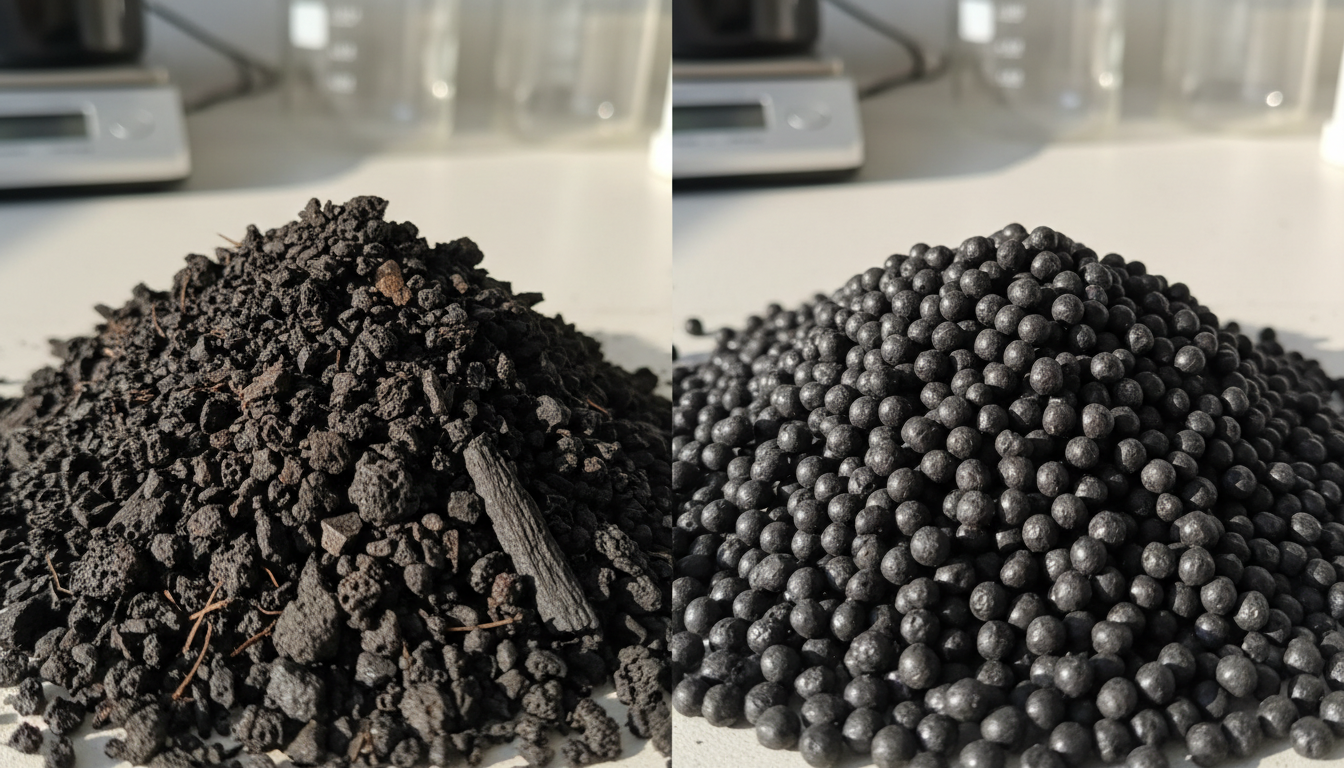
Choosing the right activated carbon for your water treatment or air purification needs can be tricky. Both coconut shell activated carbon and coal-based activated carbon have their strengths, but they’re designed for different jobs. We’ll break down how each type works, what makes them different, and which one might be right for you.
The Basic Differences
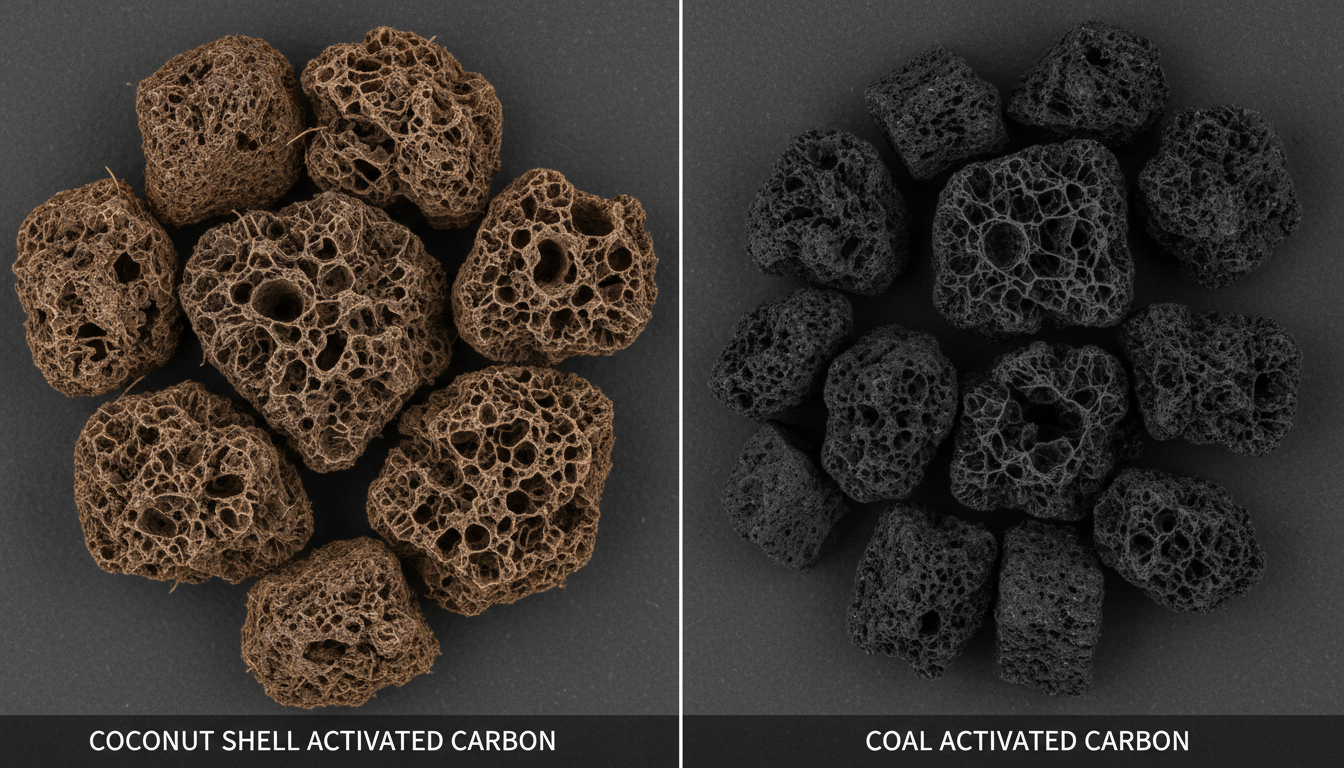
The source material matters more than you might think. Coconut shell activated carbon comes from coconut shells, a renewable byproduct of coconut trees, while coal-based activated carbon is made from coal mines using chemical methods like steam activation. This difference in raw materials creates distinct pore structures that affect how each type performs.
Coconut shell carbon has a high density of micropores, making it exceptionally adept at adsorbing small molecules and volatile organic compounds. On the flip side, coal-based carbon has a predominantly mesoporous structure, making it suitable for adsorbing medium to large molecules.
Pore Structure: Why It Matters
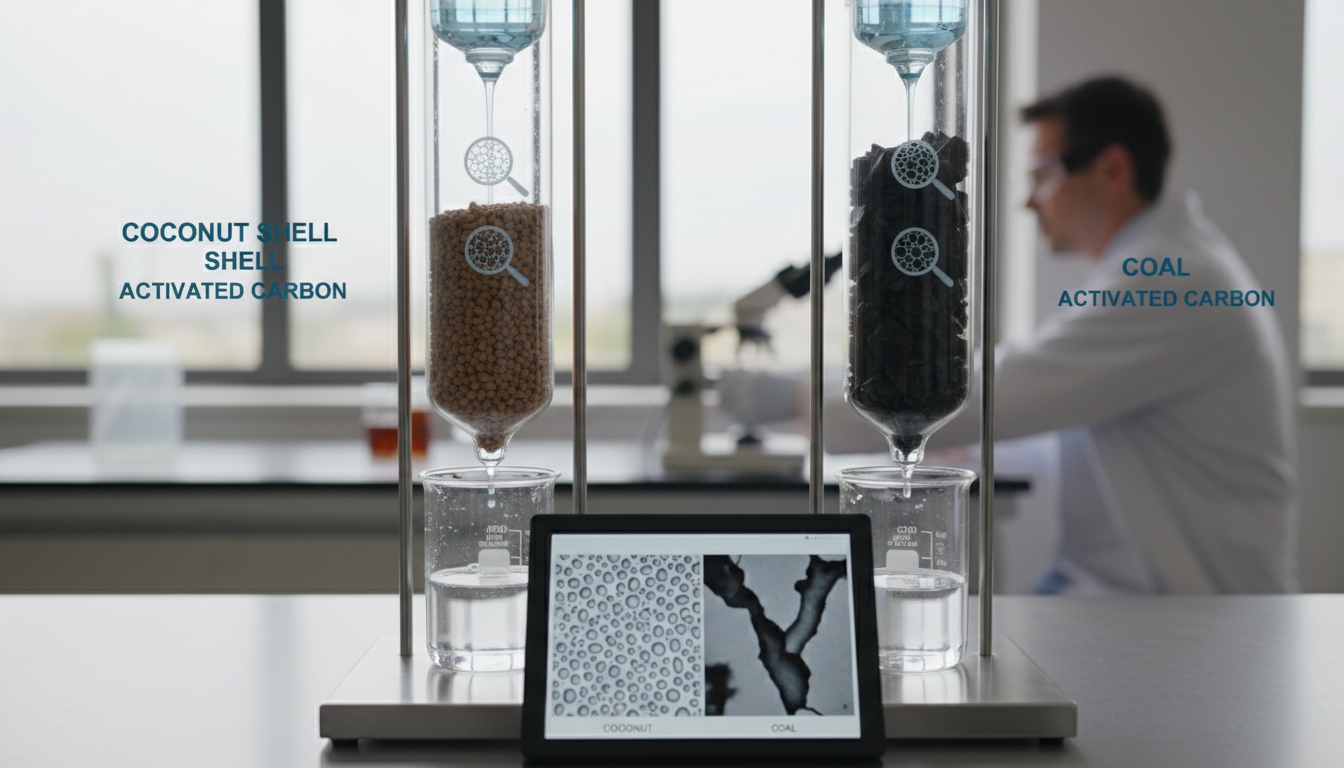
Pore size determines what your carbon can actually filter out. Think of it like a net—you need the right mesh size to catch what you’re after.
Coconut shell-based activated carbon contains about 50 percent more micropores than coal-based activated carbon. These micropores are perfect for trapping small contaminants like chlorine, volatile organic compounds, and odor-causing molecules. If the molecular size of impurities is less than 100 angstroms, coconut carbon works best, while molecular sizes between 100 and 1000 angstroms call for coal carbon.
Coal-based carbon’s larger pores give it versatility. The unique combination of micropores, mesopores, and macropores makes it particularly effective for removing both small and large molecular contaminants from liquids and gases.
Water Treatment Performance
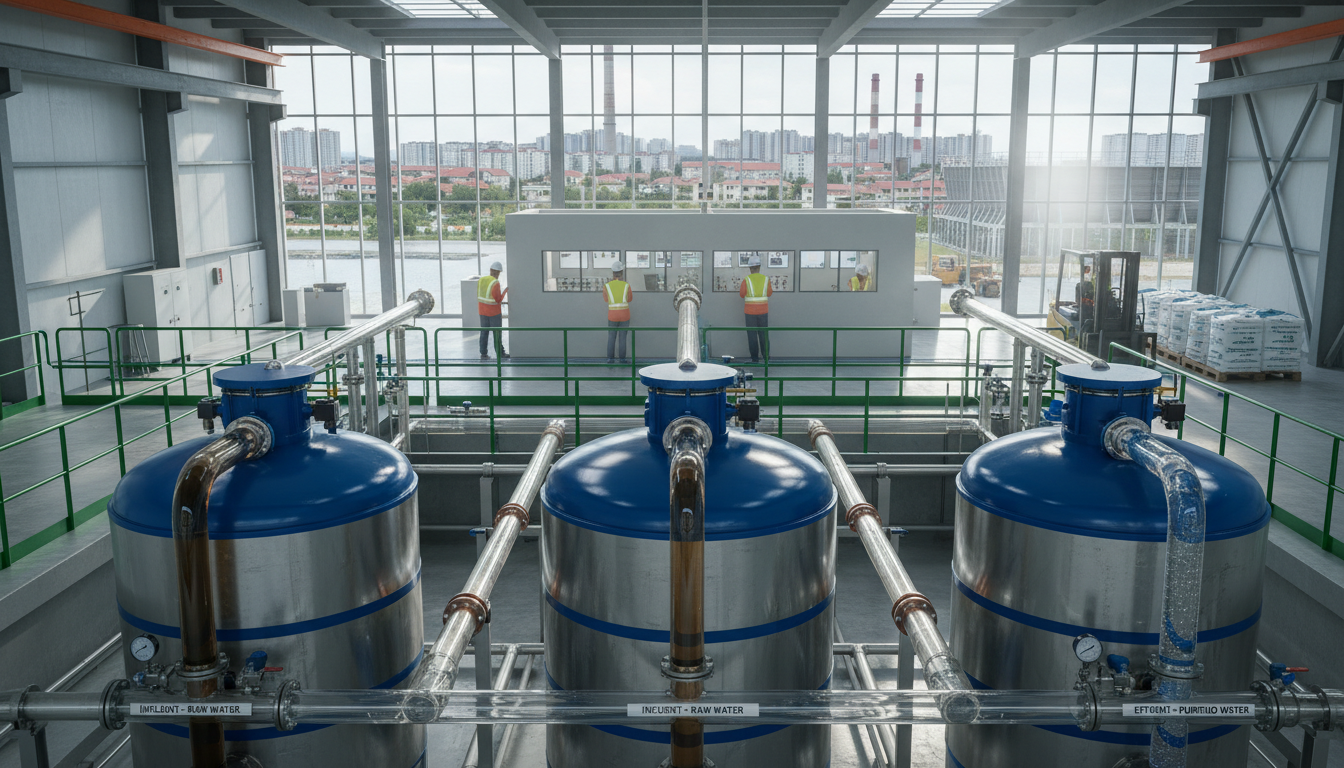
For drinking water applications, coconut shell carbon typically takes the lead. Due to its high hardness, low ash content, and high purity, coconut shell activated carbon is more suitable for drinking water treatment and reverse osmosis water applications.
The numbers back this up. Coconut shell activated carbon has almost twice the saturation capacity for benzene compared to coal-based carbon—11 mg per gram versus six for the coal-based option. This means you’ll use less carbon to treat the same amount of water.
Coal-based activated carbon has strong adsorption capabilities for various organic substances in water, free chlorine, and harmful gases, and serves as an excellent adsorbent for deep purification of urban drinking water and wastewater treatment. We use both types across different projects at Yanshan Carbon, depending on what contaminants we’re targeting.
Cost and Practical Considerations
Coconut shell activated carbon is a bit more expensive compared to coal and wood activated carbon. But that higher upfront cost can pay off. Coconut shell carbon has a higher hardness number, which means less particle attrition, less dust, and requires less water to rinse a new bed while generating fewer fines during operation.
Coal-based carbon offers good value for large-scale operations. It delivers excellent value compared to other carbon types, with superior hardness offering excellent mechanical strength and low dust generation. There’s negligible loss of material during backwashing for coconut activated carbon due to its high hardness, which means operation cost is low.
Environmental Impact and Sustainability
This is where coconut shell carbon really shines. The coconut tree produces coconuts three times a year, and the tree is not killed to harvest the coconut shells, making it a renewable resource. It took millions of years for bituminous coal to be formed, making it a non-renewable resource.
Coal-based activated carbon is derived from fossil fuels, whose extraction and use are associated with higher carbon emissions and environmental disturbances, while coconut shell-based activated carbon utilizes waste materials and does not contribute to mining-related environmental degradation.
Best Applications for Each Type
Coconut shell carbon works best for:
- Residential drinking water filters
- Point-of-use water treatment systems
- Removing volatile organic compounds (VOCs)
- Air purification for small contaminants
- Applications requiring high purity and low ash content
Coal-based carbon is best for applications such as gas phase adsorption, decolorization, and the removal of heavy metals from water. It’s also suited for:
- Large-scale municipal water treatment
- Industrial wastewater processing
- Gas purification systems
- Applications needing to remove larger molecules
- Budget-conscious projects requiring high volumes
Which One Should You Choose?
Neither activated carbon can be deemed categorically superior—coconut shell-based carbon is more efficient for the adsorption of small molecules and offers a more sustainable option, while coal-based carbon excels in applications requiring the adsorption of larger molecules.
For drinking water and residential applications, we usually recommend coconut shell carbon. The higher purity, better taste improvement, and renewable source make it worth the extra cost. For industrial applications dealing with varied contaminants or requiring large volumes, coal-based carbon often makes more sense.
You can explore our full range of options, including coconut shell granular activated carbon and coal-based granular activated carbon, to find what fits your specific needs.
Conclusion
Both coconut shell and coal activated carbon have their place in water treatment and air purification. Coconut shell carbon offers superior micropore density, sustainability, and purity—making it perfect for drinking water applications and removing small molecules. Coal-based carbon provides versatility with its mixed pore structure, cost-effectiveness at scale, and strong performance for industrial applications.
The “better” choice depends on what you’re filtering, the contaminant size, your budget, and your environmental priorities. Understanding these differences helps you make a smarter investment that actually solves your specific filtration challenge.
FAQs
What’s the main difference between coconut shell and coal activated carbon?
The main difference lies in their pore structure and source material. Coconut shell carbon has about 50% more micropores than coal-based carbon, making it better for capturing small molecules like VOCs and chlorine. Coal-based carbon has more mesopores and macropores, which work better for larger molecules. Coconut shells are renewable, while coal is a non-renewable fossil fuel.
Is coconut shell activated carbon worth the extra cost?
For drinking water and residential applications, yes. Coconut shell carbon has higher purity, lower ash content, twice the adsorption capacity for many contaminants, and requires less frequent replacement. It also produces less dust during operation and backwashing. The higher upfront cost often pays off through better performance and lower operational costs over time.
Can I use coal-based activated carbon for drinking water?
Yes, coal-based activated carbon is used in drinking water treatment. It works well for municipal water treatment plants and can effectively remove chlorine, organic substances, and some heavy metals. However, coconut shell carbon is generally preferred for point-of-use residential filters because of its higher purity, lower ash content, and better taste improvement.
Which type is better for removing chlorine from water?
Coconut shell activated carbon is better suited for dechlorination. Its high density of micropores makes it more effective at capturing chlorine molecules. Studies show coconut shell carbon has almost twice the saturation capacity for small organic molecules compared to coal-based carbon, making it the preferred choice for removing chlorine and improving water taste.
How long does each type of activated carbon last?
Coconut shell carbon typically lasts longer due to its higher hardness and durability. It can filter large volumes of water before needing replacement and experiences less material loss during backwashing. Coal-based carbon also has good longevity, especially in industrial applications. Actual lifespan depends on water quality, flow rate, and the specific contaminants being removed, but both can last several months to years depending on usage.