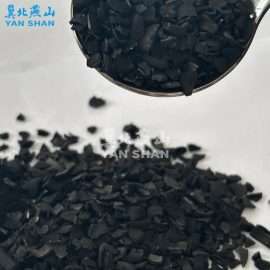

By installing activated carbon adsorption units in the condensate water recovery system, trace oils, volatile organic compounds (VOCs), benzene derivatives, and residual chemicals in the condensate water generated by shale gas extraction, natural gas processing, and power plant steam cycle can be removed or reduced. Activated carbon can significantly enhance the recycling value of condensate water. This ability can protect key equipment such as heat exchangers, boilers, and water pumps in the circuit by reducing the concentration of pollutants in water, avoiding boiler corrosion, pipeline blockage, and subsequent equipment efficiency decline caused by impurities.
Similarly, the deep treatment of condensate water in chemical and air conditioning systems (removing odorous substances, suspended organic matter, and pigments) can ensure that the condensate water meets the requirements of process water replenishment or circulating cooling, avoiding impurities from affecting product quality and reducing the risk of secondary pollution of water bodies caused by direct discharge.
- Minimize the pollution degradation of circulating condensate reservoirs to the greatest extent possible (adsorb trace pollutants, maintain water quality stability, and reduce the frequency of fresh water replenishment)
- Remove harmful impurities (such as oils, benzene derivatives, VOCs) from the final recycled condensate products to ensure that the water quality meets the reuse standards
- Protect process equipment (reduce corrosion and blockage caused by pollutants, extend the service life of boilers, heat exchangers, and other equipment)
- Maximizing the utilization of condensate water resources (improving recycling efficiency, reducing the cost of fresh water procurement and wastewater treatment)
- Optimize the operation of process equipment (ensure stable efficiency of steam and cooling systems, and avoid downtime maintenance caused by water quality issues)
Related Products