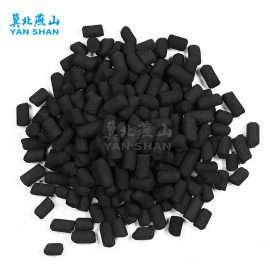

In the refining process of edible oil, activated carbon plays an indispensable role as a “micro purifier” due to its highly developed microporous structure and huge specific surface area. It efficiently removes key impurities that affect quality and safety in oil through precise physical adsorption, including polycyclic aromatic hydrocarbons (such as the strong carcinogen benzo [a] pyrene) that are difficult to be adsorbed by clay during oil decolorization, residual pesticides, as well as odor molecules and pigments (such as chlorophyll) that impart unpleasant flavors to oil. This deep purification step not only significantly improves the sensory quality and color stability of the oil, but more importantly, as a key safety barrier, it greatly reduces potential health risks in the oil, providing a solid guarantee for the food safety and excellent quality of the final product.
- Pigments: Carotenoids, chlorophyll, other pigments such as gossypol (found in cottonseed oil).
- Oxidation products: such as peroxides.
- Secondary oxidation products: such as aldehydes, ketones, etc.
- polycyclic aromatic hydrocarbons
- Trace metal ions
- Residual pesticides and other organic pollutants
Related Products