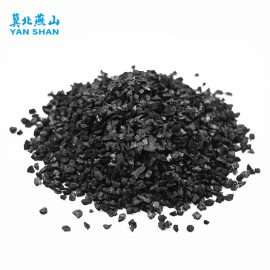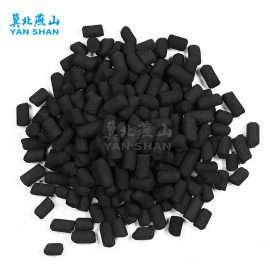

Working principle: In the process of energy recovery, such as coal combustion for power generation, coal often contains a certain amount of mercury, which is released into the flue gas after combustion. After being sprayed into the flue gas system, activated carbon will come into full contact with the flue gas. Heavy metals such as mercury and some other pollutants will be adsorbed by activated carbon, and then the adsorbed pollutants will be collected by subsequent dust removal equipment (such as bag filters, electrostatic precipitators, etc.).
Actual effect: It helps to improve the cleanliness of the energy recovery process, reduce the emission of heavy metals such as mercury into the atmosphere, and the recovered activated carbon (which can be regenerated if certain conditions are met) can also reduce processing costs.