

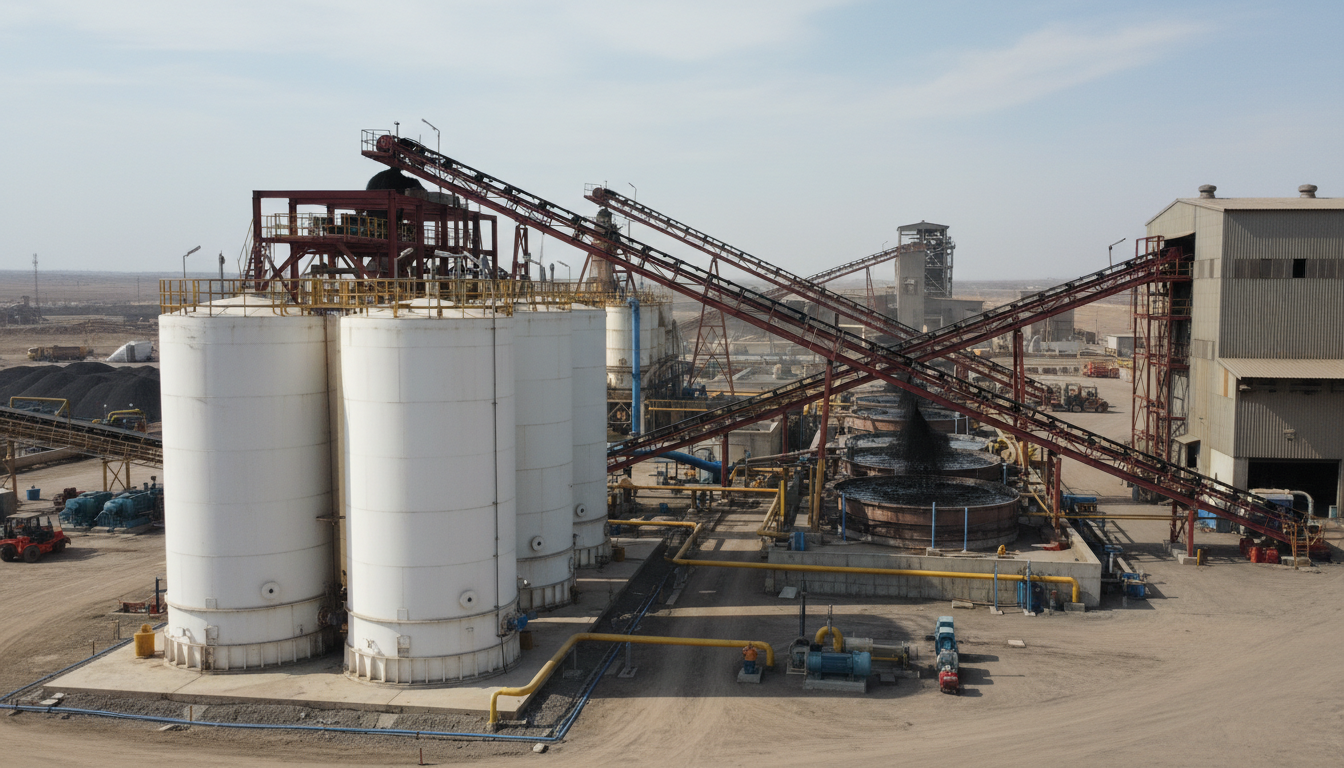
Gold mining operations depend on one thing above all else: the quality of activated carbon used in recovery circuits. We’ve spent years perfecting our manufacturing process because we know that every gram of carbon loss equals lost gold. Whether you’re running a Carbon-in-Pulp (CIP), Carbon-in-Leach (CIL), or Carbon-in-Column (CIC) operation, the performance of your activated carbon directly affects your bottom line.
What Makes Gold Recovery Activated Carbon Different
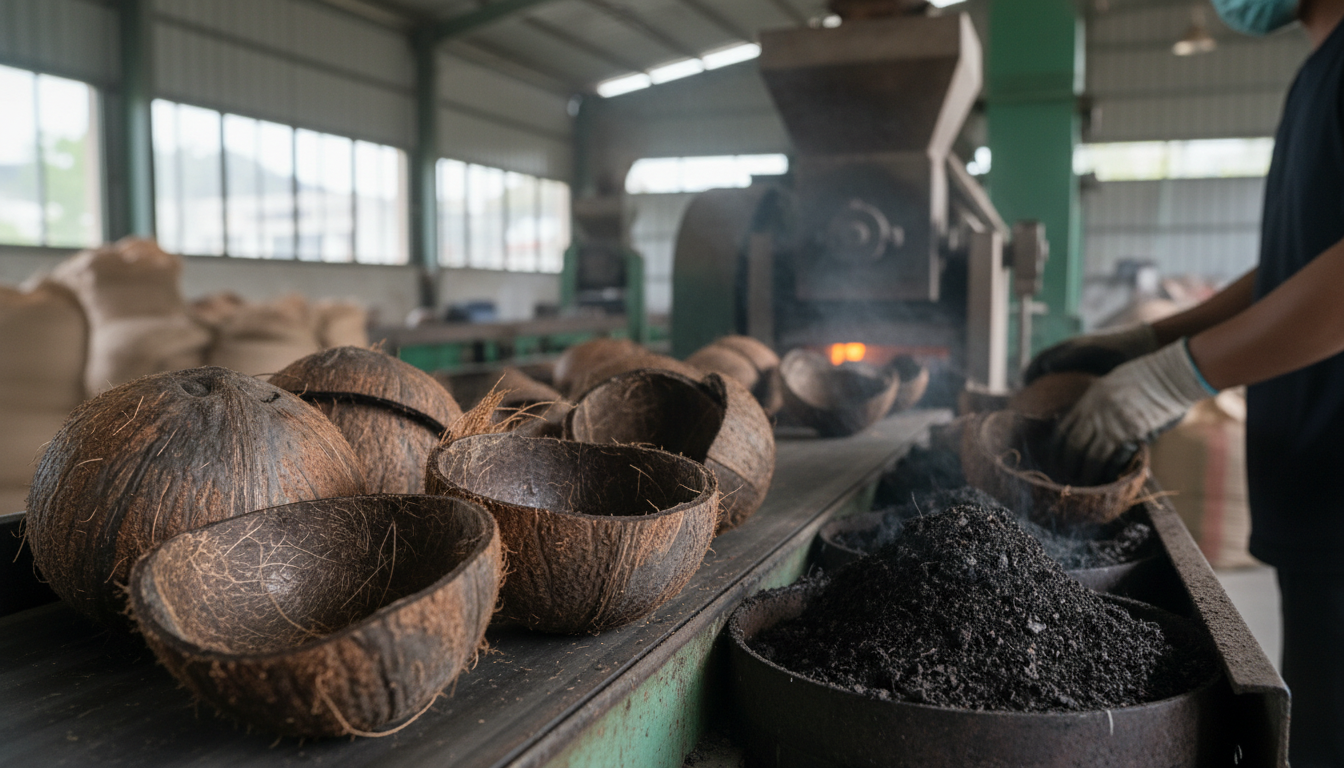
Not all activated carbon works the same in gold extraction. Coconut-based activated carbons are typically chosen because of the superior hardness, tight pore structure, and high activity pores. We use only premium coconut shells as our raw material because they deliver the mechanical strength needed to survive months of continuous use in aggressive mining environments.
The carbon needs to do two things exceptionally well: adsorb gold quickly and withstand constant abrasion. Soft particles break down into fines, which means you lose both carbon and the gold attached to it. Our coconut shell activated carbon goes through rigorous testing to guarantee low attrition rates and high gold loading capacity.
How We Manufacture Gold-Grade Activated Carbon

Our production process starts with selecting the right coconut shells. Thickness matters—thicker shells produce harder, more durable carbon with better adsorption properties. We source shells with low moisture content and high fixed carbon levels to create a superior end product.
The carbonization phase happens at temperatures around 700°C in an oxygen-free environment. This drives off volatile compounds and creates char with 80% or more fixed carbon content. Then comes activation, where we introduce steam at high temperatures to develop the massive internal pore structure that gives activated carbon its adsorption power.
What sets our manufacturing apart is our post-activation treatment. We carefully control particle size distribution to meet the specific requirements of gold recovery applications. Common sizes include 6×12 mesh (1.68-3.36mm) and 8×16 mesh (1.19-2.38mm), which balance adsorption speed with ease of screening. Our coconut shell granular activated carbon meets strict specifications for platelet content and particle uniformity.
Key Performance Specifications That Matter
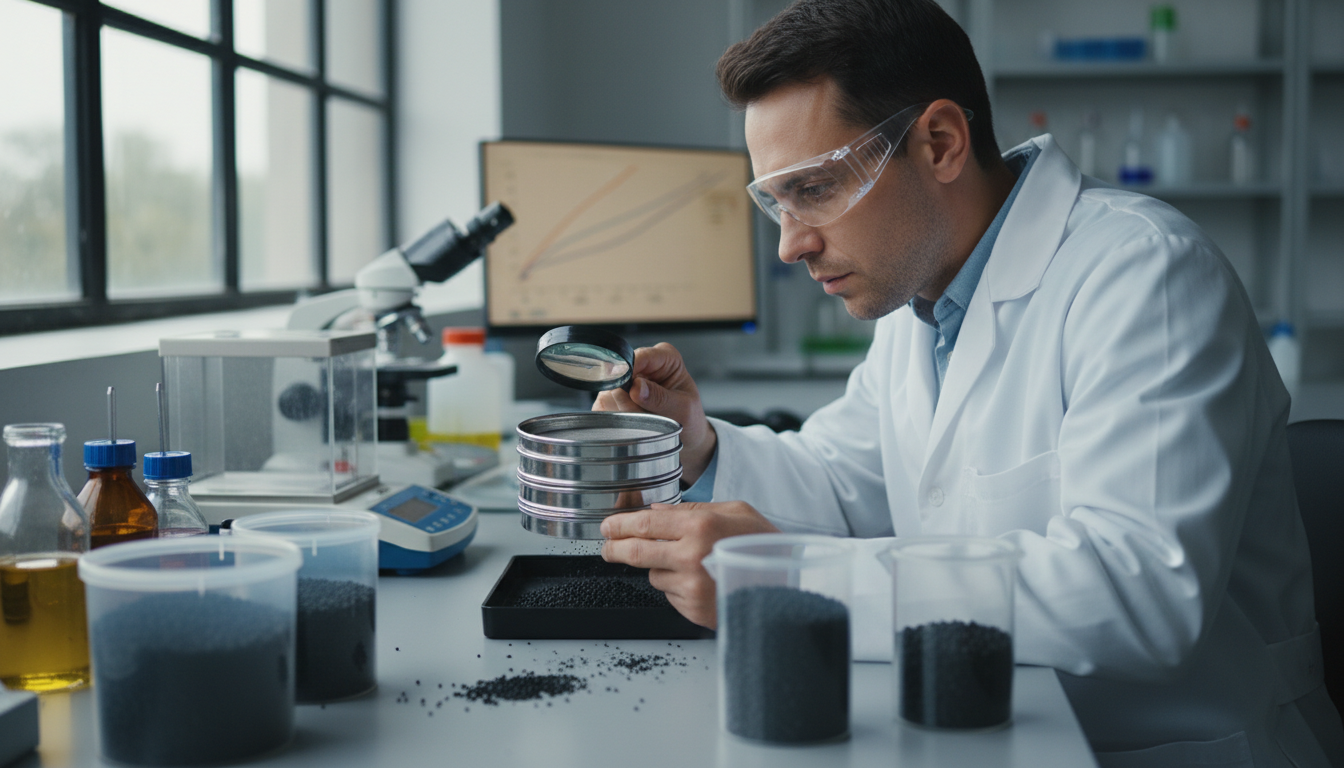
Our products are manufactured under carefully controlled activation conditions and post-activation treatment processes that ensure consistent and accurate particle size distribution, high particle density and hardness, absence of soft and flaky particles, lowest platelet content, and an optimal surface area for adsorption.
The R-value measures how fast carbon adsorbs gold—higher is better for throughput. The K-value indicates total gold loading capacity. We optimize both through precise control of activation time and temperature. Hardness testing ensures our carbon can handle the tumbling and pumping that happens in real-world mining circuits.
Iodine number correlates with pore development. Higher iodine values (typically 1000-1200 mg/g for gold recovery grades) indicate more developed pore structures and better gold carrying capacity under working conditions.
Carbon-in-Pulp and Carbon-in-Leach Applications
Carbon in pulp (CIP) is an extraction technique for recovery of gold which has been liberated into a cyanide solution as part of the gold cyanidation process. Activated carbon acts like a sponge to dicyanoaurate, the main soluble gold species in gold extraction technologies.
In CIP operations, leaching happens first, then carbon gets added to adsorb dissolved gold from the slurry. The process typically uses 5-6 tanks with carbon flowing countercurrent to the pulp. Typically concentrations as high as 4000 to 8000 grams of gold per tonne of carbon (g/t Au) can be achieved on the final loaded carbon.
CIL combines both steps—leaching and adsorption happen simultaneously. This method works better for ores containing natural carbon that would otherwise steal gold from your activated carbon. Both processes demand carbon that can maintain performance through repeated regeneration cycles, which is exactly what we deliver.
Why Hardness and Attrition Resistance Matter
Mining operations are tough on activated carbon. Activated carbon is subjected to intense friction and tumbling during the CIC, CIP/CIL processes. If the strength of the activated carbon is too low, it will wear down to fine particles, resulting in not only the loss of activated carbon but also the loss of gold.
We measure attrition resistance through standardized ball pan tests. Our gold-grade carbon consistently shows less than 1% mass loss after testing, which translates to lower makeup carbon requirements and reduced gold losses in your circuit. The combination of coconut shell base material and proper activation creates carbon particles that resist breakdown even after 100+ regeneration cycles.
Every percentage point of carbon loss means gold disappearing with those fines. That’s money leaving your operation through the tailings stream. High-quality carbon from reliable manufacturers pays for itself by keeping more gold in your process.
Carbon Regeneration and Lifecycle
The critical test for activated carbon is how well it keeps its properties after months of use and reuse. By using the most durable coconut feedstock, to withstand the rigorous carbonization and activation process, we can consistently manufacture quality activated carbon for gold extraction.
After gold stripping, carbon needs regeneration to restore adsorption capacity. This involves acid washing to remove accumulated carbonates and inorganic deposits, followed by thermal regeneration in rotary kilns. Properly manufactured carbon maintains its performance through many cycles before replacement becomes necessary.
We also produce coal-based activated carbon for applications where different pore structures might benefit specific ore types, though coconut shell remains the industry preference for most gold recovery operations.
How to Choose Your Gold Activated Carbon Manufacturer
Like most other industries, gold extraction must strike the delicate balance between controlling operating costs and maximising the return on investment (whilst maintaining environmental responsibility too). Choosing the right activated carbon supplier is vital to this.
Look for manufacturers who understand gold recovery isn’t just about selling carbon—it’s about supporting your entire operation. We provide technical support, help troubleshoot circuit performance issues, and work with your team to optimize carbon usage. Our testing capabilities let us analyze your loaded carbon and make recommendations for improving recovery rates.
Quality consistency matters too. Every batch should meet the same specifications so your process performance stays predictable. We maintain strict quality control throughout production, with testing at multiple stages to guarantee you receive carbon that performs as expected.
Conclusion
The success of gold recovery operations depends on getting the details right. From raw material selection through final quality testing, every step in manufacturing activated carbon affects how well it performs in your circuit. We focus on producing coconut shell carbon with the hardness, pore structure, and adsorption characteristics that maximize gold recovery while minimizing losses.
Whether you’re operating CIP, CIL, or CIC circuits, the right activated carbon manufacturer becomes a partner in your success. Superior carbon quality translates directly to better gold recovery rates, lower operating costs, and improved profitability. After all, in gold mining, every ounce really does make a difference.
FAQs
What mesh size is best for gold recovery activated carbon?
Most gold recovery operations use 6×12 mesh (1.68-3.36mm) or 8×16 mesh (1.19-2.38mm) activated carbon. The 6×12 size offers easier screening and lower carbon losses, while 8×16 provides faster adsorption kinetics due to smaller particle size. Your choice depends on your specific circuit design, screening equipment, and whether you prioritize recovery speed or minimizing carbon losses.
How long does activated carbon last in gold recovery circuits?
High-quality coconut shell activated carbon can survive 100+ regeneration cycles before needing replacement. The actual lifespan depends on operating conditions, regeneration procedures, and the hardness of your specific carbon. Well-maintained circuits typically consume about one full inventory of carbon per year due to gradual attrition and losses through screening.
What’s the difference between CIP and CIL processes?
Carbon-in-Pulp (CIP) separates leaching and adsorption into distinct stages—gold dissolves first, then carbon gets added. Carbon-in-Leach (CIL) combines both in the same tanks, with leaching and adsorption happening simultaneously. CIL works better for ores containing natural carbon that would compete for gold adsorption. Both require durable activated carbon, but CIL demands even higher mechanical strength.
Why is coconut shell carbon preferred over coal-based carbon for gold recovery?
Coconut shell activated carbon offers superior hardness and mechanical strength compared to coal-based alternatives. The tight pore structure and high particle density of coconut carbon resist attrition better in the aggressive conditions of gold recovery circuits. This means less carbon breakdown, fewer fines, and lower gold losses—directly improving your recovery economics.
How do you test activated carbon quality for gold applications?
Gold recovery carbon gets tested for hardness (ball pan attrition test), particle size distribution, iodine number (pore development), K-value (gold loading capacity), and R-value (adsorption rate). Platelet content matters too—high platelet levels lead to carbon losses. Reputable manufacturers test every production batch and provide certificates of analysis showing these key specifications.