

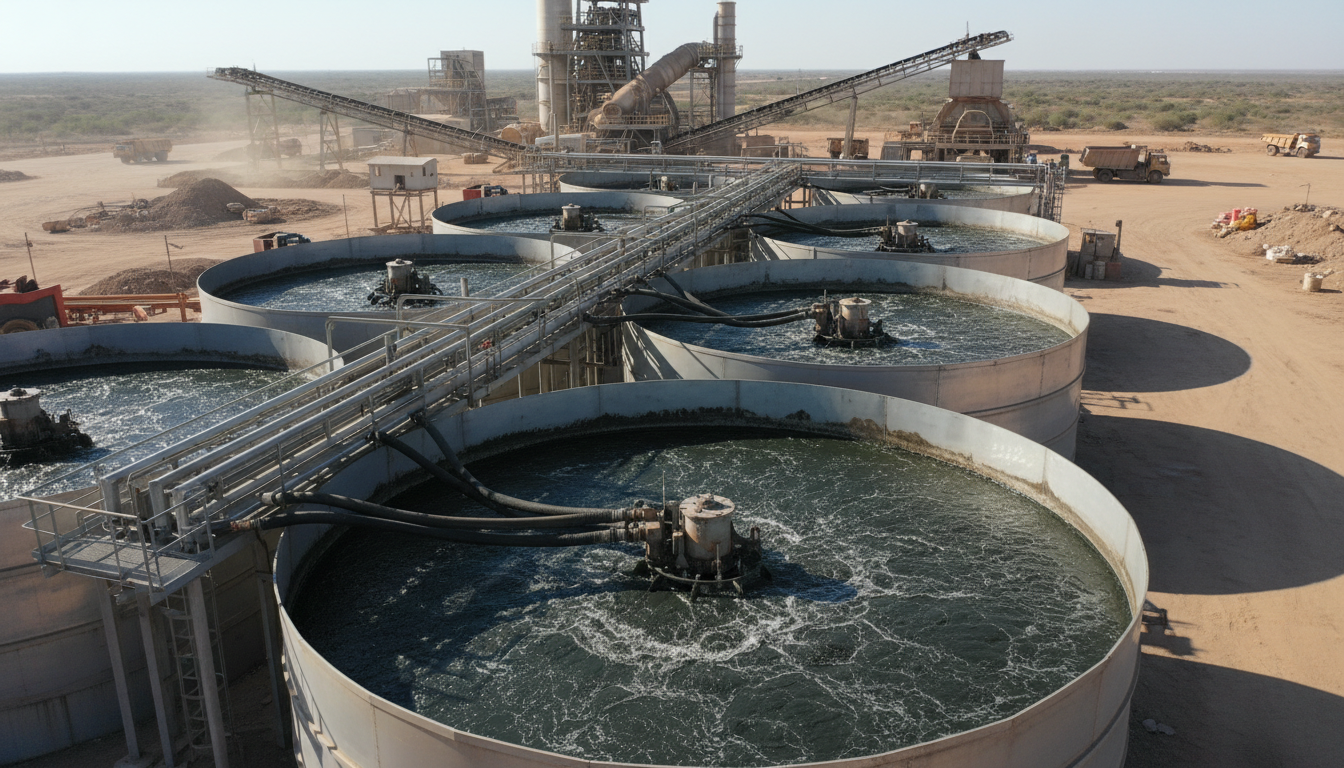
Mining operations around the world rely on a simple but powerful material to pull gold from cyanide solutions—activated carbon. When it comes to recovering precious metals from ore, this porous material acts like a magnet for gold-cyanide complexes, making it possible to separate valuable gold from the rest of the slurry. We’ve seen this technology transform gold recovery over the past few decades, turning what used to be a wasteful process into something far more efficient.
The secret lies in the carbon’s massive surface area. Picture this: about an acre of surface space packed into just a quarter teaspoon of material. That’s the kind of adsorption power we’re talking about. Whether you’re running a Carbon-in-Pulp (CIP), Carbon-in-Leach (CIL), or Carbon-in-Column (CIC) operation, understanding how activated carbon works can make the difference between mediocre yields and maximum recovery.
What Makes Gold Adsorption Activated Carbon Special
Gold adsorption activated carbon isn’t just any carbon—it’s specifically manufactured to capture gold from cyanide leaching solutions. The material comes from carbon-rich sources like coconut shells, which get processed through carbonization and activation to create an incredibly porous structure.
The carbon works through physical adsorption, trapping gold-cyanide complexes within its pore network. Think of it like a sponge, but at a molecular level. The gold in solution binds to the carbon’s internal surface, concentrating the precious metal onto particles that you can then separate from the slurry. After the carbon loads up with gold, you can strip it using heat and chemical treatments to recover the pure gold.
What sets this apart from other recovery methods? Speed and selectivity. The carbon preferentially grabs gold over other metals in the solution, which means you’re getting cleaner results with less processing.
Key Properties That Drive Performance
Not all activated carbon performs equally in gold recovery. We look for specific characteristics that separate the good from the great. Adsorptive capacity, often called loading capacity, tells you how much gold the carbon can hold. This links directly to both the physical structure and chemical makeup of the material.
Adsorption rate matters just as much as capacity. You can have carbon with huge capacity, but if it takes forever to load up, your operation slows down. The R-value measures how much gold the carbon adsorbs in the first hour from a prepared 10 mg Au/L solution. Higher R-values mean faster gold capture.
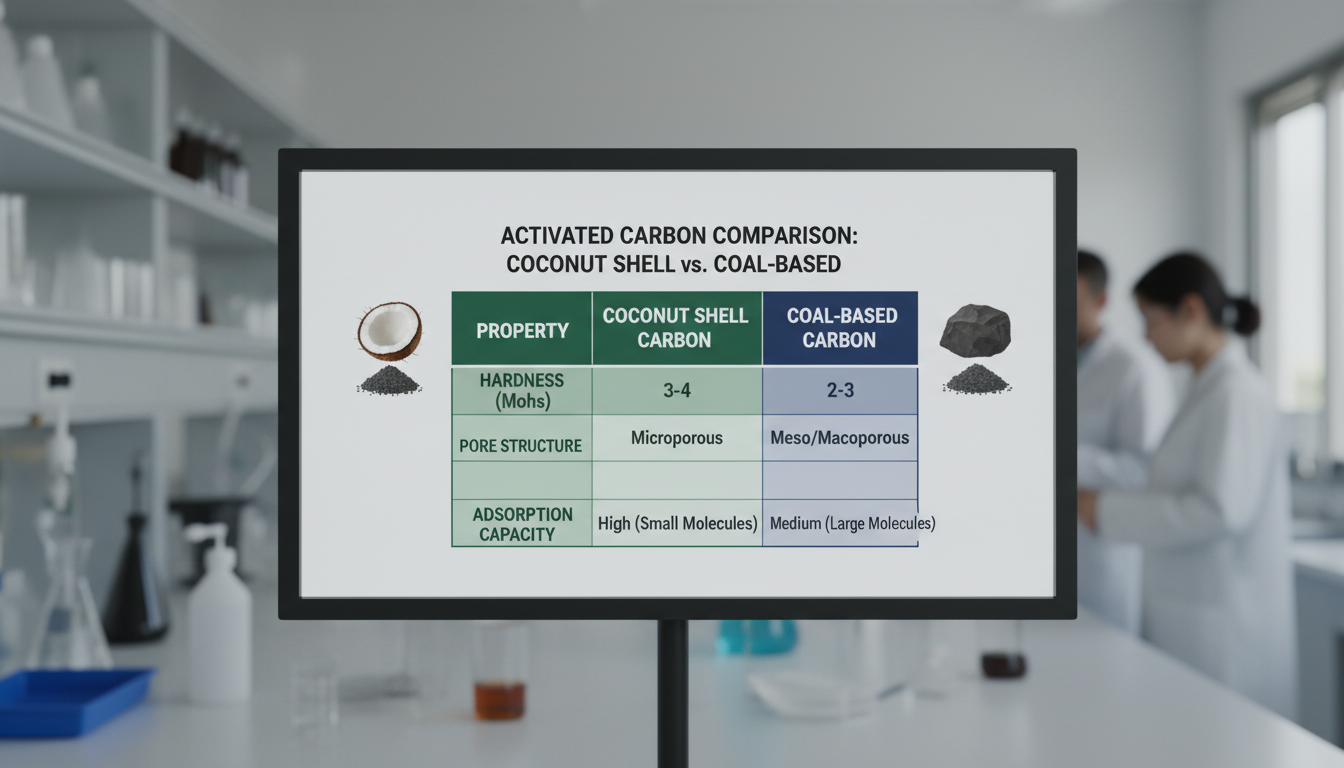
Mechanical strength prevents a costly problem called attrition. When carbon breaks down into fines during the vigorous mixing in CIP and CIL tanks, you lose both the carbon itself and the gold it’s carrying. We prefer coconut shell granular activated carbon for its superior hardness—it can handle the rough treatment without crumbling.
Particle size distribution affects how well the carbon contacts the solution. Most operations use 6×12 mesh or 5×10 mesh sizes. These balance adsorption speed with practical handling. Go too small and you risk clogging screens; too large and you sacrifice surface contact.
How the Cyanidation Process Works
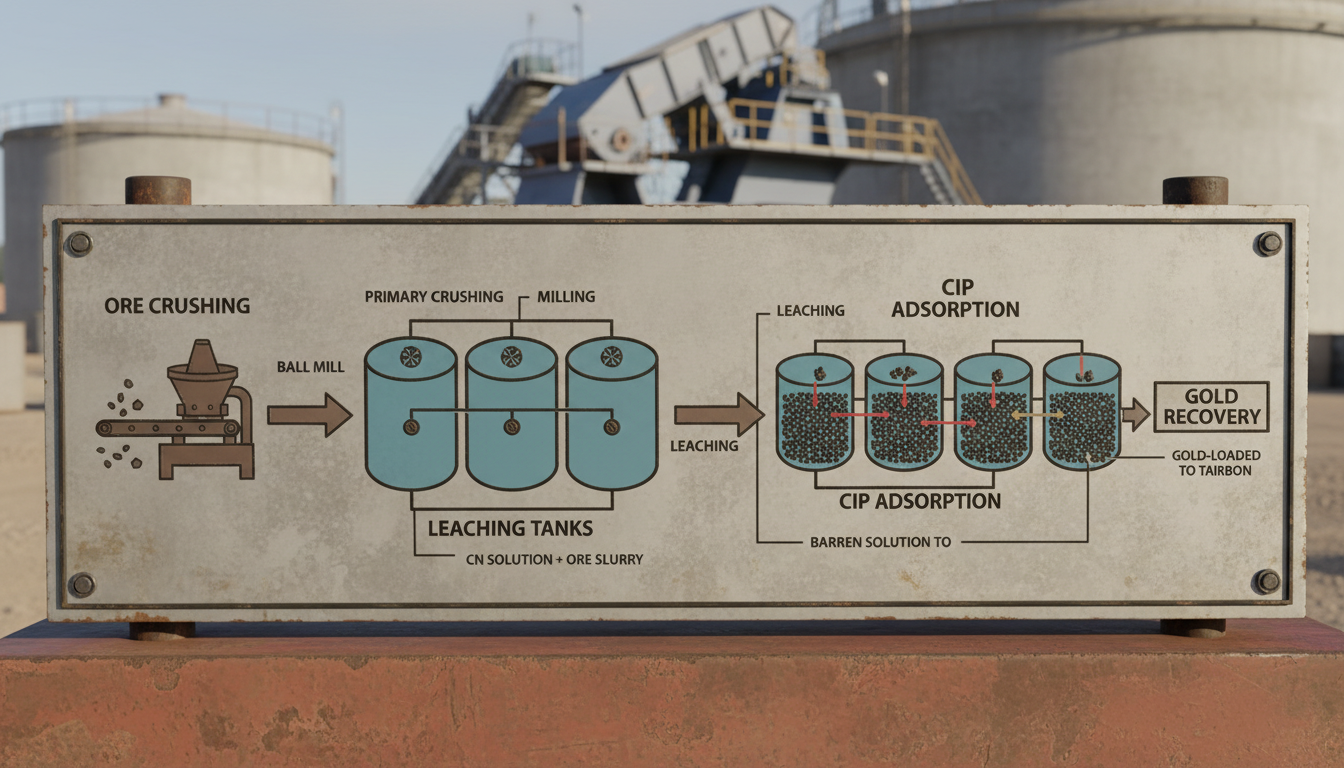
Gold cyanidation starts when crushed ore meets a cyanide solution—usually sodium or potassium cyanide. The cyanide dissolves gold from the ore, forming a gold-cyanide complex in the solution. This process can happen in tanks, heaps, or columns depending on your operation’s setup.
Once you’ve got gold dissolved in solution, that’s where activated carbon enters the picture. In CIP operations, you complete the leaching first, then add carbon to adsorb the gold. CIL operations do both simultaneously—leaching and adsorption happen in the same tanks. CIC systems pump the gold-bearing solution through columns packed with activated carbon.
The whole process runs in stages. First comes leaching (anywhere from 24 to 48 hours typically), then adsorption onto carbon, followed by separation of loaded carbon from the slurry. After that, you strip the gold from the carbon using hot caustic cyanide solution in a process called elution. Finally, electrowinning or precipitation pulls the gold out of the concentrated solution.
One big advantage? You can regenerate and reuse the carbon multiple times. This cuts costs and reduces waste compared to single-use materials.
Why Coconut Shell Carbon Dominates
Walk into any modern gold operation and you’ll likely find coconut shell-based activated carbon. There’s good reason for this dominance. Coconut shells produce carbon with a microporous structure that’s perfect for capturing gold ions. More than 80% of the pore structure consists of micropores, which matches up perfectly with the size of gold-cyanide complexes.
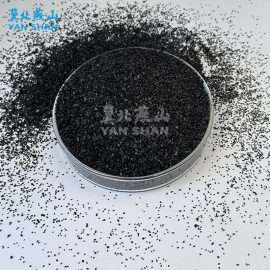
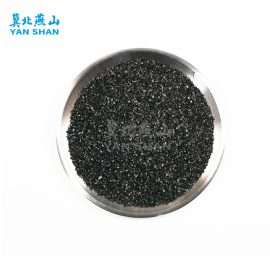
The hardness factor can’t be overstated. Coconut shell carbon outperforms coal-based activated carbon and apricot shell carbon when it comes to resisting wear. In the turbulent mixing environment of CIP and CIL tanks, this translates directly to less carbon loss and better gold retention.
Another plus: it’s renewable. Coconut shells are an agricultural byproduct, making this an eco-friendlier choice compared to coal-based alternatives. Mining companies looking to reduce their environmental footprint appreciate this sustainability angle.
The K-value measures equilibrium adsorption capacity. For coconut shell carbon used in gold recovery, higher K-values mean more gold loading per unit of carbon. Combined with good R-values, you get both capacity and speed.
Factors That Affect Gold Loading
Several variables influence how well your carbon performs. pH levels play a big role—most operations find the sweet spot around pH 10 to 10.5. Go too high or low and adsorption drops off.
Carbon concentration in the slurry matters too. Add more carbon and you generally increase overall adsorption, but there’s a point of diminishing returns where you’re just wasting material. Most operations dial in the right ratio through testing.
Mixing intensity affects the boundary layer around carbon particles. Better agitation thins this layer, speeding up adsorption. But go too aggressive and you risk breaking the carbon.
Competing ions can interfere with gold loading. Copper, zinc, and other metals in solution might compete for adsorption sites. High-quality carbon with good selectivity minimizes this problem. Organic compounds in the ore can also “poison” the carbon, reducing its effectiveness. Pre-treatment steps can help with problematic ores.
Temperature influences kinetics. Warmer solutions typically speed up adsorption, but the effect isn’t dramatic enough to justify heating in most operations.
How to Choose the Right Carbon for Your Operation
Picking activated carbon isn’t one-size-fits-all. Different ores and processes need different carbon characteristics. Start by testing carbon samples with your specific ore and solution chemistry. Lab tests measuring K-value and R-value give you solid data to compare products.
Look at the technical specs: iodine value (aim for 950+ mg/g), surface area (1400+ m²/g works well), strength (97%+ hardness), and low ash content (under 10%). These numbers tell you if the carbon can handle your application.
Consider your process type. CIP operations might favor slightly different specs than CIL or CIC systems. Column operations benefit from uniform particle size to prevent channeling, while tank operations can tolerate more variation.
Price matters, but cheap carbon that breaks down quickly costs more in the long run. Factor in the carbon’s lifespan, regeneration capability, and gold losses from attrition. Sometimes paying more upfront saves money overall.
Supplier reliability counts too. You need consistent quality batch to batch, reliable delivery, and technical support when problems crop up. We work with operations globally, providing coconut shell powdered activated carbon and granular forms tailored to specific needs.
Regeneration and Reuse
One of activated carbon’s best features? You can clean it and use it again. After stripping the gold, the carbon still contains organic compounds and other impurities that block pores. Regeneration burns these off, restoring adsorption capacity.
Rotary kilns handle most regeneration work, heating the carbon to 600-800°C in a controlled atmosphere. This thermal treatment removes organic contaminants while preserving the pore structure. Some operations use chemical regeneration as a supplementary step.
You’ll see some capacity loss with each cycle—that’s normal. Good coconut shell carbon might go through 10-15 regeneration cycles before needing replacement. This reusability dramatically reduces operating costs compared to fresh carbon for every batch.
Proper regeneration technique matters. Too hot and you damage the pore structure; too cool and you don’t remove enough contaminants. Most operations develop specific protocols through trial and error, then stick with what works.
Common Challenges and Solutions
Attrition remains the biggest headache. Even hard coconut shell carbon breaks down over time, producing fines that escape through screens. Regular carbon replacement and careful control of mixing intensity help manage this.
Platelet formation—flat carbon particles that plug screens—causes operational issues. Quality carbon suppliers minimize platelets through screening and wind separation during manufacturing. Some operations add pre-grinding steps, though modern wood powder activated carbon alternatives exist for specific applications.
Carbon poisoning from organic compounds in ore slows adsorption. Pre-oxidation of the ore or solution can break down these “poisons.” Some operations adjust their carbon addition strategy to compensate.
Gold losses in tailings happen when carbon doesn’t capture everything. Optimizing contact time, carbon concentration, and mixing conditions reduces these losses. Monitoring effluent gold concentration helps you catch problems early.
Conclusion
Gold adsorption activated carbon has become the backbone of modern gold recovery operations. Its ability to selectively capture gold from cyanide solutions, combined with reusability and relatively straightforward handling, makes it the go-to choice for CIP, CIL, and CIC processes worldwide. Coconut shell-based carbon leads the pack thanks to superior hardness, ideal pore structure, and renewable sourcing.
Success comes down to matching the right carbon to your specific operation. Understanding key properties like K-value, R-value, mechanical strength, and particle size helps you make informed choices. Factor in your ore characteristics, process design, and economic constraints to optimize performance.
The technology continues evolving, with new carbon formulations and process improvements pushing recovery rates higher. But the fundamentals remain solid: high surface area, appropriate pore structure, mechanical durability, and good adsorption kinetics. Get those right and your gold recovery operation will thrive.
Frequently Asked Questions
What’s the difference between CIP and CIL processes?
CIP (Carbon-in-Pulp) completes cyanide leaching first, then adds activated carbon to adsorb gold from the slurry in separate tanks. CIL (Carbon-in-Leach) adds carbon directly to the leaching tanks, so leaching and adsorption happen simultaneously. CIL saves time and works better with carbon-containing ores that might “rob” gold, while CIP gives you more control over each step and works well with ores that need complete leaching before adsorption.
How many times can you regenerate activated carbon?
High-quality coconut shell activated carbon typically goes through 10-15 regeneration cycles before performance drops too much for continued use. Each cycle causes some capacity loss—usually 2-5%—as the pore structure gradually degrades. The actual number depends on your ore chemistry, how well you control the regeneration process, and what performance standards you need. Some operations squeeze out 20+ cycles with careful management, while harsh conditions might limit you to fewer cycles.
Why is coconut shell carbon better than coal-based carbon for gold recovery?
Coconut shell carbon offers higher hardness and better attrition resistance, which means less carbon loss during the vigorous mixing in gold recovery tanks. Its microporous structure (80%+ micropores) matches perfectly with gold-cyanide complex sizes, giving better loading capacity. It also produces lower ash content and comes from a renewable source, making it more environmentally friendly. While coal-based carbon costs less upfront, the reduced losses and longer lifespan of coconut shell carbon typically make it more economical overall.
What does the K-value tell you about activated carbon?
The K-value measures equilibrium adsorption capacity—basically how much gold the carbon can hold when it’s fully loaded. It comes from the Freundlich adsorption isotherm using pulverized carbon in a 1 mg gold/liter solution. Higher K-values mean more gold loading per weight of carbon, which translates to less carbon needed for your operation. But don’t just chase high K-values—you also need good R-values (adsorption rate) and mechanical strength for real-world performance.
Can activated carbon work with gold ores that have high copper content?
Yes, but it takes some care. Copper competes with gold for adsorption sites on the carbon. The good news: activated carbon shows higher selectivity for gold than copper in cyanide solutions, especially at typical operating pH levels (10-11). If copper levels run really high (above 1%), you might need to increase carbon concentration or adjust contact time. Some operations run flotation first to remove copper before cyanidation. The carbon will still adsorb gold effectively, you just need to account for the competition in your process design.