

Gold mining operations around the world rely on a material that might surprise you: activated carbon. This highly porous substance has transformed how we extract gold from ore, making the process more efficient and economical. About 90% of gold ore globally is processed using cyanidation methods, and activated carbon plays a central role in recovering dissolved gold from these solutions.
Think of activated carbon as a microscopic sponge with an enormous surface area—roughly an acre per quarter teaspoon. This unique structure allows it to capture and hold gold particles that have been dissolved in cyanide solutions, separating them from waste material and making gold recovery possible at commercial scales.
What Makes Activated Carbon Work in Gold Recovery
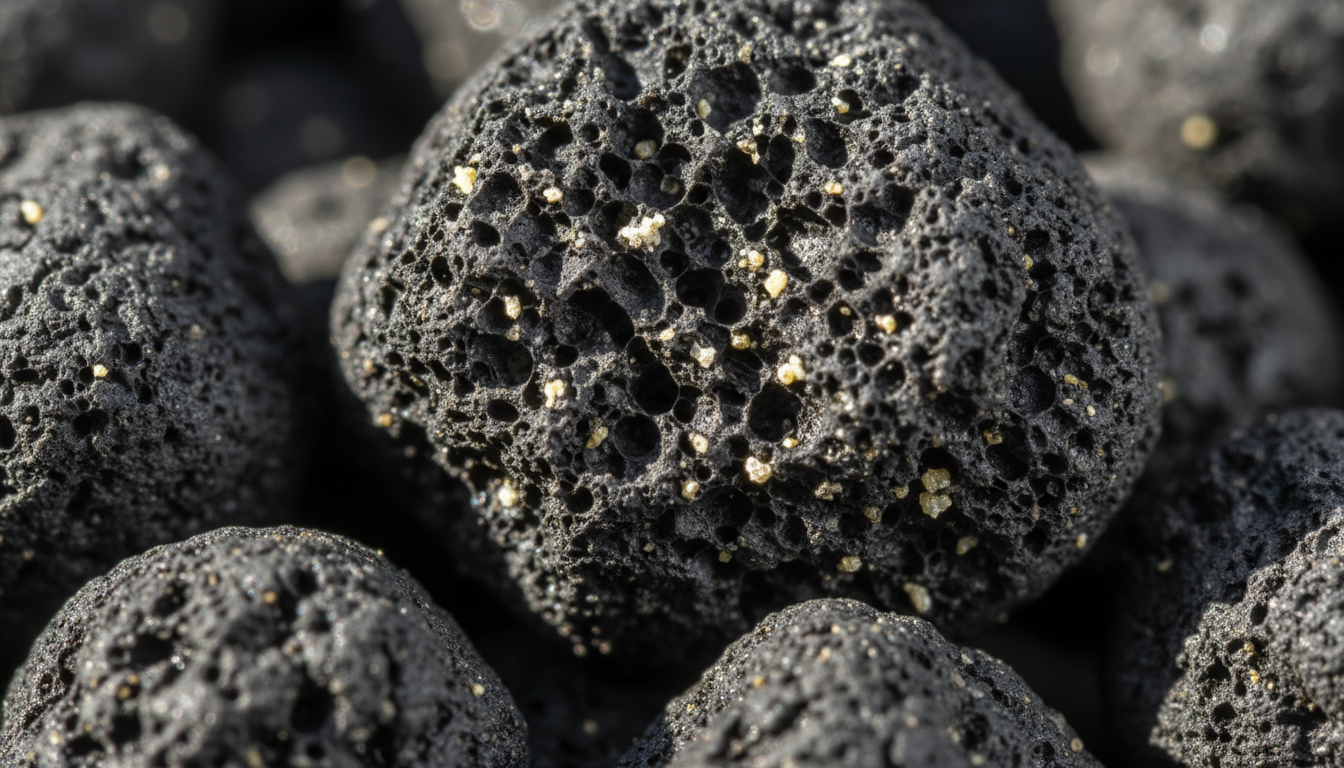
The science behind gold mining activated carbon is pretty straightforward. During the cyanidation process, crushed gold ore gets mixed with a cyanide solution that dissolves the gold, forming what’s called a gold-cyanide complex or Au(CN)₂⁻. This “pregnant solution” contains dissolved gold that needs to be separated and recovered.
Activated carbon steps in here with its ultra-porous structure. The material’s micropores are roughly the same size as the gold-cyanide complex ions, creating an ideal trap. As the solution passes through or mixes with the carbon, these gold complexes get adsorbed onto the carbon’s vast internal surface area. We offer several types of coconut shell activated carbon specifically engineered for this purpose.
The adsorption process happens through both physical and chemical attraction. The carbon’s surface properties and pore structure work together to selectively grab gold ions from the solution while leaving other materials behind. This selectivity is what makes activated carbon so valuable in gold mining operations.
Three Main Gold Recovery Methods Using Carbon
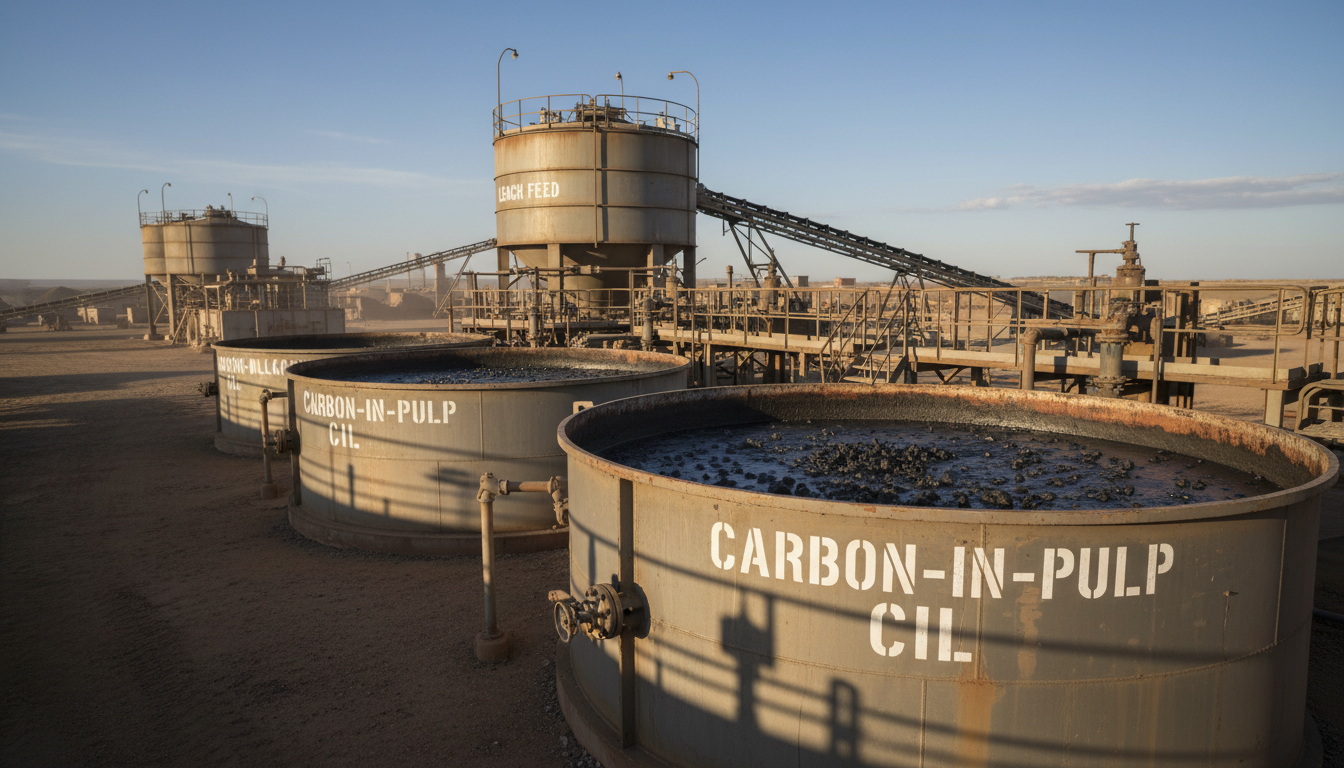
Gold mines use activated carbon in three primary systems, each with distinct advantages:
Carbon-in-Pulp (CIP) involves leaching gold from crushed ore first, then adding activated carbon to adsorb the dissolved gold from the resulting pulp. The carbon moves counter-current to the pulp flow, maximizing contact and gold loading.
Carbon-in-Leach (CIL) combines leaching and adsorption in the same tanks. This simultaneous approach works particularly well for ores containing “preg-robbing” materials—natural carbon or organic matter that might compete with added carbon for gold. By having activated carbon present during leaching, mines can capture gold immediately as it dissolves.
Carbon-in-Column (CIC) is typically used after heap leaching operations. The dilute gold-bearing solution gets pumped through columns packed with activated carbon, which adsorbs the gold as the solution flows through. Our coal-based activated carbon and coconut shell varieties both perform well in these applications.
Why Coconut Shell Carbon Dominates Gold Mining
Walk into most gold processing plants, and you’ll find coconut shell-based activated carbon. There’s good reason for this industry preference. Coconut shell carbon offers superior mechanical strength and hardness compared to alternatives like coal or wood-based carbons.
This hardness matters because carbon particles in CIP and CIL systems undergo constant agitation and movement. Weaker carbon breaks down into fines through attrition, which means losing both the carbon itself and the gold it’s carrying. Coconut shell carbon resists this breakdown, maintaining particle integrity through multiple cycles of use and regeneration.
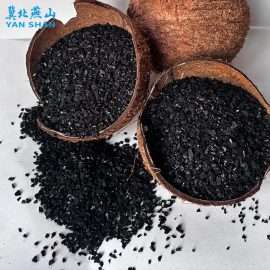
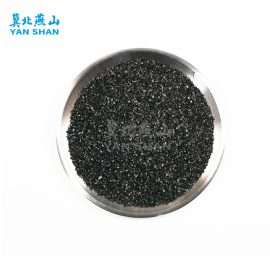
The microporous structure of coconut shell carbon is also particularly well-suited to gold recovery. Its pore size distribution provides both fast adsorption kinetics and high loading capacity—you get gold onto the carbon quickly, and you can load more gold per unit of carbon. This translates directly to better throughput and lower operating costs.
Mesh sizes of 6×12 and 8×16 are most commonly specified for gold mining applications. These granular sizes balance adsorption performance with practical handling characteristics. We stock both granular and powdered forms to meet different operational needs.
Getting Gold Off the Carbon: Elution and Regeneration
Once activated carbon has done its job adsorbing gold, you need to get that gold back off. This happens through a process called elution or stripping. Gold-loaded carbon gets transferred to a stripping vessel where hot caustic cyanide solution flows through, removing the gold and creating a concentrated gold solution ready for final recovery through electrowinning or precipitation.
The beauty of activated carbon is its reusability. After elution, an acid wash helps remove some impurities, partially reactivating the carbon. For more complete regeneration, the spent carbon goes through thermal reactivation in a rotary kiln at high temperatures (typically 800-950°C). This burns off organic contaminants that accumulated during use, restoring the carbon’s adsorption capacity.
Quality carbon can go through 10-20 regeneration cycles while maintaining good performance. This reusability makes activated carbon economically attractive and more sustainable than single-use alternatives. The regeneration process does cause some carbon loss—typically you’ll lose 5-10% of your carbon inventory per cycle—but the overall economics still favor regeneration over constant replacement.
How to Select Quality Carbon for Your Operation
Not all activated carbon performs equally in gold recovery. Several key specifications separate mediocre carbon from high-performing material:
Hardness and attrition resistance directly affect gold losses. Look for carbon with hardness values above 95-97%. Higher hardness means less breakdown into fines and lower gold loss rates.
Adsorption capacity and rate determine how much gold you can load and how quickly. The “K value” represents loading capacity per unit weight, while the “R value” indicates adsorption speed. Both matter for maximizing recovery efficiency.
Low ash content prevents contamination and improves performance. Premium coconut shell carbons typically show ash content below 3-5%.
Minimal platelets (flat, weak particles) is also important. Even if the overall carbon strength is high, platelets break down easily and contribute to gold losses. Quality suppliers screen out platelets during processing.
Bulk density affects how much carbon fits in your tanks and the overall adsorption capacity per unit volume. Higher bulk density means more carbon particles—and more adsorption sites—in the same space.
When evaluating suppliers, ask about their manufacturing process. Slep furnace activation generally produces higher strength carbon compared to converter furnace methods, though at slightly higher cost and lower maximum iodine values. The trade-off often favors the stronger carbon for gold recovery applications where attrition resistance is paramount.
Conclusion
Gold mining activated carbon represents one of those materials that quietly enables an entire industry. Its ability to selectively adsorb gold from complex cyanide solutions, withstand harsh processing conditions, and regenerate for multiple uses makes modern gold recovery economically viable. Whether you’re running CIP, CIL, or CIC operations, choosing the right activated carbon directly impacts your recovery rates, operating costs, and bottom line. The key is understanding your specific ore characteristics and process requirements, then matching them to carbon specifications that deliver consistent performance cycle after cycle.
FAQs
What is the typical gold loading capacity of activated carbon?
Activated carbon used in gold mining typically achieves loading capacities of 3,000-8,000 grams of gold per metric ton of carbon, depending on the carbon quality, solution conditions, and contact time. Premium coconut shell carbons on the high end of this range offer better economics through higher loading before elution is needed. The K value specification helps predict loading capacity for specific carbons.
How long does activated carbon last in gold recovery operations?
Quality activated carbon can go through 10-20 regeneration cycles before performance degrades significantly. Each cycle includes adsorption, elution, and thermal reactivation. With proper handling and regeneration, a batch of carbon might serve for 1-2 years in continuous operation. Losses from attrition and incomplete recovery during transfer typically amount to 5-10% per cycle, requiring regular makeup additions.
Can activated carbon recover gold from any type of ore?
Activated carbon works best with ores that respond well to cyanide leaching. Some ores contain substances like sulfides or certain base metals that interfere with cyanidation and require pre-treatment. “Preg-robbing” ores containing natural organic carbon can compete with added activated carbon, though CIL processes help address this. The ore’s gold grade, mineralogy, and chemistry all affect whether carbon-based recovery is the best approach.
What’s the difference between CIP and CIL gold recovery?
CIP (Carbon-in-Pulp) performs leaching and adsorption separately—ore gets leached first in dedicated tanks, then the gold-bearing solution contacts activated carbon in separate adsorption tanks. CIL (Carbon-in-Leach) combines both steps in the same tanks with leaching and adsorption happening simultaneously. CIL works better for preg-robbing ores where you want carbon present immediately to capture gold as it dissolves. CIP is simpler to operate when preg-robbing isn’t an issue.
Why is coconut shell preferred over coal-based carbon for gold mining?
Coconut shell activated carbon offers superior hardness and attrition resistance compared to coal-based alternatives. This strength is critical because carbon particles endure constant agitation in CIP and CIL systems. When carbon breaks down into fines, you lose both the carbon and the gold it’s carrying. Coconut shell carbon’s microporous structure also provides excellent adsorption kinetics and capacity for gold-cyanide complexes. While coal-based carbon costs less initially, the better performance and longer life of coconut shell carbon usually provides better overall economics.