

The mining industry has relied on a powerful tool for decades—activated carbon that pulls gold from cyanide solutions with impressive precision. This technology has transformed how we recover precious metals, making operations more profitable and less wasteful.
Gold doesn’t exist in nature as pure nuggets waiting to be collected. Most gold is locked inside ore, requiring complex extraction processes. That’s where activated carbon enters the picture. This porous material acts like a magnet for gold ions, separating them from solution so they can be collected and refined. We’ve seen countless mining operations double their recovery rates simply by switching to quality coconut shell activated carbon.
What is Gold Recovery Activated Carbon?
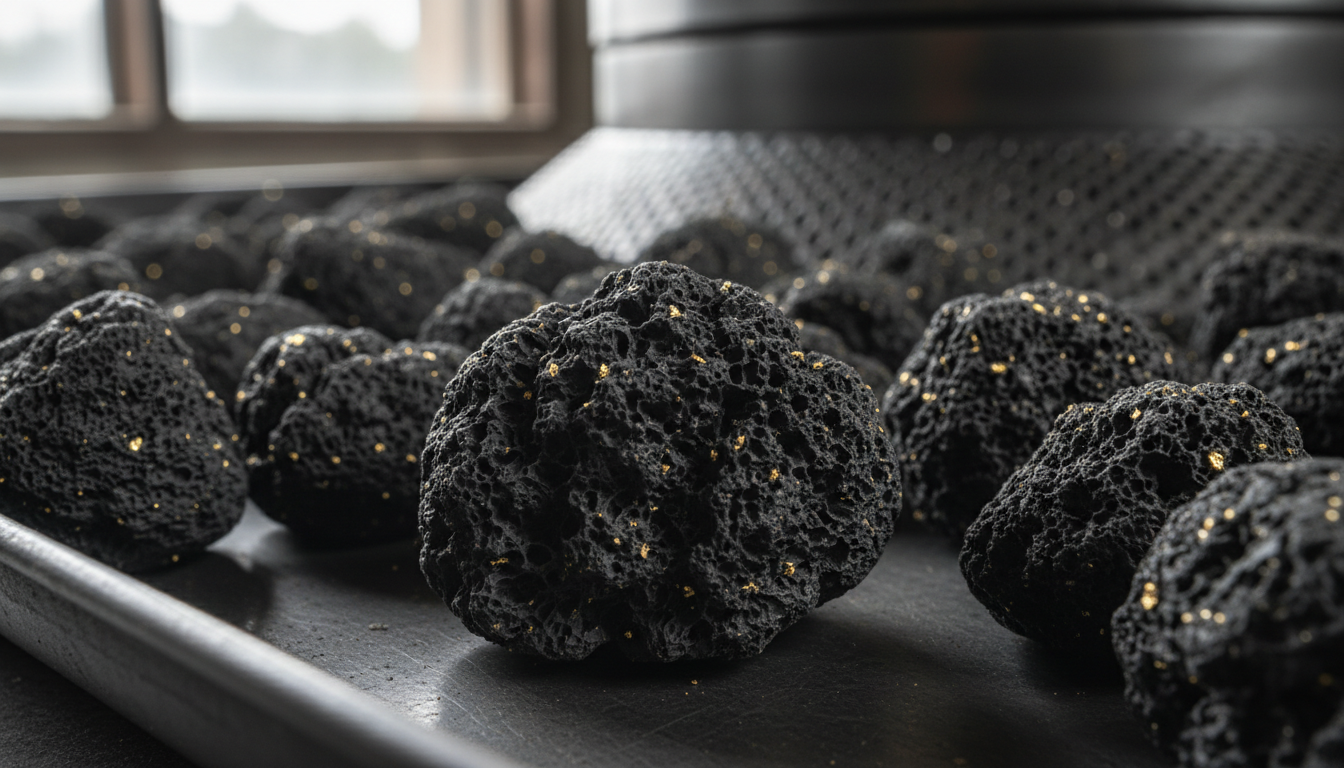
Think of activated carbon as a sponge with millions of tiny holes. The production process creates an incredible surface area—about an acre per quarter teaspoon. That massive surface allows the carbon to trap and hold gold particles from liquid solutions.
The activated carbon used for gold recovery is specifically manufactured and treated to optimize its adsorption capacity and durability. Not all activated carbon works the same way. Mining operations need carbon with specific properties: high hardness to resist breaking down, optimal pore size for gold adsorption, and the ability to withstand repeated use.
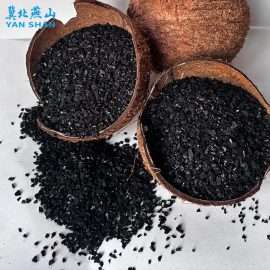
Coconut shell-based carbons are the most commonly selected type of activated carbon for gold recovery. This type of carbon boasts numerous characteristics that make it ideal for use in gold recovery, including superior hardness and pore structure. Different materials produce activated carbon—coal, wood, fruit shells—but coconut shell consistently outperforms others in mining applications.
How Activated Carbon Works in Gold Extraction
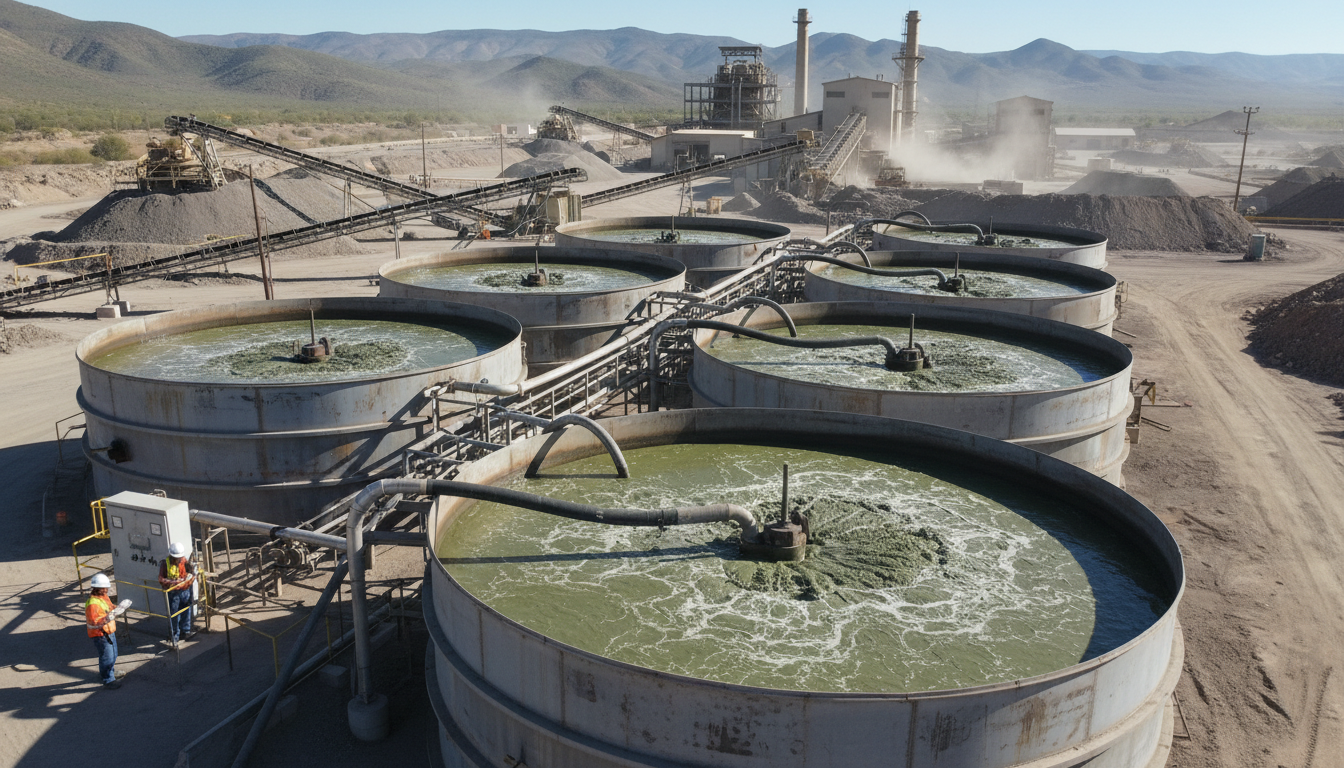
The gold extraction process starts with crushing ore into fine particles. Through reaction with the ore, the cyanide leaching solution, typically sodium or potassium cyanide, forms an aqueous solution of a cyanide-gold complex. This creates a liquid containing dissolved gold ions mixed with water and other compounds.
Activated carbon gets added to this gold-bearing solution. Activated carbon’s high surface area and porosity allow it to attract and hold the gold particles, separating them from the cyanide solution. The carbon particles grab onto gold ions as the solution flows past, loading up with precious metal.
The gold can then be desorbed from the loaded carbon in a process known as elution (this step is often referred to as stripping), which produces a high gold concentrate solution from which gold can be electrowon. After stripping the gold, operators can recover pure metal through electrowinning or other methods. The carbon itself gets cleaned and reused, making the whole system remarkably efficient.
Types of Gold Recovery Processes

Three main methods dominate modern gold mining: Carbon-in-Pulp (CIP), Carbon-in-Leach (CIL), and Carbon-in-Column (CIC). Each has specific applications and benefits.
With carbon-in-pulp, the ore is finely ground and the gold is solubilised using a cyanide leach in a series of tanks. Carbon is then added which adsorbs the gold. This method has a high gold recovery percentage. CIP separates leaching and adsorption into distinct steps, giving operators more control over each phase.
Carbon-in-leach combines leaching with the carbon-in-pulp process, creating a single unit process operation. Usually this method is chosen when native carbon (a high organics load) is present in the gold ore, adsorbing the leached gold and preventing its recovery. The simultaneous leaching and adsorption saves time and reduces equipment needs.
This method involves the gold cyanide solution flowing through a series of fluidised bed columns in an up-flow configuration. Carbon-in-Column works best for clear solutions from heap leaching operations, where the liquid has already been separated from solid ore particles.
Why Coconut Shell Activated Carbon Leads the Pack
We recommend coconut shell granular activated carbon for most gold mining applications. The reasons come down to performance and longevity.
At present, it is generally believed that the best raw material for making activated carbon is coconut shell, which mainly has the advantages of large surface area, large micropore volume, fast adsorption speed, large adsorption capacity for gold, good wear resistance and easy reactivation and utilization. These properties translate directly to better recovery rates and lower operating costs.
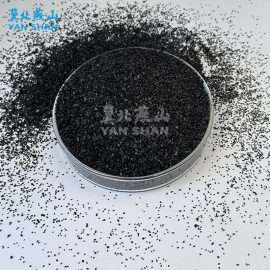
Coconut shell carbon resists breaking down during the vigorous mixing and pumping that happens in mining circuits. Using activated carbon of optimal hardness minimizes fines and recovers more gold. When carbon particles break into fines, they slip through screens along with the adsorbed gold—a direct loss of valuable metal.
The microporous structure of coconut shell carbon perfectly matches the size of gold-cyanide complexes. This isn’t an accident. The activation process for coconut shells creates pores in the ideal size range for capturing these specific molecules.
Key Properties That Matter
Several specifications determine whether activated carbon will perform well in gold recovery. We test every batch to confirm it meets these standards.
Often called loading capacity, the adsorptive capacity of activated carbon refers to how much the activated carbon can adsorb. Higher capacity means each kilogram of carbon can hold more gold before needing regeneration. This directly affects how much carbon you need to buy and handle.
Mechanical strength is important in reducing losses because of attrition. Attrition is the breakdown of material into fines. Not only does this result in carbon loss, but it also causes a loss in recoverable gold. Hardness testing reveals how well carbon will hold up to months of continuous agitation.
Particle size distribution affects how quickly gold adsorbs and how easily carbon moves through the system. Too large and adsorption slows down. Too small and the particles escape through screens. Most operations use 6×12 or 8×16 mesh sizes, which hit the sweet spot for both adsorption rate and retention.
Platelet content matters more than many people realize. Flat, thin carbon particles—platelets—slip through screens and cause gold losses. Quality activated carbon products go through special processing to remove these problem particles.
Carbon Regeneration and Reusability
One of the many benefits to using activated carbon is that it is reusable. Instead of purchasing new activated carbon, the saturated carbon can be reactivated and used again. This makes the economics of carbon-based gold recovery particularly attractive.
After stripping gold from loaded carbon, some contaminants remain. This is commonly carried out through the use of a rotary kiln – a rotating vessel which utilizes high temperatures to remove undesirable components through a series of chemical reactions and phase changes. The high-temperature treatment burns off organic compounds that acid washing can’t remove.
Over 100 cycle regenerations possible with very low deterioration of adsorption with cycles performed Quality coconut shell carbon maintains its performance through dozens of regeneration cycles. We’ve seen carbon from reliable suppliers last 2-3 years in continuous operation, making the initial investment pay off many times over.
The regeneration process does require energy and equipment. However, the cost of reactivation runs far below the price of replacement carbon. Most mining operations regenerate on-site using rotary kilns, keeping turnaround time short.
Conclusion
Gold recovery activated carbon has become the backbone of modern precious metal mining. The combination of high adsorption capacity, mechanical durability, and reusability makes it the most practical solution for extracting gold from cyanide solutions.
Coconut shell activated carbon stands out as the top choice, offering superior performance across all the metrics that matter—hardness, pore structure, loading capacity, and longevity. Whether you’re running CIP, CIL, or CIC operations, the right activated carbon directly affects your bottom line through higher recovery rates and lower operating costs.
We’ve seen the difference quality carbon makes. Operations that invest in premium coal-based activated carbon or coconut shell products consistently outperform those using cheaper alternatives. The gold you recover more than pays for the difference in carbon cost.
Frequently Asked Questions
How does activated carbon capture gold from cyanide solutions?
Activated carbon works through adsorption, where gold-cyanide complexes stick to the carbon’s porous surface. The massive surface area—created by millions of microscopic pores—provides countless sites for gold ions to attach. The carbon essentially acts as a filter that selectively grabs gold while letting other compounds pass through. This happens naturally when you mix carbon into gold-bearing solutions.
What makes coconut shell activated carbon better than other types for gold mining?
Coconut shell carbon offers the best combination of hardness, pore structure, and adsorption capacity. It resists breaking down during the rough handling that happens in mining circuits, which means less gold loss through fines. The micropore volume in coconut shell carbon matches perfectly with the size of gold-cyanide molecules. It also reactivates more easily and lasts through more regeneration cycles than coal or wood-based alternatives.
How many times can you regenerate activated carbon before replacing it?
Quality coconut shell activated carbon can go through 100+ regeneration cycles with minimal performance loss. In practice, most mining operations get 2-3 years of continuous use from a batch of carbon. The actual lifespan depends on operating conditions, ore characteristics, and how well you maintain the carbon. Regular testing helps you know when performance drops enough to warrant replacement.
What’s the difference between CIP, CIL, and CIC processes?
Carbon-in-Pulp (CIP) performs leaching first, then adds carbon to adsorb gold in separate tanks. Carbon-in-Leach (CIL) does both simultaneously, adding carbon directly to the leaching tanks. Carbon-in-Column (CIC) pumps pre-leached solution through columns packed with carbon. CIP offers more control, CIL saves equipment and time, and CIC works best for clear solutions from heap leaching.
How do you know if your activated carbon is performing well?
Monitor gold loading capacity through regular sampling and assay. Check for fines generation by measuring particle size distribution. Test solution gold levels before and after carbon contact to calculate recovery efficiency. Track how much carbon you’re losing to screens and tailings. Watch elution efficiency during stripping—declining performance signals carbon degradation. Most operations run these tests weekly or monthly depending on throughput.