

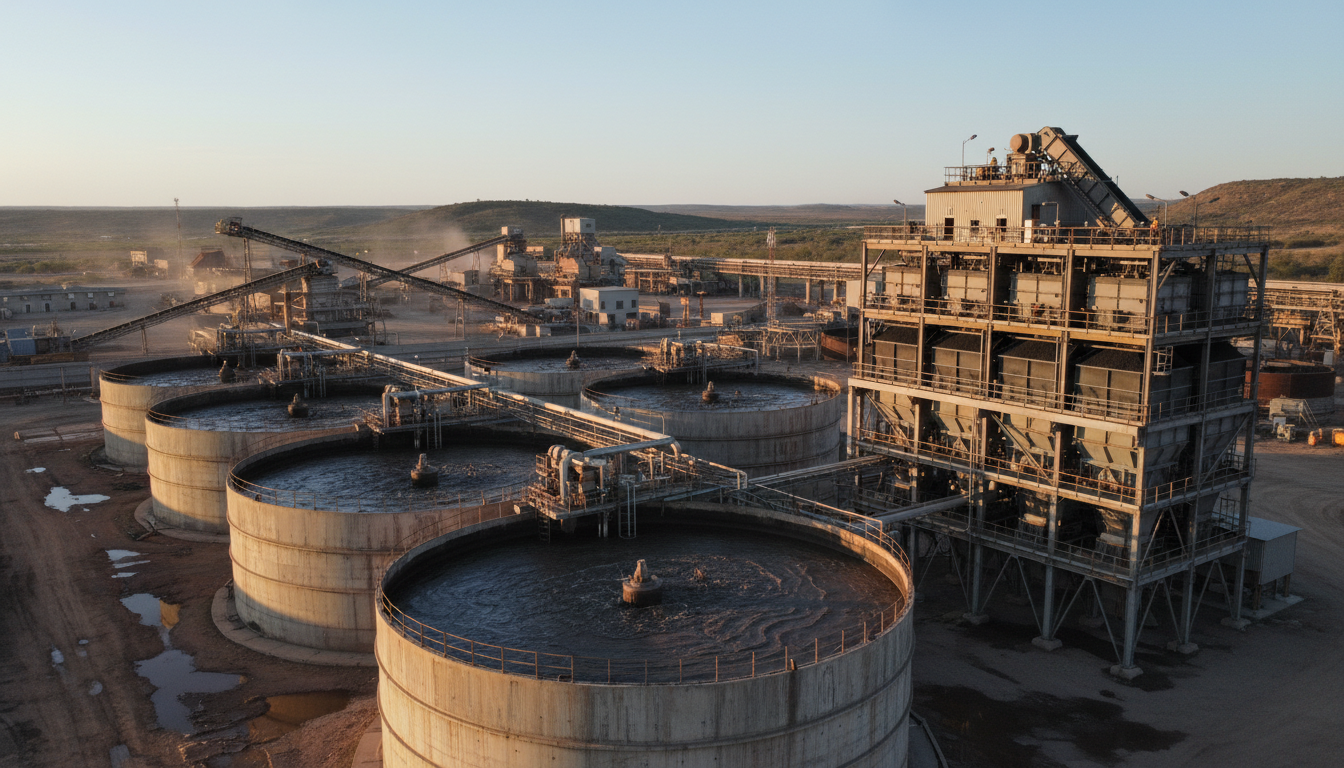
Finding the right gold recovery carbon supplier can make or break your mining operation’s profitability. Every ounce of gold you recover translates directly to your bottom line, and the activated carbon you choose plays a major role in how much precious metal you’ll extract from your ore.
We work with mining operations worldwide, and one thing is clear: not all activated carbon suppliers deliver the same quality or support. The difference between a good supplier and a great one often shows up in your recovery rates, operating costs, and how long your carbon lasts before needing replacement. Let’s walk through what you need to know to make the right choice.
What Makes Activated Carbon Work for Gold Recovery
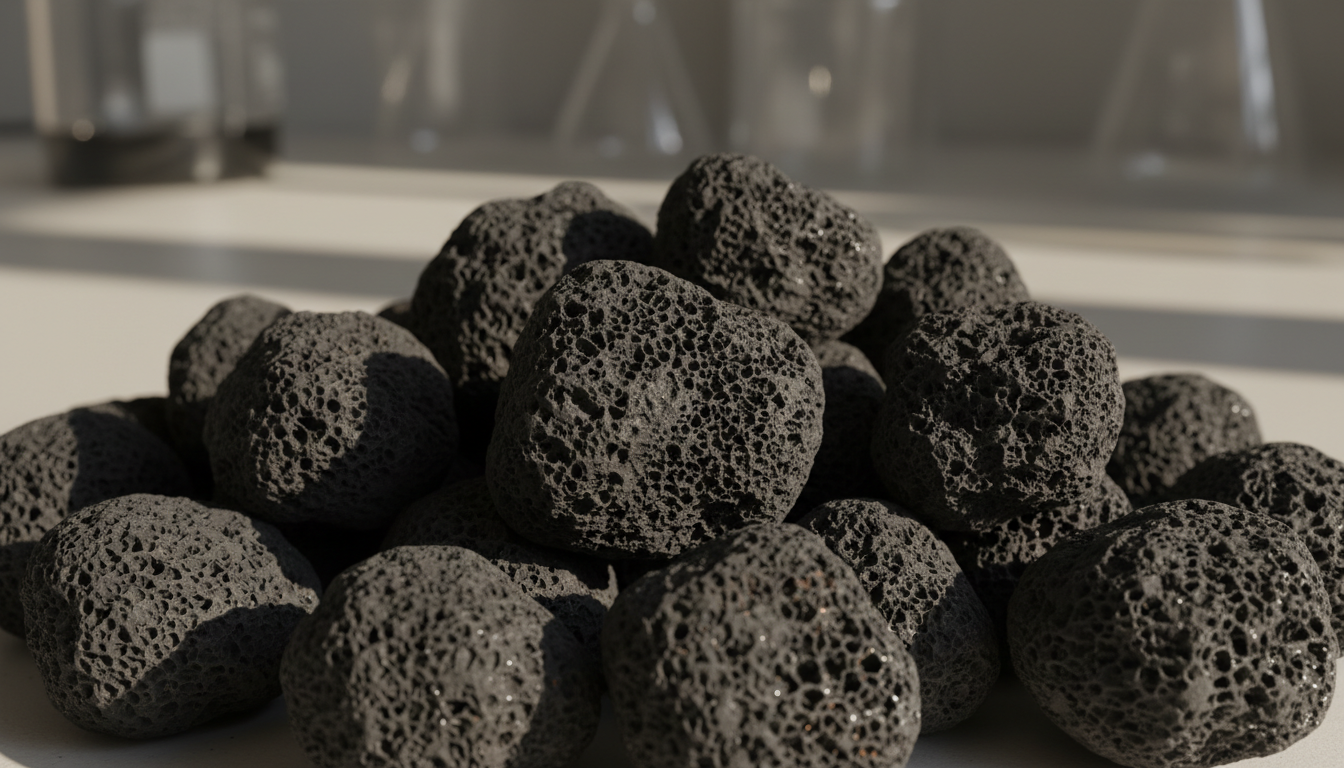
Activated carbon captures gold through the carbon-in-pulp process, where finely ground ore is leached with cyanide and carbon is added to adsorb the gold. Think of it like a sponge specifically designed to grab gold-cyanide complexes from solution while ignoring most other compounds.
Coconut-based activated carbons are typically chosen because of the superior hardness, tight pore structure, and high activity pores. We’ve seen operations try cheaper alternatives only to deal with excessive carbon loss and lower gold loadings. The microporous structure of quality coconut shell activated carbon creates millions of tiny spaces where gold particles get trapped and held.
Concentrations as high as 4000 to 8000 grams of gold per tonne of carbon can be achieved on the final loaded carbon. That’s a significant amount of value packed into each ton of activated carbon.
Key Properties to Look for in Gold Recovery Carbon
Your supplier should be able to provide specific technical data on their carbon products. Here’s what actually matters:
Hardness and attrition resistance top the list. For gold recovery circuits, it is essential that the activated carbon employed provides excellent process performance, minimal attrition loss and minimal maintenance problems. Soft carbon breaks down into fines, and those fines carry gold straight to your tailings.
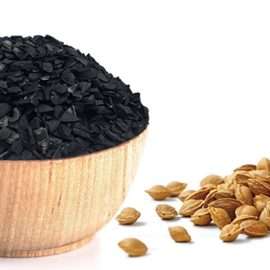
Adsorption capacity (K-value) tells you how much gold the carbon can hold per unit weight. Adsorption rate (R-value) indicates how quickly it grabs that gold. Both numbers matter, but we’ve found that hardness often gets overlooked until you’re already experiencing losses.
The higher the iodine value, the stronger the adsorption capacity. Look for iodine values between 900-1200 for gold recovery applications. Our coconut shell granular activated carbon meets these specifications consistently.
Particle size distribution affects everything from screening efficiency to contact time. 612mesh and 816mesh coconut shell granular activated carbon are commonly used in gold adsorption by carbon-in-pulp (CIP)/carbon-in-leach (CIL) systems on gold mines.
CIP, CIL, and CIC Processes
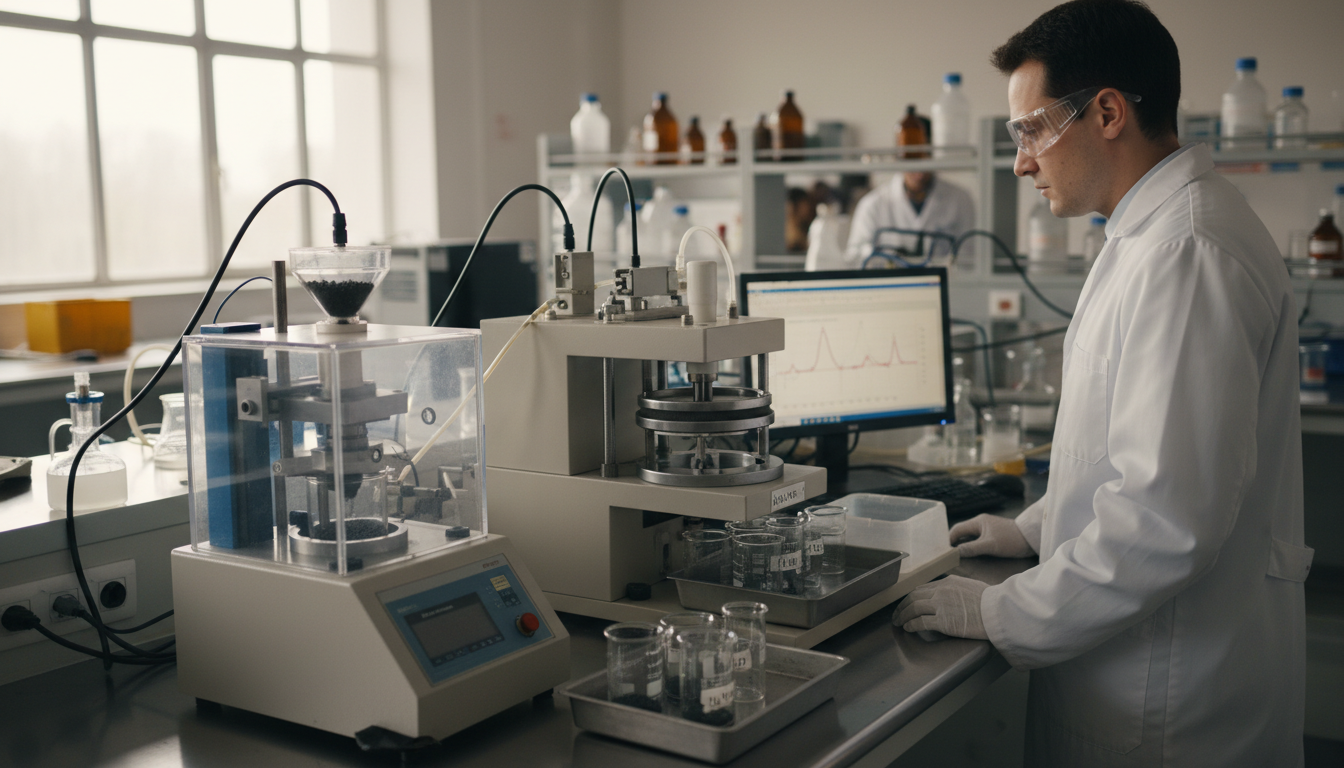
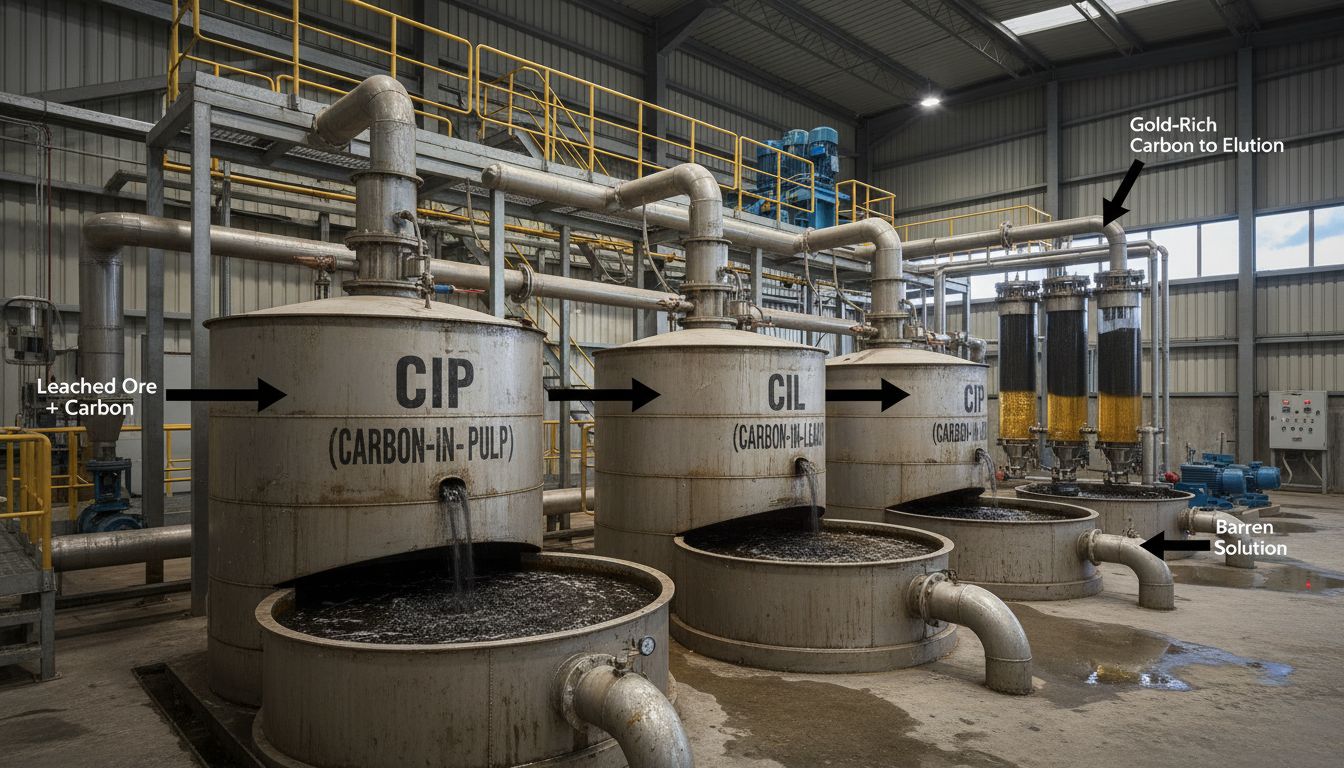
Carbon-in-leach combines leaching with the carbon-in-pulp process, creating a single unit process operation. Usually this method is chosen when native carbon is present in the gold ore, adsorbing the leached gold and preventing its recovery.
The process you’re running determines the carbon specifications you need:
- CIP (Carbon-in-Pulp): Carbon gets added after leaching is complete. Slightly less demanding on carbon quality, but you’ll still want high hardness.
- CIL (Carbon-in-Leach): Leaching and adsorption happen simultaneously. CIL typically offers higher recovery rates since the carbon is in contact with the gold during leaching, enhancing the adsorption process.
- CIC (Carbon-in-Column): Used mainly for heap leach operations where solution flows through packed carbon columns.
We supply activated carbon suitable for all three processes, with our coal-based activated carbon and apricot shell activated carbon options providing alternatives depending on your specific ore characteristics.
How to Evaluate a Gold Recovery Carbon Supplier
Price shouldn’t be your only consideration. We’ve watched operations save 10% on carbon costs only to lose 20% in recovery rates.
Technical support matters more than you might think. As well as supplying high quality products, we also offer unrivalled technical support helping our customers to understand how the carbon’s behaviour can affect recovery levels through audits, testing and on-site troubleshooting. Can your potential supplier help diagnose why your gold-on-carbon profile looks off? Do they understand your circuit configuration?
Consistency in product quality separates reliable suppliers from problem suppliers. Ask about their quality control processes. Our products are manufactured under carefully controlled activation conditions and post-activation treatment processes that ensure consistent and accurate particle size distribution, high particle density and hardness.
Supply reliability can’t be overlooked. Running out of carbon means halting your gold recovery operation. Look for suppliers with adequate inventory and established logistics.
Testing and sampling should be standard practice. Any reputable supplier will provide samples for you to test in your specific application before committing to large orders.
Maximizing Value from Your Carbon Supplier
Getting the most from your activated carbon investment goes beyond the initial purchase. The critical test for activated carbon is how well it keeps its properties after months of use and reuse. By using the most durable coconut feedstock, to withstand the rigorous carbonization and activation process, we can consistently manufacture quality activated carbon for gold extraction.
Regeneration capabilities extend your carbon’s useful life significantly. After carbon becomes loaded with gold and other compounds, thermal regeneration in rotary kilns can restore much of its adsorption capacity. Quality carbon from a good supplier might handle 100+ regeneration cycles before performance drops noticeably.
Work with your supplier to understand the full cost picture: initial price per ton, expected lifespan, regeneration potential, and gold loss rates. The cheapest carbon per ton often becomes the most expensive when you factor in replacement frequency and lost gold.
Conclusion
Choosing the right gold recovery carbon supplier affects every aspect of your operation’s performance. Focus on suppliers who can demonstrate consistent product quality, provide meaningful technical support, and understand the specific demands of gold recovery processes.
Look for coconut shell activated carbon with high hardness, appropriate particle sizing (typically 612 or 816 mesh), and strong adsorption characteristics. Don’t make your decision based solely on price—factor in the total cost of ownership including carbon losses, regeneration potential, and recovery rates.
We’ve been supplying activated carbon to mining operations globally, and we’re always happy to discuss your specific requirements. Whether you’re running CIP, CIL, or CIC circuits, the right carbon supplier partnership can help you maximize gold recovery while minimizing operating costs.
FAQs
What’s the difference between coconut shell and coal-based activated carbon for gold recovery?
Coconut shell activated carbon offers superior hardness and lower attrition compared to coal-based options, making it the preferred choice for most gold recovery applications. Coal-based carbon can work for certain applications but typically generates more fines and experiences faster degradation. The microporous structure of coconut shell carbon also provides better gold adsorption kinetics.
How long does activated carbon last in a gold recovery circuit?
Quality activated carbon can last through 100+ regeneration cycles when properly maintained. Actual lifespan depends on factors like ore characteristics, circuit configuration, regeneration practices, and the carbon’s initial quality. We typically see operations replacing carbon inventory gradually rather than all at once, maintaining a mix of newer and older carbon.
What particle size should I use for my CIP operation?
612 mesh and 816 mesh are the most common sizes for CIP and CIL operations. The 612 mesh (1.7-3.35mm) provides faster adsorption kinetics due to shorter diffusion paths, while 816 mesh (1.0-2.0mm) offers more surface area per unit volume. Your choice depends on your screening equipment and circuit design.
How do I know if my activated carbon supplier is reliable?
Request detailed specifications including hardness testing, iodine values, particle size distribution, and moisture content. Ask for customer references from other mining operations. A reliable supplier should offer samples for testing, provide technical support, demonstrate consistent quality control, and maintain adequate inventory to prevent supply disruptions.
Can activated carbon be regenerated, and should I do it on-site or send it out?
Yes, activated carbon can be thermally regenerated to restore adsorption capacity. On-site regeneration using rotary kilns provides faster turnaround and eliminates shipping costs, but requires capital investment and technical expertise. Sending carbon to specialist regeneration facilities makes sense for smaller operations. Either way, quality carbon from good suppliers regenerates more effectively and maintains performance longer.