

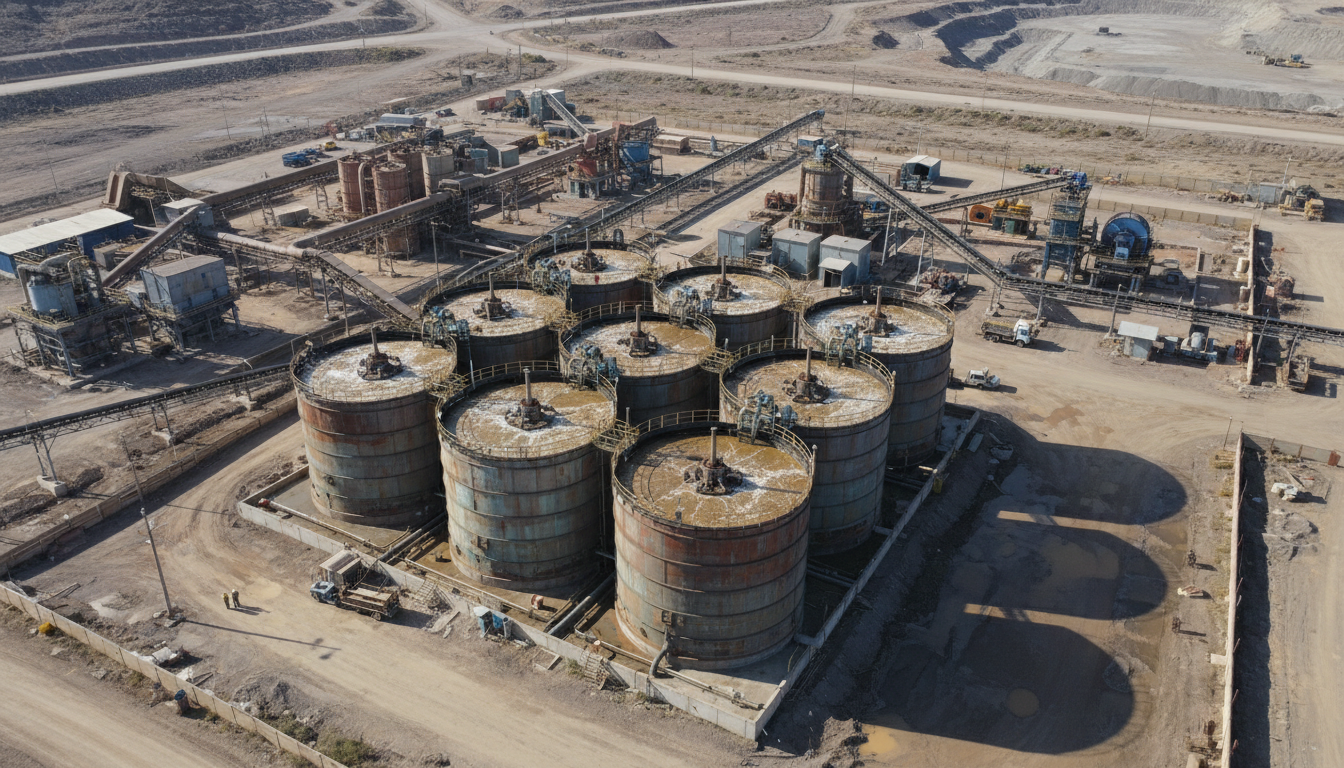
Gold mining operations worldwide rely on one material to capture dissolved gold from ore: activated carbon. But not just any activated carbon—coconut shell activated carbon has become the go-to choice for extraction efficiency. We’ll walk you through everything you need to know about using this material for gold recovery, from understanding the basics to selecting the right product for your operation.
Why Coconut Shell Activated Carbon Works for Gold Recovery
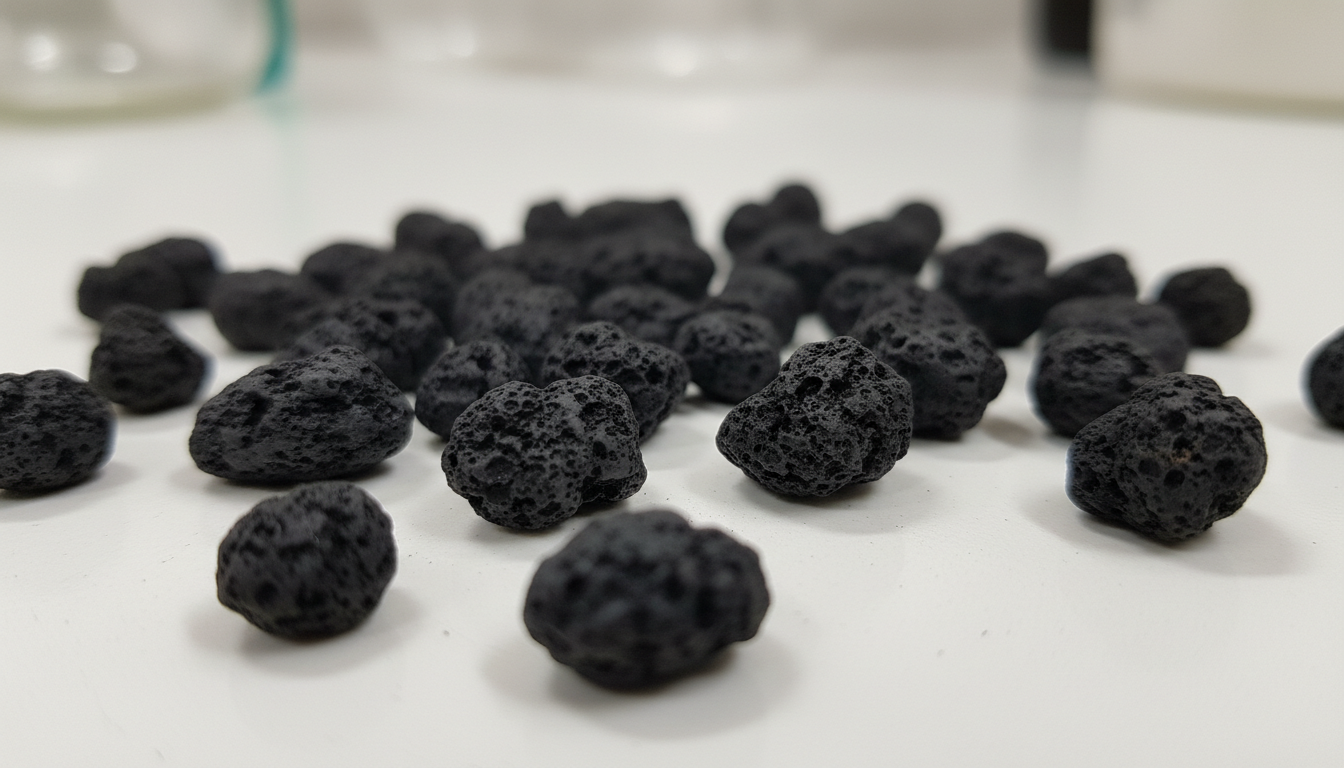
Activated carbon effectively adsorbs gold-cyanide complexes from cyanide leach solutions, and coconut shell-based varieties are highly favored for their durability, high surface area, and hardness.[10]
Here’s what makes coconut shell carbon stand out. The material offers high adsorption capacity, low ash content, consistent quality, and is ecofriendly.[4] Unlike coal-based alternatives, coconut shell carbon comes from a renewable resource—discarded coconut shells that would otherwise go to waste.
The secret lies in the structure. Its microporous structure provides superior adsorption kinetics, allowing for more efficient gold recovery across various gold mining processes.[10] We’re talking about millions of tiny pores that create massive surface area—sometimes exceeding 1,400 m²/g. That’s roughly the size of a football field packed into just one gram of material.
For reference, high quality coconut shell activated carbon should have an iodine value of more than 950mg/g, and impact toughness of about 90%.[3]
Looking for high-quality coconut shell activated carbon? We supply products specifically designed for gold recovery applications.
The Three Main Gold Recovery Processes
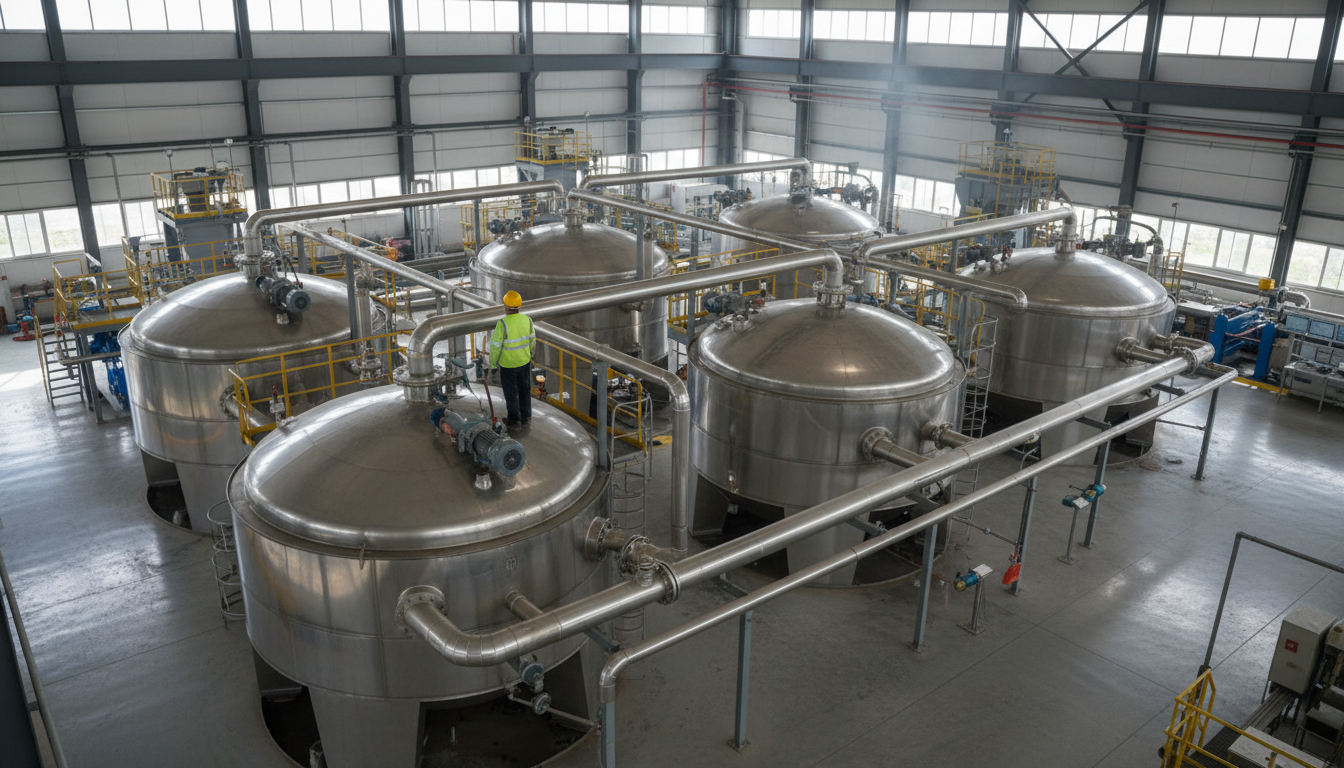
Gold mining operations use three primary methods that rely on activated carbon:
Carbon-in-Pulp (CIP)
The CIP carbon in pulp gold extraction process involves adding activated carbon to cyanide slurry, adsorbing dissolved gold onto the activated carbon, then extracting gold from the activated carbon.[1] Think of it as a two-step process—leaching first, then adsorption.
Carbon-in-Leach (CIL)
CIL is a gold extraction process where carbon is added to the leach tanks so that leaching and adsorption take place in the same tanks.[2] This simultaneous approach saves time and reduces the number of tanks needed.
Carbon-in-Column (CIC)
Used for heap leaching operations, the gold-laden solution is passed through columns packed with activated carbon, allowing for adsorption without the need for agitation.[10] This method works well for lower-grade ores and tailings reprocessing.
Each process has specific requirements. CIP suits situations requiring high adsorption efficiency with low-grade ores, CIL works for carbon-containing ores where process simplification is needed, and CIC handles low-concentration gold solutions and tailings reprocessing.[1]
Our coconut shell granular activated carbon works across all three methods, delivering consistent performance regardless of your setup.
Key Specifications for Gold Recovery Carbon
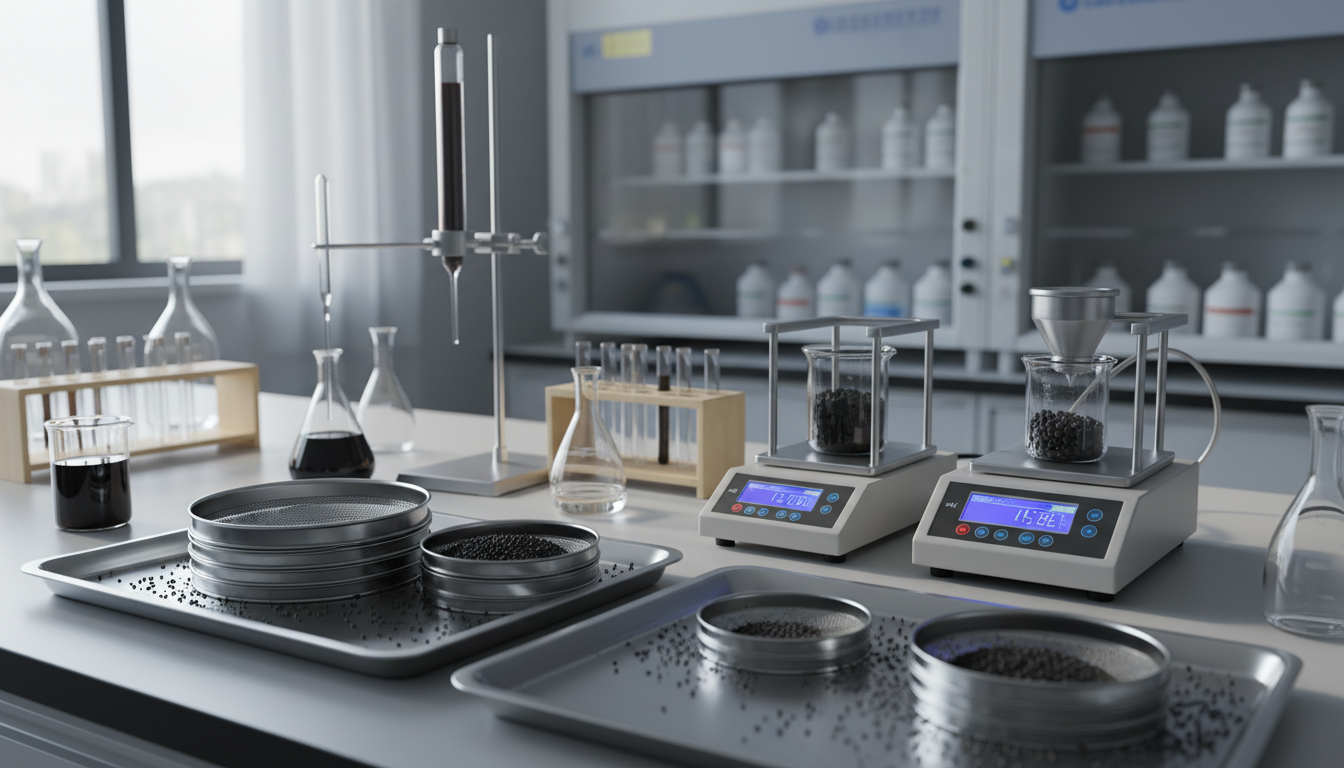
Not all coconut shell carbon performs the same in gold recovery. You’ll need to pay attention to several specs:
Particle Size
Common activated carbon sizes for gold recovery range from 6-12 mesh (1.68mm ~ 3.36mm), 8-16 mesh (1.19mm ~ 2.38mm).[6] Smaller particles adsorb gold faster, but they’re harder to screen out from the slurry, which can lead to carbon and gold loss. Larger particles slow down adsorption. The sizes we mentioned hit that sweet spot.
Hardness and Strength
Strength should be ≥ 97%, with higher wear resistance and compressive strength than ordinary activated carbon.[3] During the vigorous mixing in CIP and CIL tanks, weak carbon breaks down into fines. Those fines mean lost carbon and lost gold.
Iodine Value
Higher iodine values indicate better adsorption capacity. The iodine value should exceed 950mg/g for quality performance.[3] Some premium products reach 1,700-1,900 mg/g.
Ash Content
Keep this below 5%. High ash content introduces contaminants that can interfere with gold recovery and reduce the purity of your final product.
K-Value and R-Value
K-value refers to gold adsorption capacity—how much gold the carbon can ultimately adsorb. R-value refers to gold adsorption rate—how quickly the carbon adsorbs gold.[1] Both matter. High K-values mean you can load more gold per ton of carbon. High R-values mean faster processing times.
How to Select Quality Coconut Shell Activated Carbon
Start with the raw material. Thicker coconut shells with low volatility, low moisture, and high fixed carbon content will produce stronger and thicker activated carbon with lower ash content and better gold adsorption capacity.[6] We source shells from coconut trees aged 5+ years because they deliver the thickness and density needed for superior performance.
Next, check the manufacturing process. Factories using slep furnaces for activation produce activated carbon with well-developed micropores, high hardness, and strong gold absorption ability.[1]
Watch out for platelets—thin, weak carbon pieces that break easily. Lower platelets determine gold loss rate; even if a supplier’s activated carbon has high overall strength, failure to remove flakes results in high gold loss rates.[1]
Before committing to large orders, request samples and run small-scale tests. Compare adsorption rates, loading capacity, and physical durability. The cheapest option rarely delivers the best value when you factor in gold losses and carbon replacement costs.
Performance Factors That Affect Gold Adsorption
Several operational factors influence how well your activated carbon performs:
Carbon particle size and concentration have a direct impact—increasing carbon concentration and decreasing particle size increases the rate.[3] But remember the screening challenges we mentioned earlier.
Increasing gold concentration increases the rate.[3] When you’re processing high-grade ore, your carbon will load faster.
Temperature matters too. Warmer solutions generally improve adsorption kinetics, though you’ll need to balance this against other process requirements.
Mixing intensity affects the boundary layer around carbon particles. More agitation improves adsorption but also increases attrition. You’ll need to find the right balance for your specific setup.
Carbon Regeneration and Reuse
One of the biggest advantages of coconut shell activated carbon? You can use it multiple times. After adsorption, spent coconut shell activated carbon can be regenerated through thermal or chemical processes to remove contaminants and restore its adsorption capacity, with rotary kilns often used for this purpose.[10]
Mines routinely achieve high gold recovery rates, as carbon can be loaded with several kilograms of gold per ton of carbon before being processed to extract the gold.[5]
The regeneration process typically involves:
- Elution to strip gold from the carbon
- Acid washing to remove scale and contaminants
- Thermal reactivation at high temperatures (600-900°C)
- Screening to remove fines
Quality coconut shell carbon can go through 10-15 regeneration cycles before replacement. This reusability reduces operational costs and minimizes environmental impact.
Common Challenges and Solutions
Attrition Loss
One major challenge is attrition, where carbon particles break down into smaller pieces, leading to reduced adsorption efficiency and increased gold losses.[10] Solution? Start with high-hardness carbon and maintain proper mixing intensity.
Carbon Fouling
Contaminants in the ore can block the carbon’s pores, reducing efficiency.[4] Regular regeneration helps, but you may need to adjust your elution process or use acid washing between cycles.
Supply Consistency
The quality of coconut-shell activated carbon can vary depending on manufacturing process, which can affect performance in gold recovery.[4] Work with suppliers who maintain strict quality controls and can provide test results for each batch.
We offer water purification solutions using similar activated carbon technology, demonstrating our expertise across multiple applications.
Sustainability and Environmental Benefits
Activated carbon is an essential component of gold mining, and using sustainable and renewable resources like coconut shells can reduce the environmental impact of gold mining.[4]
Here’s why this matters. Traditional gold extraction creates significant waste. Activated carbon reduces cyanide residues in waste streams and can be regenerated multiple times. Activated carbon can be re-activated and reused multiple times, making it a cost-effective and sustainable option for gold recovery.[4]
Plus, sourcing coconut shells creates economic opportunities in coastal communities where coconuts grow. Farmers who previously threw away shells now have an additional income source.
Maximizing Your Gold Recovery Operations
To get the best results from coconut shell activated carbon, we recommend:
- Test before scaling: Run pilot tests with different carbon grades to find what works best for your ore characteristics
- Monitor carbon quality: Track loading capacity and adsorption rates across batches
- Optimize residence time: Balance throughput against adsorption efficiency
- Maintain proper regeneration: Don’t skip cycles or cut corners on reactivation
- Screen effectively: Invest in quality screening equipment to minimize carbon loss
In practice, mines can directly substitute quality carbon into their gold extraction circuits without process changes, expecting efficient gold loadings and reliable attrition resistance.[5]
The difference between average and excellent gold recovery often comes down to carbon quality. We’ve seen operations increase recovery rates by 2-3% simply by switching to premium coconut shell activated carbon. At scale, that translates to significant revenue gains.
Conclusion
Coconut shell activated carbon remains the top choice for gold recovery operations worldwide. Its microporous structure, mechanical strength, and renewable nature make it ideal for CIP, CIL, and CIC processes. By understanding key specifications like particle size, hardness, K-values, and R-values, you can select carbon that maximizes your recovery rates while minimizing losses.
Remember to focus on quality over price—the cheapest carbon often costs more in the long run through gold losses and frequent replacement. Partner with suppliers who understand gold recovery requirements and can provide consistent, tested products. With the right carbon and proper operational practices, you’ll optimize both your recovery rates and your bottom line.
Frequently Asked Questions
What mesh size is best for gold recovery using coconut shell activated carbon?
The most common sizes are 6-12 mesh, 8-16 mesh, and 6-16 mesh, with each suited to different operations. Smaller particles adsorb gold faster but are harder to separate from slurry, while larger particles reduce screening losses but slow adsorption. Most CIP and CIL operations use 6-12 or 8-16 mesh as the optimal balance between adsorption speed and screening efficiency.
How many times can coconut shell activated carbon be regenerated in gold recovery?
Quality coconut shell activated carbon typically undergoes 10-15 regeneration cycles before replacement. Each cycle involves elution to remove gold, followed by thermal reactivation at 600-900°C to restore adsorption capacity. The actual number depends on ore characteristics, process conditions, and how well you maintain the carbon between uses.
What’s the difference between K-value and R-value in gold activated carbon?
K-value measures adsorption capacity—how much total gold the carbon can hold per unit weight. R-value measures adsorption rate—how quickly the carbon captures gold from solution. You need both to be high for optimal performance. High K-values mean fewer regeneration cycles, while high R-values mean faster processing and smaller tank requirements.
Why is coconut shell activated carbon better than coal-based carbon for gold recovery?
Coconut shell carbon offers superior hardness and lower attrition rates, meaning less carbon breakdown and gold loss during the vigorous mixing in CIP/CIL tanks. It also has a more uniform microporous structure optimized for capturing gold-cyanide complexes. Plus, it’s made from a renewable resource rather than fossil fuels, reducing environmental impact while delivering better performance.
How do I know if my activated carbon quality is causing gold losses?
Watch for these signs: increasing fines in your screening process, declining gold loading capacity over time, higher gold concentrations in barren solution, or visible carbon dust in your tanks. Run periodic tests comparing gold loading rates against fresh carbon benchmarks. If your carbon shows more than 5-10% decline in performance between regeneration cycles, you may have quality or regeneration issues.