

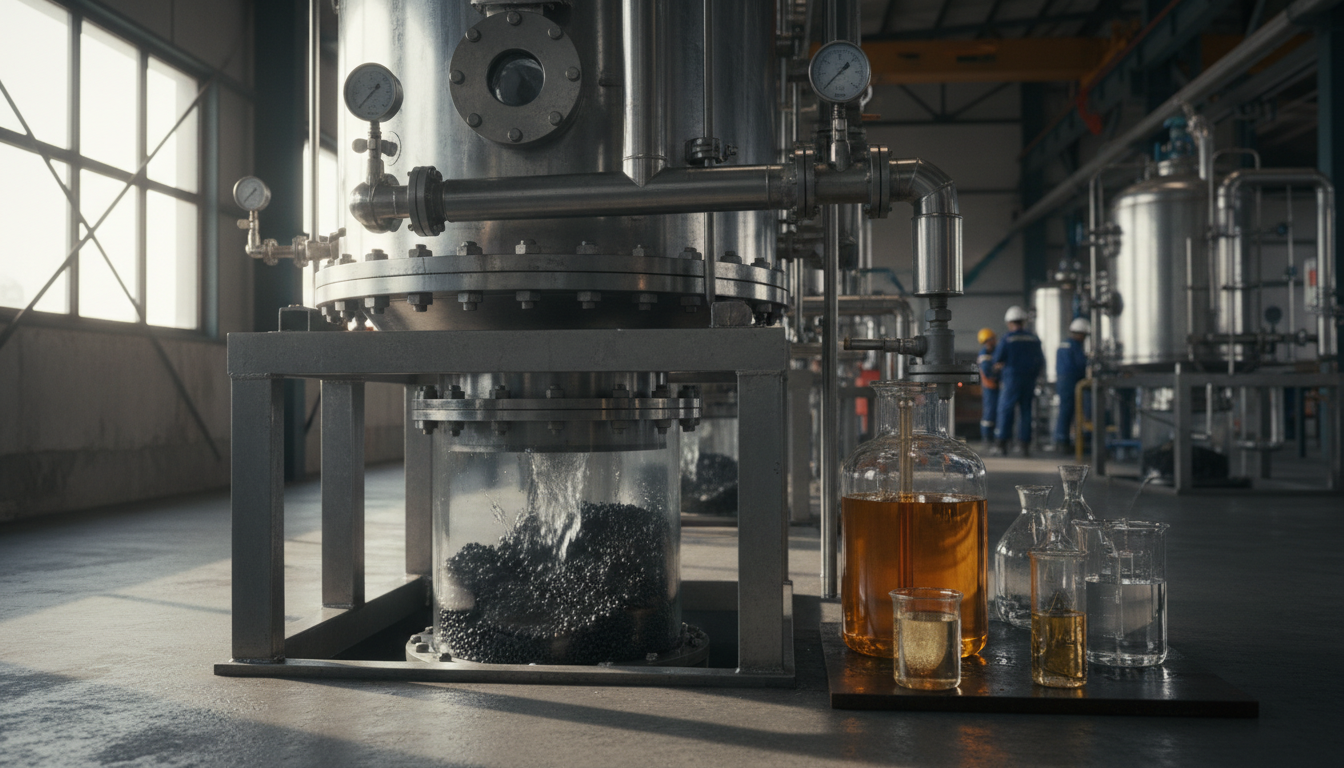
Gold recovery from ore has come a long way, and at the heart of this process sits one material: activated carbon. We’ve seen mining operations around the world rely on this powerful adsorbent to pull gold from cyanide solutions and then strip it back off for final recovery.
But here’s the thing—getting gold onto the carbon is only half the battle. The real magic happens during the stripping phase, also called elution. That’s when we remove adsorbed gold from loaded carbon, making it ready for electrowinning while the carbon gets regenerated for another round. This cycle of adsorption and stripping is what makes modern gold mining both efficient and cost-effective.
We’ll walk you through how gold stripping activated carbon works, what makes certain carbon types better than others, and the different methods used to get every last bit of gold off those carbon particles.
What Makes Gold Stripping Activated Carbon Special
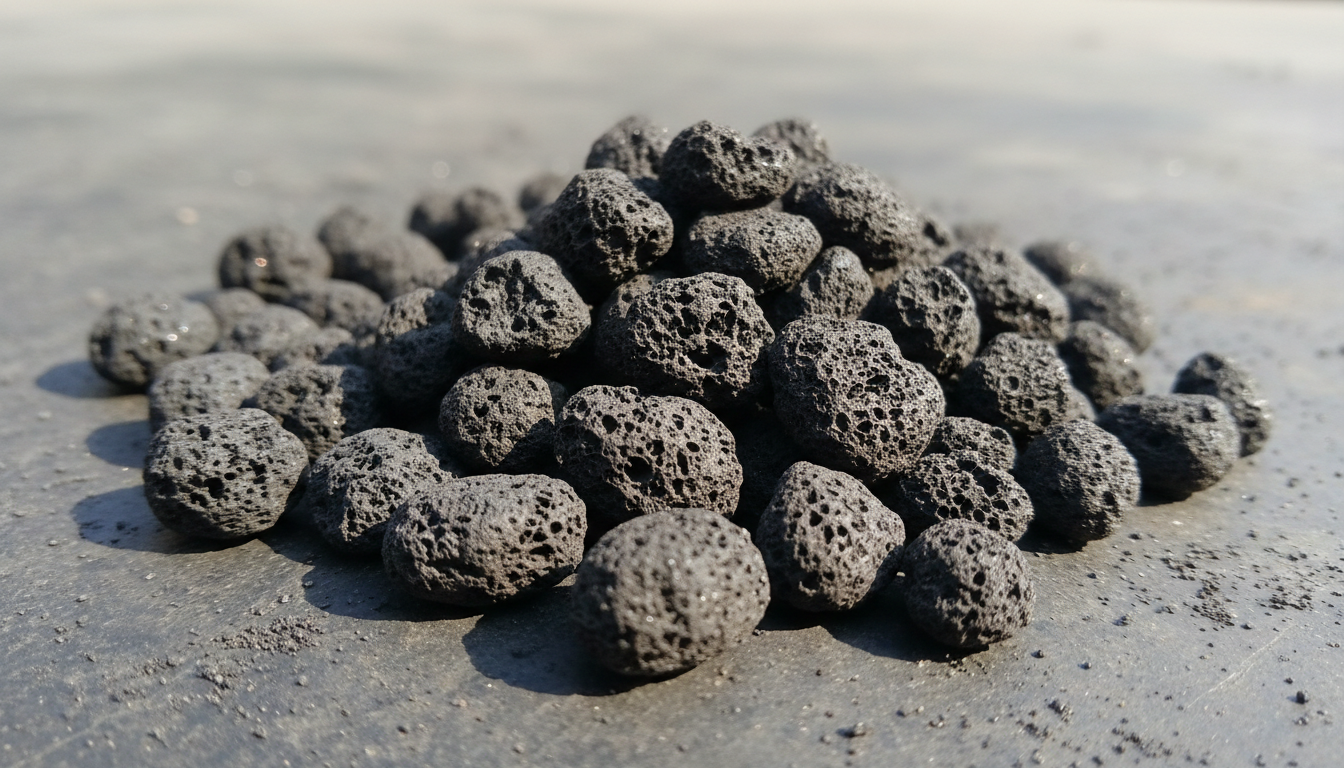
Not all activated carbon is built the same. For gold recovery, we need carbon that can handle the tough conditions inside CIP (Carbon-in-Pulp) and CIL (Carbon-in-Leach) circuits. The carbon particles get agitated constantly, pumped through screens, and regenerated at high temperatures—all without breaking down into fines that would mean lost gold.
Coconut shell activated carbon has become the go-to choice for about 95% of gold mining operations. Why? It brings together high mechanical strength, excellent hardness, and a microporous structure that’s perfect for trapping gold-cyanide complexes. When gold dissolves in cyanide solution, it forms Au(CN)₂⁻ ions that our coconut shell activated carbon grabs onto through its extensive pore network.
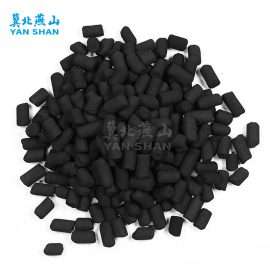
The best carbon for gold stripping typically comes in 6×12 or 8×16 mesh sizes, with iodine values ranging from 900 to 1200 mg/g. These specs translate to faster adsorption rates and higher loading capacity—sometimes reaching 4,000 to 8,000 grams of gold per tonne of carbon.
How the CIP and CIL Processes Work
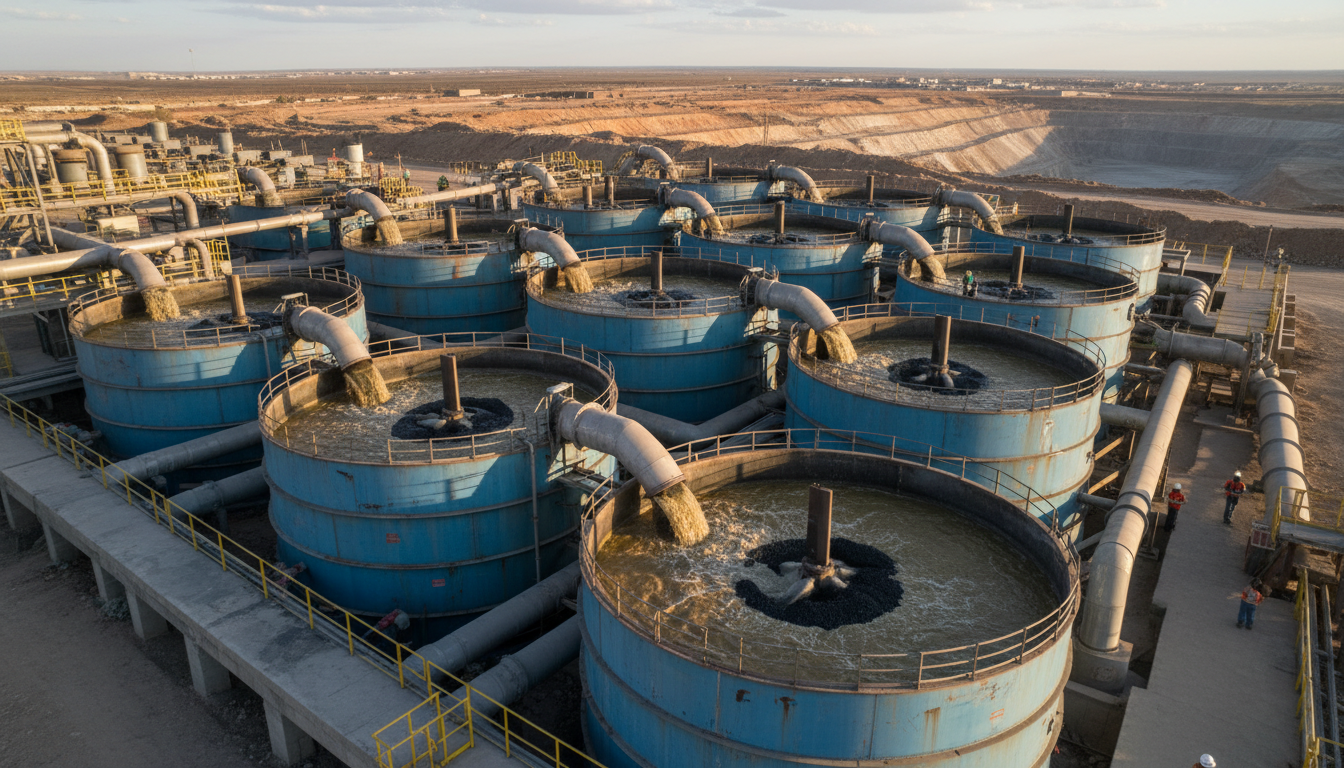
Gold extraction starts when crushed ore meets cyanide solution. The cyanide dissolves gold from the ore, creating that gold-cyanide complex we mentioned. But you can’t just filter gold out of this solution—that’s where activated carbon comes in.
In CIP operations, leaching happens first in dedicated tanks. Once the gold is dissolved, the slurry moves to adsorption tanks where activated carbon particles mix with the pregnant solution. The carbon flows counter-current to the slurry, getting more and more loaded with gold as it moves toward the freshest leach solution.
CIL takes a different approach by combining leaching and adsorption in the same tanks. We add granular activated carbon right into the leach tanks, so gold adsorbs onto carbon almost as soon as it dissolves. This method works great for ores that contain natural organic carbon, which would otherwise steal gold meant for the activated carbon.
Both processes rely on the same principle: gold prefers to stick to activated carbon over staying in solution. And once that carbon is fully loaded, it’s time for stripping.
Gold Stripping Methods Explained
Stripping—or elution—is where we reverse the adsorption process and pull gold back into solution. Several methods have been developed over the years, each with trade-offs between efficiency, cost, and processing time.
Zadra Process: This conventional method uses hot caustic cyanide solution at 90-120°C. The stripping solution circulates through the carbon bed while gold continuously gets removed via electrowinning. It works, but it takes 12-72 hours and consumes a lot of energy maintaining those high temperatures.
AARL (Anglo American Research Laboratory) Process: A more efficient approach that presoaks carbon in strong cyanide and caustic solution, then elutes with hot deionized water at 100-120°C for 8-12 hours. This method uses less cyanide overall and achieves good gold recovery rates.
Alcohol-Based Stripping: Research has shown that hydro-alcoholic solutions (ethanol, isopropanol, or acetone mixed with sodium hydroxide) can strip gold at lower temperatures. Some operations have achieved 90% gold recovery in multiple cycles using 40% acetone solutions. The downside? Handling large volumes of flammable solvents at industrial scale.
Pressure Desorption: This technique pushes temperatures above 130°C (but below 170°C where gold-cyanide breaks down) using pressurized vessels. Complete gold removal can happen with just 6-10 bed volumes of stripping solution, making it faster than traditional methods.
We’ve found that most modern operations stick with variations of the AARL process because it balances speed, safety, and gold recovery effectively.
Carbon Regeneration and Reuse
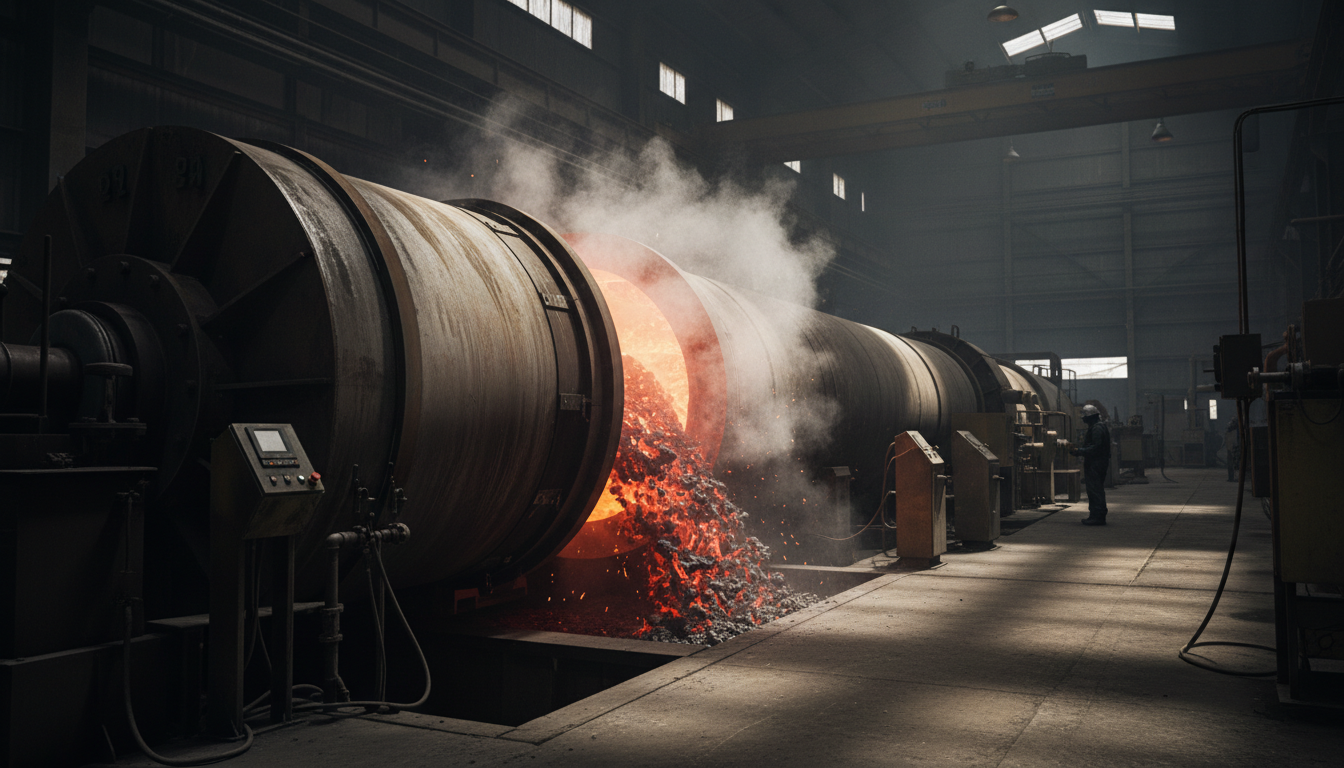
After stripping, the carbon isn’t done working. We regenerate it through thermal treatment at 600-900°C in rotary kilns or other activation equipment. This process burns off organic contaminants that have built up on the carbon surface, reopening pores and restoring adsorption capacity.
Before regeneration, an acid wash typically removes calcium carbonate scale and other mineral deposits from the carbon pores. Dilute hydrochloric or nitric acid (usually below 10% concentration) does the job without damaging the carbon structure.
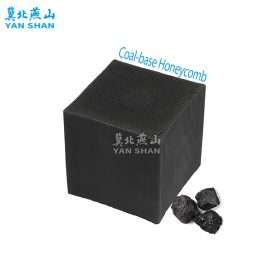
Quality coal-based activated carbon and coconut shell carbon can go through multiple regeneration cycles—sometimes dozens—before the particles break down too much. This reusability is what makes activated carbon economical for gold mining despite the initial cost.
The key challenge is attrition. Every time carbon particles tumble in tanks, pass through pumps, or regenerate in kilns, some break down into fines. These fines slip through screens and take their adsorbed gold straight to the tailings. That’s why hardness and strength matter so much when choosing carbon for gold recovery.
Factors Affecting Gold Stripping Efficiency
Several variables determine how well the stripping process performs. Temperature plays a big role—higher temperatures generally speed up desorption, but you can’t go above the decomposition point of gold-cyanide complexes (around 170°C).
The stripping solution composition matters too. Sodium hydroxide concentration affects pH and helps break the bond between gold and carbon. Some operations add cyanide to the elution solution, though research shows gold can actually be stripped effectively with just hot dilute caustic or even plain water at the right temperature and pressure.
Carbon loading also influences the process, though interestingly, the level of gold on the carbon has less impact than you might expect. What does matter is the condition of the carbon itself—fouled or poisoned carbon with blocked pores won’t strip efficiently no matter what method you use.
Contact time and flow rates need optimization. Too fast, and the stripping solution doesn’t reach equilibrium with the carbon. Too slow, and you’re wasting processing capacity. Counter-current flow, where fresh stripping solution meets the most depleted carbon first, gets the best results with the least solution volume.
How to Choose the Right Activated Carbon
When we select activated carbon for gold recovery operations, we look at more than just adsorption capacity. The carbon needs to survive months of continuous use without significant losses to attrition.
Particle size distribution affects both screening efficiency and contact with solution. Too large, and you sacrifice surface area. Too small, and the carbon escapes through retention screens. The 6×12 mesh range hits the sweet spot for most CIP and CIL applications.
Platelet content—those thin, flat carbon pieces—needs to stay below 4%. Platelets have lower strength than regular particles and create fines that increase gold losses. Quality manufacturers use wind selection to remove these weak particles before shipping.
Iodine value indicates pore development and surface area. Higher values mean more adsorption sites for gold. But strength matters just as much, if not more. A carbon with 1,200 mg/g iodine value and 98% strength will outperform one with 1,400 mg/g iodine but only 92% strength, because you’ll lose less to attrition.
We recommend working with established activated carbon suppliers who understand mining applications. They can provide technical specifications like R-value (adsorption rate) and K-value (loading capacity) specific to gold recovery, not just general-purpose carbon specs.
Conclusion
Gold stripping activated carbon represents a perfect example of how one specialized material can transform an entire industry. From adsorbing dissolved gold in CIP and CIL circuits to releasing it during elution and coming back for another cycle after regeneration, activated carbon makes modern gold mining both economical and efficient.
The choice of carbon type—almost always coconut shell for its superior strength and pore structure—matters as much as the stripping method you select. Whether you go with traditional hot caustic elution or newer pressure desorption techniques, the goal stays the same: maximize gold recovery while minimizing carbon losses and operating costs.
As mining operations push for higher efficiency and lower environmental impact, we’re seeing continued innovation in both carbon production and stripping technology. But the fundamentals remain: get good carbon, load it efficiently, strip it completely, regenerate it properly, and repeat. Master that cycle, and you’ve mastered gold recovery.
Frequently Asked Questions
What is the difference between CIP and CIL gold recovery processes?
CIP (Carbon-in-Pulp) separates leaching and adsorption into different tank stages—gold dissolves first, then carbon gets added to adsorb it. CIL (Carbon-in-Leach) combines both steps in the same tanks with carbon present during leaching. CIL works better for ores containing natural organic carbon that would compete for dissolved gold, while CIP often costs less to set up for standard ores.
How many times can activated carbon be regenerated in gold mining?
High-quality coconut shell activated carbon can typically be regenerated and reused 20-50 times or more, depending on operating conditions and carbon quality. Each regeneration cycle at 600-900°C restores adsorption capacity by burning off organic contaminants. The limiting factor is usually mechanical attrition rather than loss of adsorptive properties—carbon particles gradually break down into fines that escape through screens.
Why is coconut shell activated carbon preferred over coal-based carbon for gold recovery?
Coconut shell activated carbon offers superior mechanical hardness and abrasion resistance compared to coal-based alternatives, which means lower attrition rates and less gold lost to fines. It also has a well-developed microporous structure ideal for capturing gold-cyanide complexes, along with lower ash content that keeps the process cleaner. About 95% of gold mining operations worldwide use coconut shell carbon for these reasons.
What temperature is used for gold stripping from activated carbon?
Traditional stripping methods use temperatures between 90-120°C at atmospheric pressure, taking 12-72 hours for complete elution. More advanced pressure desorption techniques operate at 130-165°C under autogenous pressure, achieving faster and more complete gold recovery in 6-10 bed volumes. The upper limit is around 170°C, above which gold-cyanide complexes start to decompose.
How does carbon fouling affect gold stripping efficiency?
Carbon fouling occurs when organic compounds, calcium carbonate scale, or other contaminants block the pores of activated carbon. This reduces both adsorption capacity during loading and stripping efficiency during elution. Fouled carbon may require longer elution times or stronger stripping solutions to achieve complete gold recovery. Regular acid washing before regeneration helps prevent severe fouling, and proper carbon quality monitoring catches the problem before it impacts gold recovery rates significantly.