

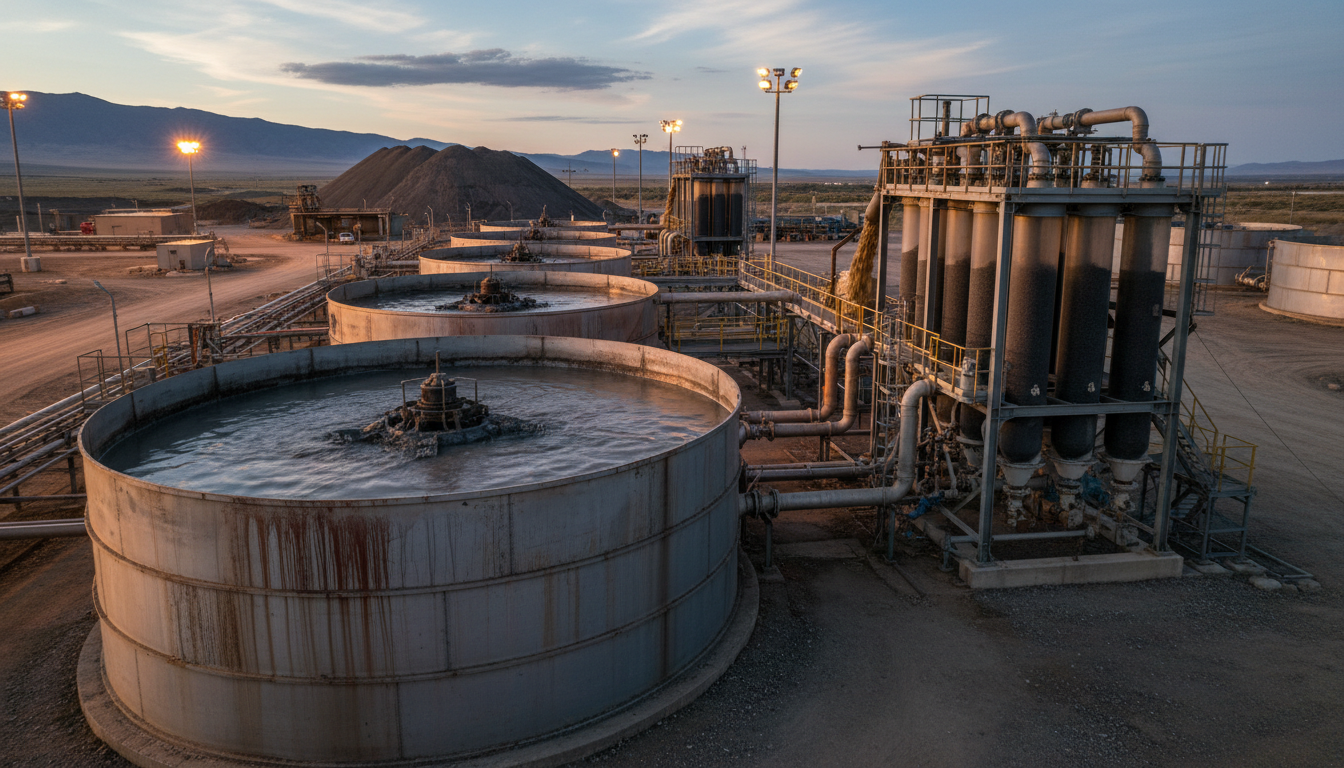
Gold mining operations depend on materials that can reliably separate precious metals from ore solutions. Granular activated carbon has become the go-to choice for this task, adsorbing dissolved gold from cyanide leaching solutions with speed and accuracy. We’ve seen this technology transform recovery rates across mining operations worldwide, from small-scale ventures to industrial facilities processing tons of ore daily.
The process works through adsorption – gold-cyanide complexes stick to the carbon’s surface as ore slurry or solution passes through. After gold is solubilized through cyanide leaching, granular activated carbon is added to adsorb gold from the solution. This simple but effective method has made activated carbon standard in modern gold extraction.
Why Coconut Shell Carbon Dominates Gold Recovery

Coconut shell activated carbon has a very high hardness and is more abrasion resistant than any other type. This matters because gold recovery processes put carbon through constant agitation, pumping, and screening. Weaker carbons break down into fines, taking adsorbed gold with them straight into tailings.
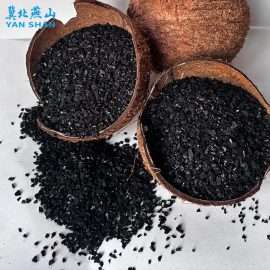
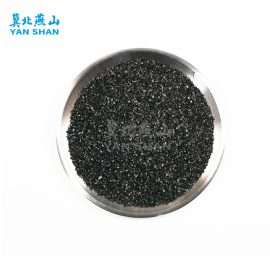
We prefer coconut shell granular activated carbon for several performance reasons. The iodine value should exceed 950mg/g with surface area reaching 1400㎡/g or higher, compared to conventional activated carbon which only reaches 1100㎡/g. That extra surface area translates directly into better gold loading capacity.
The microporous structure of coconut shell carbon works perfectly for gold recovery. The highly developed microporous pore structure provides the best adsorption from aqueous cyanide solutions in CIP and CIL gold recovery systems. These tiny pores capture gold-cyanide complexes while resisting breakage during processing.
Three Main Gold Recovery Methods
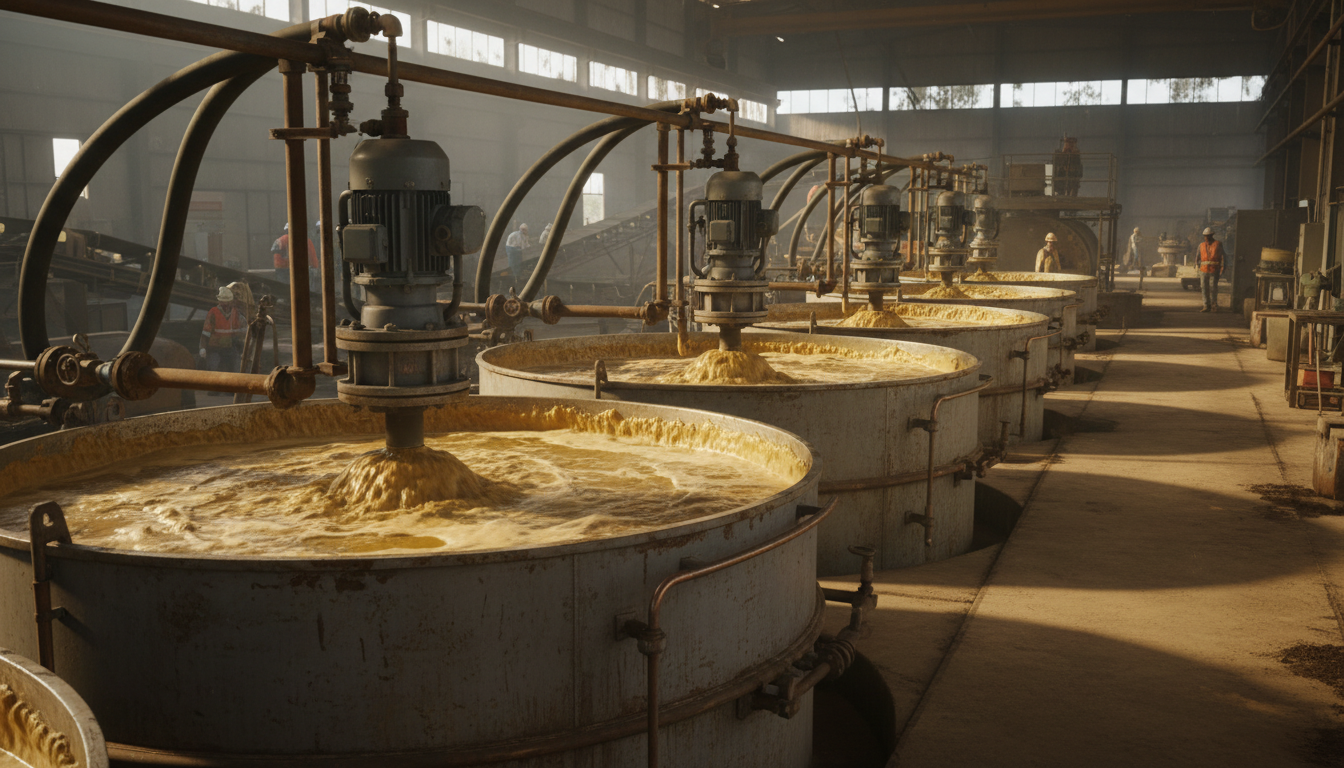
Mining operations choose between three carbon-based recovery methods depending on ore characteristics and facility design.
Carbon-in-Pulp (CIP) separates leaching and adsorption into distinct steps. Pulp flows through agitated tanks where sodium cyanide and oxygen dissolve gold into solution, then the solution flows through separate tanks containing activated carbon where gold absorbs onto the carbon flowing countercurrent to the pulp. This works well for high-grade ores and large operations.
Carbon-in-Leach (CIL) combines both steps. Activated carbon is added in leach, with gold adsorption occurring nearly simultaneously with gold dissolution by the cyanide solution. The simultaneous leach and absorption phases were developed for processing gold ores containing preg-robbing materials like natural absorptive carbon, which reduce gold yield by attracting gold meant for activated carbon, and simultaneous leaching and absorption help minimize the problem.
Carbon-in-Column (CIC) handles different conditions. Ore is leached typically in heap-leach operations, and clarified solution is fluidized in column with carbon. This method suits heap leach operations and lower gold concentrations.
How to Select High-Performance Carbon

Not all granular activated carbon delivers equal results. We look at specific technical specifications when selecting activated carbon.
Strength should reach 97% or higher, providing better wear resistance and compressive strength than ordinary activated carbon. High strength means less carbon loss during operation. Carbon losses due to attrition result in fine carbon that continues to adsorb precious metals but cannot be contained in the recovery circuit, and the associated loss of fine carbon with loaded precious metals reduces recovery affecting operation profitability.
Particle size matters for screening and handling. Most operations use 6×12, 5x 10mesh sizes. The choice depends on screen specifications and processing equipment. Ash content should stay below 10% to avoid interference with gold purity.
Hardness testing reveals carbon quality quickly. Different samples rubbed on paper show strength through dust production – less dust indicates stronger carbon that won’t break down in your circuit.
Maximizing Gold Loading and Recovery
As carbon moves up the train loading to higher concentrations of gold while contacting higher grade solutions, concentrations reaching 4000 to 8000 grams of gold per tonne of carbon can be achieved on final loaded carbon contacting freshly leached ore and pregnant leach solution. These numbers represent actual performance from well-designed circuits using quality carbon.
Adsorption kinetics determine how quickly your carbon captures gold. R value represents the speed of gold adsorption per unit weight of activated carbon per unit time. Higher R values mean faster loading, letting you process more ore with the same carbon inventory.
K value indicates capacity. This shows how much gold each unit of carbon can hold before saturation. Both metrics work together – you want carbon that loads quickly (high R) and holds plenty of gold (high K).
Carbon Regeneration and Reuse
The critical test for activated carbon is how well it keeps its properties after months of use and reuse, and by using the most durable coconut feedstock to withstand the rigorous carbonization and activation process, quality activated carbon for gold extraction can be consistently manufactured.
After stripping gold from loaded carbon through elution, the carbon returns to service. Spent coconut shell activated carbon can be regenerated through thermal or chemical processes to remove contaminants and restore adsorption capacity, with rotary kilns often used for this purpose allowing carbon to be reused in the same process multiple times.
This regeneration capability cuts operating costs and reduces waste. We’ve seen operations run the same carbon through 10+ regeneration cycles while maintaining performance. The key is starting with hard, durable coal-based granular activated carbon or coconut shell material that survives thermal regeneration.
Conclusion
Granular activated carbon transforms gold mining economics by capturing precious metals that would otherwise end up in tailings. Coconut shell carbon leads the industry thanks to superior hardness, microporous structure, and regeneration capability. Your choice between CIP, CIL, and CIC methods depends on ore type and facility design, but all three rely on quality carbon with high strength, proper particle size, and excellent adsorption kinetics. Investing in premium activated carbon and managing it well through proper regeneration delivers better recovery rates and lower operational costs over the life of your mine.
FAQs
What mesh size works best for gold recovery activated carbon?
Most gold recovery operations use 6×12 mesh, 5×10 mesh depending on screen specifications and processing equipment. The 6×12 size offers easier screening. Your screen mesh and processing setup determine the optimal size.
How many times can activated carbon be regenerated?
High-quality coconut shell activated carbon typically withstands 10-15 regeneration cycles before performance drops noticeably. The actual number depends on carbon quality, regeneration temperature control, and handling practices. Thermal regeneration at 800-950°C removes organic contaminants and restores adsorption capacity.
Why does coconut shell carbon outperform other types?
Coconut shell activated carbon offers exceptional hardness preventing breakdown during vigorous agitation, microporous structure ideal for capturing gold-cyanide complexes, and low ash content (under 10%) avoiding interference with gold purity. These properties combine to reduce carbon losses while maximizing gold loading.
What’s the difference between CIP and CIL processes?
CIP (Carbon-in-Pulp) separates leaching and adsorption into different tank sets – ore gets leached first, then carbon captures gold from the solution. CIL (Carbon-in-Leach) adds carbon directly to leach tanks so both processes happen simultaneously. CIL works better for ores containing natural carbon that competes for gold.
How much gold can activated carbon hold?
Well-designed circuits using quality activated carbon achieve 4000-8000 grams of gold per tonne of carbon on final loaded carbon. Actual loading depends on solution grade, contact time, carbon quality, and circuit configuration. Higher iodine values and surface area generally support higher gold loading capacity.