

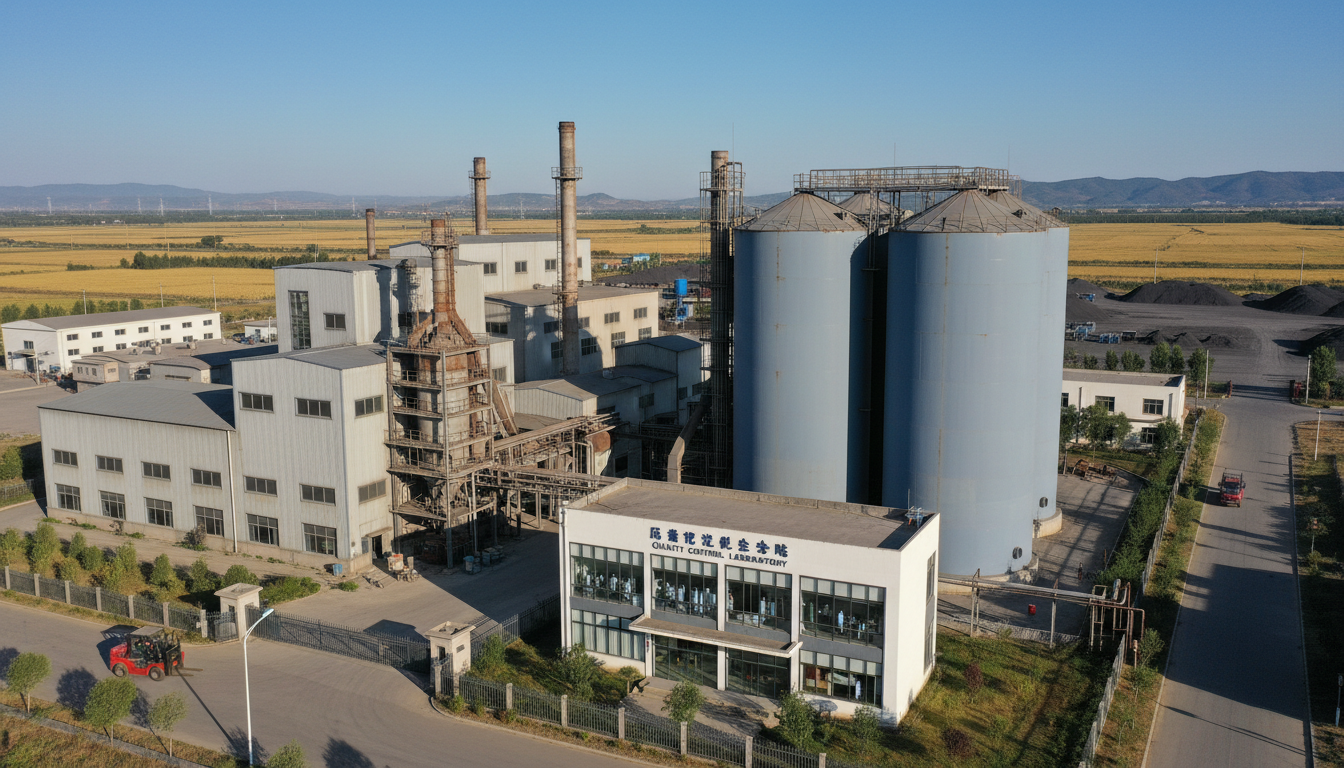
Hebei Province has become a major hub for activated carbon manufacturing in China, with companies producing millions of tons annually for global markets. We’re based in this region and understand what makes a manufacturer stand out in terms of quality, customization, and reliable supply.
Activated carbon isn’t just one product—it comes in different forms made from various raw materials, each designed for specific applications. The manufacturing region matters because it affects access to raw materials, production expertise, and quality control standards. Hebei’s location near major ports and coal resources makes it an ideal base for activated carbon production.
Why Hebei Leads in Activated Carbon Production
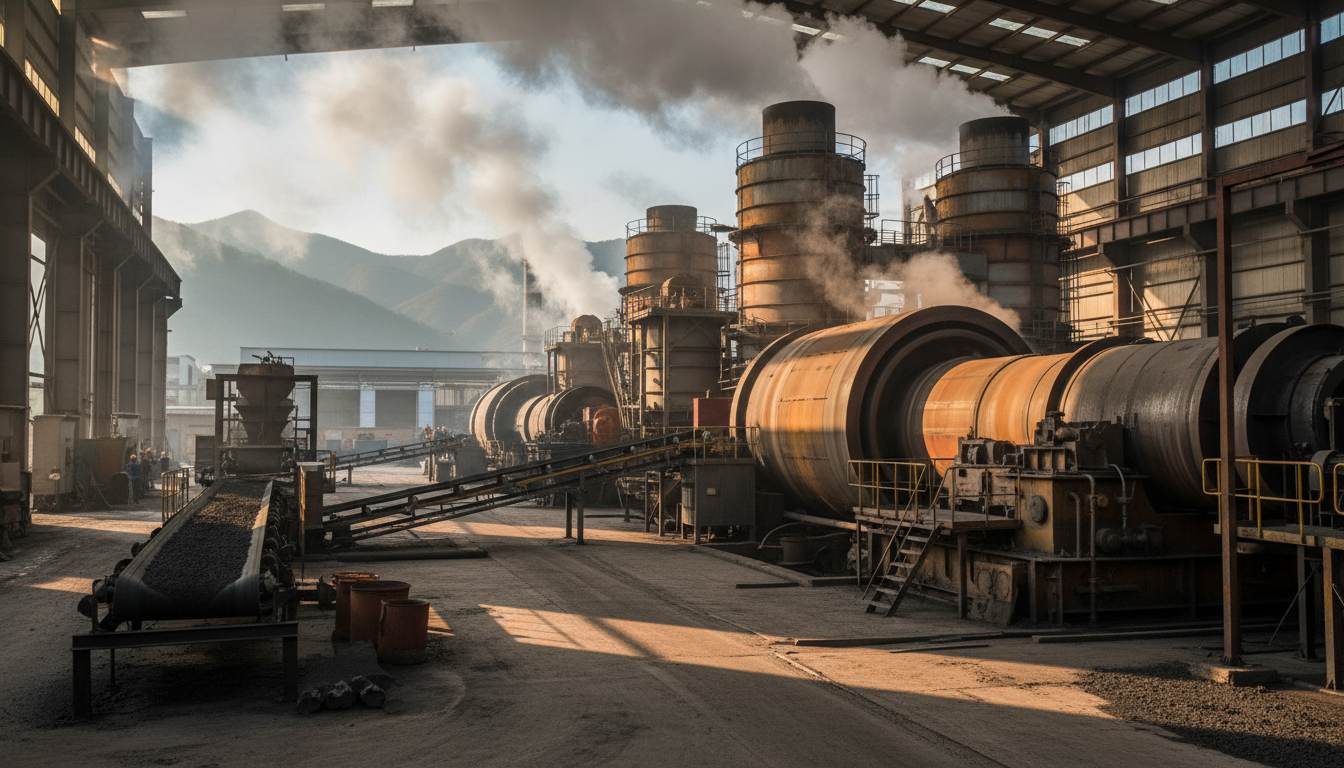
Hebei Province hosts some of China’s most established activated carbon manufacturers. The region’s proximity to coal mines and agricultural waste sources gives producers easy access to raw materials. Companies here produce annual outputs ranging from 12,000 to 50,000 tons, making it a significant production center.
The manufacturing infrastructure in cities like Shijiazhuang and Gaocheng District supports large-scale operations. We work with production bases equipped with advanced activation furnaces and testing equipment that meet ISO9001 and other international standards. The concentration of manufacturers creates a competitive environment that drives innovation and quality improvements.
Many Hebei manufacturers, including us, have 15-20 years of experience in the industry. This expertise translates into better product consistency and the ability to customize activated carbon for specific client needs. Our coconut shell activated carbon and coal-based activated carbon product lines benefit from this regional knowledge.
Raw Materials and Production Methods
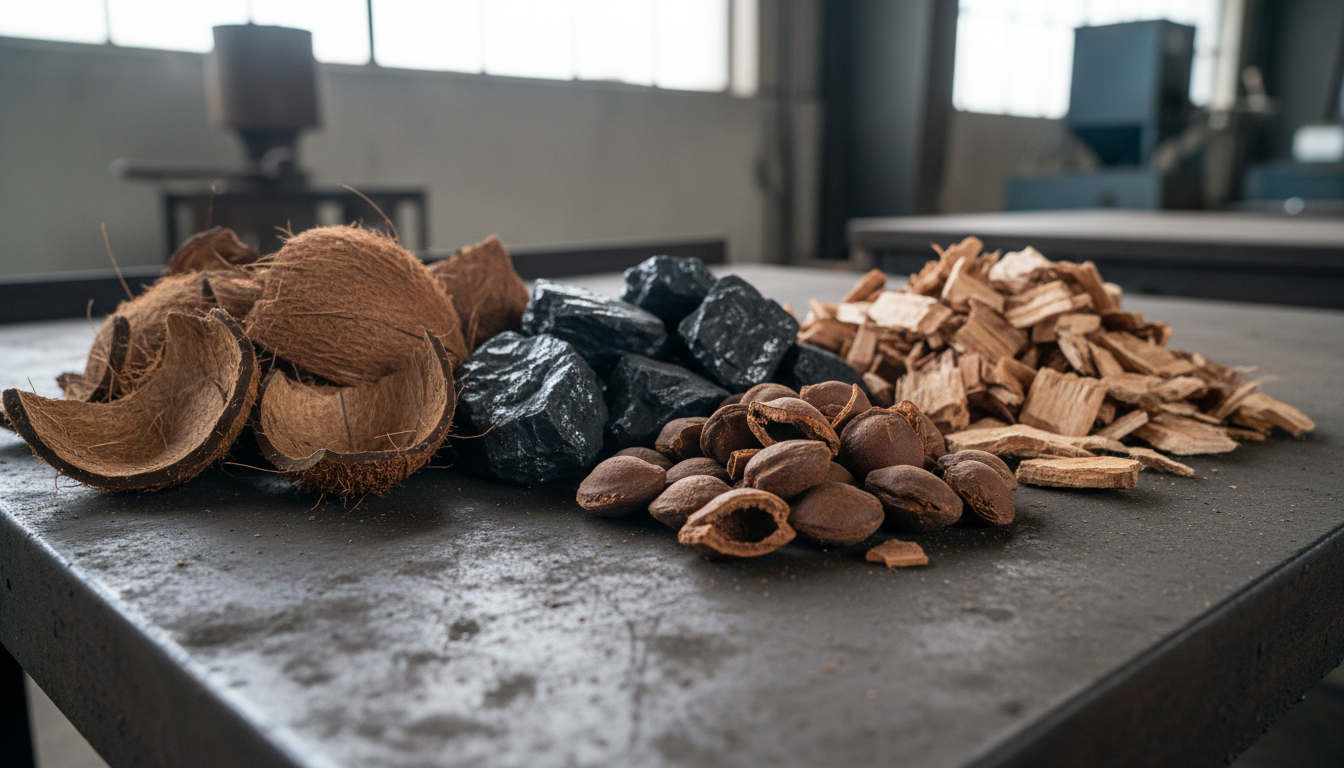
The raw material determines the final activated carbon’s characteristics. We primarily use four types: coconut shells, coal, apricot shells, and wood. Coconut shells, peat, hard and soft wood, lignite coal, bituminous coal, and other carbonaceous materials are common raw materials used in activated carbon manufacturing.
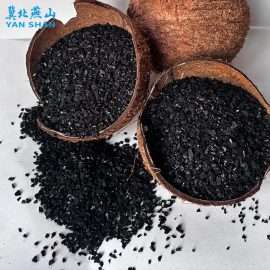
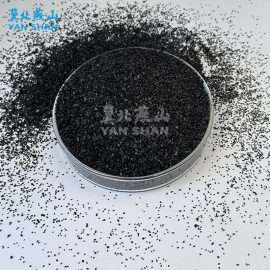
Coconut shell carbon has micropores perfect for water purification and air filtration. The hard shell structure creates durable activated carbon with high mechanical strength. Our coconut shell granular activated carbon works well in filtration systems that require long service life.
Coal-based carbon offers versatility and cost-effectiveness. It handles both gas-phase and liquid-phase applications. The larger pore structure suits industrial processes like solvent recovery and gas purification.
Fruit shell carbons from apricot and other shells provide a middle ground. We produce apricot shell granular activated carbon that balances performance with affordability.
Production involves two main steps: carbonization and activation. During carbonization, raw materials heat to 400-800°C in controlled conditions, removing volatile compounds and creating char. Activation then develops the pore structure using steam or chemicals. Steam activation is the most common method suitable for coconut shell and coal-based carbons.
Applications Across Industries
Our activated carbon serves diverse markets. Water treatment plants use granular types to remove organic contaminants, chlorine, and taste compounds from drinking water. In wastewater treatment, granulated activated carbon filters are implemented as an additional treatment step for removal of organic micropollutants such as pharmaceutical products.
Air purification applications range from industrial exhaust systems to home air filters. The carbon traps volatile organic compounds (VOCs), odors, and harmful gases. We’ve supplied material for kitchen exhaust systems, paint booths, and chemical processing facilities.
Gold mining operations represent a specialized application. Our products help in gold recovery processes where activated carbon adsorbs gold from solution. The carbon concentrates the metal for efficient extraction.
Food and beverage industries use activated carbon for decolorization and purification. Sugar refineries, edible oil producers, and alcohol distilleries all rely on specific grades. It serves various applications including purification, decolorization, and odor removal in industries such as food, pharmaceuticals, and water treatment.
Product Forms and Selection
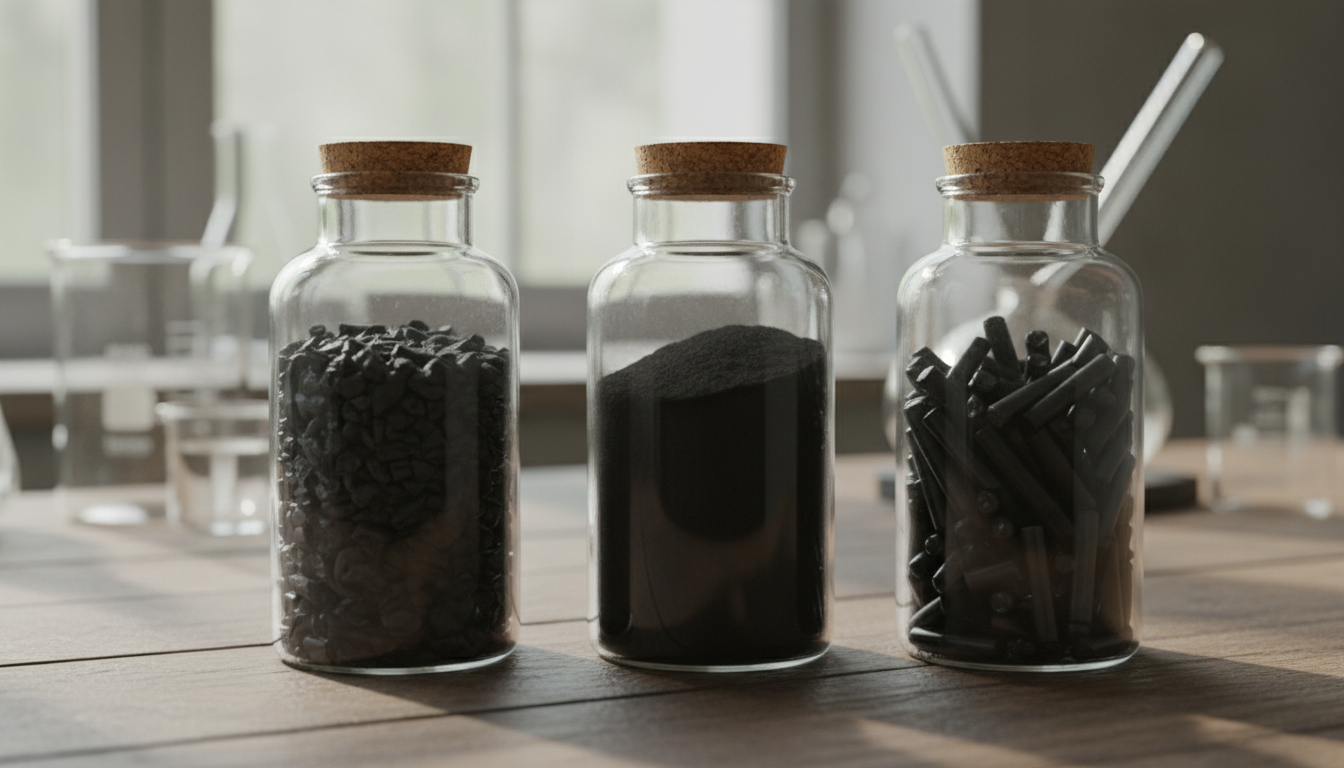
We manufacture activated carbon in three main forms:
Granular Activated Carbon (GAC) particles range from 0.2mm to 5mm. These work in fixed-bed filters where water or air flows through the carbon bed. GAC offers long service life and can be reactivated multiple times.
Powdered Activated Carbon (PAC) consists of fine particles under 200 mesh. It mixes directly into liquids for batch treatment. Industries use it when rapid adsorption is needed or when the carbon won’t be recovered. Our coconut shell powdered activated carbon provides high surface area for quick action.
Pelletized or Extruded Carbon forms cylindrical shapes 1-5mm in diameter. The production process gives them high mechanical strength, uniformity of shape, and low dust content, making them more appropriate for removing contaminants from air and gas streams.
Selection depends on your application requirements. Water treatment usually needs GAC or pellets for continuous flow systems. Batch liquid processing works better with PAC. Gas-phase applications perform well with pellets that minimize pressure drop.
Surface area matters—higher isn’t always better. Match the pore size to your target contaminants. Small molecules need micropores, while larger organic compounds require mesopores. We help clients select the right specification based on testing and experience.
Quality Control and Customization
Our production follows strict quality protocols. We test each batch for iodine number (surface area indicator), methylene blue adsorption (pore structure), ash content, and moisture. Testing equipment includes BET surface area analyzers and pore size distribution instruments.
Customization options include:
- Particle size distribution tailored to your equipment
- Impregnation with chemicals for specific contaminants
- Acid-washed grades for ultra-pure applications
- Targeted pore size distributions
- Packaging options from 25kg bags to bulk containers
We maintain ISO9001:2008 certification and can provide material safety data sheets, certificates of analysis, and free samples for testing. Lead times typically run 2-4 weeks depending on order size and customization requirements.
Our wood powder activated carbon line demonstrates our range—from standard municipal water treatment grades to specialized pharmaceutical applications.
Working with a Hebei Manufacturer
Choosing the right manufacturer involves more than price comparison. Production capacity affects delivery reliability—we maintain steady output to avoid supply interruptions. Technical support matters when optimizing carbon performance or troubleshooting issues.
Communication makes projects run smoothly. We provide English-speaking technical staff who understand both the chemistry and practical application side. This helps when specifying products for new applications or modifying existing treatments.
Shipping from Hebei connects easily to Tianjin Port, one of China’s largest. We handle export documentation and can arrange various shipping options. Container loads offer the best pricing, but we accommodate smaller orders too.
Sample testing before bulk orders reduces risk. We send product samples matching your specifications so you can verify performance in your actual application. This confirms the carbon will work before you commit to large quantities.
Market Trends and Sustainability
The activated carbon market keeps growing, driven by stricter environmental regulations and increasing water quality concerns. Demand for coconut shell carbon has risen as industries seek renewable raw materials over coal.
Reactivation and recycling programs gain importance. Spent activated carbon from some applications can be thermally reactivated, restoring 70-90% of capacity. This reduces waste and lowers operating costs for facilities using large carbon quantities.
We’re investing in renewable feedstocks and more efficient production methods. Activated carbon production utilizes natural waste materials like coconut shells, wood, and coal, supporting waste reduction and resource reuse. Agricultural waste streams that would otherwise burn or decompose now become valuable raw materials.
Quality expectations continue rising. Customers want detailed specifications, batch traceability, and consistent performance. Manufacturers who invest in testing capabilities and process controls will meet these demands better than those competing only on price.
Conclusion
Hebei activated carbon manufacturers combine regional advantages with decades of production expertise. The concentration of suppliers, access to raw materials, and established infrastructure make this region a go-to source for activated carbon products.
We produce multiple types—from coconut shell to apricot shell to coal-based options—each optimized for specific applications. Our manufacturing capabilities include customization, quality testing, and technical support that helps customers get the most from their activated carbon investment.
The key is matching the right product to your application. Raw material selection, activation method, particle size, and pore structure all affect performance. Working with an experienced manufacturer ensures you get activated carbon that delivers results, not just meets a specification sheet.
Reliable supply, consistent quality, and responsive technical service separate good manufacturers from average ones. As water and air quality standards tighten globally, activated carbon will remain an indispensable purification tool. Choosing a manufacturer who understands both the product and your application makes all the difference.
Frequently Asked Questions
What’s the difference between coal-based and coconut shell activated carbon?
Coconut shell activated carbon has primarily micropores, making it excellent for water purification and removing small molecules. It’s harder and more resistant to abrasion. Coal-based carbon offers a broader pore size distribution, works well in both liquid and gas applications, and typically costs less. The choice depends on your specific contaminants and application requirements.
How long does activated carbon last in water filtration systems?
Service life varies widely based on contaminant levels, flow rate, and carbon type. Typical residential filters last 6-12 months. Industrial systems might run 1-3 years before requiring carbon replacement or reactivation. We recommend monitoring breakthrough—when contaminants start appearing in treated water—rather than relying solely on time schedules.
Can you customize activated carbon for specific applications?
Yes, we offer several customization options including particle size distribution, impregnation with specific chemicals, acid or water washing for purity, and targeted pore structures. We work with customers to test samples and adjust specifications until the carbon performs optimally for their needs. Minimum order quantities for custom products typically start at 5 tons.
What quality certifications do Hebei manufacturers typically hold?
Most established manufacturers hold ISO9001 quality management certification. Many also comply with ASTM, AWWA, or NSF standards for specific applications like drinking water treatment. We provide certificates of analysis with each shipment showing test results for iodine number, moisture, ash content, and other parameters relevant to your application.
How does pricing compare between different activated carbon types?
Coconut shell activated carbon typically costs 20-40% more than coal-based products due to raw material costs and processing requirements. Wood-based carbons fall somewhere in between. However, performance differences often justify the price—coconut shell’s hardness and micropore structure can provide longer service life and better removal of certain contaminants, lowering overall treatment costs despite higher initial prices.