
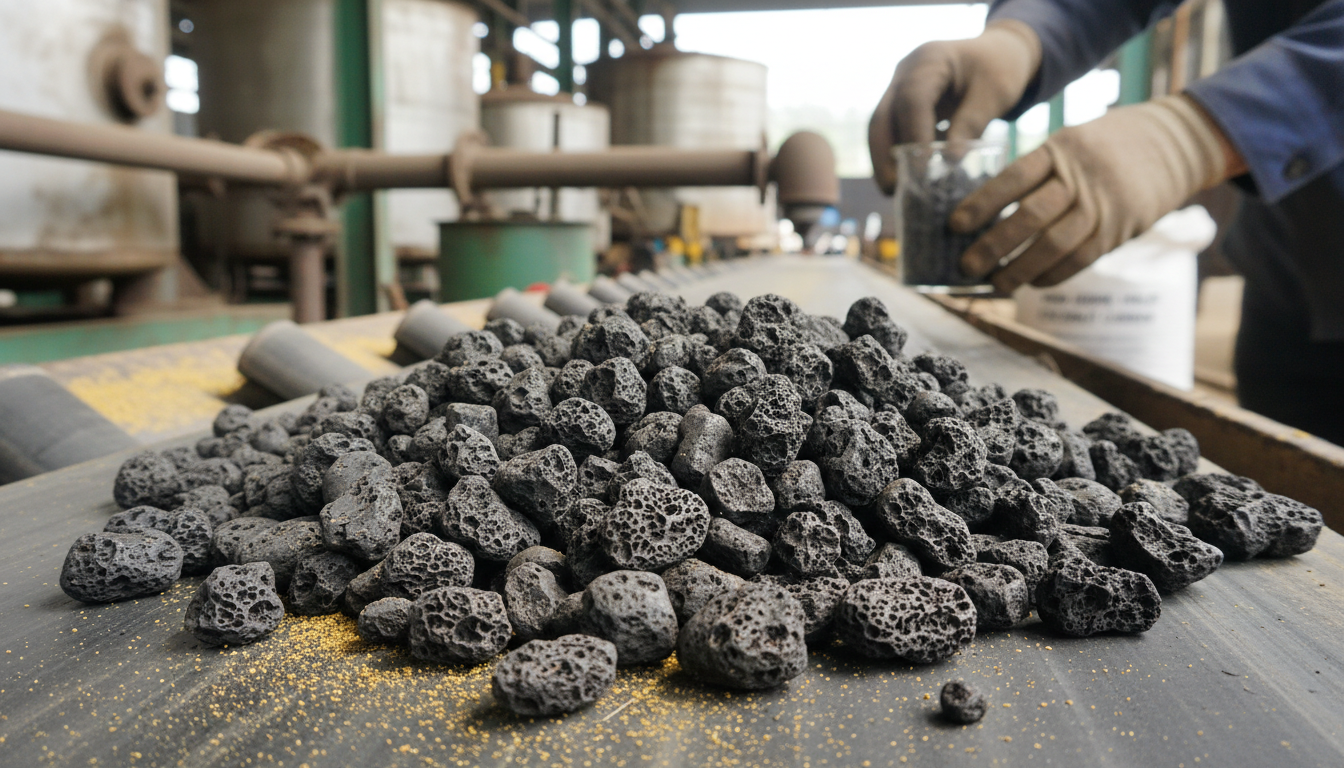
Gold recovery operations depend on one thing: getting dissolved gold out of solution and onto carbon particles. That’s where high iodine value gold carbon comes in. The iodine value tells you how well the carbon can adsorb small molecules—and in gold mining, that means grabbing gold-cyanide complexes from your leach solution.
We’ve seen operations improve their recovery rates just by switching to carbon with the right iodine number. But here’s the catch—higher isn’t always better. You need to match the carbon specs to your actual process, whether you’re running CIP, CIL, or CIC systems.
What Iodine Value Actually Measures
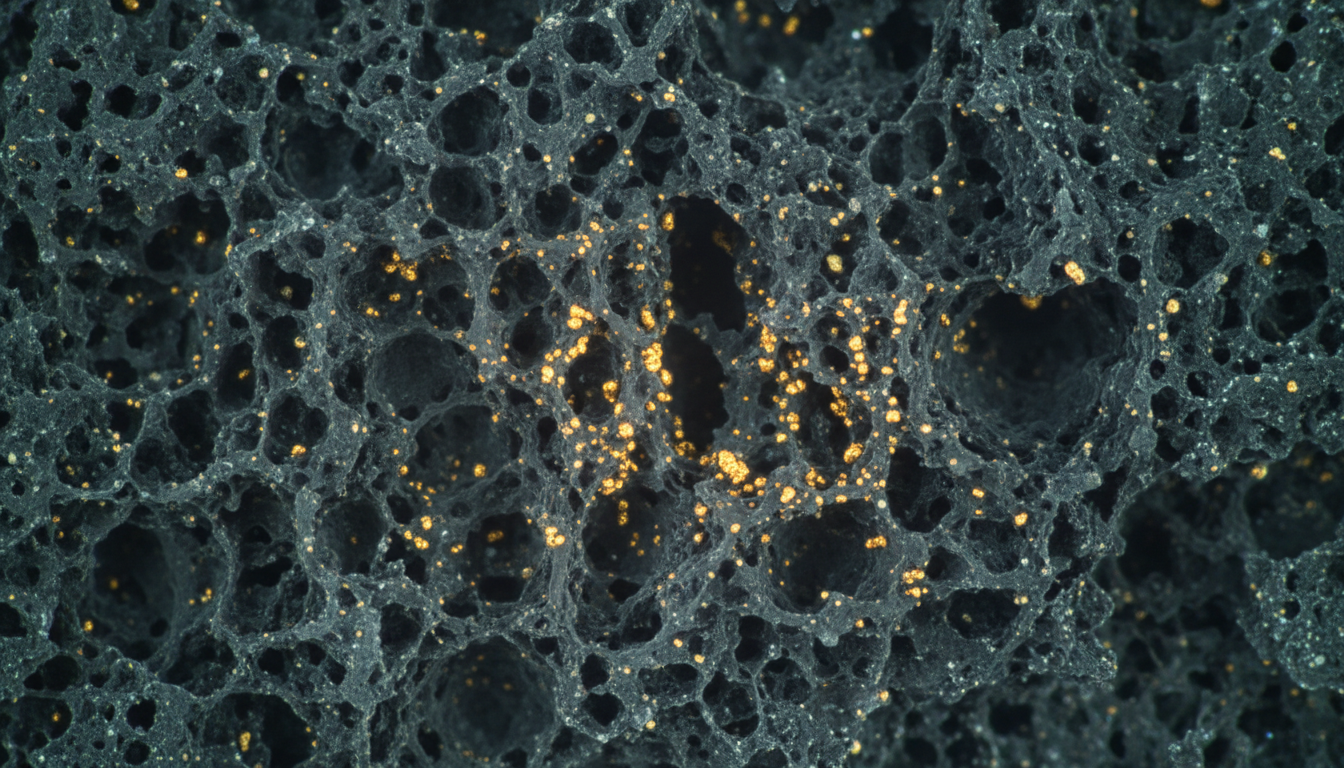
Iodine number is the most fundamental parameter used to characterize activated carbon performance, often reported in mg/g with a typical range of 500–1200 mg/g. Think of it like a report card for your carbon’s micropore structure.
It measures the micropore content of the activated carbon (0 to 20 Å, or up to 2 nm) by adsorption of iodine from solution. These tiny pores are exactly where gold-cyanide molecules get trapped during the recovery process.
Activated carbon used in the gold extraction process may have iodine values around 1000-1200 mg/g or higher. We typically recommend our coconut shell activated carbon in this range for most gold operations. The higher the number, the more developed the pore structure—but you’ve got to balance that against mechanical strength, which we’ll get to.
Why Gold Operations Need High Iodine Carbon

The effectiveness of activated carbon in gold recovery is attributed to its high surface area and specific pore structure, which allow it to adsorb dissolved gold cyanide complexes from ore slurries, with high iodine value indicating good adsorption of small molecules like gold cyanide.
Here’s what we see in real mining operations: carbon with iodine values below 950 mg/g struggles to keep up with gold loading. The higher the iodine value, the stronger the adsorption capacity. More adsorption sites mean you can process more slurry with less carbon, cutting your operating costs.
Our coconut shell granular activated carbon products are designed specifically for these applications. In gold recovery, coconut shell granular activated carbon is commonly used, including 6*12 mesh or 5*10 mesh sizes with iodine values of 900-1200.
The Iodine Value vs. Strength Trade-off
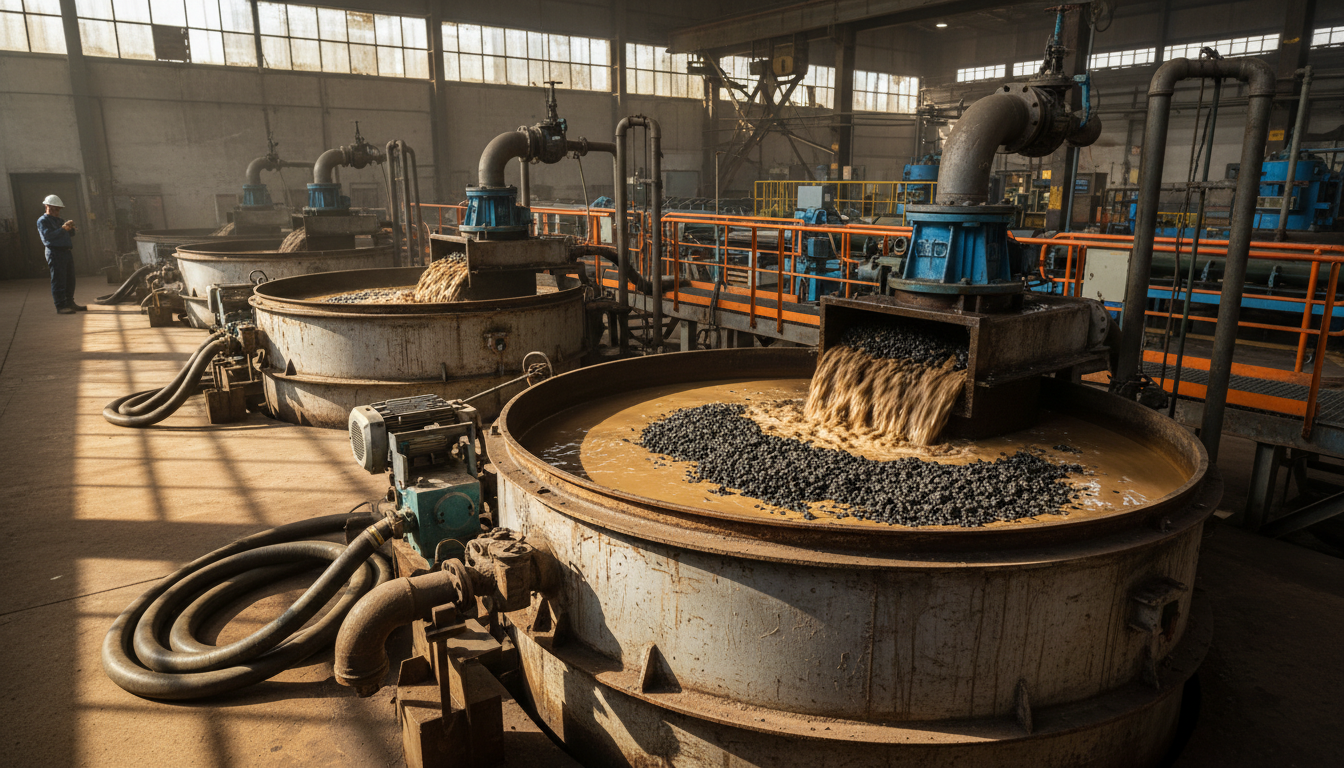
You can’t just chase the highest iodine number and call it done. A good activated carbon for gold recovery is a compromise between hardness and gold adsorption performance, and coconut shell based activated carbon has been found to be the most suitable carbon for this application at present.
Here’s why: Activated carbon is subjected to intense friction and tumbling during the CIC, CIP/CIL processes, and if the strength of the activated carbon is too low, it will wear down to fine particles, resulting in not only the loss of activated carbon but also the loss of gold.
Coconut shell activated carbon produced by a slep furnace has higher strength but can only reach 1150 iodine value at most, while a converter can reach 1700 iodine value at most but its strength will be lower. We work with both production methods, depending on what your operation needs. Check out our wear-resistant gold carbon materials that balance these factors.
How to Choose the Right Specs for Your Process
Different gold recovery methods need different carbon specs. CIP (Carbon in Pulp) involves mixing gold pulp with sodium cyanide then contacting with activated carbon in a series of large agitated adsorption tanks; CIL (Carbon in Leach) is similar to CIP but leaching and adsorption occur simultaneously; CIC (Carbon in Column) for Heap leaching uses dilute cyanide solution percolated over a heap of crushed ores then pumped through activated carbon columns.
For CIP operations, you’ll want carbon with both high iodine value and hardness above 97%. CIL can work with slightly lower specs since the carbon isn’t subjected to as much mechanical stress. CIP is suitable for situations where high adsorption efficiency is required and low-grade ores are treated; CIL is suitable for carbon-containing ores and situations where the process needs to be simplified; CIC is suitable for treating low-concentration gold solutions and tailings reprocessing.
Particle size matters too. For adsorption of minerals such as gold, the particle size should be in the range of 3.35–1.4 millimetres (0.132–0.055 in), as activated carbon with particle size less than 1 mm would not be suitable for elution. Too small and you’ll lose carbon through screens; too large and adsorption kinetics slow down.
Beyond Iodine Value: Other Specs That Matter
Iodine value is an important indicator for measuring the adsorption performance of activated carbon, but it is not the only factor, as performance is also influenced by factors such as pore structure, ash content, mechanical strength, and others.
Look for these alongside iodine number:
Ash content: Keep it below 10%, preferably under 5%. Ash content less than 3% effectively improves gold adsorption efficiency and reduces impurity interference. Higher ash means less actual carbon doing the work.
Attrition resistance: Low Attrition means a low gold loss rate, and the K value represents the capacity of activated carbon to adsorb gold per unit weight, but if the K value is higher, the iodine value is higher with more 1nm micropores, and the hardness decreases producing more debris.
Bulk density: Affects how much carbon you can pack into your adsorption tanks. Under the same iodine value and moisture, the higher the bulk density means the denser its texture and the stronger its strength, affecting the filling amount and overall adsorption capacity of activated carbon.
Conclusion
High iodine value gold carbon isn’t about finding the biggest number—it’s about getting the right combination of adsorption capacity, mechanical strength, and particle size for your specific gold recovery system. We recommend starting with coconut shell carbon in the 1000-1200 mg/g iodine range for most CIP and CIL operations, then adjusting based on your actual results.
The carbon you choose directly affects your gold recovery rate and operating costs. Get the specs wrong and you’ll either lose gold to weak carbon that breaks apart, or miss out on adsorption capacity with overly dense material.
Want to talk through your specific operation? We can help you match carbon specs to your process conditions.
FAQs
What’s the best iodine value for CIP gold recovery?
Most CIP operations run best with carbon in the 1100-1200 mg/g range. This gives you strong adsorption without sacrificing the mechanical strength you need for the vigorous agitation in CIP tanks. Lower values (900-1000 mg/g) can work if your hardness requirements are higher, but you’ll need more carbon to hit the same recovery rates.
Does higher iodine value always mean better gold recovery?
Not always. While higher iodine values generally mean more adsorption sites, you need to balance this against carbon strength and attrition resistance. Carbon that breaks into fines during processing leads to gold loss, even if the iodine number looks great on paper. We’ve seen operations get better results with 1100 mg/g carbon that stays intact versus 1500 mg/g carbon that generates too much dust.
How is iodine value different from surface area?
Iodine value measures micropore content—specifically the tiny pores that trap small molecules like iodine and gold-cyanide complexes. Surface area includes all pore sizes (micro, meso, and macro). You can have high surface area but low iodine value if most pores are too large for effective gold adsorption. For gold recovery, iodine value is usually the better indicator.
Can I use coal-based carbon instead of coconut shell for gold recovery?
You can, but coconut shell carbon typically performs better for gold applications. Coconut shell naturally develops the micropore structure needed for gold-cyanide adsorption, plus it has better mechanical strength and lower ash content. Our coal-based activated carbon works well for water treatment, but gold operations usually get better results with coconut shell.
How often should I test iodine value in production carbon?
Test every batch you receive—don’t assume consistency. We’ve seen iodine values vary by 50-100 mg/g between batches from the same supplier. Also test your regenerated carbon after each cycle, since thermal reactivation can change the pore structure. Fresh carbon should hit spec every time, but regenerated carbon degrades gradually over multiple cycles.