Looking for a reliable honeycomb activated carbon manufacturer? We know how tough it can be to find quality filtration materials that actually deliver on their promises. Whether you’re dealing with VOCs, unpleasant odors, or industrial exhaust gas treatment, getting the right product from the right manufacturer makes all the difference. We’ve worked with countless businesses looking for efficient air purification solutions, and we understand what it takes to deliver products that work.
At our company, we specialize in manufacturing high-quality activated carbon products that meet strict environmental standards. From coal or coconut shell or wood or mixing activated carbon powder as raw materials, we create solutions that help businesses across industries breathe easier. Our experience in the activated carbon industry gives us unique insights into what works best for different applications, and we’re here to share that knowledge with you.
In this guide, we’ll walk through everything you need to know about honeycomb activated carbon manufacturing, applications, specifications, and how to choose the right manufacturer for your needs. Let’s get started.
What is Honeycomb Activated Carbon?
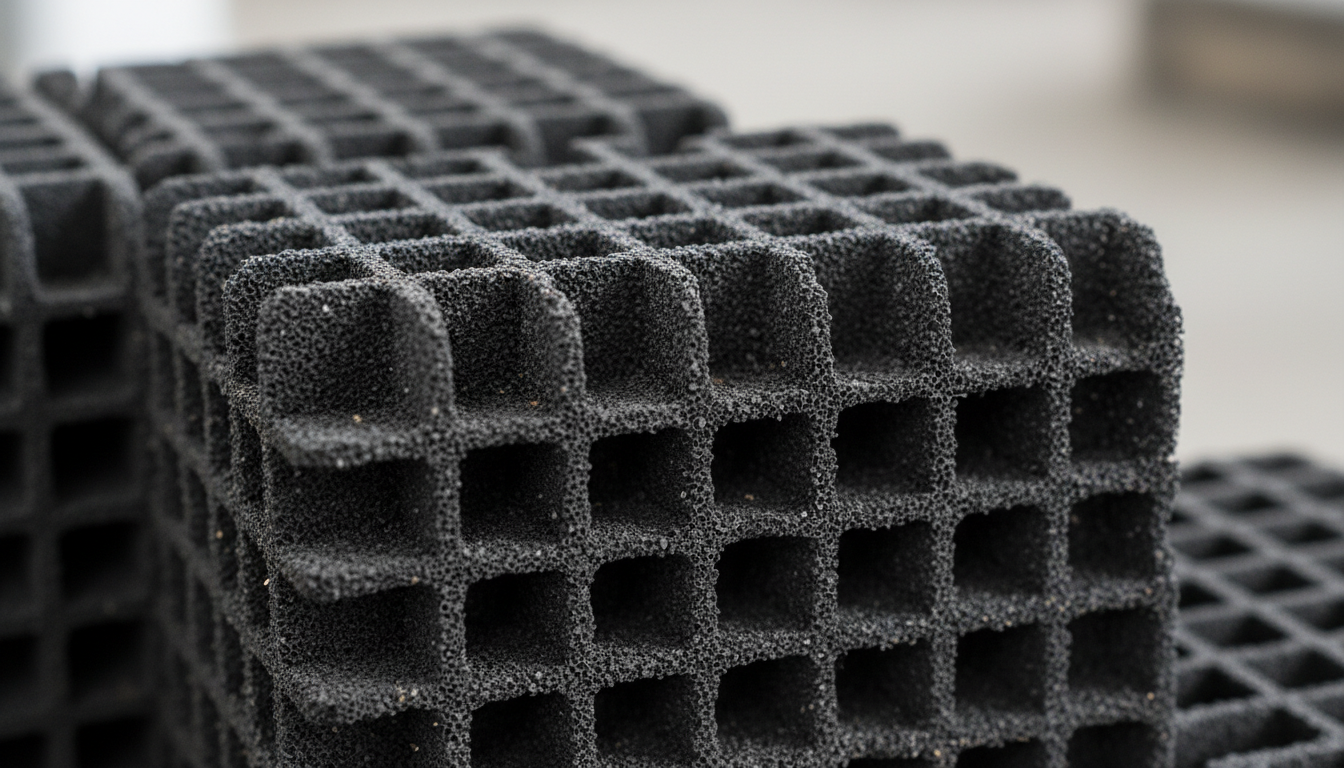
Honeycomb activated carbon is an activated carbon material with a honeycomb structure, usually made of high-quality coal or coconut shell or wood or mixing activated carbon powder as raw materials with a binder, named after its three-dimensional mesh or honeycomb-shaped pore structure. Think of it like a sponge with thousands of tiny air channels running through it, but way more effective at grabbing pollutants from the air.
What makes this stuff special is its unique design. Honeycomb activated carbon is a new type of activated carbon with large contact area, developed microporous structure and high adsorption capacity, the biggest characteristic of it is small wind resistance. Unlike the granular or powdered activated carbon you might be familiar with, the honeycomb structure allows air to flow through easily while maximizing contact with the carbon surface.
The manufacturing process involves mixing activated carbon powder with a binding agent, pressing it through honeycomb molds, and then firing it at high temperatures to activate the carbon. The result? This special structural design greatly increases its specific surface area and adsorption capacity, while also providing lower airflow resistance, making it an efficient adsorption material. We’ve seen this material work wonders in everything from factory exhaust systems to home air purifiers.
Key Features and Advantages
When we manufacture honeycomb activated carbon, we focus on creating products with features that actually matter in real-world applications. Here’s what sets quality honeycomb activated carbon apart from other filtration materials:
Low Pressure Drop: One of the biggest advantages is the minimal resistance to airflow. The honeycomb channels allow air to pass through smoothly without forcing fans to work overtime. This means lower energy costs and more efficient systems overall.
High Adsorption Capacity: The main advantages include high adsorption efficiency, good regeneration performance and high mechanical strength. The pore structure is usually divided into two types: micropores and mesopores, which can effectively adsorb a variety of pollutants, such as organic gases, odorous gases and some inorganic substances. We’re talking about serious pollutant-grabbing power here.
Mechanical Strength: Nobody wants carbon filters that crumble during shipping or installation. Quality honeycomb activated carbon maintains its structural integrity even under demanding conditions, making it easier to handle and install.
Regeneration Capability: Unlike some filtration materials that are one-and-done, honeycomb activated carbon can often be regenerated through thermal treatment, extending its useful life and reducing long-term costs.
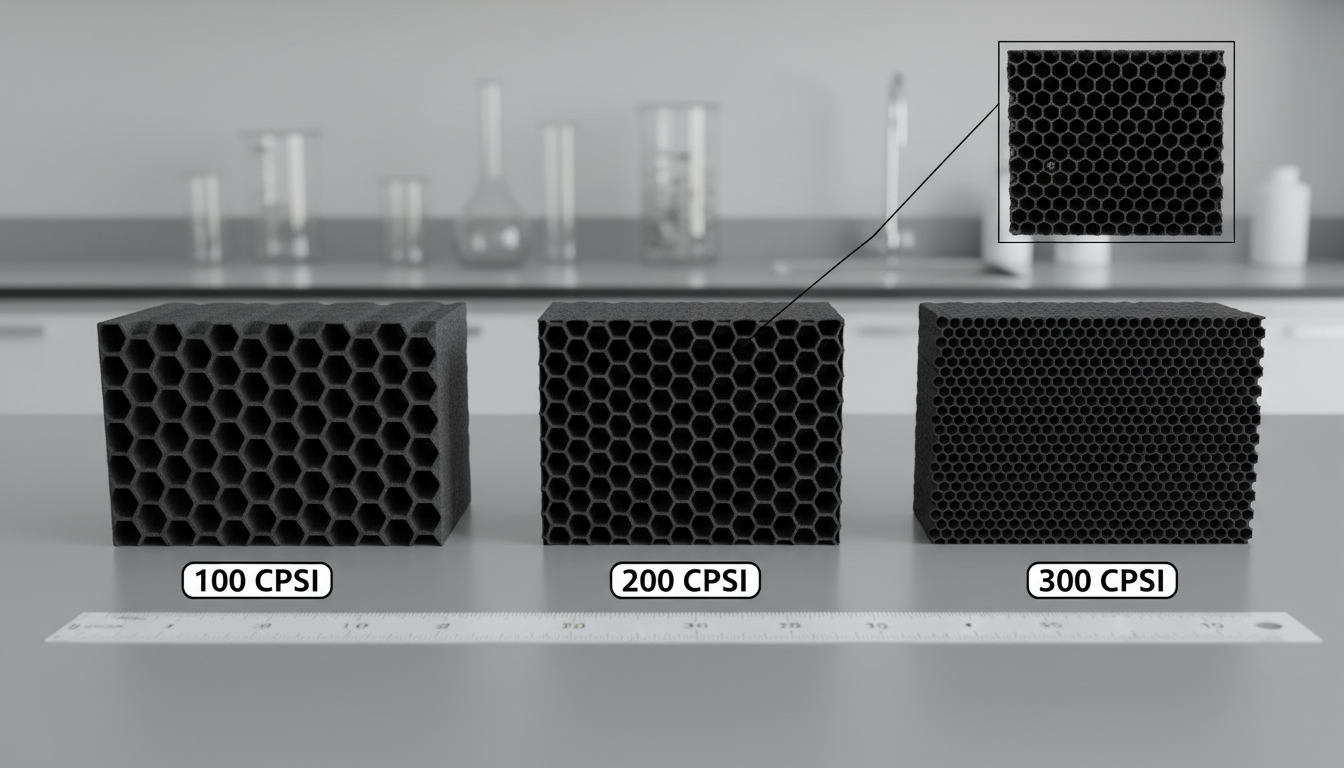
Customizable Specifications: From cell density (measured in CPSI – cells per square inch) to overall dimensions, honeycomb activated carbon can be customized to meet specific application requirements. We typically work with customers to determine the optimal specifications for their unique needs.
Applications of Honeycomb Activated Carbon
The versatility of honeycomb activated carbon never ceases to amaze us. We’ve supplied materials for so many different industries, each with unique challenges and requirements. Here’s where this product really shines:
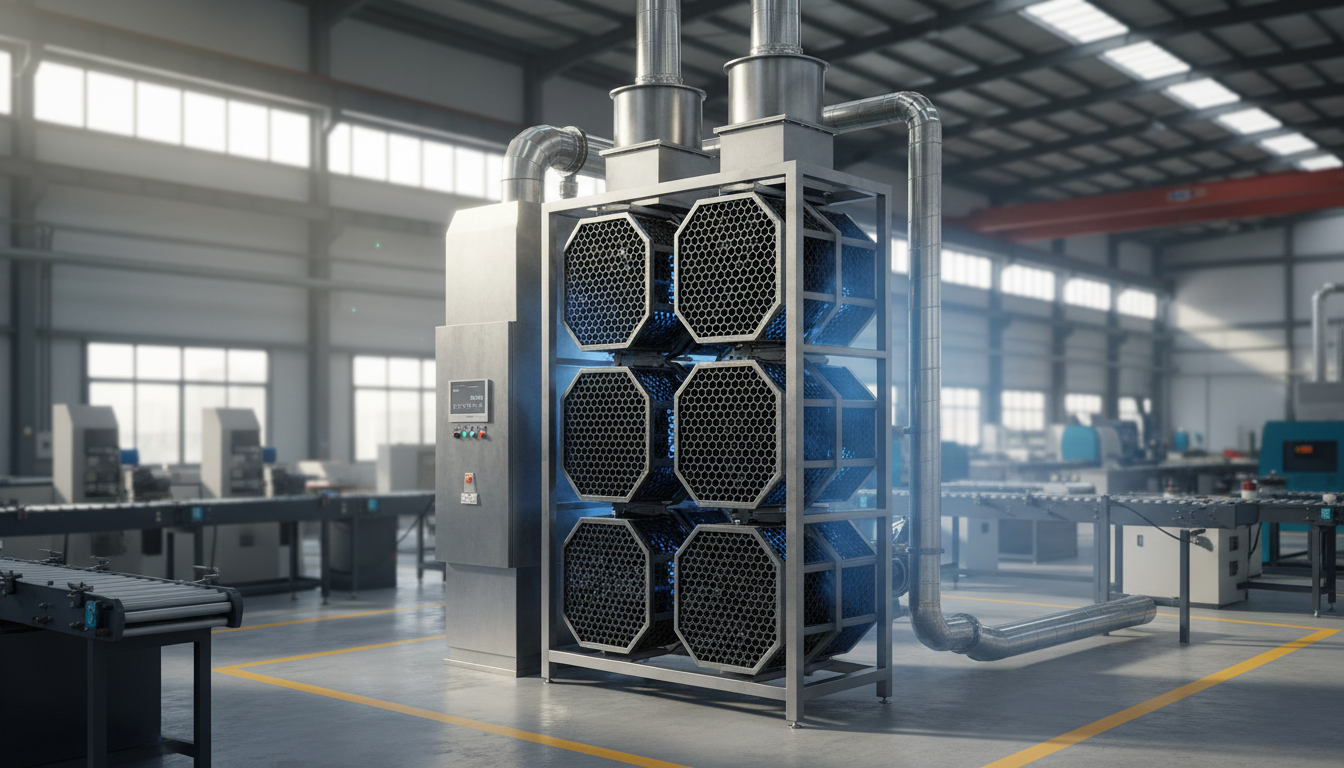
Industrial Air Purification: HANYAN honeycomb activated carbon is popular in VOCs treatment, especially applied with catalytic combustion equipment. It is widely used for exhausting gas in factories and remove hazardous odor from spray-paint room. Manufacturing facilities, automotive paint shops, chemical plants, and printing operations all rely on this material to keep emissions under control.
VOC Removal: Volatile organic compounds are everywhere – from furniture off-gassing to industrial solvents. It is widely use for air purification system which is high flow rate, low-concentration VOC pollutant air streams. The honeycomb structure excels at capturing these compounds before they escape into the environment.
Water Treatment: In water treatment, honeycomb activated carbon can also be used. It can effectively help to filter dirt, cloudiness, odor, bacteria, and even remove algae in livestock trough. For example, aquariums, animal husbandry. The water-resistant varieties we manufacture can handle both municipal and industrial wastewater treatment applications.
Indoor Air Quality: From airports to office buildings to homes, people are increasingly concerned about breathing clean air. In indoor places such as airports, stations, and homes, cellular activated carbon can be used to purify the air and keep the environment comfortable. We’ve seen demand for residential air purification solutions grow significantly in recent years.
Gas Purification: Industrial gas purification (such as CO2, N2, etc.). Petrochemical industry production, natural gas purification, desulfurization, Air purification and deodorization of biochemical, paint industry, underground sites, leather factories, animal husbandry sites. The applications just keep expanding as more industries discover the benefits.
Manufacturing Process and Quality Control
As a honeycomb activated carbon manufacturer, we take the production process seriously. Quality starts with raw materials and continues through every step of manufacturing. Here’s how we do it:
First, we select high-quality activated carbon powder. This typically comes from coal-based, coconut shell, or other carbon sources, depending on the application requirements. The quality of this base material directly impacts the final product’s performance.
70% carbon powder is uniformly mixed with 30% binder in a mixer. The resulting pliable activated carbon mud undergoes shaping treatment with a vacuum kneading machine. After uniform mixing, impurities are removed using a 60-100 mesh screen in the shaping machine. The shaped product, using honeycomb steel molds, becomes wet honeycomb activated carbon. This mixing and molding stage requires precision to ensure consistent quality.
Next comes the activation process. The cut honeycomb coal undergoes drying treatment, becoming water-resistant honeycomb activated carbon. For standard products, we fire the molded carbon at temperatures between 800-900 degrees Celsius. This high-temperature treatment activates the carbon, creating the microporous structure that gives the material its incredible adsorption capacity.
We also offer specialized variants. Water-resistant honeycomb activated carbon undergoes additional treatment to handle moisture-heavy environments without losing effectiveness. Impregnated versions can be customized with specific chemicals to target particular pollutants like hydrogen sulfide, ammonia, or formaldehyde.
Quality control happens at every stage. We test for parameters like CTC adsorption value, benzene adsorption capacity, compressive strength, moisture content, and more. We’ve learned that consistency matters just as much as peak performance – your tenth shipment should perform just like your first.
Specifications and Technical Parameters
When choosing a honeycomb activated carbon manufacturer, you need to understand the technical specifications that matter. Here’s what we typically discuss with customers:
Cell Density (CPSI): 50 pore/square inch: The pore size is larger, generally about 3-4mm, this kind of pore gas resistance is small, suitable for large air volume. 100 pores/square inch: The pore size is medium, adsorption capacity and speed are relatively smooth. It is suitable for air volume, with good adsorption performance and long use time, and is the conventional specification we often use. We also manufacture 150, 200, 300, and 400 CPSI variants for specific applications.
Common Sizes: Standard blocks typically come in 50x50x100mm, 100x100x100mm, or custom dimensions based on your equipment specifications. The size affects not just how much material fits in your system, but also contact time and adsorption efficiency.
Adsorption Performance: CTC (carbon tetrachloride) adsorption is a key indicator of performance. Quality honeycomb activated carbon should achieve CTC values of 65% or higher, with premium grades reaching 75-85% or more.
Compressive Strength: Normal compressive strength greater than 0.8 MPa. This ensures the material won’t crush or break down during normal handling and operation.
Bulk Density: Typically ranges from 0.35-0.55 g/cm³, lighter than traditional carbon blocks while maintaining effectiveness.
Operating Temperature: Operating temperature less than 400°C. Exceeding this can damage the carbon structure and reduce adsorption capacity.
| Parameter | Typical Range | Notes |
|---|---|---|
| Cell Density | 50-400 CPSI | Higher density = more adsorption, more pressure drop |
| CTC Adsorption | 65-85% | Higher is better for VOC removal |
| Compressive Strength | ≥0.8 MPa | Ensures durability during handling |
| Moisture Content | ≤5% | Lower is better for storage stability |
| Ash Content | ≤10% | Lower means purer carbon |
How to Choose the Right Honeycomb Activated Carbon Manufacturer
We know you’ve got options when it comes to manufacturers. Here’s what you should look for to make sure you’re getting quality products and reliable service:
Production Capacity: Now, we are the largest honeycomb activated carbon manufacturer in China with annual capacity over 36,000m³. Large-scale manufacturers can ensure consistent supply and often have better quality control systems in place.
Technical Expertise: Look for manufacturers who can provide technical guidance, not just products. We’ve helped countless customers determine the right specifications for their specific applications, from selecting the appropriate cell density to recommending regeneration protocols.
Quality Certifications: ISO certifications, environmental compliance documentation, and third-party testing reports all indicate a manufacturer’s commitment to quality. Don’t be shy about asking for these documents.
Customization Capabilities: We can also provide impregnated grades of honeycomb activated carbon, For any needs, please contact us directly. The ability to customize products for specific applications sets great manufacturers apart from average ones.
Responsive Communication: We believe in responding to inquiries quickly and providing clear, honest information. You shouldn’t have to wait days to get basic product information or a quote.
Competitive Pricing: According to different parameters such as iodine value, size, raw materials, etc., the price of activated carbon is different. You can contact us directly for consultation. Transparent pricing based on actual specifications helps you make informed decisions.
Installation and Maintenance Tips
Getting the most out of your honeycomb activated carbon investment requires proper installation and maintenance. Here’s what we recommend:
Pre-filtration: When using honeycomb activated carbon, try to avoid high temperature, because high temperature will reduce the adsorption capacity. At the same time, avoid the high dust content in the gas, because tar and dust mist will block the fine pores of activated carbon. In this case, a dust filter should be installed in front of the honeycomb activated carbon, in order to improve the material rate and service life. This simple step can dramatically extend the life of your carbon filters.
Proper Airflow: Make sure air flows evenly through all sections of the honeycomb structure. Uneven distribution means some areas saturate faster than others, reducing overall efficiency.
Temperature Control: Keep operating temperatures within spec. Excessive heat doesn’t just reduce adsorption capacity temporarily – it can permanently damage the carbon structure.
Regular Monitoring: Track pressure drop across the filter bed. As the carbon becomes saturated, pressure drop increases. This gives you a heads-up before performance drops significantly.
Regeneration or Replacement: Depending on your application, honeycomb activated carbon can often be regenerated through thermal treatment. For operations with high pollutant loads, replacement might be more cost-effective than regeneration.
FAQs
Q: What’s the difference between honeycomb activated carbon and granular activated carbon? A: Honeycomb activated carbon offers significantly lower pressure drop, easier installation, and more uniform airflow distribution compared to granular activated carbon. The honeycomb structure prevents the channeling and uneven flow patterns that can occur with loose granular media. For high-volume, low-concentration VOC streams, honeycomb is usually the better choice.
Q: How long does honeycomb activated carbon last before replacement? A: Service life depends heavily on pollutant concentration and airflow volume. In typical industrial applications with low-concentration VOCs, quality honeycomb activated carbon can last 6-18 months before regeneration or replacement. We recommend monitoring pressure drop and conducting periodic breakthrough testing to determine optimal replacement timing.
Q: Can honeycomb activated carbon be regenerated, and is it worth it? A: Yes, honeycomb activated carbon can be regenerated through thermal treatment at temperatures around 400°C. Whether regeneration makes economic sense depends on your operation scale and local costs for regeneration services versus new material. For large-scale operations, regeneration often proves cost-effective and environmentally preferable.
Q: What pollutants can honeycomb activated carbon remove effectively? A: Honeycomb activated carbon excels at removing volatile organic compounds (VOCs) like benzene, toluene, xylene, acetone, and formaldehyde. It also effectively removes odors, certain acid and alkaline gases, and when impregnated with specific chemicals, can target compounds like hydrogen sulfide, ammonia, and mercury. It’s less effective for very small molecules like carbon monoxide or for particulate matter.
Q: How do I choose between different CPSI ratings? A: Higher CPSI (cells per square inch) provides more surface area and adsorption capacity but creates higher pressure drop. For high-volume, low-concentration applications, 100-150 CPSI works well. For lower volumes with higher concentrations, 200-300 CPSI might be better. We typically recommend discussing your specific airflow rates and pollutant levels with your manufacturer to determine the optimal cell density