Choosing the right activated carbon can feel overwhelming when you’re faced with dozens of options. But the truth is, picking the wrong type can cost you time, money, and performance. Whether you’re treating drinking water, purifying air, or handling industrial processes, matching the carbon to your specific needs makes all the difference.
We’ve spent years helping clients navigate these decisions, and we’ve learned that success comes down to understanding a few key factors: your contaminant type, your system design, and your budget. Let’s break down how to find the activated carbon that fits your application like a glove.
Raw Material Sources
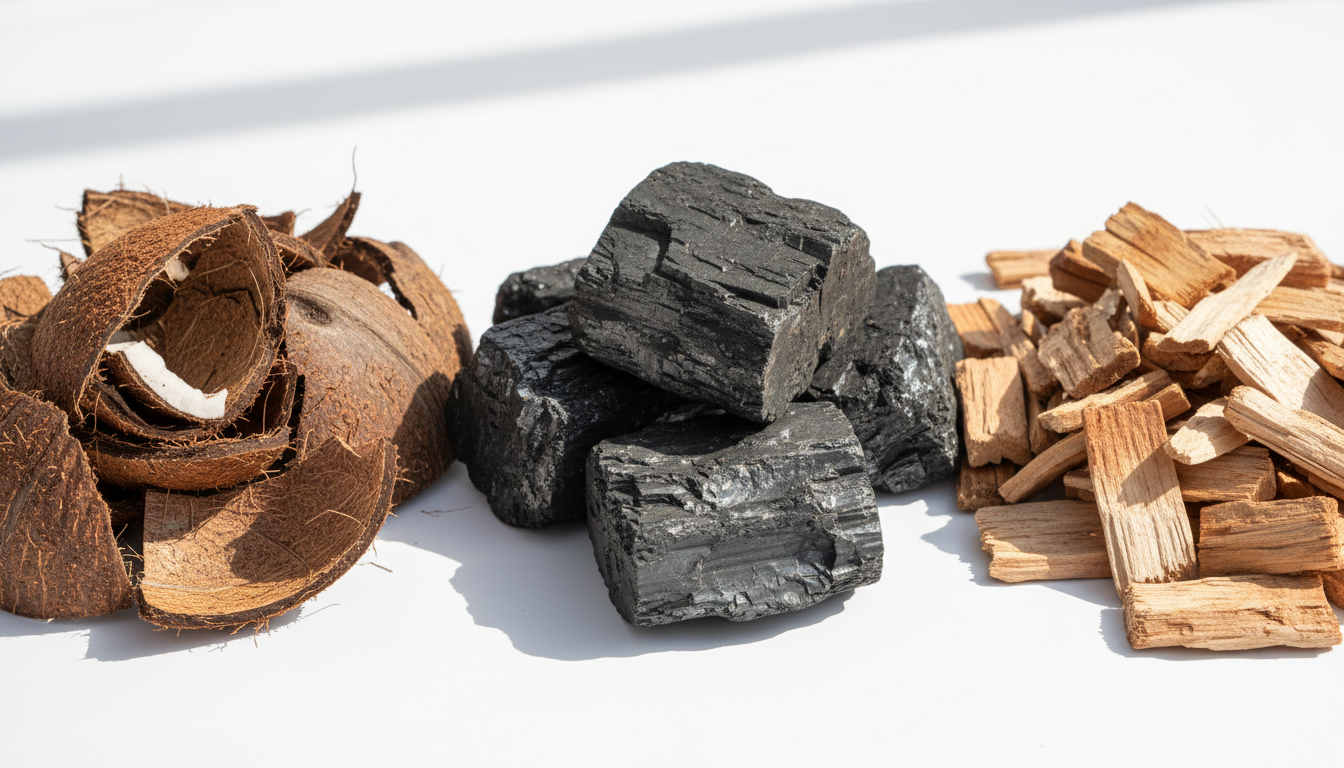
Different raw materials like wood, coconut, or coal create activated carbons with varying properties that directly affect performance. The source material determines the pore structure, which is basically the carbon’s internal architecture.
Coconut shell-based carbon has a high density of micropores, making it exceptionally adept at adsorbing small molecules like volatile organic compounds and odors. This is why we recommend our coconut shell activated carbon for drinking water treatment and air purification projects.
Coal-based carbon features a predominantly mesoporous structure suitable for adsorbing medium to large molecules, making it best for gas phase adsorption, decolorization, and heavy metal removal. Our coal-based activated carbon line handles industrial wastewater and broader-spectrum applications.
Wood activated carbon offers high adsorption rates and fast filtration speeds, commonly used in food decolorization, water purification, and solvent recovery. Check out our wood powder activated carbon for these specialized uses.
Granular vs. Powdered Forms
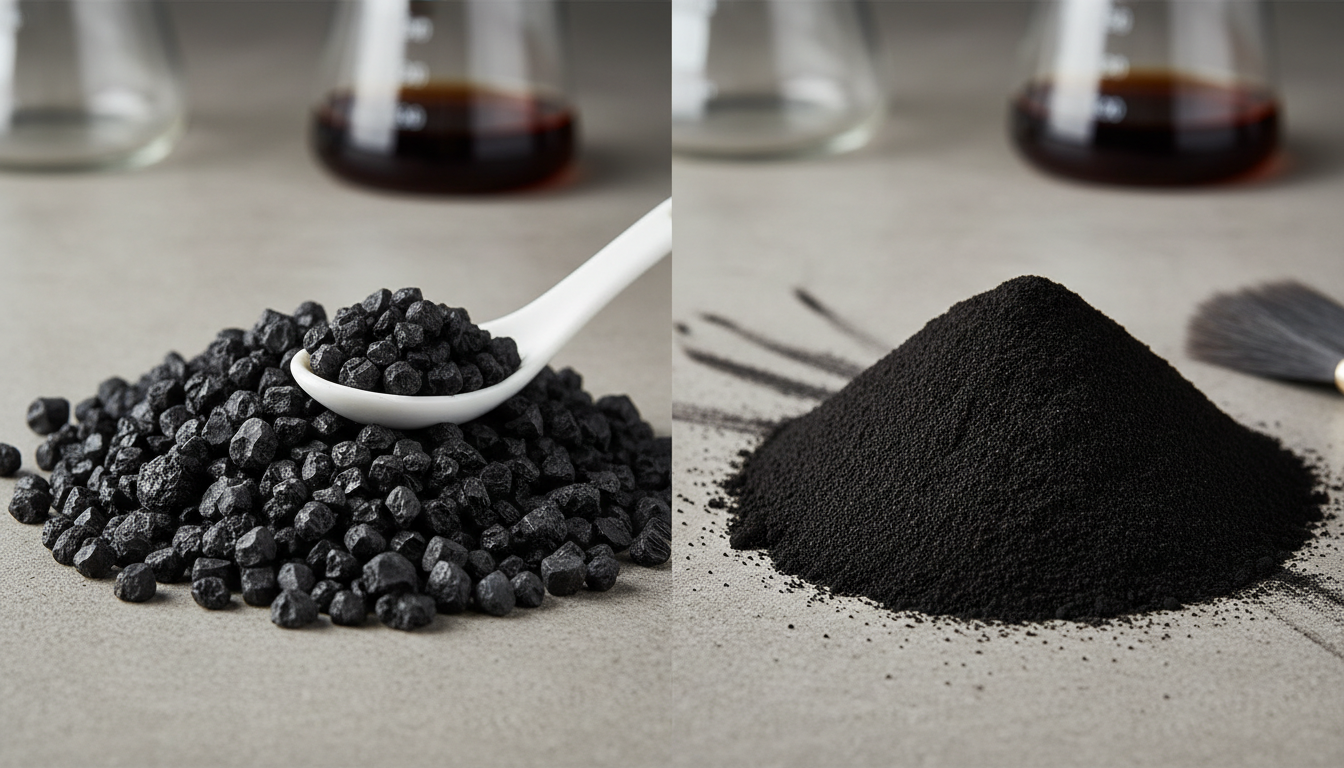
The physical form you choose affects everything from installation to maintenance costs. Granular activated carbon has larger particles and works best for long-term, continuous filtration with easy regeneration and reuse, while powdered activated carbon has very fine particles that provide fast purification, ideal for short-term or emergency treatments.
Granular Activated Carbon (GAC) ranges from 0.2 to 5 mm in size. GAC works best in long-term, continuous treatment systems like municipal drinking water plants, industrial wastewater facilities, and groundwater remediation projects. The structure supports steady contaminant removal and fits well in large filtration units.
We offer both coconut shell granular activated carbon and coal-based granular activated carbon to match your system requirements.
Powdered Activated Carbon (PAC) typically measures less than 0.188 mm. PAC fits short-term or emergency needs, with water treatment plants using it during seasonal contamination spikes or for rapid response, as its fine particles allow flexible dosing and quick mixing.
Matching Carbon to Contaminant Size
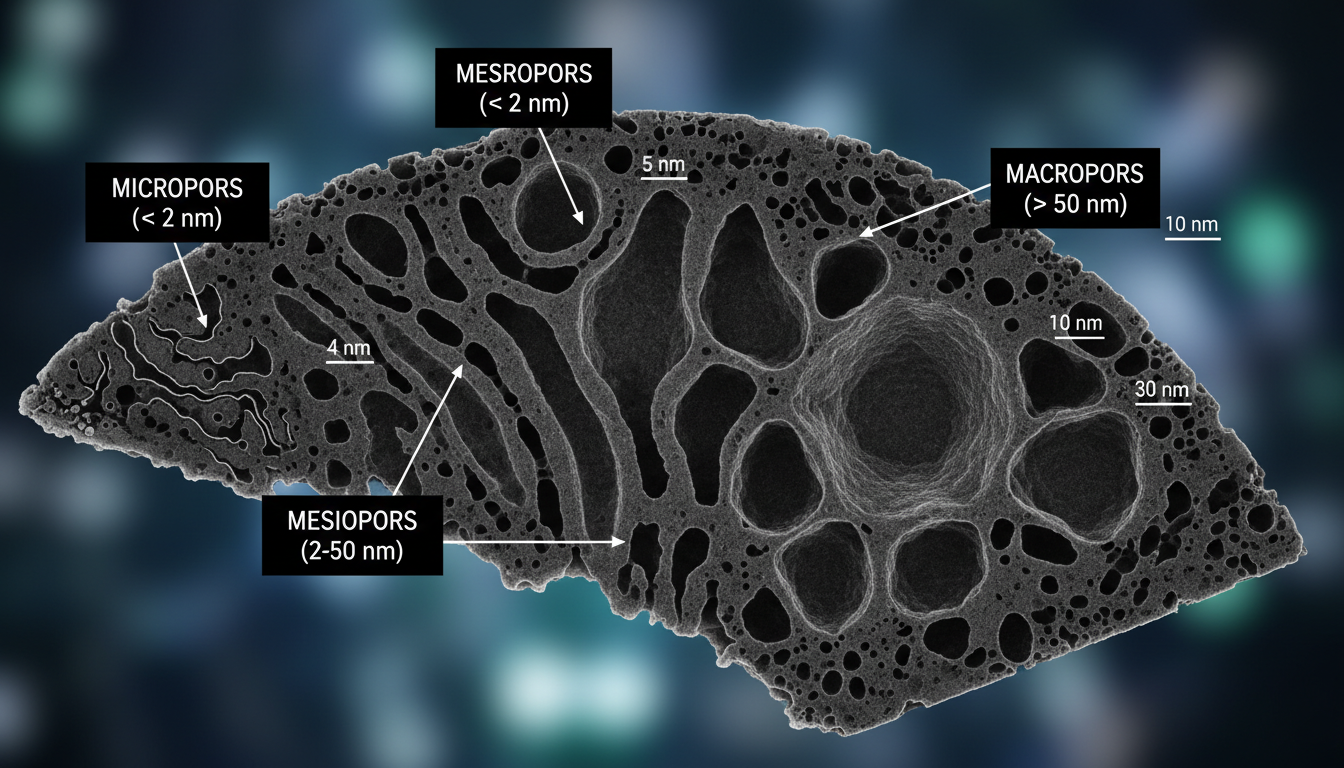
Pore size matters more than most people realize. Porosity plays a vital role in choosing the right type of carbon – coconut carbon contains many micropores, coal carbon contains mainly mesopores as well as micropores, and wood carbon contains mesopores and macropores only; if the molecular size of impurities is less than 100 angstroms then coconut carbon can be preferred, while molecular sizes between 100 and 1000 angstroms work better with coal carbon.
Think of it this way: you wouldn’t use a tennis net to catch sand, and you wouldn’t use a coffee filter to strain rocks. The same logic applies to activated carbon pores and contaminants.
Coconut shell-based activated carbon has the most micropores (defined as pores less than 20-angstrom units in diameter), with about 50 percent higher micropore content than bituminous coal-based activated carbon. This makes it superior for removing small organic molecules.
Key Performance Indicators
When evaluating activated carbon options, look at these specs:
Iodine Number: This is a standard measure of adsorption capacity, with an ideal iodine value for water treatment being 1000 mg/g and above. Higher numbers mean more adsorption power.
Ash Content: Low ash content (less than 5%) improves adsorption and prevents filter fouling, while high ash indicates lower purity and reduced lifespan. We keep ash content minimal in all our products.
Hardness: A greater hardness value indicates less particle attrition and dust, meaning coconut shell activated carbon requires less water to clean and produces fewer particles while in use.
Bulk Density: This affects filter design and media handling, with an ideal range for coconut shell GAC being 0.45–0.55 g/cc.
Application-Specific Recommendations
For Drinking Water: Due to its high hardness, low ash content, and high purity, coconut shell activated carbon is more suitable for drinking water treatment and reverse osmosis water applications. Our coconut shell powdered activated carbon meets strict drinking water standards.
For Odor Removal: Coal activated carbon is suitable for odor removal, making it perfect for wastewater treatment plants and industrial facilities.
For Chlorine Removal: Coconut activated carbon is suitable for dechlorination, which is why it’s the go-to choice for municipal water systems.
For Industrial Gas Treatment: Coal-based activated carbon offers a well-balanced pore structure distribution suitable for a wide range of applications, commonly used in municipal water treatment, wastewater processing, and industrial applications where a broad spectrum of contaminants needs to be addressed simultaneously.
Cost and Sustainability Factors
Budget matters, but don’t just look at the upfront price. GAC costs more to produce because of strict size and density controls, but its ability to regenerate and long lifespan make it cost-effective for large, continuous operations, while PAC has a lower initial cost but frequent replacement and special handling can raise long-term costs.
Cost wise coconut shell activated carbon is a little bit expensive compared to coal and wood activated carbon. But there is negligible loss of material during backwashing for coconut activated carbon due to its high hardness, making operation costs low.
From a sustainability standpoint, coconut shells are a renewable resource and a byproduct of the coconut industry, making coconut shell-based activated carbon a more sustainable choice as it utilizes waste materials and does not contribute to mining-related environmental degradation.
Making Your Final Decision
Selecting the right activated carbon depends on several important factors: type of contaminant (some respond better to granular while others need the fast action of powdered), and treatment method (continuous systems often use granular while batch or emergency treatments usually work best with powdered).
Start by testing your water or air to identify specific contaminants. Match those contaminants to the appropriate pore size. Then consider your system design, budget, and whether you need continuous or batch treatment. When in doubt, contact our team at Yanshan Carbon – we’ll help you run the numbers and find the perfect match for your application.
Don’t forget to check certifications. Ensure your carbon meets AWWA or ISO standards for your specific use case.
Conclusion
Finding the right activated carbon isn’t about picking the “best” product – it’s about picking the best product for your specific application. Coconut shell carbon excels at removing small molecules and chlorine in drinking water systems. Coal-based carbon handles broader industrial applications with larger contaminants. Wood carbon shines in food and beverage decolorization.
Granular forms work best for continuous, long-term systems where regeneration saves money. Powdered forms give you flexibility for emergency response and batch processing. Look at your contaminants, your system design, your budget, and your timeline. With those factors clear, the right choice becomes obvious.
We’ve helped hundreds of clients make this decision, and we’re here to help you too. Browse our full product line including apricot shell activated carbon options, or reach out for personalized recommendations.
FAQs
What’s the main difference between coconut shell and coal-based activated carbon?
The primary difference lies in pore structure. Coconut shell carbon has predominantly micropores (smaller pores) making it better for removing small molecules like chlorine and VOCs from water. Coal-based carbon has more mesopores (medium-sized pores) making it better for industrial applications with larger contaminants. Coconut shell also has lower ash content and is a renewable resource, while coal-based carbon costs less upfront but comes from non-renewable sources.
Can I use granular activated carbon instead of powdered, or vice versa?
They’re not directly interchangeable. Granular carbon works in fixed-bed continuous flow systems and can be regenerated for reuse. Powdered carbon gets added directly to water, mixed in, and then filtered out – it’s typically single-use. If your system has a filter bed designed for GAC, you can’t just dump in PAC. The choice depends on your treatment method, contact time requirements, and whether you need regeneration capability.
How often should I replace or regenerate activated carbon?
Replacement timing depends on contaminant levels, water volume, and carbon type. Granular carbon in home filters typically lasts 6-12 months. Industrial GAC systems might run several years before needing regeneration. Powdered carbon is usually single-use. The only way to know for sure is to monitor your effluent water quality – when you start seeing breakthrough (contaminants passing through), it’s time to replace or regenerate.
Does activated carbon remove all water contaminants?
No. Activated carbon excels at removing organic chemicals, chlorine, taste, odor, and many VOCs. But it doesn’t effectively remove dissolved minerals, salts, sodium, nitrates, fluoride, or microorganisms like bacteria and viruses. For comprehensive treatment, you might need to combine activated carbon with other technologies like reverse osmosis, UV treatment, or ion exchange depending on your specific water quality issues.
What iodine number should I look for when buying activated carbon?
For water treatment applications, look for an iodine number of at least 1000 mg/g. Higher numbers (1100-1200 mg/g) indicate greater adsorption capacity. The iodine number correlates directly with the amount of micropores available for trapping small contaminants. If you’re treating heavily contaminated water or need longer service life, go for higher iodine numbers. Just remember that higher performance usually means higher cost, so match the spec to your actual needs.