

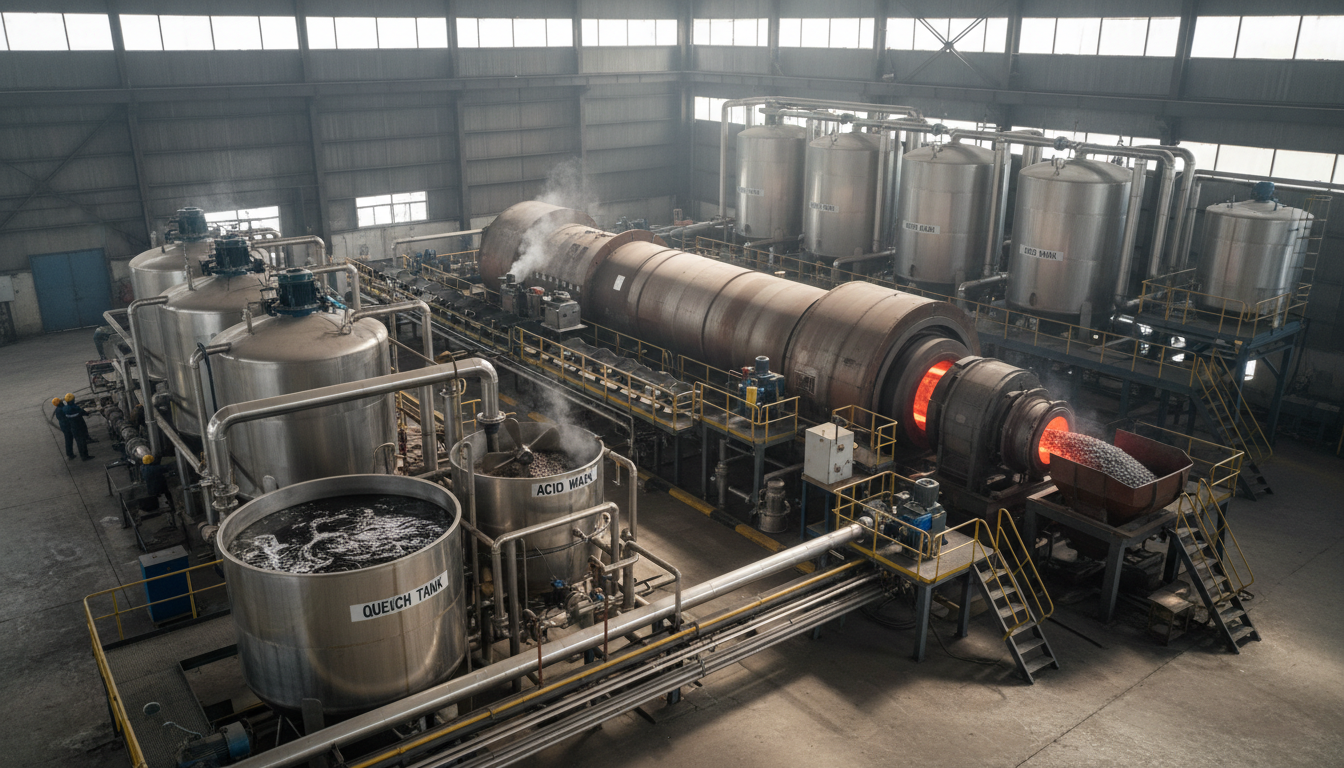
Spent activated carbon doesn’t have to be the end of the line. We can bring it back to life through regeneration—a process that restores most of its adsorption capacity and saves you money compared to buying new carbon. If you’re using coconut shell activated carbon in your water treatment or industrial processes, learning how to regenerate it makes financial and environmental sense.
Regeneration works because activated carbon’s adsorption is mostly physical, not chemical. Contaminants stick to the carbon’s surface through weak forces, and we can break those bonds with the right conditions. Let’s walk through the methods that actually work in real applications.
What Regeneration Actually Means
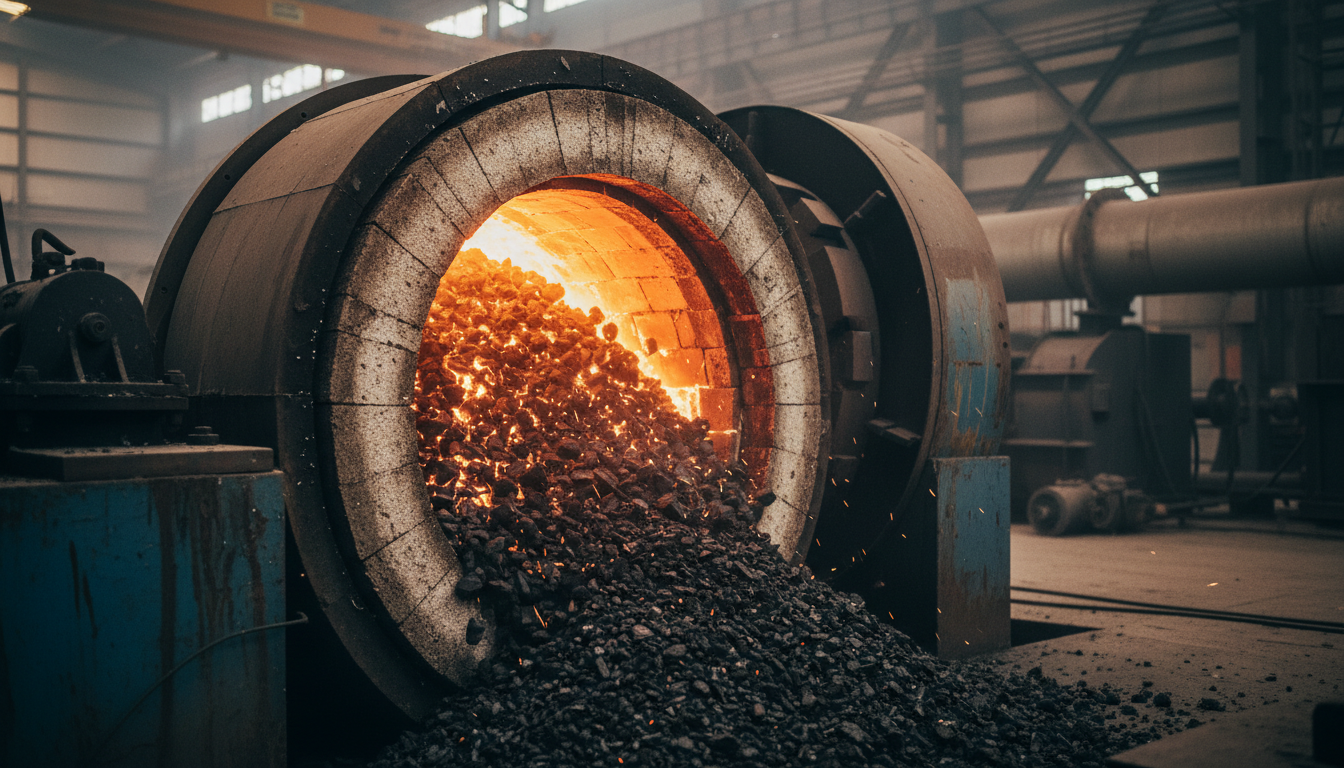
Regeneration means restoring the adsorptive capacity of saturated activated carbon by removing the contaminants trapped in its pores. When carbon gets “spent,” its microscopic pores fill up with the pollutants it’s been filtering. The carbon itself isn’t damaged—it’s just full.
The process cleans out those pores and reopens the internal surface area. Think of it like unclogging thousands of tiny tunnels so they can trap contaminants again. Done right, regeneration can recover 80-90% of the original adsorption capacity.
But here’s the catch: you can’t regenerate forever. Each cycle causes some carbon loss, typically 5-15% of the material. After 4-5 regeneration cycles for coconut shell granular activated carbon, the structural integrity starts to decline.
Thermal Regeneration: The Industry Standard
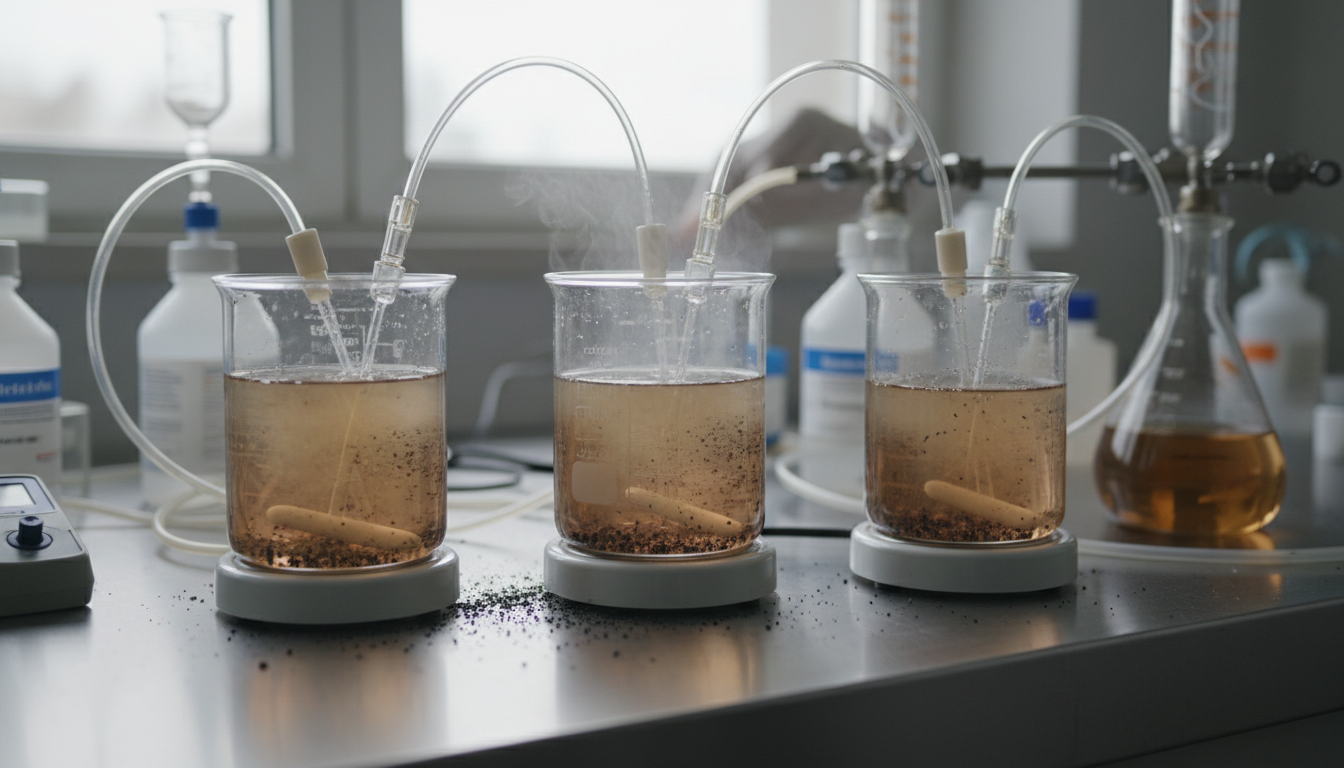
Thermal regeneration is the most widely used method because it works on almost any type of organic contaminant. The process heats spent carbon to high temperatures—typically 700-900°C—in a controlled atmosphere to vaporize and destroy the adsorbed materials.
The process happens in three stages. First, drying at around 105°C removes moisture and volatile compounds. Second, high-temperature carbonization at 500-900°C breaks down and vaporizes organic matter. Finally, steam or CO2 at 800-900°C gasifies any remaining residue and reopens the pore structure.
Rotary kilns and multiple hearth furnaces handle most thermal regeneration work. These furnaces create an oxygen-free or low-oxygen environment to prevent the carbon itself from burning up. The organic contaminants volatilize at around 1000°F, then steam injection completes the reactivation by clearing blocked pores.
The downside? Energy costs. Heating large batches of carbon to these temperatures requires significant fuel, which is why many smaller operations ship their spent carbon to specialized regeneration facilities rather than doing it onsite.
Chemical Regeneration: Lower Temperature Alternative
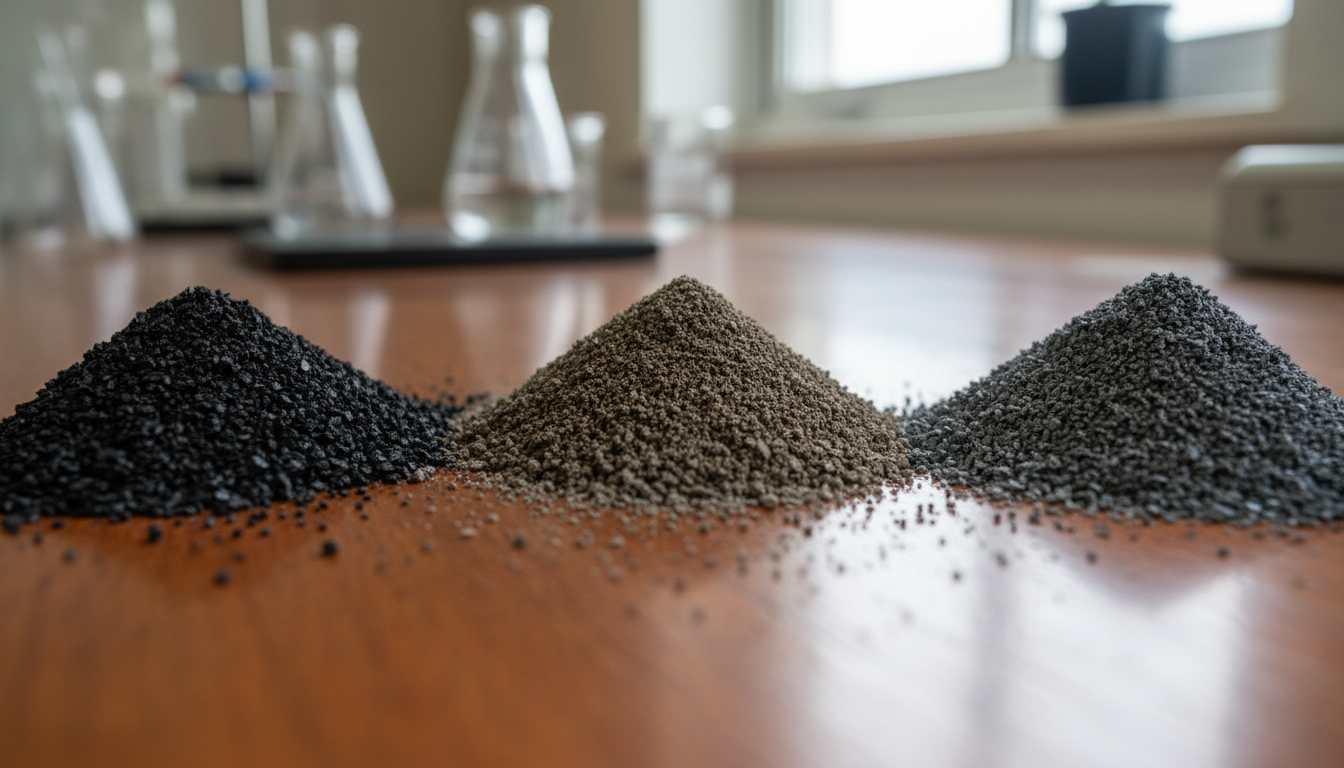
Chemical regeneration uses solvents or reagents to dissolve and remove contaminants without extreme heat. This method works well for specific applications where the adsorbed materials respond to chemical treatment.
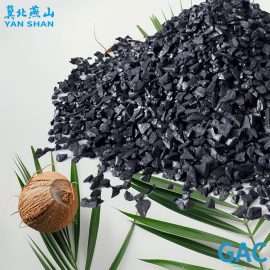
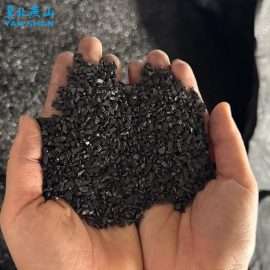
Sodium hydroxide (NaOH) is a common choice. Studies show that washing spent carbon with 2-5% NaOH solution can effectively remove organic compounds, especially humic acids and similar materials. The process typically involves soaking the carbon in the alkaline solution at 50°C for 30 minutes to an hour, then rinsing with water until neutral pH.
Some operations combine approaches. One effective method uses a mixture of 25% ethanol, 2% NaOH, and 0.1% hydrogen peroxide. This combination tackles different types of contaminants—the alcohol dissolves organic materials, the alkali breaks down acids, and the peroxide oxidizes resistant compounds.
Acid washing with hydrochloric acid or sulfuric acid (5-10% concentration) removes inorganic scale and mineral deposits that thermal regeneration can’t touch. This becomes relevant when treating hard water, where calcium and magnesium salts precipitate on the carbon surface.
Chemical regeneration produces zero carbon attrition, which is a huge advantage. The structure stays intact. But you’ll need to treat the chemical waste afterward, and it doesn’t work as well on all contaminant types compared to thermal methods.
Benefits of Regenerating vs Replacing
The cost difference is substantial. Regenerated carbon typically costs 40-60% less than virgin material. For operations using coconut shell activated carbon for water purification, this translates to significant annual savings.
Environmental benefits matter too. Regeneration reduces landfill waste and cuts the carbon footprint of your operations. Mining, processing, and transporting new activated carbon requires resources. Regenerating what you already have avoids those impacts.
You’ll also reduce transportation costs and logistics hassles. Off-site thermal regeneration requires shipping spent carbon to facilities and coordinating returns, but chemical regeneration can often happen right where you use the carbon.
Performance-wise, properly regenerated coconut shell carbon performs close to virgin material. Tests show iodine numbers—a key measure of adsorption capacity—reaching 1150-1200 mg/g after optimized regeneration, compared to 1000-1100 mg/g for typical virgin carbon.
Key Factors That Affect Regeneration Success
Temperature and time play the biggest roles in thermal regeneration. Research shows that 850°C for 1 hour produces better results than shorter times at lower temperatures. But going too high (above 950°C) can start damaging the carbon structure itself.
The type of contaminants matters. Volatile organic compounds regenerate easily at lower temperatures. Non-volatile tars and heavy organics need higher heat to break down. Inorganic minerals don’t respond to thermal treatment at all—they need acid washing.
Your carbon’s ash content affects how many cycles you can run. Coconut shell carbon naturally has low ash (typically 2-3%), which is one reason it regenerates better than coal-based alternatives. Each regeneration cycle adds a bit more ash, eventually limiting further reuse.
Pre-treatment helps. Washing spent carbon before thermal regeneration removes loose particles and some contaminants, reducing the load on the furnace. For chemical regeneration, pH adjustment of the carbon bed before adding reagents can improve efficiency.
When to Regenerate vs Replace
Granular activated carbon (GAC) regenerates well and makes economic sense. Coconut shell powdered activated carbon typically doesn’t—handling powders is difficult, and the smaller particle size makes collection and processing impractical for most operations.
If you’re using less than a few hundred pounds of carbon annually, the logistics of regeneration probably don’t work out. Shipping costs and minimum batch sizes at regeneration facilities can eat up your savings. Small-scale chemical regeneration might work, but you’ll need proper waste handling.
Carbon loaded with heavy metals or toxic organics might not be worth regenerating. The contaminated waste stream from regeneration needs treatment, and disposal costs can exceed the value of the regenerated carbon. Check regulations before regenerating carbon that’s adsorbed hazardous materials.
Age and condition matter. After 4-5 regeneration cycles, coconut shell carbon starts losing mechanical strength. The particles break down into fines, which pass through filters and reduce efficiency. At that point, replacement beats another regeneration cycle.
Conclusion
Regenerating used coconut shell activated carbon extends its useful life and cuts your operating costs by 40-60% compared to constant replacement. Thermal regeneration at 700-900°C works for most applications, while chemical methods with NaOH or acid washes handle specific contaminants at lower temperatures.
The process isn’t infinite—expect 4-5 regeneration cycles before performance drops too far—but those cycles represent real savings and reduced environmental impact. Granular carbon regenerates well, while powdered forms usually don’t justify the handling complexity.
We recommend thermal regeneration for high-volume operations and chemical regeneration for smaller batches or specific contaminant types. Track your carbon’s iodine number and mechanical strength after each cycle to know when replacement makes more sense than another regeneration.
FAQs
How many times can coconut shell activated carbon be regenerated?
Coconut shell activated carbon can typically be regenerated 4-5 times before its adsorption capacity and mechanical strength decline too much for effective reuse. Each regeneration cycle causes 5-15% carbon loss and some structural degradation. The exact number depends on the contaminants, regeneration method, and application requirements. High-quality coconut shell carbon with low ash content regenerates better than other types.
What’s the difference between thermal and chemical regeneration?
Thermal regeneration heats carbon to 700-900°C to vaporize contaminants and works on almost all organic materials. Chemical regeneration uses solvents or reagents like sodium hydroxide at lower temperatures (50°C) to dissolve specific contaminants. Thermal regeneration is more universal but energy-intensive, while chemical regeneration is cheaper and can be done onsite but only works on certain contaminant types. Neither method removes inorganic minerals effectively without acid treatment.
Can you regenerate activated carbon at home or small scale?
Chemical regeneration is possible at small scale using hot sodium hydroxide solution (2-5% concentration at 50°C), but thermal regeneration requires specialized high-temperature kilns (700-900°C) with controlled atmospheres. Home attempts at thermal regeneration typically fail because regular ovens can’t reach the necessary temperatures or create oxygen-free conditions. Small operations usually ship spent carbon to commercial regeneration facilities rather than trying DIY methods.
Does regenerated carbon work as well as virgin carbon?
Properly regenerated coconut shell carbon recovers 80-90% of its original adsorption capacity. Lab tests show iodine numbers of 1150-1200 mg/g for optimally regenerated carbon—close to virgin carbon performance. However, each regeneration cycle causes slight degradation. First-generation regenerated carbon performs nearly as well as virgin material, but by the 4th or 5th cycle, you’ll notice reduced efficiency and increased fines from particle breakdown.
What happens to the contaminants during regeneration?
In thermal regeneration, organic contaminants volatilize at high temperatures and are typically destroyed in a thermal oxidizer or afterburner before release. The resulting off-gas must be treated to avoid air pollution. In chemical regeneration, contaminants dissolve into the solvent or reagent solution, creating a contaminated liquid waste stream that requires proper treatment or disposal according to environmental regulations. Neither process makes contaminants disappear—they just change form.