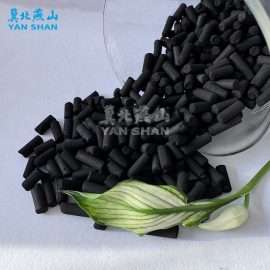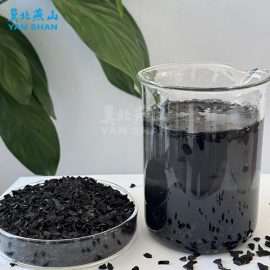

In the field of industrial waste gas purification, activated carbon plays a key role as an “environmental cleaner” with its unparalleled adsorption capacity. As a porous material, its huge specific surface area and rich surface chemical properties enable it to efficiently capture and remove various gaseous pollutants from exhaust gas through the synergistic effect of physical adsorption and chemical adsorption. Whether it is the deep purification of volatile organic compounds (VOCs), effective elimination of odorous gases, or targeted control of specific acidic gases and heavy metal vapors (such as mercury), activated carbon adsorption technology has demonstrated excellent broad-spectrum and reliability. As the core unit of end of pipe treatment, it not only ensures the compliance of industrial emissions, but also plays an indispensable supporting role in improving air quality, protecting human health, and promoting the green manufacturing process. It is an important technical means to achieve a win-win situation between environmental and economic benefits.
- Remove volatile organic compounds (VOCs) such as benzene, toluene, xylene, formaldehyde, ketones, esters, alcohols, gasoline vapors, etc.
- Removing odorous substances: hydrogen sulfide, methyl mercaptan, ammonia (with weak adsorption capacity for ammonia, usually requiring impregnated carbon), trimethylamine, etc.
- Removing acidic gases and sulfides: sulfur dioxide (SO ₂), hydrogen sulfide (H ₂ S), nitrogen oxides (NOx), etc.
- Remove heavy metal vapors (such as mercury Hg)
Related Products