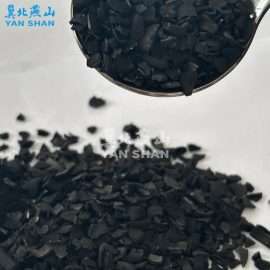

By adding powdered activated carbon in the treatment of refinery coking wastewater or using honeycomb shaped activated carbon fixed bed in the treatment of organic waste gas containing HPNA, heavy polycyclic aromatic hydrocarbons such as benzo [a] pyrene and pyrene and related toxic organic compounds in wastewater and waste gas can be removed or reduced. Activated carbon can effectively reduce the environmental hazards of pollutants. This ability can lock in highly toxic macromolecular organic compounds through adsorption, preventing them from polluting soil and water bodies with sewage discharge or spreading harmful to human health with exhaust gas, thereby protecting the surrounding ecological environment and the safety of production personnel.
Similarly, the deep treatment of activated carbon in the tail gas of petroleum catalytic cracking process (combined with steam desorption regeneration) can achieve efficient capture and resource recovery of heavy polycyclic aromatic hydrocarbons, avoid secondary pollution caused by traditional treatment methods, and improve the economic efficiency of pollutant disposal.
- Minimize the environmental release of HPNA in sewage/exhaust gas to the greatest extent possible (efficiently adsorb highly toxic organic compounds and reduce emission concentrations)
- Remove harmful impurities (such as benzo [a] pyrene and pyrene) from the final processed water/gas products to meet environmental standards for emissions
- Protecting ecology and personnel safety (blocking the diffusion pathway of HPNA, reducing toxicity risks to water bodies, soil, and human health)
- Maximizing the recycling value of pollutants (HPNA by-products can be recovered after desorption and regeneration, achieving “governance+resource utilization”)
- Optimize the operation of environmental treatment systems (adapt to pre processes such as biochemistry and flocculation, improve overall treatment efficiency and stability)
Related Products