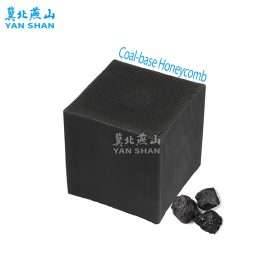

By using Fe-N modified activated carbon fixed bed in natural gas/liquefied petroleum gas (LPG) purification systems, or using activated carbon adsorption/catalytic units loaded with metal ions (such as Ni ²+, TiO ₂) in gasoline/diesel desulfurization processes, odorous and corrosive substances such as methyl mercaptan and ethyl mercaptan in gases, as well as thiophene sulfides in fuels, activated carbon can significantly improve product environmental protection and safety. This ability can prevent equipment corrosion, pipeline odor, and excessive SO ₂ emissions from fuel combustion caused by thiols by adsorbing, locking, or catalyzing sulfur oxide pollutants, thereby protecting gas transmission pipelines, refining equipment, and downstream combustion devices (such as engines and boilers).
Similarly, the deep treatment of activated carbon in the desulfurization process of light hydrocarbons in refineries (combined with low-temperature regeneration technology) can ensure that the sulfur content of light hydrocarbon products meets the standards of chemical raw materials, avoid sulfur impurities affecting the efficiency of subsequent polymerization reactions, and reduce the high-temperature and high-pressure energy consumption and cost of traditional hydrogenation desulfurization processes.
- Minimize the residual sulfur based pollutants in gas/fuel to the greatest extent possible (with a modified thiol removal rate of over 95% and a fuel sulfur content reduced from 300ppm to below 10ppm)
- Remove harmful impurities (such as thiols and thiophenes) from the final natural gas/LPG, gasoline, and diesel products to ensure compliance with national environmental standards
- Protecting processes and downstream equipment (reducing the corrosion of pipelines by thiols and avoiding the poisoning of engines and catalysts by sulfides)
- Maximizing the value of activated carbon and raw materials (modified activated carbon can be regenerated 8-10 times, reducing the cost of desulfurizer replacement; improving combustion efficiency after fuel desulfurization)
- Optimize the operation of desulfurization process (without the need for high temperature and high pressure conditions, with energy consumption only one-third of that of hydrogenation desulfurization, suitable for small and medium-sized refineries and gas treatment stations)
Related Products