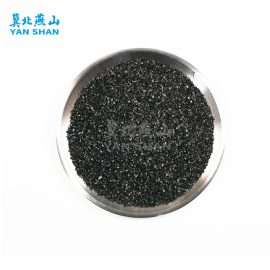

Steam desorption uses high-temperature saturated steam as the core medium, relying on its excellent thermal conductivity and humidity characteristics to quickly break the adsorption force between activated carbon and VOCs molecules. It achieves efficient desorption of solvents such as ethanol and ethyl acetate in printing, coating, and other industries, with desorption efficiency up to 80%-90%. The desorbed solvent vapor and water vapor can be recycled and reused after condensation and oil-water separation. This closed-loop mode of “adsorption-desorption-recovery” requires no chemical reagents, achieves resource recycling while ensuring adsorption efficiency >95%, and has become the mainstream technology path for the recovery of low and medium boiling point solvents.
- Water-soluble solvents: ethanol, isopropanol, acetone, methyl ethyl ketone, etc., commonly used in printing inks and paint diluents.
- Non-aqueous solvents: ethyl acetate, butyl acetate, toluene (low concentration), etc., which are mostly used in adhesive production, packaging and printing industries.
- A small amount of polar small molecules: such as low-concentration formaldehyde and acetaldehyde (requiring surface modification with activated carbon to enhance adsorption capacity).