

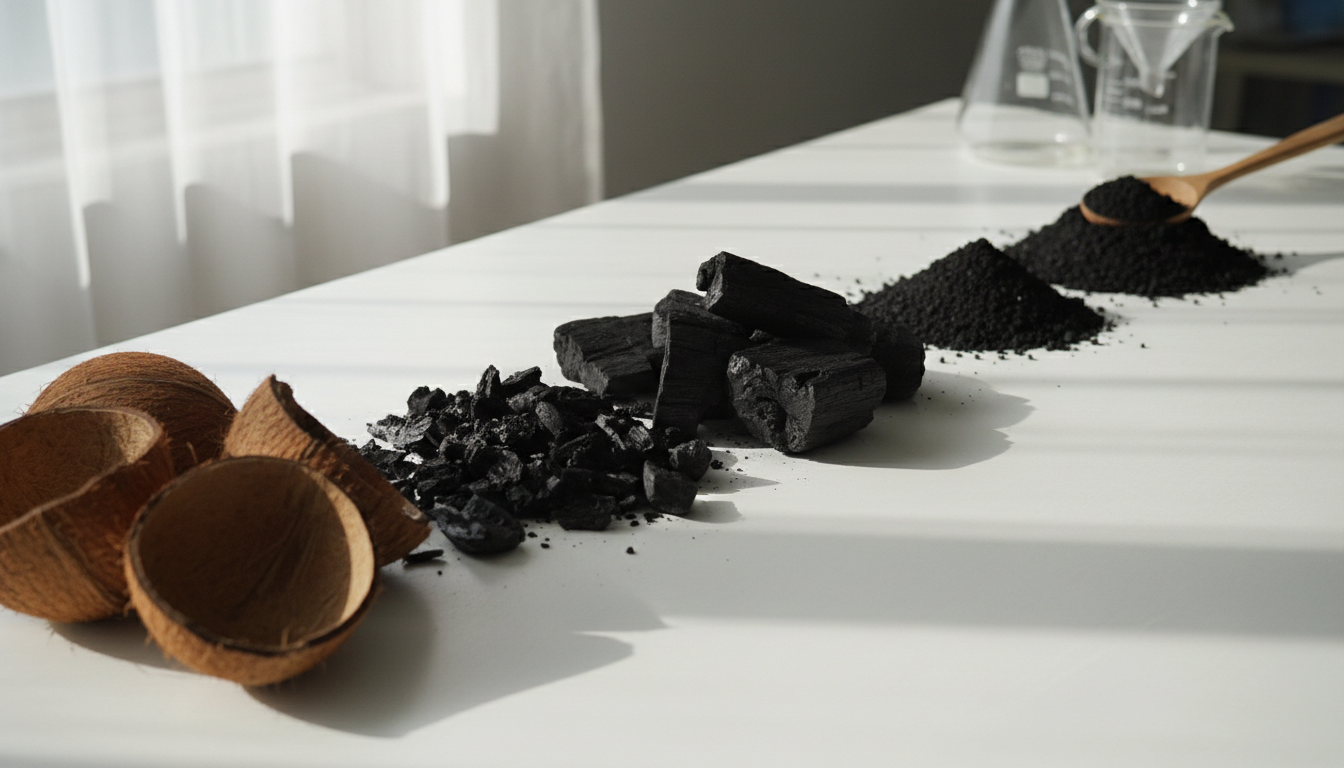
Water and air quality matter more than ever. If you’re looking into filtration options, you’ve probably come across coconut shell activated carbon filters and wondered what makes them different from regular carbon filters.
We’ve spent years working with various activated carbon materials, and coconut shell varieties consistently deliver better results. They’re not just another marketing gimmick—the science backs up why these filters work so well.
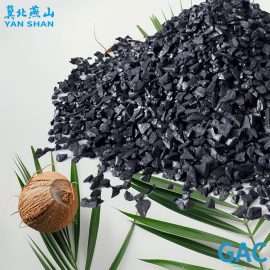
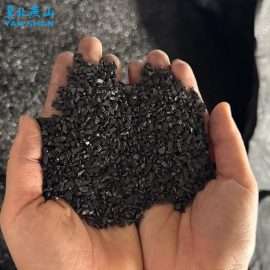
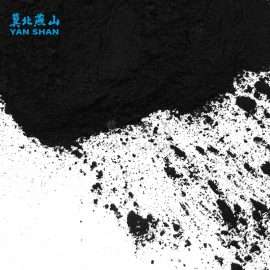
Let’s walk through seven benefits that make coconut shell activated carbon filters stand out from coal-based and wood-based alternatives.
Microporous Structure That Outperforms Other Carbons
Coconut shell activated carbon has something other carbons don’t: over 80% of its pores are micropores. These tiny openings measure less than 2 nanometers, making them perfect for trapping small contaminant molecules.
Compare that to coal-based carbon, which has 50% fewer micropores. The difference shows up in real-world performance. Our coconut shell activated carbon products achieve surface areas between 1,000-1,200 square meters per gram—far beyond what coal or wood can deliver.
This pore structure creates more contact points for water or air passing through. More contact means better filtration. And for tough-to-remove compounds like volatile organic chemicals (VOCs), formaldehyde, and benzene, those micropores make all the difference.
Exceptional Adsorption Power for Multiple Contaminants
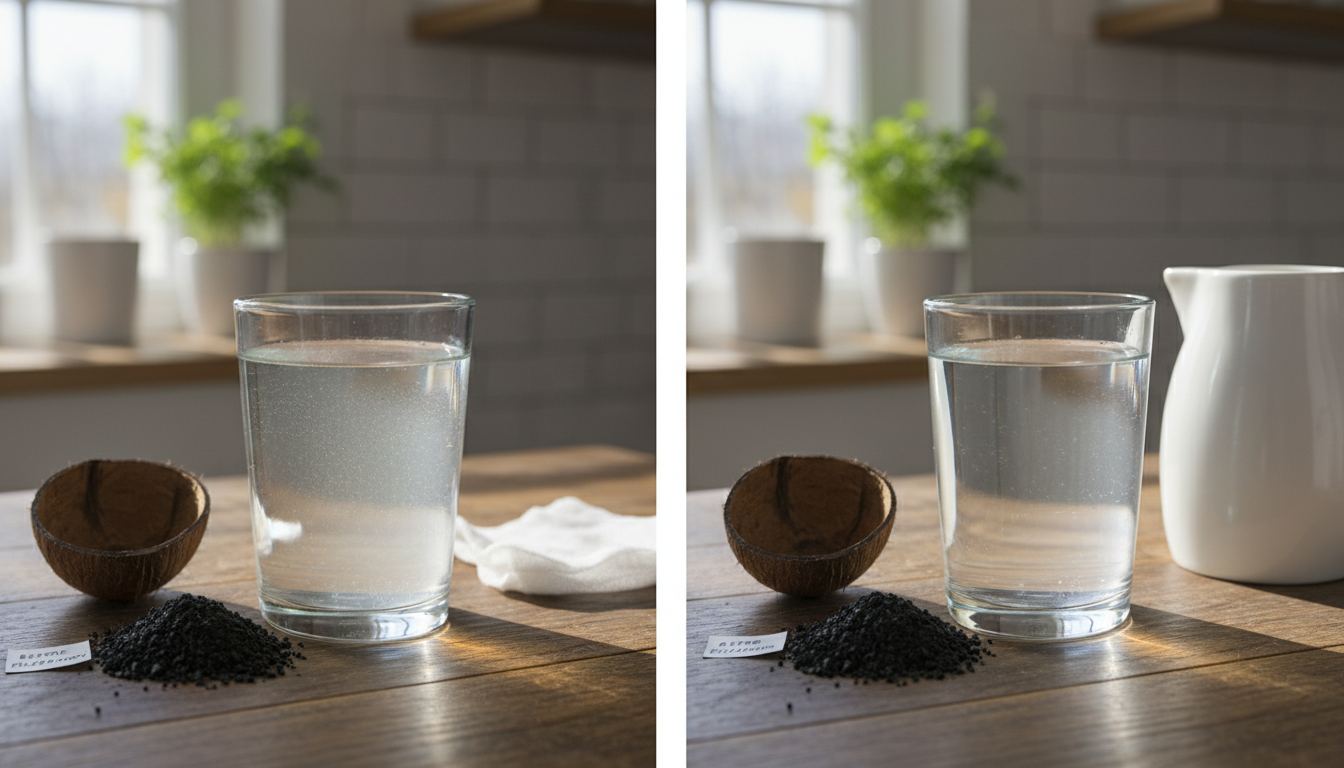
Here’s where coconut shell filters really shine. They remove an impressive range of contaminants from both water and air:
- Chlorine (up to 99.9% removal)
- Volatile organic compounds (VOCs)
- Pesticides and herbicides
- Heavy metals
- Bad tastes and odors
- Benzene and formaldehyde
The microporous structure we talked about? That’s what drives this adsorption power. Think of it like a sponge with millions of tiny pockets, each one grabbing onto contaminant molecules as they pass by.
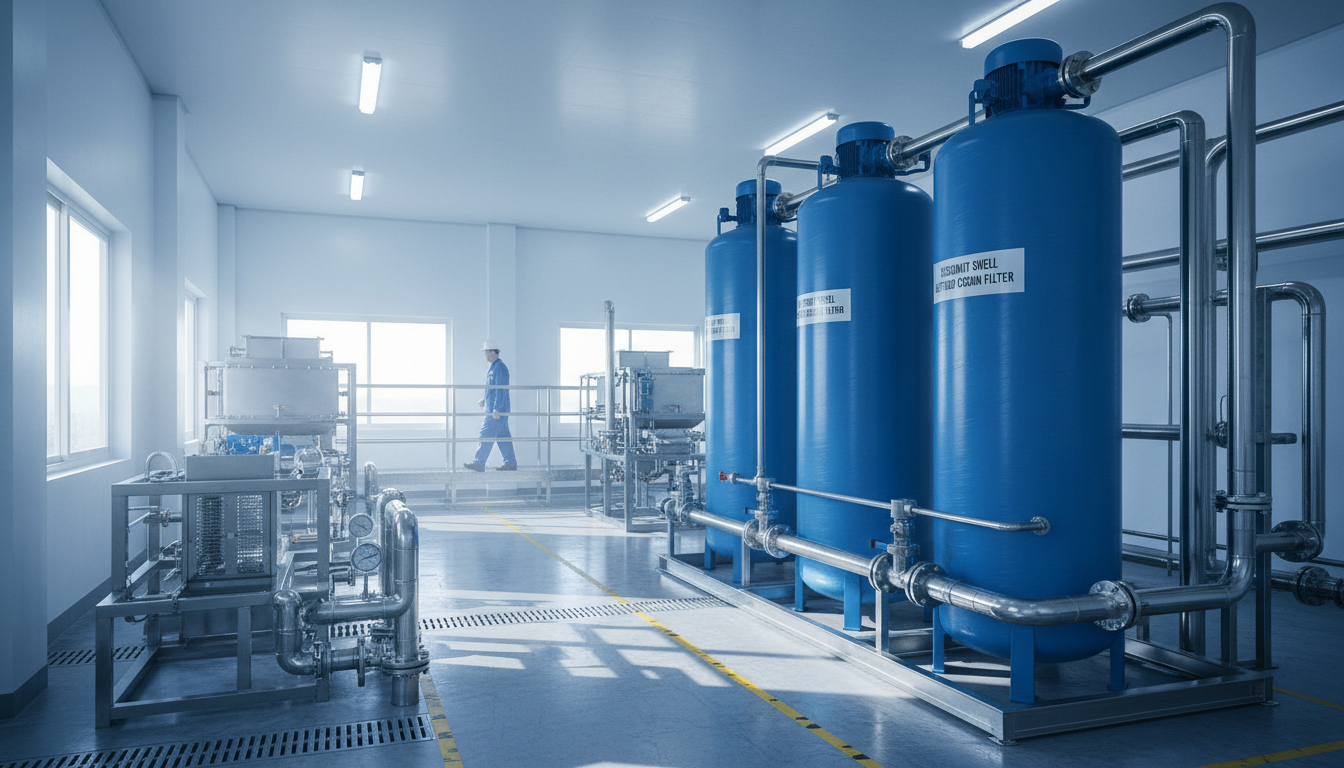
Water treatment plants, residential filters, and industrial systems all rely on this adsorption capability. Whether you’re filtering municipal tap water or treating industrial wastewater, coconut shell carbon handles the job without adding anything back to the water.
Renewable Resource That’s Actually Green
You’ll hear “eco-friendly” thrown around a lot. But coconut shell carbon earns that label.
Coconut shells are agricultural waste. They’re a byproduct of the coconut industry that would otherwise end up discarded. Using them for activated carbon turns trash into a valuable filtration material.
Trees don’t need to be cut down. Coconut palms produce 3-4 harvests per year and keep producing for decades. Compare that to wood-based carbon, where each tree provides just one batch of material and takes years to regrow.
The production process also uses less energy than coal-based carbon, resulting in lower carbon emissions. Our coconut shell granular activated carbon products represent sustainable filtration that doesn’t compromise on performance.
Plus, coconut shell carbon can be thermally regenerated 4-5 times, extending its useful life and reducing waste.
Long-Lasting Durability Saves You Money
Coconut shell activated carbon is harder than other carbon types. The microporous structure gives it greater mechanical strength and resistance to abrasion.
What does this mean for you? Filters last longer and need replacing less often.
In residential water systems, coconut shell carbon filters typically last 6-12 months. Industrial applications see lifespans of 12-18 months depending on the contamination load. That’s 30% longer than wood-based alternatives.
Less frequent replacements translate to lower maintenance costs over time. Yes, coconut shell carbon costs 2-3 times more upfront than wood-based carbon. But the per-gallon or per-cubic-foot filtration cost works out lower because you’re replacing filters less often.
For businesses running large filtration systems, those savings add up quickly.
Removes Bad Tastes and Odors Without Adding New Ones
Chlorine makes tap water safe, but it tastes terrible. Same with the musty odors that sometimes show up in well water or older municipal systems.
Coconut shell carbon removes these taste and odor problems effectively. The low ash content (typically under 3%) means the carbon itself doesn’t add any unwanted flavors or smells back to your water.
Some carbon materials, especially coal-based varieties, can leave an ashy taste. That’s not the case with coconut shell carbon. It’s virtually tasteless and odorless.
This matters especially for:
- Drinking water applications where taste is everything
- Beverage production and food processing
- Pharmaceutical manufacturing where purity is non-negotiable
We’ve tested our products extensively, and customers consistently report cleaner, fresher-tasting water without any off-flavors.
Works for Both Water and Air Purification
One of the best things about coconut shell activated carbon? Its versatility.
The same material that filters water also excels at air purification. Those micropores that trap chlorine in water? They’re equally effective at capturing airborne VOCs, cooking odors, pet smells, and smoke.
Air purifier manufacturers often combine HEPA filters (for particles) with coconut shell carbon layers (for gases and odors). HVAC systems use it to improve indoor air quality in homes, offices, and industrial facilities.
Our wood vs coconut shell activated carbon comparison shows how coconut shell varieties handle both applications better than alternatives. The balanced pore structure works across different flow rates and filtration needs.
Whether you’re treating municipal drinking water, industrial wastewater, or indoor air, coconut shell carbon delivers consistent results.
High Purity With Minimal Impurities
Purity matters in filtration. You want materials that remove contaminants without introducing new ones.
Coconut shell activated carbon has minimal impurities compared to coal or wood sources. There’s no risk of heavy metal residues that sometimes contaminate coal-based carbons. The ash content stays under 3%, compared to 10-15% in lower-grade materials.
This high purity makes coconut shell carbon suitable for sensitive applications:
- Pharmaceutical water treatment
- Medical device manufacturing
- Electronics production
- Kidney dialysis systems
- Food and beverage processing
Quality standards like NSF/ANSI-61 certification ensure the carbon meets strict safety requirements for drinking water contact. We source our products from manufacturers who maintain these certifications and conduct regular testing.
The cleaner the carbon, the cleaner your final product. It’s that simple.
Conclusion
Coconut shell activated carbon filters offer real advantages over traditional options. The microporous structure, exceptional adsorption capacity, and sustainable sourcing make them worth the investment.
You’ll get longer-lasting filters, cleaner water and air, and lower operating costs over time. The upfront price might be higher, but the performance and durability deliver better value.
Whether you’re upgrading a home water filter, designing an industrial treatment system, or improving indoor air quality, coconut shell carbon should be on your shortlist. The benefits speak for themselves in improved filtration results and reduced environmental impact.
Ready to see the difference for yourself? Check out our full range of coconut shell activated carbon products to find the right solution for your filtration needs.
FAQs
How long do coconut shell activated carbon filters last?
Coconut shell activated carbon filters typically last 6-12 months in residential applications and 12-18 months in industrial settings. The lifespan depends on water quality, flow rate, and contamination levels. You’ll know it’s time to replace when you notice taste or odor returning to your water, or when pressure drop increases significantly.
Can coconut shell activated carbon remove heavy metals from water?
Yes, coconut shell activated carbon can remove certain heavy metals like lead, mercury, and cadmium through adsorption. However, it’s most effective when combined with other filtration methods for comprehensive heavy metal removal. The microporous structure provides binding sites for metal ions, but removal rates vary by metal type and water chemistry.
Is coconut shell carbon better than coal-based carbon?
Coconut shell carbon outperforms coal-based carbon in several ways. It has 50% more micropores, lower ash content, no risk of heavy metal leaching, and comes from a renewable source. While coal-based carbon costs less initially, coconut shell varieties last longer and provide cleaner water, making them more cost-effective over time.
What’s the difference between granular and powdered coconut shell activated carbon?
Granular activated carbon (GAC) features larger particle sizes (typically 12×40 mesh) and works well in flow-through filters where water passes through a bed of carbon. Powdered activated carbon (PAC) has much finer particles and is usually mixed directly into water for batch treatment. GAC lasts longer and can be regenerated, while PAC offers faster adsorption but is single-use.
Can coconut shell activated carbon be reactivated and reused?
Yes, coconut shell activated carbon can be thermally regenerated 4-5 times depending on the contamination level. The regeneration process heats the carbon to very high temperatures (800-1000°C), which burns off adsorbed contaminants and reopens the pore structure. This makes it a sustainable choice that reduces waste and long-term costs compared to single-use filtration media.