

Finding the right columnar activated carbon suppliers can feel like searching for a needle in a haystack. With so many options out there, how do you know who’s got the quality products you need and the service that’ll keep your operations running smoothly? We’ve done the homework for you.
Whether you’re in water treatment, air purification, or industrial gas processing, choosing the right supplier makes all the difference. Let’s break down what you need to know about columnar activated carbon suppliers, what makes them tick, and how to pick the best partner for your business.
What is Columnar Activated Carbon
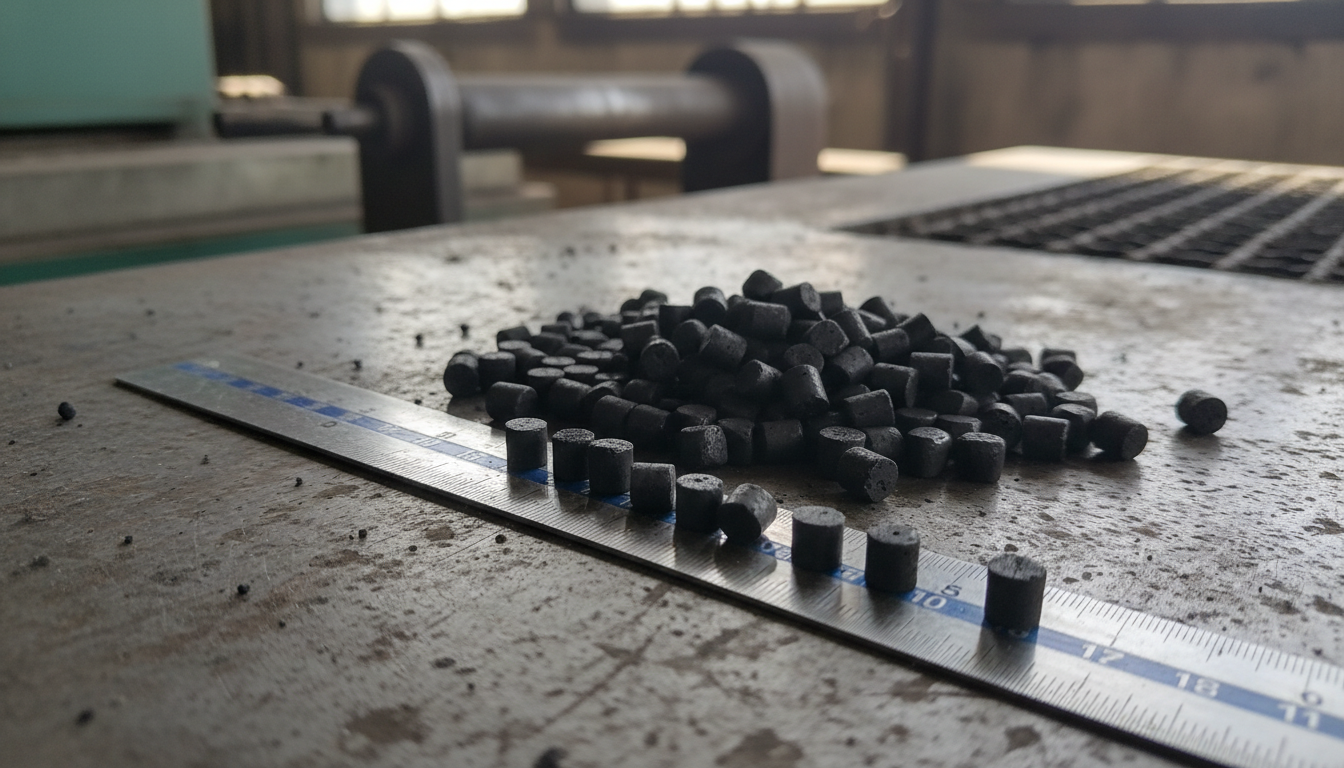
Columnar activated carbon, also called pelletized or extruded activated carbon, is a type of activated carbon that’s been shaped into cylindrical pellets. Think of small black cylinders packed with millions of microscopic pores ready to trap pollutants and impurities. These little powerhouses are made from raw materials like coal, coconut shells, and wood through a series of carefully controlled production steps.
The beauty of columnar activated carbon lies in its unique structure. Unlike irregular granular forms, these uniform cylindrical shapes stack better, create less dust, and offer high mechanical strength. The columnar shape allows for excellent flow rates in fixed-bed systems while maintaining strong adsorption performance. Common sizes range from 0.9mm to 9mm in diameter, with lengths typically about 1.5 times the diameter. This consistent sizing means better performance and easier handling in industrial applications.
When we talk about coal-based activated carbon, we’re looking at products with well-developed pore structures and large specific surface areas. The manufacturing process involves grinding raw materials, mixing with binders, extruding into columns, carbonizing at high temperatures, and finally activating with steam. This creates a product with developed void structures, strong adsorption capacity, and good chemical stability.
Top 5 Activated Carbon Suppliers in the Market
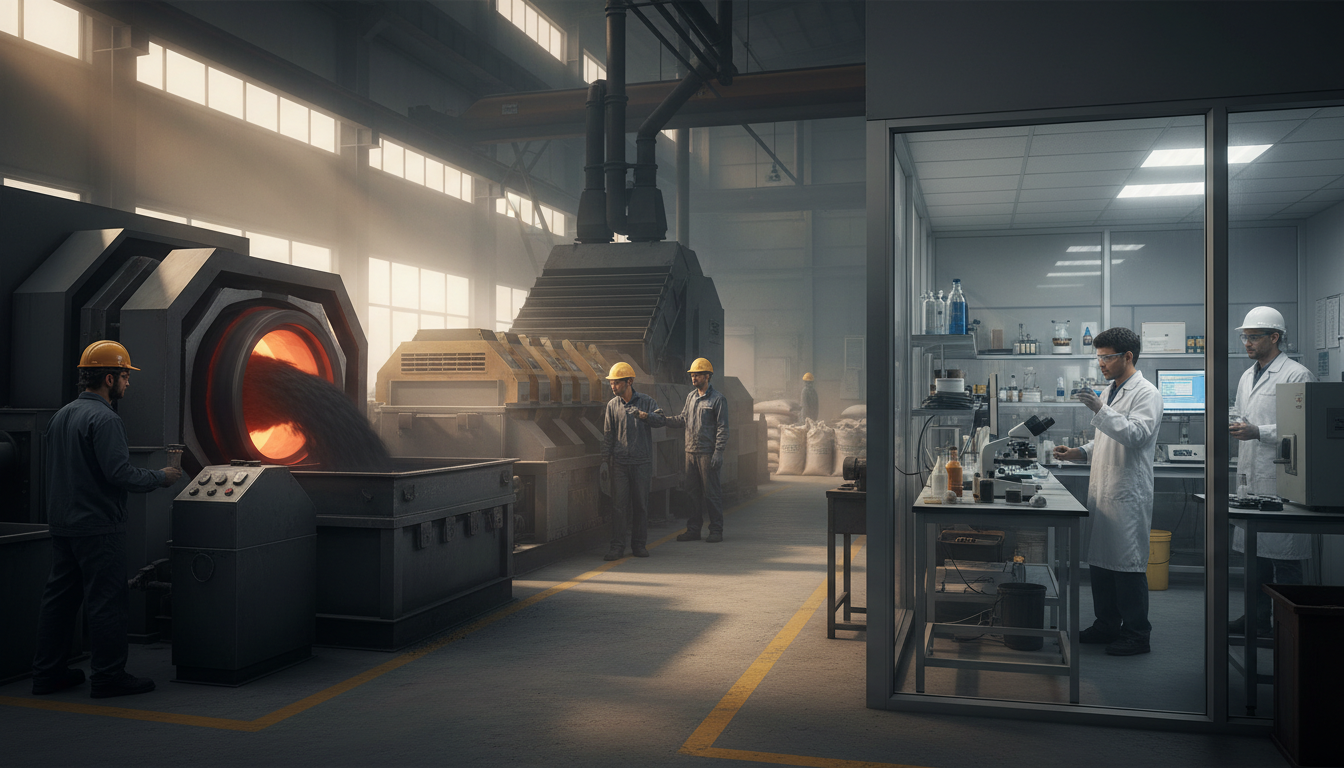
The global activated carbon market is dominated by several key players who’ve built their reputations on quality, innovation, and reliable service. Let’s take a look at who’s leading the pack.
Calgon Carbon Corporation stands at the top of the list. Founded in 1942 and now part of Kuraray, this Pennsylvania-based giant is the world’s largest manufacturer of coal-based granular activated carbon. Their technology is used in over 700 applications, from air purification to water treatment and mercury removal in power plants. They’ve been in the game for nearly 75 years, and that experience shows in their product quality and technical expertise.
Jacobi Carbons, a Swedish company founded in 1916, brings over a century of innovation to the table. Now part of the Osaka Gas Chemical Group, Jacobi offers high adsorption performance products with applications spanning multiple industries. Their global reach and long history make them a trusted name in the activated carbon world.
Cabot Corporation is another heavyweight, providing specialty chemicals and high-performance materials. They serve transportation, infrastructure, and environmental purification industries with a comprehensive product lineup. Haycarb from Sri Lanka has carved out a strong position in coconut shell activated carbon production. Their products are particularly popular in drinking water purification and gold recovery applications.
For businesses looking for quality coconut shell activated carbon, these suppliers offer tested and certified products. The market also includes numerous regional players who provide competitive pricing and specialized products for specific applications.
Manufacturing Process and Application Analysis
The manufacturing of columnar activated carbon is a highly specialized process that requires strict control at every step. Let’s walk through how these products come to life.
First up is raw material selection. Coal-based columnar activated carbon typically uses bituminous coal or anthracite coal. Bituminous coal contains higher fixed carbon and is perfect for producing high-strength columnar activated carbon. Anthracite coal, with its lower ash content and higher porosity, is ideal for activated carbon with low ash and high adsorption performance. The choice of coal directly affects the final product’s pore structure, specific surface area, and adsorption capacity.
After selecting the coal, manufacturers grind it into fine powder (generally above 95% passing through 180 mesh). They then add binders—commonly coal tar—and water to create a paste. The mixture is kneaded at specific temperatures before being extruded through molding machines into cylindrical shapes. These charcoal rods are air-dried, then carbonized in an oxygen-free environment at temperatures ranging from 600-900°C.
The activation process is where the magic happens. Carbonized materials are exposed to steam at high temperatures (800-1000°C), which opens and expands the pore structure. This creates the massive surface area that gives activated carbon its incredible adsorption power. After activation, the material is cooled, screened to separate different particle sizes, and subjected to strict quality testing. These tests measure CTC value, iodine number, ash content, mechanical strength, and particle size distribution.
Applications are incredibly diverse. In environmental protection, columnar activated carbon handles water treatment, air purification, and waste gas treatment. It adsorbs organic matter, heavy metals, and harmful gases from both water and air. Industrial applications include catalyst carriers, solvent recovery, and gas separation. The medical field uses it for drug adsorption and blood purification, while the food industry relies on it for decolorization and odor removal.
How to Choose the Right Columnar Activated Carbon Supplier
Picking the right supplier isn’t just about price—though that matters too. You need to look at the whole package. Here’s what separates the winners from the also-rans.
Quality certifications should be your first checkpoint. Look for suppliers with ISO9001, NSF-61, KOSHER, and HALAL certifications. These aren’t just fancy letters—they’re proof that the supplier meets international quality standards. Ask for batch-specific test reports showing iodine value, CTC, ash content, and mechanical strength. A good supplier will hand these over without hesitation.
Production capacity and delivery reliability are make-or-break factors. Can they handle your order volume? Do they have inventory on hand, or will you be waiting weeks for production? Check their manufacturing facilities and ask about their typical lead times. Suppliers with automated production lines and quality control systems tend to offer more consistent products and faster turnaround.
Don’t overlook technical support. The best suppliers don’t just sell you product and disappear. They help you select the right specifications for your application, troubleshoot issues, and optimize your processes. Ask if they have technical teams available to discuss your needs and whether they offer customization options.
Pricing structure needs to make sense for your business. Get quotes from multiple suppliers and compare not just the unit price, but also shipping costs, minimum order quantities, and payment terms. Sometimes a slightly higher unit price comes with better service, faster delivery, or superior quality that saves you money in the long run. For specialized products like apricot shell activated carbon, make sure you’re comparing apples to apples.
Supply chain stability has become even more critical in recent years. Does the supplier have multiple sourcing locations? Can they maintain consistent supply during disruptions? A supplier with strong relationships with raw material providers and good inventory management will keep your operations running when others can’t.
Columnar Activated Carbon vs Granular Activated Carbon
People often ask what the real difference is between columnar and granular activated carbon. While both do similar jobs, they’ve got distinct characteristics that make each better for certain applications.
Physical form is the obvious difference. Columnar activated carbon comes in uniform cylindrical pellets, typically 0.9mm to 9mm in diameter. Granular activated carbon (GAC) has irregular particles, usually measured by mesh size like 8×30 or 12×40 mesh. That uniform shape of columnar carbon means it stacks better, creates more consistent flow patterns, and produces way less dust during handling and operation.
Mechanical strength favors columnar forms. The extrusion and molding process creates particles that can handle higher pressures and friction without breaking down. This makes columnar carbon the go-to choice for applications with high flow rates or frequent regeneration cycles. Granular forms can work great too, but they’re more prone to attrition in demanding conditions.
Applications often dictate which form works best. Columnar activated carbon dominates in gas-phase applications—think air purification, solvent recovery, VOC removal, and industrial gas treatment. The uniform shape allows gas to flow through evenly without channeling. Granular activated carbon is more popular in water treatment where the irregular particles provide good contact with liquids.
Both types can be made from the same raw materials. Coal-based versions of both use anthracite as the starting point. Wood-based columnar carbon uses sawdust and coconut shell, while wood-based granular carbon typically starts with fruit shells. The activation process is similar for both, so the final pore structure and adsorption capacity depend more on the raw material and activation conditions than the physical form.
Here’s the bottom line: if you need high mechanical strength, uniform flow distribution, and plan to use it in gas-phase applications, columnar is probably your best bet. If you’re treating water or need flexibility in particle size, granular might serve you better. Many suppliers offer both forms, so you can test which performs better in your specific application.
Key Specifications and Quality Parameters
When you’re shopping for columnar activated carbon, you’ll encounter a bunch of technical specifications. Let’s decode what these numbers actually mean and why they matter.
Iodine value measures the activated carbon’s ability to adsorb small molecules. It’s expressed in mg/g, and higher is generally better. Quality columnar activated carbon typically shows iodine values ranging from 800 to 1200 mg/g. This number gives you a good sense of the micropore development and overall adsorption capacity. If you’re dealing with small molecular pollutants, pay close attention to this spec.
CTC (Carbon Tetrachloride) value indicates adsorption capacity for organic vapors and gases. It’s especially relevant for gas-phase applications like VOC removal and solvent recovery. CTC values typically range from 40% to 90%, with higher values meaning better performance in capturing volatile organic compounds. For air purification applications, you want CTC values on the higher end of that range.
Ash content tells you about the mineral matter in the activated carbon. Lower ash content generally means higher purity and better adsorption performance. Quality coal-based columnar carbon usually has ash content below 10%, while premium grades can go as low as 3-5%. High ash content can cause secondary pollution and reduce the effective adsorption sites.
| Parameter | Standard Range | Premium Range | Application Impact |
|---|---|---|---|
| Iodine Value (mg/g) | 800-1000 | 1000-1200 | Small molecule adsorption |
| CTC Value (%) | 40-60 | 60-90 | VOC and solvent removal |
| Ash Content (%) | 8-10 | 3-5 | Purity and secondary pollution |
| Mechanical Strength (%) | 85-90 | 90-95 | Durability and regeneration |
| Moisture (%) | 3-5 | <3 | Storage and handling |
Mechanical strength measures how well the carbon holds up under pressure and friction. Expressed as a percentage, it’s tested by subjecting the carbon to specific mechanical stress and measuring what proportion remains intact. You want mechanical strength above 90% for most applications, especially if you plan to regenerate and reuse the carbon multiple times.
Particle size distribution needs to be consistent. For columnar carbon, this means uniform diameter and length. Common sizes include 1.5mm, 3mm, 4mm, and 8mm diameter. The length is typically 1.5 times the diameter. Consistent sizing ensures even flow distribution and predictable pressure drops in your system.
Moisture content should be low for easy handling and to prevent mold growth during storage. Quality products typically have moisture content below 5%, with many premium products under 3%. High moisture can affect the carbon’s adsorption capacity and add unnecessary weight during transport.
FAQs
What’s the difference between coal-based and coconut shell columnar activated carbon?
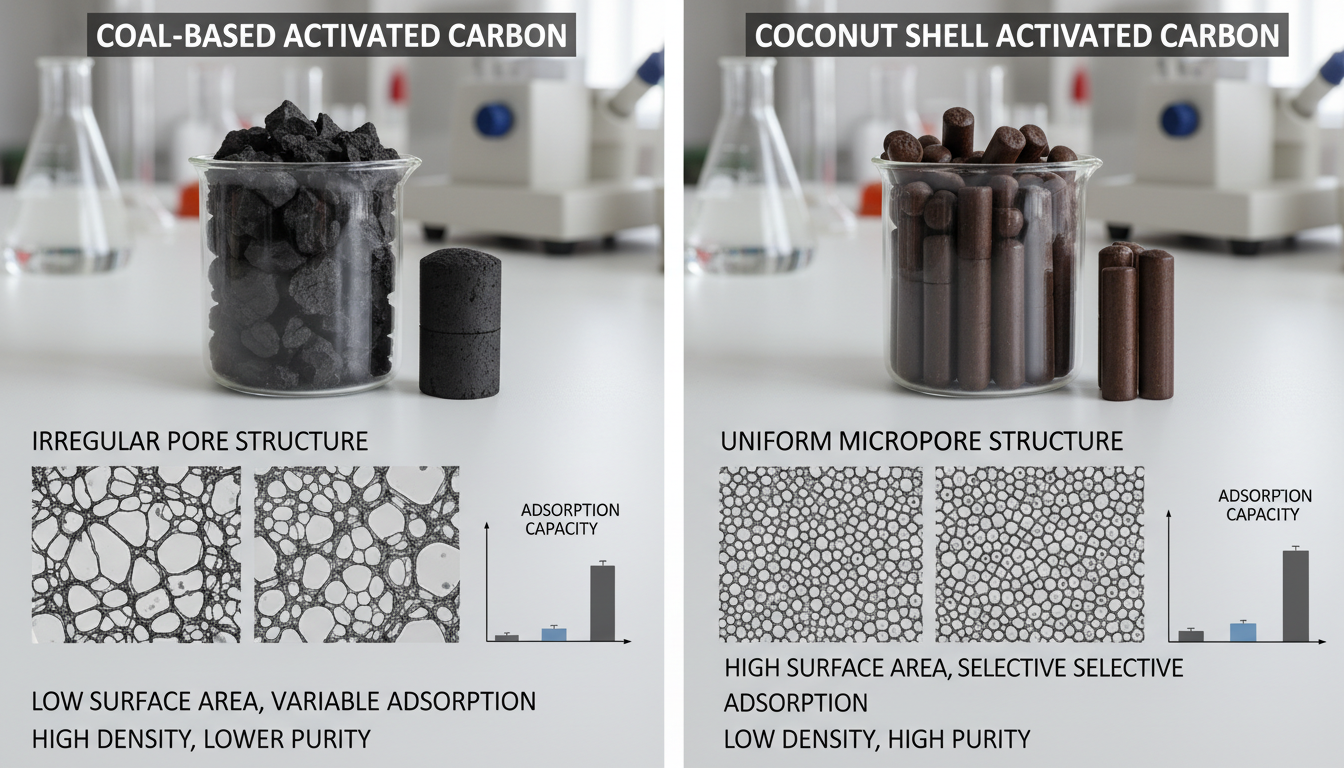
Coal-based columnar activated carbon uses anthracite or bituminous coal as raw material and has a pore structure dominated by mesopores and macropores. It’s great for treating larger molecules and is generally more cost-effective. Coconut shell columnar carbon has a well-developed microporous structure with high iodine values, making it perfect for adsorbing small molecules. It’s commonly used in drinking water purification, gold recovery, and air purification. The choice depends on your specific pollutants and budget.
How long does columnar activated carbon last before needing replacement?
Service life varies widely depending on the application and pollutant concentration. In air purification systems with moderate contamination, columnar activated carbon can last 2-3 years or even longer. The pore size distribution is designed to achieve maximum adsorption and desorption, which extends product life. For water treatment with high organic loading, you might need replacement every 3-12 months. Regular monitoring of effluent quality helps determine the optimal replacement schedule. The good news is that columnar carbon can often be regenerated through thermal or steam processes, which extends its useful life and reduces operating costs.
Can I regenerate columnar activated carbon, and how many times?
Yes, one of the big advantages of columnar activated carbon is that it’s easy to regenerate. The high mechanical strength means it can withstand the thermal regeneration process multiple times without significant breakdown. Water washing is suitable for lightly contaminated carbon, especially when you’ve adsorbed soluble organics. Thermal regeneration at 800-1000°C works for more heavily loaded carbon. Most quality columnar carbon can be regenerated 5-10 times before the adsorption capacity drops too much. Each regeneration cycle recovers about 85-95% of the original capacity, making it a cost-effective choice for large-scale operations.
What size of columnar activated carbon should I use for my application?
Size selection depends on several factors. For gas-phase applications like VOC removal, 3mm to 4mm diameter is pretty standard—it provides good contact time without creating excessive pressure drop. For industrial air purification with high flow rates, 8mm or 9mm diameter (sometimes called activated coke) works better. Smaller sizes (0.9mm to 2mm) are used when you need maximum surface area contact in compact systems. The key is balancing adsorption efficiency, pressure drop, and mechanical stability. Most suppliers can provide recommendations based on your flow rates, pollutant types, and system design.
How do I store columnar activated carbon properly?
Proper storage keeps your carbon performing at its best. Store it in a dry, ventilated, cool place away from direct sunlight. Keep it sealed in its original packaging until you’re ready to use it—activated carbon will adsorb moisture and odors from the air if left exposed. Never mix it with other chemicals, as this can cause contamination or even dangerous reactions. Keep the storage area away from high temperatures (above 80°C), which can affect the carbon’s adsorption capacity. If you’ve opened a bag but didn’t use all the contents, seal it tightly. Most activated carbon has a shelf life of 2-3 years when stored properly, though it doesn’t really “expire” if kept dry and clean.