

We’ve spent years working with various filtration materials, and coconut shell carbon consistently stands out for water purification. But what makes it so effective, and how can you get the most from it? Let’s break down the science and practical applications you need to know.
Why Coconut Shell Carbon Outperforms Other Materials
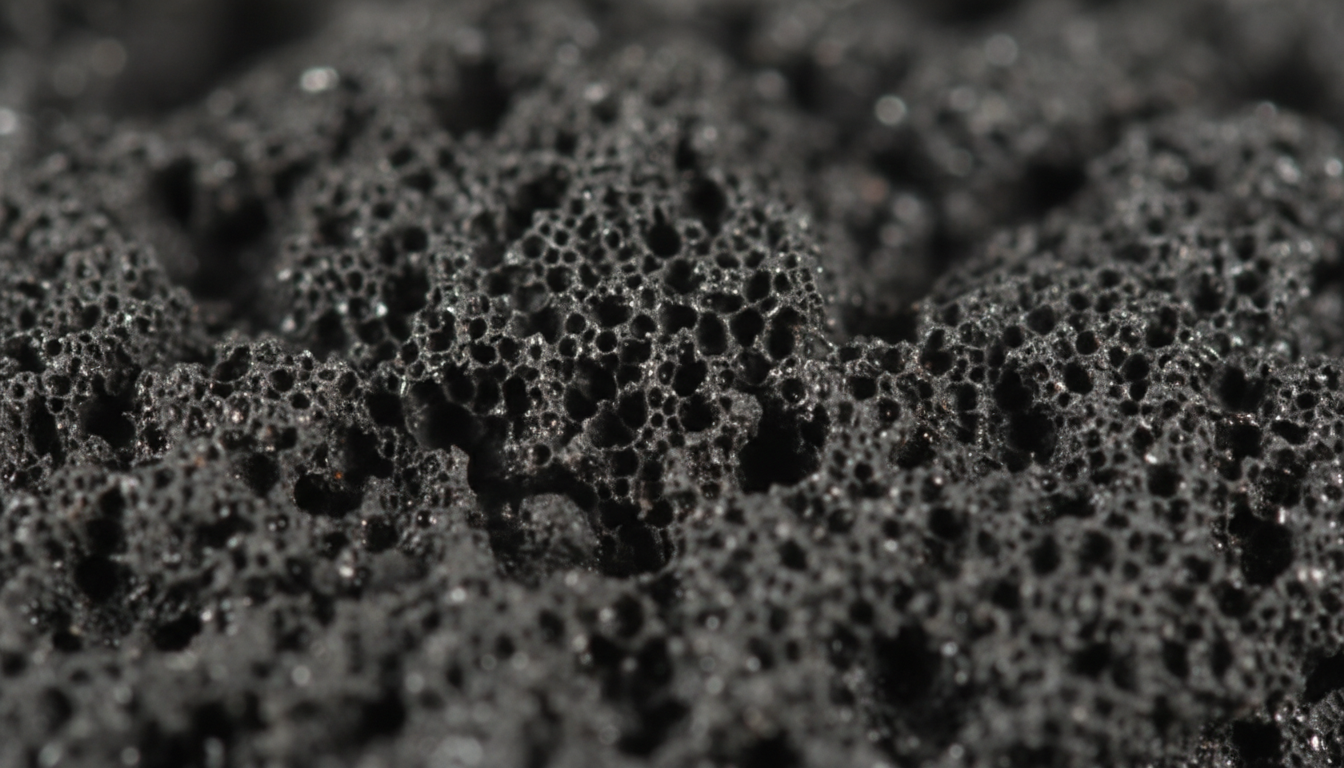
When we compare different activated carbon sources, coconut shell carbon brings something special to the table. It has up to 50% more micropores than bituminous coal. Those tiny pores—we’re talking microscopic openings smaller than 2 nanometers—give this material a massive advantage.
Each gram of coconut shell activated carbon can have up to 1,000 square meters of surface area. Think about that for a second. A single gram with the surface area of nearly three tennis courts. That’s where the magic happens—more surface area means more space to trap contaminants.
But here’s what really matters for water treatment: Activated carbon from coconut shell has predominantly pores in micro pore range. Almost 85-90% surface area of coconut shell activated carbon exists as micro-pores. This microporous structure makes it particularly good at catching the small molecules found in drinking water—chlorine, volatile organic compounds, and other pollutants that slip through larger-pored materials.
Real-World Efficiency Numbers
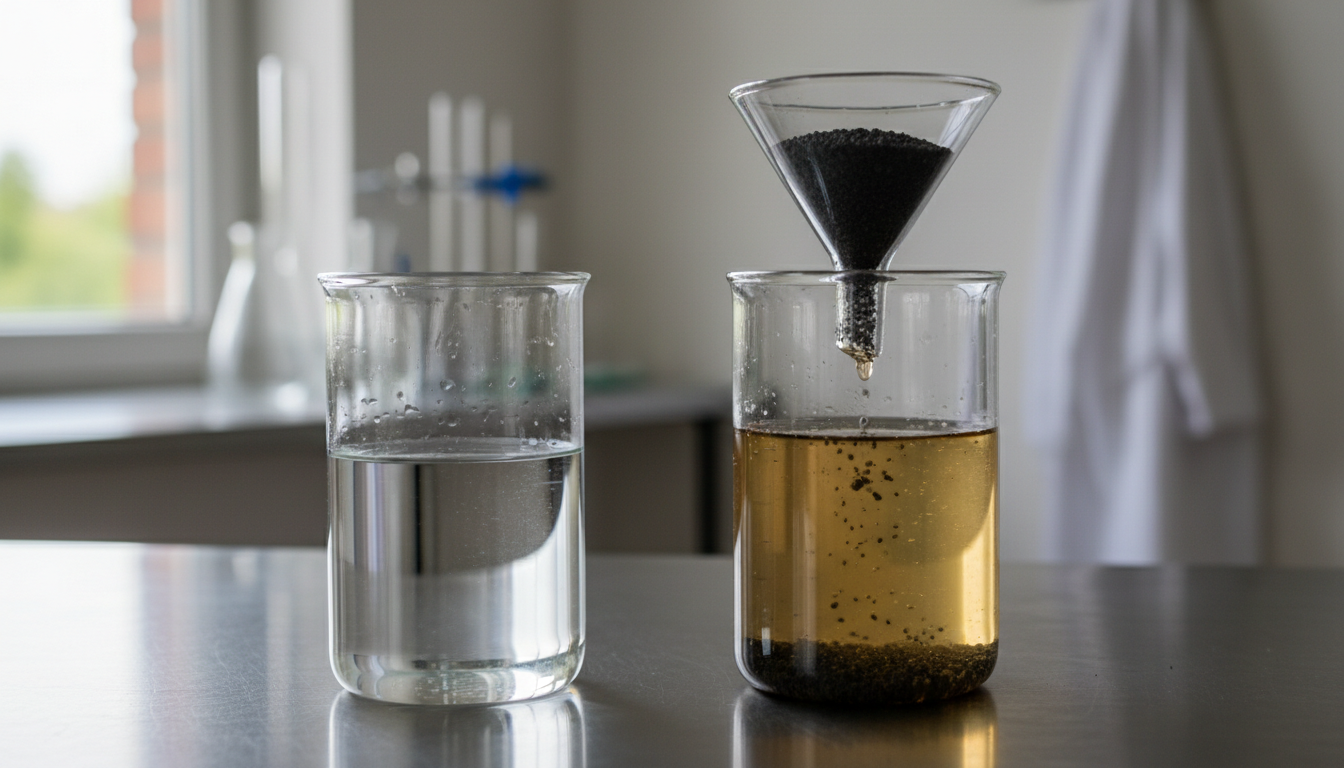
You want data? We’ve got it. Research shows some pretty solid removal rates. On treatment of contaminated surface water, this sample gave 66.9% Chemical Oxygen Demand (COD) removal efficiency and 86.7% Biochemical Oxygen Demand (BOD) removal efficiency at a carbon dosage of 0.2g/60ml.
But removal efficiency varies based on the contaminant. Throughout the research, the highest removal efficiencies of COD, BOD, zinc, and iron from automatic car wash wastewater are 91.03 %, 88.51 %, 68.25 %, and 86.09 % respectively achieved by 0.8 g of carbon dosage under 90 rpm agitation speed for 60 min.
For specialized applications, the numbers get even better. Results show that the maximum adsorption capacity of CSAC for F-53B reached 261.64 mg/g, demonstrating high-level performance for removing emerging contaminants.
Coconut Shell vs. Coal: The Head-to-Head Comparison
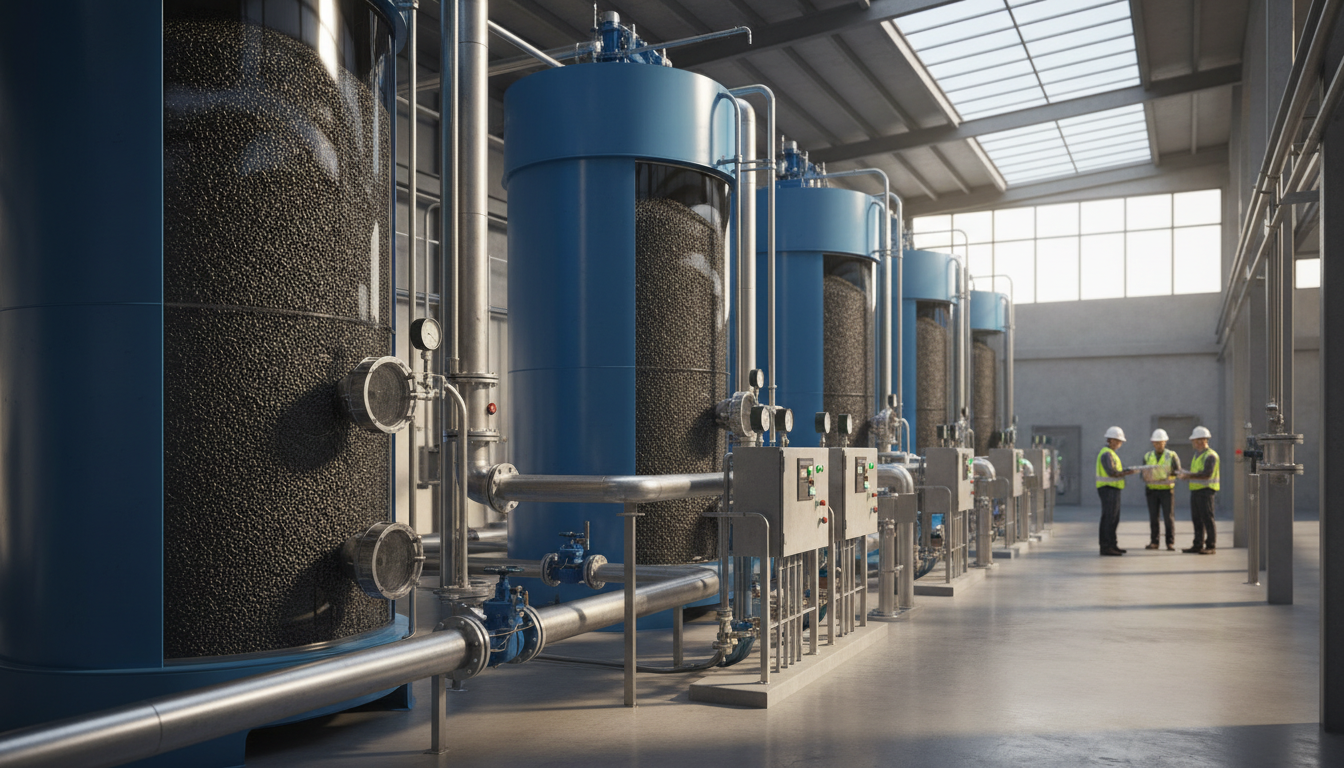
Look, coal-based carbon has been around forever. It’s convenient and widely available. But coconut shell carbon brings some clear advantages to water purification.
Pore Structure: By way of comparison, it contains 50 percent more micro-pores than bituminous coal. This makes coconut better able to adsorb volatile organic chemicals, which are otherwise difficult to remove from water.
Purity and Taste: Coconut shells are a purer form of carbon compared to coal and wood filters. Other forms of activated carbon can add to an off-putting taste from inorganic ash, whereas coconut carbon is more tightly structured and won’t leach.
Ash Content: The difference in purity is measurable. In coal and wood-based activated carbon the ash content can be between 10 – 15 % while in coconut filters it will be between 3 – 5 %. This means coconut-based filters are much healthier.
What Coconut Shell Carbon Actually Removes
Coconut shell carbon has a higher micropore volume, which makes it especially efficient at adsorbing chlorine, chloramines, and trihalomethanes (THMs)—common byproducts of municipal water disinfection. We’ve seen this work consistently across residential and industrial applications.
Beyond chlorine, this material handles a broad spectrum of contaminants. It effectively removes pesticides, herbicides, VOCs, and other organic pollutants. The microporous structure allows it to capture molecules that other filtration materials miss.
Heavy metals? Coconut shell carbon can help there too, though the efficiency depends on several factors like contact time, dosage, and water chemistry. The activated carbon with ZnCl2 at 400°C demonstrated an efficiency of 66.88 % in removing water hardness, representing the highest removal compared to other activated carbons.
Getting Maximum Performance from Your System
We’ve learned that contact time matters—a lot. Intraparticle diffusion modeling revealed a three-stage adsorption sequence: surface adsorption (0–2 h), pore diffusion (2–8 h), and dynamic equilibrium (8–48 h). Translation? Your water needs adequate contact time with the carbon for best results.
Coconut shell activated carbon comes in different forms—granular and powdered—each with specific applications. Granular activated carbon (GAC) works great for whole-house systems and point-of-entry applications. The granular form offers good flow rates while maintaining high removal efficiency.
Mesh size affects performance too. CS-HAC has a surface area of 1,050 square meters per gram. Different mesh sizes provide different surface areas and flow characteristics, so matching the right specification to your application makes a real difference.
The Sustainability Factor
Coconuts will continue to grow without needing to cut down the tree itself (unlike when you use wood-based filters) and they’re harvested three to four times per year. This makes coconut shell carbon a renewable resource that doesn’t create the environmental impact of mining operations.
Coconut shells are a byproduct of the coconut industry, providing a sustainable and readily available source of raw material. We’re talking about using agricultural waste that would otherwise be discarded. That’s smart resource management.
The production process itself can be eco-friendly. The controlled burning of coconut shells, known as pyrolysis, not only activates the carbon but also allows for the recovery of energy, making it an eco-friendly alternative to traditional activation methods. The process reduces the environmental impact of water and soil treatment and reduces the carbon footprint of the remediation process.
How Activation Methods Impact Efficiency
Not all coconut shell carbon is created equal. The activation method significantly impacts performance. The SAA characterization gives the highest surface area value (516 m2g−1) obtained by the NaOH activator. Different chemical activators produce different pore structures and surface areas.
KOH activation yielded the top-performing carbon, A-KOH, achieving SBET = 1600 m2 g−1, Vmi = 0.74 cm3 g−1, and Vme = 0.22 cm3 g−1. Steam activation produces good results too, though typically with lower surface areas than chemical activation.
The choice of activating agent affects not just surface area but also the carbon’s pH characteristics, which can influence how it interacts with different contaminants in your water.
Durability and Cost-Effectiveness
One of the things that make activated carbon made from coconut shell so great is that they are long-lasting. The high micro-porosity gives it a greater machinal strength, which makes it harder and highly resistant to wear and tear. This is one of the reasons why they are considered as a cost-effective option. They can last long and not wear so easily.
This durability translates to real savings. While the upfront cost might be slightly higher than some coal-based alternatives, the longer service life and superior performance often make coconut shell carbon more economical over time.
For industrial applications, the hardness matters even more. The predominance of micro-pores in coconut shell carbon gives it tight structure and provides good mechanical strength and hardness and also high resistance to resist attrition or wearing away by friction.
Conclusion
Coconut shell carbon delivers proven water purification efficiency through its high micropore density, superior surface area, and excellent adsorption capacity. With removal rates ranging from 66% to over 90% for various contaminants, it outperforms coal-based and wood-based alternatives in most water treatment applications. The material’s renewable nature, low ash content, and mechanical durability make it both environmentally responsible and cost-effective. Whether you’re treating municipal water, industrial wastewater, or residential drinking water, coconut shell carbon provides reliable, measurable results. For optimal performance, match the right form—granular or powdered—and mesh size to your specific application, and allow adequate contact time for complete adsorption.
Frequently Asked Questions
How long does coconut shell activated carbon last in water filters?
The lifespan depends on water quality, contaminant levels, and flow rate. For typical residential applications, coconut shell carbon filters last 6-12 months. Industrial systems may need replacement sooner based on contaminant load. You’ll know it’s time to replace when you notice changes in water taste or odor.
Can coconut shell carbon remove bacteria and viruses from water?
No, activated carbon doesn’t effectively remove bacteria, viruses, or other microorganisms. Its pore structure targets chemical contaminants, not biological ones. For pathogen removal, you’ll need additional treatment like UV sterilization, reverse osmosis, or microfiltration. Carbon works best as part of a multi-stage filtration system.
Is coconut shell carbon better than regular charcoal for water purification?
Yes, coconut shell activated carbon significantly outperforms regular charcoal. The activation process creates millions of micropores that regular charcoal lacks. Coconut shell carbon also has 50% more micropores than coal-based carbon, making it more efficient at removing chlorine, VOCs, and other small-molecule contaminants.
What’s the difference between granular and powdered coconut shell carbon?
Granular activated carbon (GAC) consists of larger particles suitable for fixed-bed systems, whole-house filters, and applications requiring good flow rates. Powdered activated carbon (PAC) has smaller particle size, offering faster adsorption but requiring different handling systems. GAC is more common for residential use, while PAC often appears in industrial batch treatments.
Does coconut shell activated carbon affect water pH?
New coconut shell carbon may initially raise water pH slightly, but this effect stabilizes quickly. Acid-washed coconut shell carbon minimizes pH shifts and reaches equilibrium faster. Most quality filters pre-rinse the carbon to reduce this effect. The pH impact is typically minor and temporary in properly designed systems.