

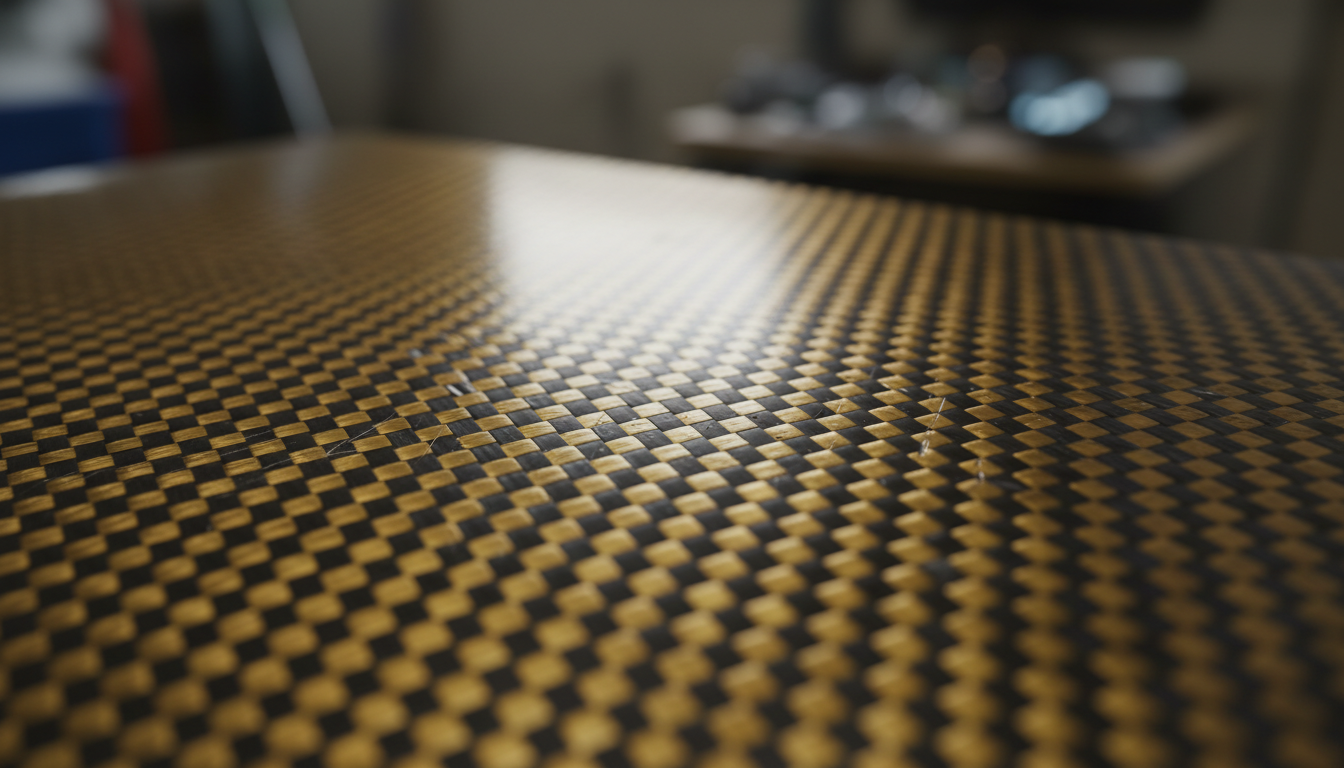
We’ve been watching material science make some pretty big leaps lately, and one area that’s caught our attention is how gold and carbon come together in different forms to create materials with both style and serious durability. Whether you’re looking at gold carbon fiber for aesthetics or advanced alloys that resist wear, these materials are changing what’s possible in manufacturing and design.
The term “wear resistant gold carbon” actually covers a few different materials. On one hand, you have decorative gold carbon fiber fabrics and composites used in automotive customization and luxury goods. On the other, there’s groundbreaking research into platinum-gold alloys that spontaneously form carbon-based protective coatings. Both involve the combination of gold elements with carbon-based materials, but they serve different purposes.
What Makes Gold Carbon Fiber Different
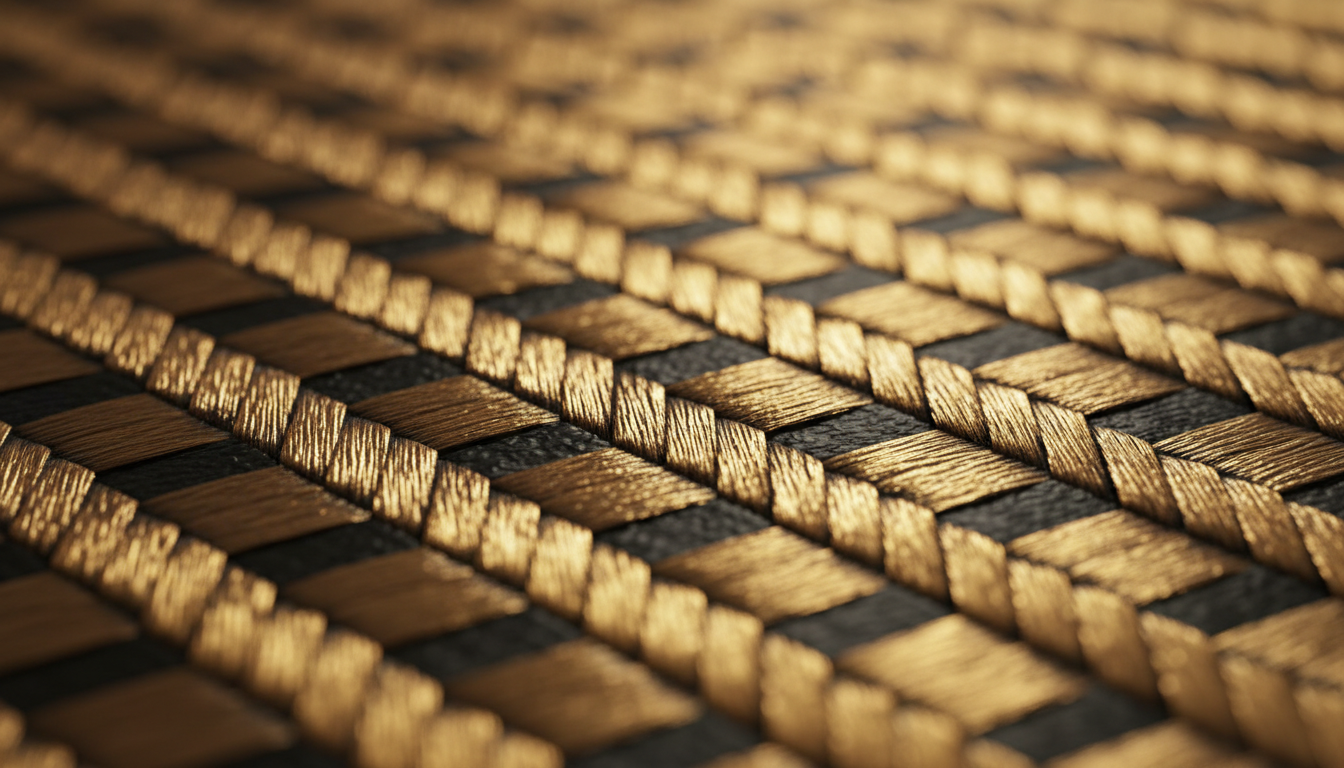
Gold carbon fiber is made up of carbon fibers woven together and impregnated with resin, with a unique gold finish that adds luxury and sophistication. The material keeps all the structural benefits of regular carbon fiber—light weight, high strength, and durability—while adding a distinctive metallic appearance.
Carbon fiber can withstand temperatures up to 2000°C and offers characteristics like high strength, high modulus, heat resistance, corrosion resistance, and fatigue resistance. When you add the gold finish, you get a material that looks premium but still performs like traditional carbon fiber in demanding applications.
The gold color comes from either metallic additives mixed into the composite or specialized coating processes. Some composites are made up of layers of carbon fiber with bronze or copper metal between each layer, which increases thermal conductivity.
Applications in Real-World Settings
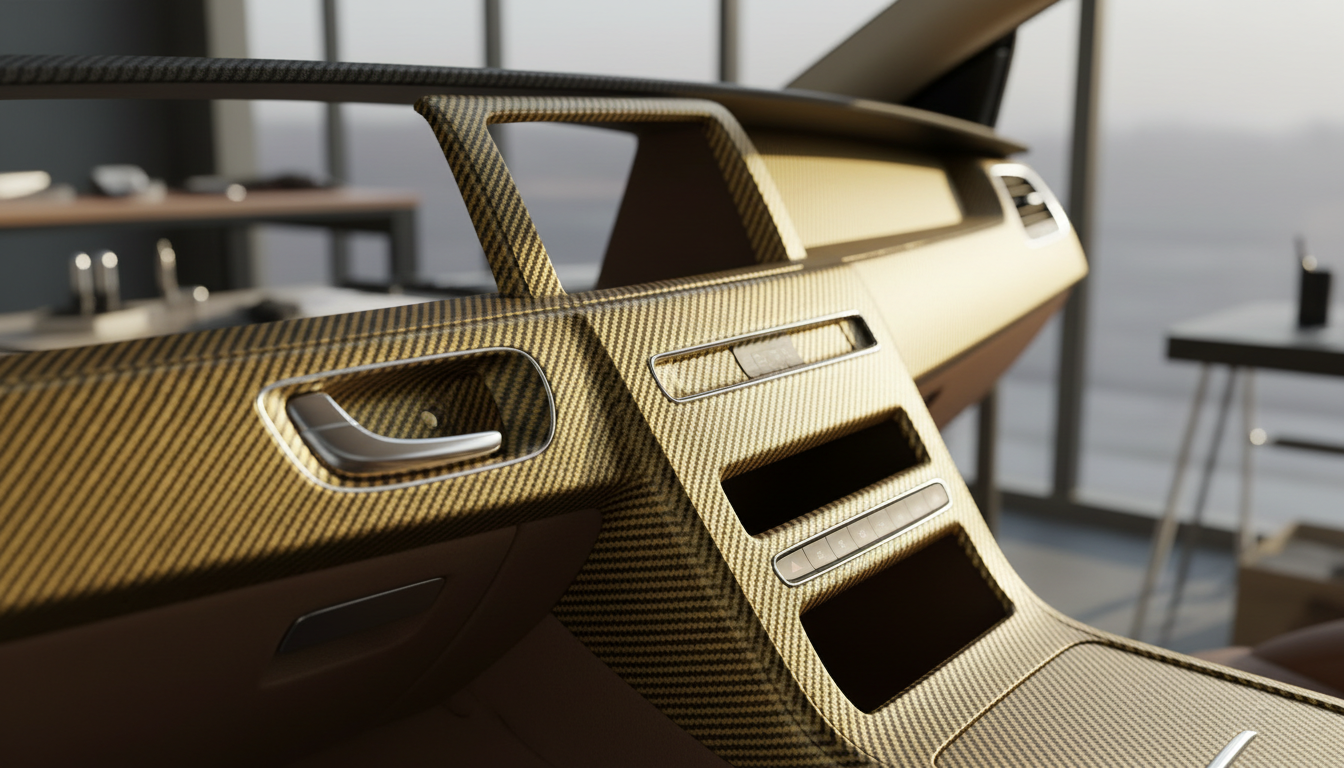
Gold carbon fiber works well for automotive parts like body panels and interior trim pieces, as well as luxury accessories such as watches, eyewear, and jewelry. We’re seeing it pop up in places where both performance and appearance matter.
The automotive customization industry has really embraced gold carbon fiber. High-grade polymeric vinyl wraps with forged carbon fiber texture defend vehicles against scratches, rock chips, and tar, while UV-resistant layers prevent fading and keep the gold gloss vibrant. These wraps typically last 3-5 years with proper care.
Gold carbon fiber with bronze infusion works as material for knife scales, liners, or handle inlays, and can be easily shaped on a belt sander or CNC mill. Knifemakers and craftspeople appreciate how workable it is.
The Science Behind Wear Resistance
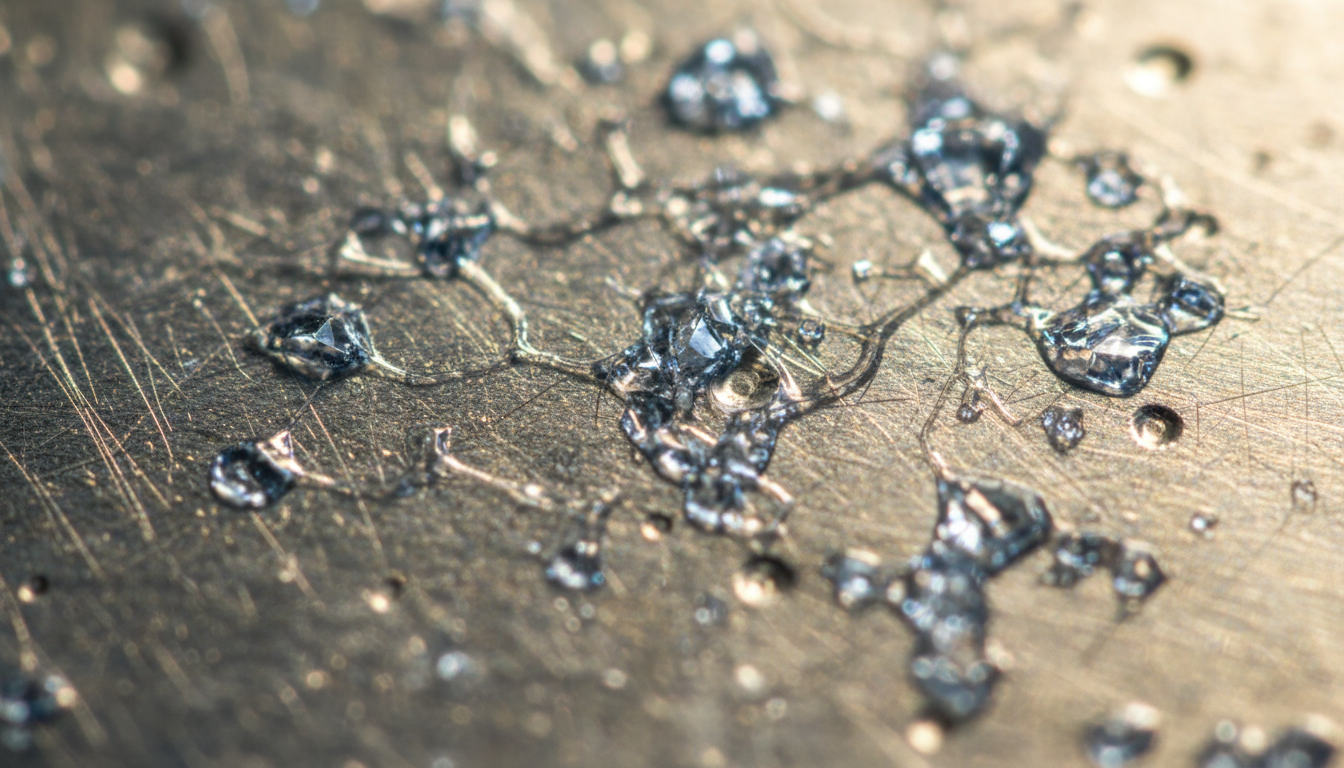
Here’s where things get interesting from a materials science perspective. Researchers at Sandia National Laboratories engineered a platinum-gold alloy that’s 100 times more durable than high-strength steel, making it the first alloy in the same class as diamond and sapphire.
What really surprised researchers was an unexpected benefit. While measuring wear on their platinum-gold alloy, an unexpected black film started forming on top—they recognized it as diamond-like carbon, one of the world’s best man-made coatings, slick as graphite and hard as diamond.
The stability and inherent resistance to wear allows carbon-containing molecules from the environment to stick and degrade during sliding to ultimately form diamond-like carbon. The alloy basically creates its own protective carbon coating, which is pretty remarkable.
Performance Characteristics That Matter
Carbon fiber is known for its strength-to-weight ratio, making products lighter and stronger than those made from traditional materials like steel or aluminum. This matters whether you’re building aerospace components or consumer products.
Carbon composite is stiffer but more impact and wear resistant than standard options while being about 10% lighter. That weight savings adds up in applications where every gram counts, from racing vehicles to portable equipment.
For the platinum-gold alloy specifically, only a single layer of atoms would be lost after a mile of skidding on hypothetical tires. That level of wear resistance opens up possibilities in electronics, aerospace, and any application where metal-to-metal contact happens repeatedly.
Durability vs. Aesthetics Trade-offs
Carbon fiber film is resistant to abrasions and offers a cheaper, simpler alternative to paint. You’re getting protection along with the visual upgrade. But it’s worth knowing that different gold carbon products have different durability profiles.
Materials are water resistant and weather proof, plus flexible and stretchable for concave areas. That flexibility helps with installation but also means the material can conform to complex shapes without cracking.
Some users have reported issues with certain batches. Quality control matters, especially with decorative applications where appearance is part of the value.
Why Choose Carbon-Based Materials
Camo carbon is highly resistant to temperature and impact with minimal delamination risk, plus it boasts excellent machining properties for manual or CNC work, belt sanding, and hand tools, with resistance to cleaning agents, oils, greases, and weak acids.
These materials work in environments where traditional options fail. The chemical resistance means they hold up to industrial fluids and cleaning products. The temperature resistance lets them function in high-heat applications. And the impact resistance means they don’t crack or shatter under stress.
For activated carbon applications in water treatment and air purification, different carbon materials serve specialized purposes. While gold carbon fiber focuses on structural and aesthetic applications, granular activated carbon and powdered activated carbon excel at adsorption and filtration.
Cost Considerations and Value
Gold carbon fiber vinyl wraps run anywhere from under $300 for partial wraps to around $630 for a full 59-foot roll. Professional installation adds $2,000-$5,000 depending on vehicle size. Compared to real forged carbon parts which cost thousands and are permanent, vinyl wrapping offers a cost-effective, reversible option without sacrificing bold style.
The platinum-gold alloy is different—it’s a specialty material for high-performance applications. The ultradurable coating could save the electronics industry more than $100 million a year in materials alone. The upfront cost gets offset by longer service life and reduced maintenance.
Maintenance and Longevity
With proper care, gold forged carbon fiber wrap lasts 3-5 years, resists scratches and UV fading while preserving the original finish underneath, and when removed, the adhesive releases cleanly without harming paint.
Wash with mild soap and water, avoid harsh cleaners, and dry by hand—unlike painted finishes, vinyl wraps don’t require polishing or waxing. That makes upkeep pretty straightforward.
For composite materials like the metal-infused carbon fiber, regular cleaning with appropriate solvents works fine. The material can be polished, painted, or lacquer coated depending on your needs.
Conclusion
Wear resistant gold carbon materials represent an intersection of performance and aesthetics. From decorative vinyl wraps that protect automotive finishes to advanced alloys that create their own diamond-like carbon coatings, these materials solve real problems in manufacturing, customization, and engineering. The key is matching the right material to your specific application—whether that’s a gold carbon fiber wrap for visual impact or a wear-resistant alloy for demanding industrial use. As material science continues advancing, we’re likely to see even more innovative combinations of gold, carbon, and other elements that push the boundaries of what’s possible.
FAQs
What is wear resistant gold carbon used for?
Wear resistant gold carbon materials have two main uses. Gold carbon fiber is used for automotive customization, luxury accessories, knife handles, and decorative applications where both strength and aesthetics matter. Advanced platinum-gold alloys that form carbon coatings are used in electronics, aerospace systems, and industrial applications requiring extreme wear resistance and low maintenance.
How long does gold carbon fiber last?
Gold carbon fiber vinyl wraps typically last 3-5 years on exterior applications with proper care and up to 10 years for interior use. The lifespan depends on UV exposure, weather conditions, and maintenance. Composite gold carbon fiber materials like those used in knife handles or jewelry can last indefinitely with appropriate care since the gold color is integrated throughout the material rather than just a surface coating.
Is gold carbon fiber real carbon fiber or just vinyl?
Both exist. Gold carbon fiber vinyl wraps replicate the look of carbon fiber with a gold metallic finish but are made from polymeric vinyl film—they’re decorative and protective but not structural. True gold carbon fiber fabric consists of actual woven carbon fibers with gold-colored metallic additives or coatings, offering the structural properties of carbon fiber along with the distinctive appearance. The vinyl is cheaper and easier to apply; the real carbon fiber composite is stronger and used in structural applications.
What makes platinum-gold alloy resistant to wear?
The platinum-gold alloy developed at Sandia National Laboratories resists wear through stable grain structure at high temperatures and stresses. Unlike conventional thinking that hardness prevents wear, this alloy’s resistance comes from how it handles heat. The alloy also spontaneously forms diamond-like carbon coatings from environmental carbon molecules during friction, creating its own protective lubricant layer that’s as slick as graphite and hard as diamond.
Can gold carbon fiber be used on curved surfaces?
Yes, gold carbon fiber materials are designed to conform to curves. Vinyl wraps are stretchable up to 30% and use air-release technology for bubble-free installation on complex shapes like bumpers, fenders, and mirrors. Actual woven gold carbon fiber fabric is also flexible and soft, conforming well to curves when wet with resin during layup processes. The material works well for both tight compound curves and gradual contours, making it suitable for automotive, aerospace, and consumer product applications.