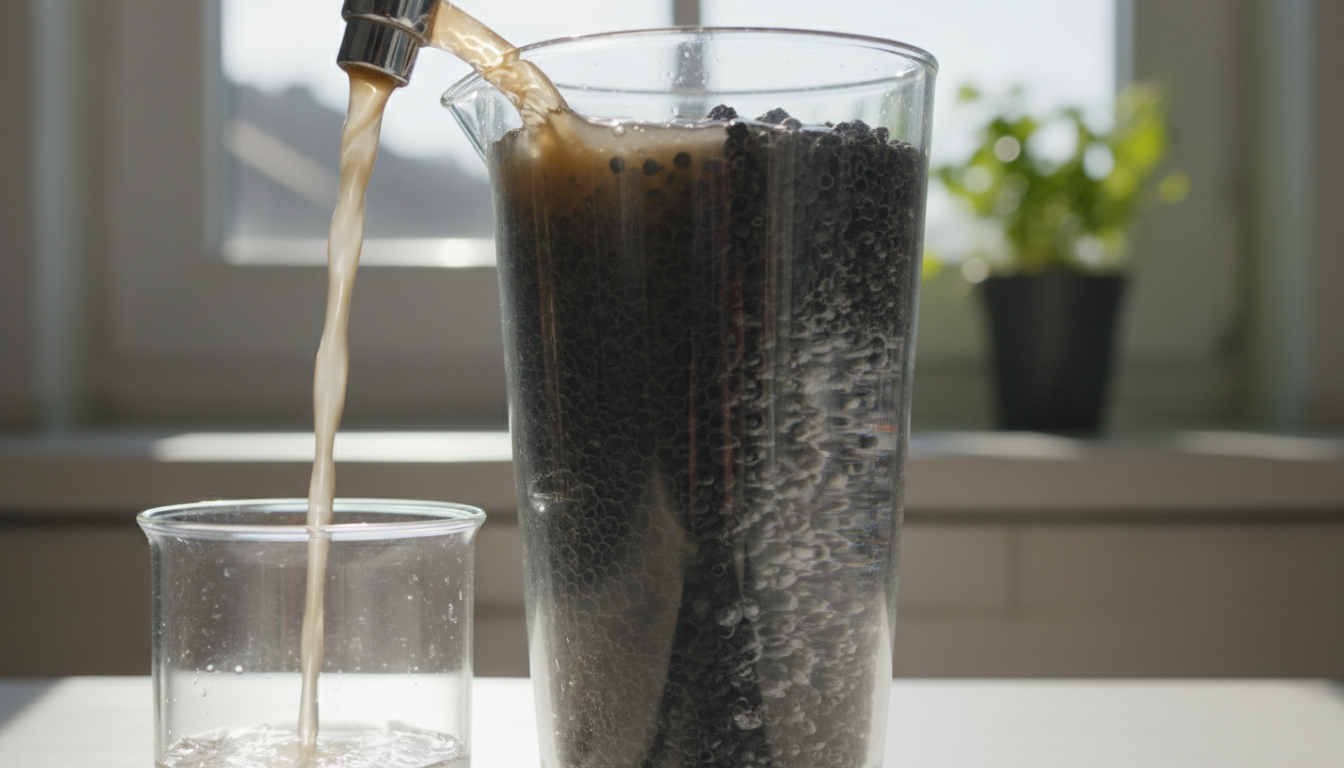
Activated carbon, also called activated charcoal, is a form of carbon that’s been specially processed to create millions of tiny pores. These pores dramatically increase the surface area available for trapping contaminants from water, air, and other substances. One gram of activated carbon can have a surface area exceeding 3,000 square meters—that’s roughly the size of a football field packed into a teaspoon.
We use activated carbon daily without even thinking about it. It’s in our water filters, air purifiers, medical treatments, food processing plants, and even gold recovery operations. The material works through a process called adsorption (not absorption), where molecules stick to the carbon’s surface rather than being soaked up like a sponge.
You’ll find our activated carbon products in various forms and applications, each designed to tackle specific filtration challenges.
How Activated Carbon Works
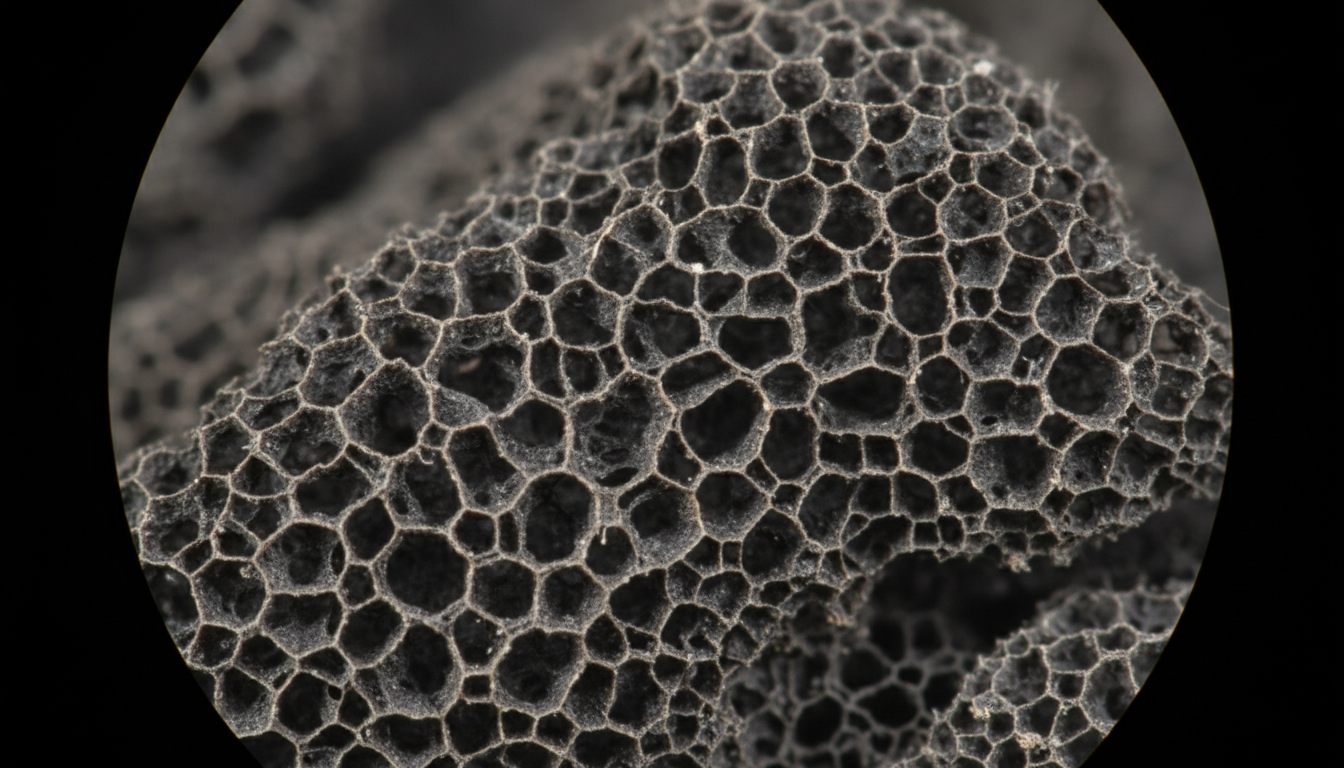
The magic happens through adsorption. When water or air passes through activated carbon, contaminant molecules get attracted to the carbon surface by weak electrical forces called Van der Waals forces. Think of it like a magnet pulling metal shavings—except on a molecular level.
The carbon’s porous structure creates gaps, cracks, and crevices between graphite plates. These spaces trap molecules and hold them in place. Compounds with high molecular weight and low water solubility get adsorbed best because they have similar properties to the carbon itself.
Temperature plays a role too. Higher temperatures actually reduce adsorption effectiveness, while cooler conditions work better. The process doesn’t change the carbon’s physical size—all the action happens deep inside those microscopic pores.
Types of Activated Carbon by Raw Material
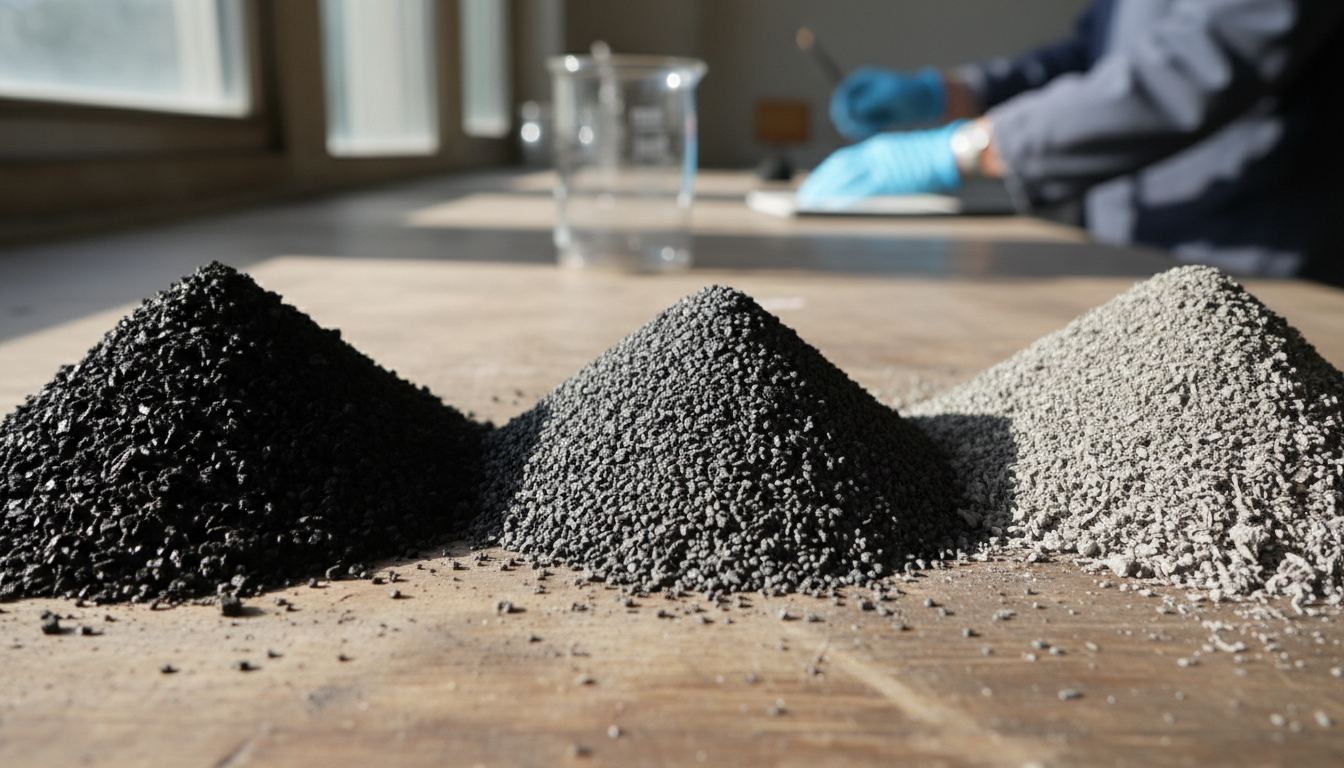
Activated carbon comes from different source materials, and each type has unique characteristics.
Coconut Shell Activated Carbon
Coconut shell activated carbon stands out for its high micropore density and hardness. It contains 50% more micropores than coal-based varieties, making it excellent for removing small molecules and volatile organic compounds from drinking water. The material is renewable since coconut trees produce shells year-round, typically 3-4 harvests annually.
Coconut shell carbon has low ash content, which means it won’t add taste to purified water. Its high abrasion resistance makes it perfect for applications where the carbon gets moved around or regenerated frequently, like gold recovery systems.
Coal-Based Activated Carbon
Coal-based activated carbon comes from bituminous, sub-bituminous, or lignite coal. It has a mix of micropores and mesopores, giving it versatility for trapping both small and medium-sized molecules. This type excels at removing odors, heavy metals, and organic chemicals from wastewater.
The downside? Coal is a non-renewable resource with higher environmental impact. But it’s cost-effective and widely available for industrial applications.
Wood-Based Activated Carbon
Wood-based or wood powder activated carbon contains mainly mesopores and macropores. This pore structure makes it ideal for decolorization applications in food processing, sugar refining, and beverage production. It’s great at removing color-causing proteins and larger organic molecules.
Wood carbon typically comes in powder form, offering fast adsorption rates and quick filtration speeds.
Apricot Shell Activated Carbon
Apricot shell activated carbon is a nutshell-based variety that shares some characteristics with coconut shell carbon. It has developed pores, good adsorption performance, and comes from agricultural waste materials, making it an eco-friendly option.
Common Forms and Applications

Activated carbon comes in three main physical forms:
Granular Activated Carbon (GAC) has larger particles (0.4 to 2.5 mm) and works well in fixed-bed filters for water treatment and air purification. GAC can be regenerated and reused multiple times, making it cost-effective for continuous operations. Our granular varieties handle everything from municipal water systems to industrial air filters.
Powdered Activated Carbon (PAC) consists of very fine particles (less than 100 μm). This small size provides faster adsorption since molecules don’t have to travel far to reach adsorption sites. Powdered forms get added directly to water or other liquids, then filtered out after treatment.
Pelletized Activated Carbon combines powder with a binder to create cylindrical pellets. These have low dust, good mechanical strength, and minimal pressure drop in gas-phase applications.
Real-World Uses
Activated carbon appears in more places than most people realize.
Water Treatment: Municipal drinking water plants rely on activated carbon to remove chlorine, organic compounds, taste, and odor issues. It’s also used in home filters and point-of-use systems.
Air Purification: The material traps volatile organic compounds (VOCs), mercury vapor, hydrogen sulfide, and other airborne contaminants. Gas masks, respirators, HVAC systems, and industrial emission controls all use activated carbon.
Medical Applications: Hospitals use activated charcoal to treat poisonings and drug overdoses. The carbon adsorbs toxins in the digestive system before they enter the bloodstream. It’s on the World Health Organization’s List of Essential Medicines.
Food and Beverage: Sugar refineries use it for decolorization, breweries employ it for water dechlorination and CO2 purification, and distilleries filter spirits to remove impurities and improve taste.
Industrial Processes: Gold mining operations use activated carbon to capture dissolved gold from cyanide solutions. Chemical plants use it for solvent recovery and emission control.
Maintenance and Regeneration
Activated carbon doesn’t last forever. Once the pores fill up with contaminants, the material stops working effectively. You’ll need to either replace it with fresh carbon or regenerate it.
Regeneration involves heating the carbon to 800-900°C in steam or inert atmosphere. This process burns off the adsorbed contaminants and restores much of the original pore structure. Chemical regeneration using dilute acids or bases works for some applications at lower temperatures.
The frequency of replacement depends on usage, contaminant levels, and application type. Some systems need fresh carbon every 6-12 months, while others can run longer.
Learn to Choose the Right Type
Your choice depends on what you’re trying to remove.
For drinking water with small organic contaminants and chlorine, go with coconut shell carbon’s high micropore density. For industrial wastewater with varied molecular sizes, coal-based carbon’s mixed pore structure works better. Need color removal from liquids? Wood-based powder carbon is your answer.
Particle size matters too. Smaller particles (powder) adsorb faster but can’t be used in fixed beds. Larger particles (granular) work in continuous flow systems and can be regenerated.
Conclusion
Activated carbon remains one of the most versatile and widely used purification materials available. Its unique porous structure allows it to trap everything from tiny VOCs to larger organic molecules through the process of adsorption. Whether you need coal-based, coconut shell, wood-based, or apricot shell varieties, understanding the differences helps you select the right product for your application. The material’s ability to be regenerated and reused makes it both economical and environmentally practical for water treatment, air purification, industrial processing, and medical uses.
FAQs
What’s the difference between activated carbon and regular charcoal?
Regular charcoal has a surface area of only 2-5 square meters per gram. Activated carbon goes through additional processing with steam or chemicals at high temperatures (600-1200°C) to create millions of tiny pores. This increases the surface area to 500-3000+ square meters per gram, making it thousands of times more effective at adsorbing contaminants.
Can activated carbon remove all types of water contaminants?
No. Activated carbon excels at removing organic compounds, chlorine, VOCs, and taste/odor issues. But it doesn’t effectively remove dissolved minerals, salts, metals like iron or lithium, nitrates, fluoride, or microorganisms like bacteria and viruses. For those contaminants, you need different treatment methods like reverse osmosis, ion exchange, or UV sterilization.
How do I know when activated carbon needs replacement?
Watch for these signs: water or air starts tasting or smelling different, the flow rate decreases significantly, or if you’re monitoring effluent quality, breakthrough occurs (contaminants start appearing in treated output). Most manufacturers provide estimated service life based on flow rates and contaminant levels. Testing the carbon’s iodine value can also indicate remaining capacity.
Is coconut shell activated carbon better than coal-based?
Neither is universally “better”—they’re suited for different jobs. Coconut shell carbon has more micropores, making it superior for drinking water purification and removing small molecules. It’s also renewable and eco-friendly. Coal-based carbon has more mesopores, making it better for industrial applications requiring removal of varied molecule sizes. It’s also less expensive. Your application determines which performs better.
Can activated carbon be reactivated at home?
Home reactivation isn’t recommended. Professional reactivation requires temperatures of 800-900°C in controlled atmospheres with specialized equipment. Some people try boiling or baking carbon at lower temps, but this only partially restores capacity and can release adsorbed contaminants. For safety and effectiveness, it’s better to buy fresh virgin carbon or send used carbon to professional reactivation facilities.