

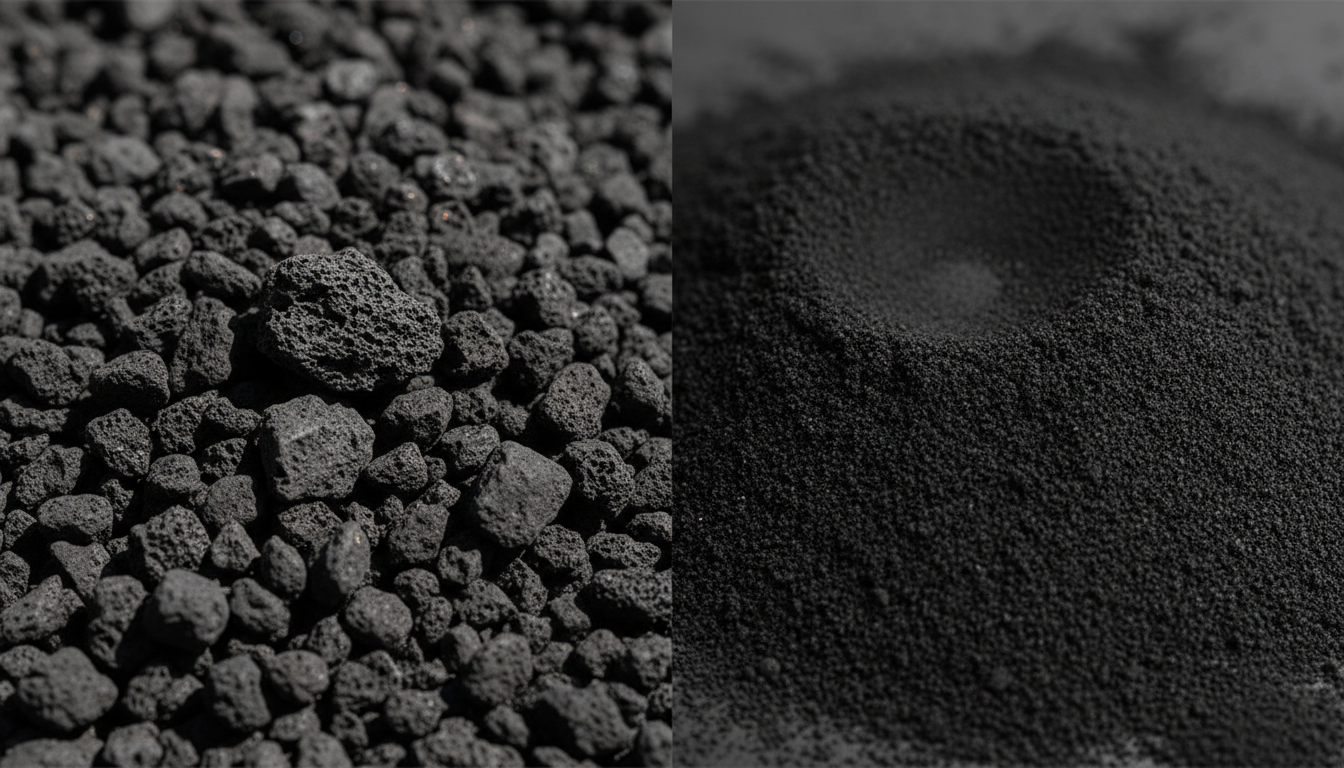
When it comes to choosing activated carbon for water treatment, air purification, or industrial applications, the raw material makes a huge difference. We’ve worked with both wood-based and coconut shell activated carbon, and here’s what you need to know about how they stack up against each other.
Both types come from natural sources and do a great job at removing contaminants. But their pore structures, costs, and best-use scenarios differ in ways that can affect your bottom line and filtration results.
Raw Material Origins and Sustainability
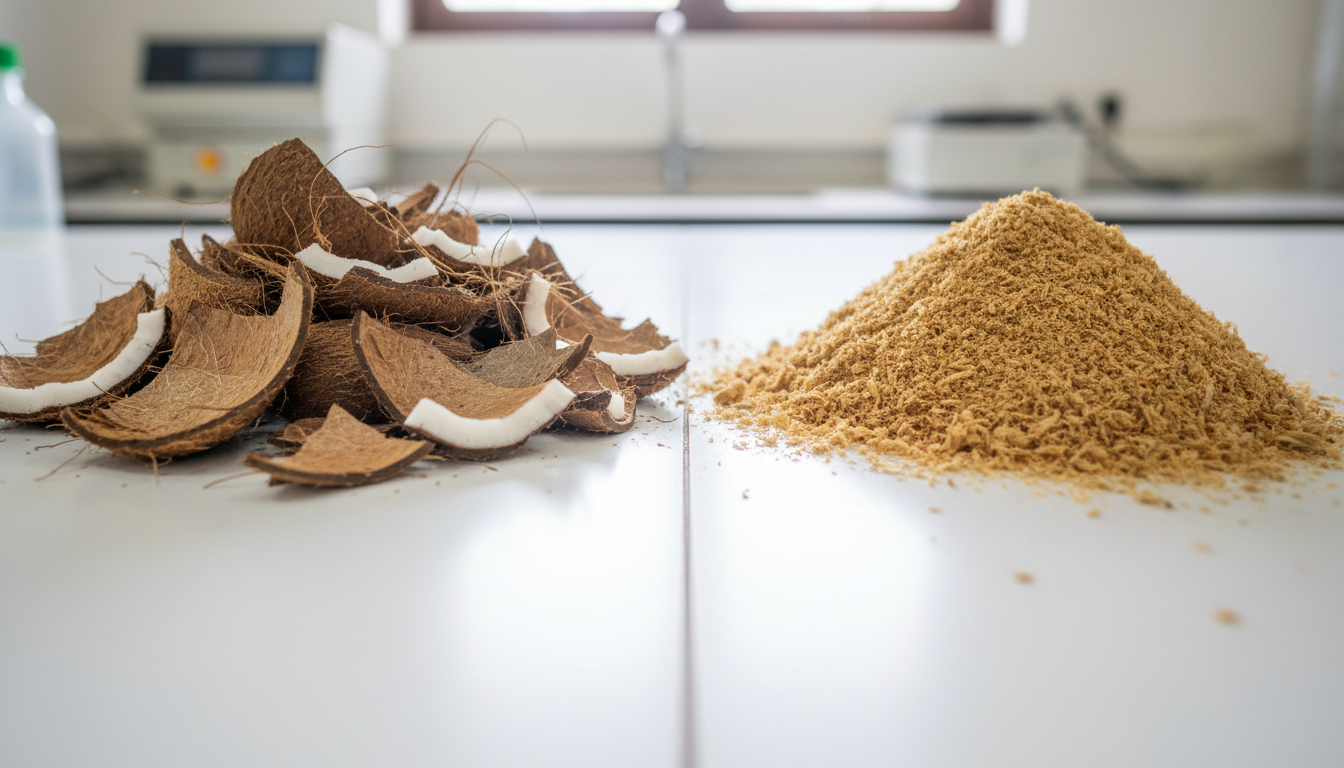
Wood activated carbon comes from sawdust, wood chips, and processing residues from hardwoods and softwoods. These materials are byproducts of the lumber industry, so you’re basically giving waste a second life. The production doesn’t require cutting down trees specifically for carbon manufacturing.
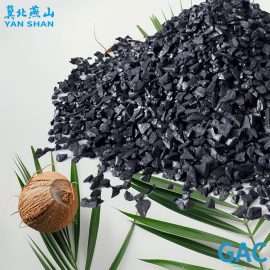
Coconut shell activated carbon, on the other hand, uses discarded coconut shells—another waste product from the coconut industry. Coconuts grow year-round in tropical climates and can be harvested 3 to 4 times annually. This renewable supply chain doesn’t kill trees or deplete forests.
Both options score high on sustainability. Wood carbon helps reduce sawmill waste, while coconut shells would otherwise be burned or dumped. If you’re looking for a product line with strong environmental credentials, you can explore our coconut shell activated carbon or check out our wood powder activated carbon offerings.
Pore Structure and Surface Area

Here’s where things get interesting. The pore structure determines what contaminants each carbon type can trap.
Coconut shell activated carbon is dominated by micropores—tiny openings less than 20 angstroms in diameter. This gives it 50% more micropores than coal-based carbon and a surface area often exceeding 900 to 1,200 m²/g. Think of it as having more surface area packed into each gram.
Wood activated carbon features a mix of mesopores (20-500 angstroms) and macropores (larger than 500 angstroms), with some micropores thrown in. Its surface area can reach 1,500 to 2,500 m²/g when activated with phosphoric acid. Those larger pores make it better suited for trapping big organic molecules.
If you’re targeting small molecules like chlorine, volatile organic compounds, or trace contaminants under 100 angstroms, coconut shell wins. For larger molecular structures like color compounds, MIB (2-Methylisoborneol), Geosmin, or industrial dyes between 100 and 1,000 angstroms, wood carbon performs better.
Physical Properties and Durability
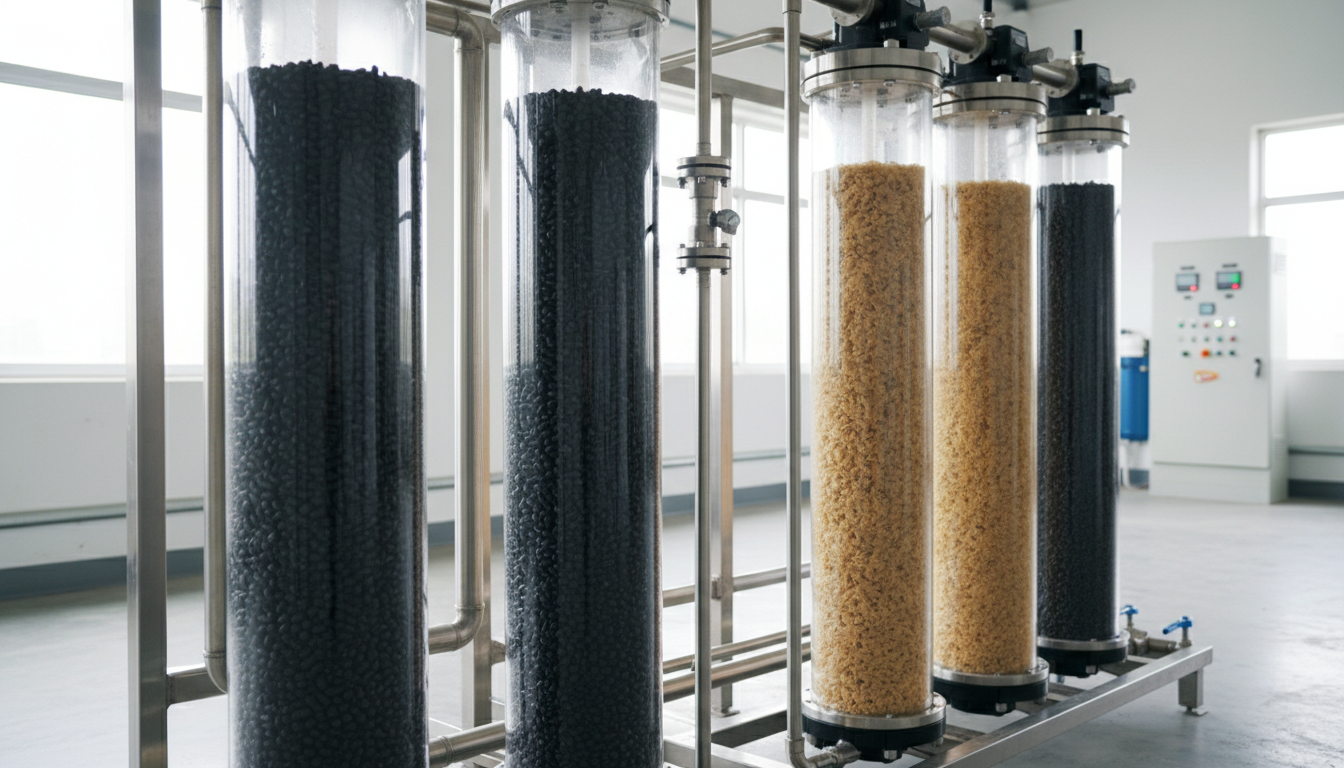
Coconut shell activated carbon has the highest hardness rating among all activated carbon types—typically 97-99% on the ball-pan hardness scale. This translates to less dust production during handling, minimal loss during backwashing, and longer service life in filtration systems.
Wood-based carbon has lower mechanical strength. It’s more prone to pulverization, especially under pressure or frequent backwashing cycles. At high temperatures, wood carbon can release wood impurities, which limits how many times you can regenerate it.
In terms of ash content, coconut shell carbon typically stays below 3%, making it exceptionally pure. Wood carbon has slightly higher ash content, though still low enough for most applications.
Performance Applications
We’ve seen coconut shell activated carbon excel in drinking water treatment, point-of-use filters, and dechlorination. Its microporous structure makes it ideal for removing chlorine, pesticides, pharmaceutical residues, and VOCs from water and air. It’s also the go-to choice for gold recovery and precious metal extraction due to its high abrasion resistance.
Wood activated carbon dominates decolorization applications—especially in powdered form. Industries like sugar refining, beverage production, pharmaceuticals, and chemical manufacturing rely on it to remove color and organic impurities from liquids. It’s also effective in treating industrial wastewater and removing larger organic molecules from surface water.
For specific applications like treating aquaculture water or industrial wastewater, wood carbon offers excellent value. But if you’re purifying drinking water or need RO-grade filtration, coconut shell carbon is the safer, higher-purity option.
Cost and Value Considerations
Coconut shell activated carbon costs more upfront. The raw material itself is pricier, and production requires careful sourcing from tropical regions.
Wood activated carbon is more economical. Sawdust and wood waste are abundant and inexpensive, making it a budget-friendly choice for large-volume applications like industrial wastewater treatment or short-term filtration.
But here’s the catch: coconut shell carbon’s higher hardness means less frequent replacement and lower operational costs over time. Its superior density also means you’ll need more weight to fill a vessel, but you’ll experience negligible loss during backwashing—which saves money in the long run.
Wood carbon might save you money initially, but factor in shorter lifespan, higher loss during regeneration, and more frequent replacement cycles. For high-volume, one-time decolorization jobs, wood carbon makes financial sense. For continuous water treatment systems, coconut shell carbon often pays for itself.
Manufacturing and Activation Methods
Both types undergo similar production steps: carbonization, activation, washing, and screening. But the activation methods differ slightly.
Wood carbon can be activated using steam (physical activation) or phosphoric acid (chemical activation). Phosphoric acid activation creates high surface area and abundant mesopores, ideal for liquid-phase decolorization. Steam activation produces carbon better suited for removing odors and taste compounds.
Coconut shell carbon is typically activated using steam at temperatures between 800-1,000°C. This creates its characteristic microporous structure and exceptionally high surface area. Chemical activation with phosphoric acid is also used, though less commonly.
Both processes are energy-intensive, but wood carbon production emits less CO2 and SO2 compared to coal-based alternatives. Coconut shell production generates less dust and fewer fine particles during manufacturing.
Best Use Scenarios
Let’s break this down practically:
Choose coconut shell activated carbon when you need to:
- Remove small molecules like chlorine, VOCs, or trace pharmaceuticals
- Achieve high purity in drinking water or food-grade applications
- Minimize dust and carbon loss
- Extend service life and reduce replacement frequency
- Meet strict safety and leaching standards
Choose wood activated carbon when you need to:
- Decolorize liquids in food, beverage, or chemical processing
- Remove large organic molecules from industrial wastewater
- Keep upfront costs low for high-volume, short-term projects
- Target taste and odor compounds like MIB and Geosmin in surface water
- Handle specialized applications requiring customizable pore distribution
Our product selection includes both coconut shell granular activated carbon and coconut shell powdered activated carbon, giving you flexibility based on your specific needs. For more technical details on performance metrics, check out our guide on iodine number in coconut shell activated carbon.
Environmental and Safety Profiles
Both materials score well environmentally. Wood carbon production doesn’t contribute to deforestation when sourced from sawmill waste. It saves coal resources and eliminates SO2 emissions compared to coal-based production.
Coconut shell carbon production supports sustainable agriculture without harming coconut trees. The shells would otherwise be disposed of or burned, contributing to methane emissions. Using them for activated carbon reduces waste and creates economic value for coconut farmers.
Safety-wise, coconut shell carbon is non-leaching and produces ultra-pure water, making it safer for direct food and pharmaceutical contact. Wood carbon is also non-toxic and suitable for food-grade applications, though its slightly higher ash content means it requires more stringent quality control in sensitive applications.
Conclusion
Both wood and coconut shell activated carbon have their place in filtration and purification. Coconut shell carbon delivers superior hardness, micropore density, and performance for small-molecule removal in drinking water and high-purity applications. Wood carbon offers unbeatable decolorization, cost efficiency, and versatility for large-molecule removal in industrial settings.
Your choice should come down to three factors: what you’re filtering, your budget, and how long you need the carbon to last. For continuous water treatment with strict purity requirements, go with coconut shell. For decolorization, industrial wastewater, or cost-sensitive batch processing, wood carbon fits the bill.
We offer a complete range of activated carbon solutions tailored to your application. Whether you need high-hardness coconut shell products or versatile wood-based options, our team can help you select the right product for maximum performance and value.
Which activated carbon is better for drinking water treatment?
Coconut shell activated carbon is better suited for drinking water treatment. Its high micropore density effectively removes chlorine, VOCs, pesticides, and trace pharmaceuticals. With hardness ratings of 97-99% and ash content below 3%, it produces ultra-pure water without leaching. Wood carbon works for some drinking water applications but is less ideal for point-of-use filters requiring high purity.
Is wood activated carbon cheaper than coconut shell?
Yes, wood activated carbon has lower upfront costs because sawdust and wood waste are abundant and inexpensive raw materials. However, coconut shell carbon often costs less over time due to higher hardness, longer service life, and minimal loss during backwashing. For short-term, high-volume decolorization projects, wood carbon offers better value. For continuous filtration systems, coconut shell carbon’s durability makes it more economical long-term.
What is wood activated carbon best used for?
Wood activated carbon excels at decolorization in food, beverage, pharmaceutical, and chemical industries. Its mesoporous and macroporous structure effectively removes large organic molecules, color compounds, MIB, Geosmin, and industrial dyes. It’s commonly used in sugar refining, juice processing, wastewater treatment, and surface water purification. Wood carbon also performs well in solvent recovery and air purification applications.
Can coconut shell and wood activated carbon be regenerated?
Yes, both types can be regenerated, but coconut shell carbon performs better. Its high mechanical strength allows for 4-5 thermal regeneration cycles without significant degradation. Wood-based carbon has lower mechanical strength and may release impurities at high temperatures, limiting regeneration cycles to 2-3 times. The regeneration process involves heating the saturated carbon to remove adsorbed contaminants and restore adsorption capacity.
Which activated carbon has a larger surface area?
Wood activated carbon typically has a higher total surface area, reaching 1,500-2,500 m²/g when activated with phosphoric acid. Coconut shell activated carbon ranges from 900-1,200 m²/g. However, surface area alone doesn’t determine performance—pore size distribution matters more. Coconut shell’s micropores provide 50% more small-pore volume than coal-based carbon, making it more effective for small-molecule adsorption despite a lower total surface area.