

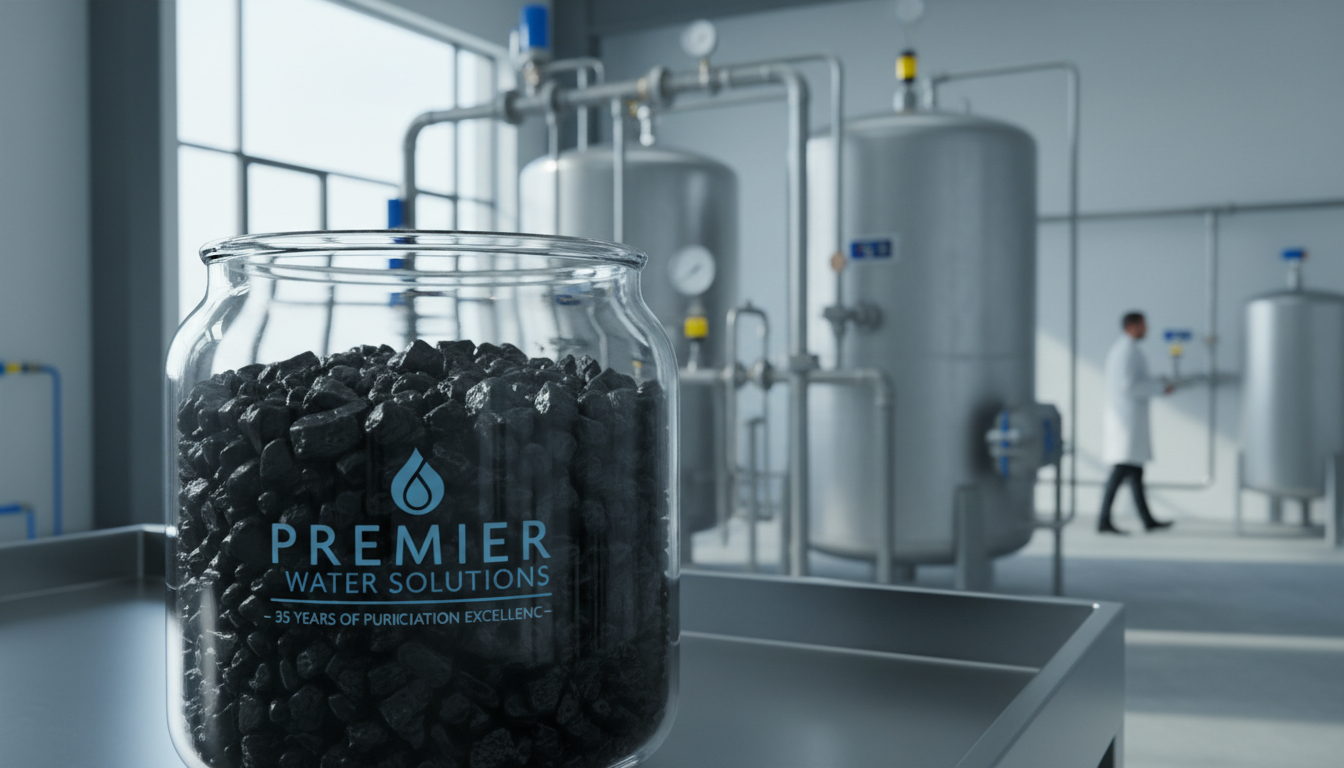
We’ve been producing activated carbon for over 35 years, and we know how confusing it can be to pick the right filtration solution for your needs. Whether you’re treating municipal water, purifying air, or extracting gold from ore, the type of carbon you choose makes a real difference in your results and operating costs.
At our facility in China’s “Carbon Capital,” we manufacture multiple types of activated carbon from different raw materials—each designed for specific applications. Our production lines handle everything from coconut shell activated carbon to coal-based options, with quality control systems that meet both Chinese national standards and ISO certifications.
What Makes Yanshan Different
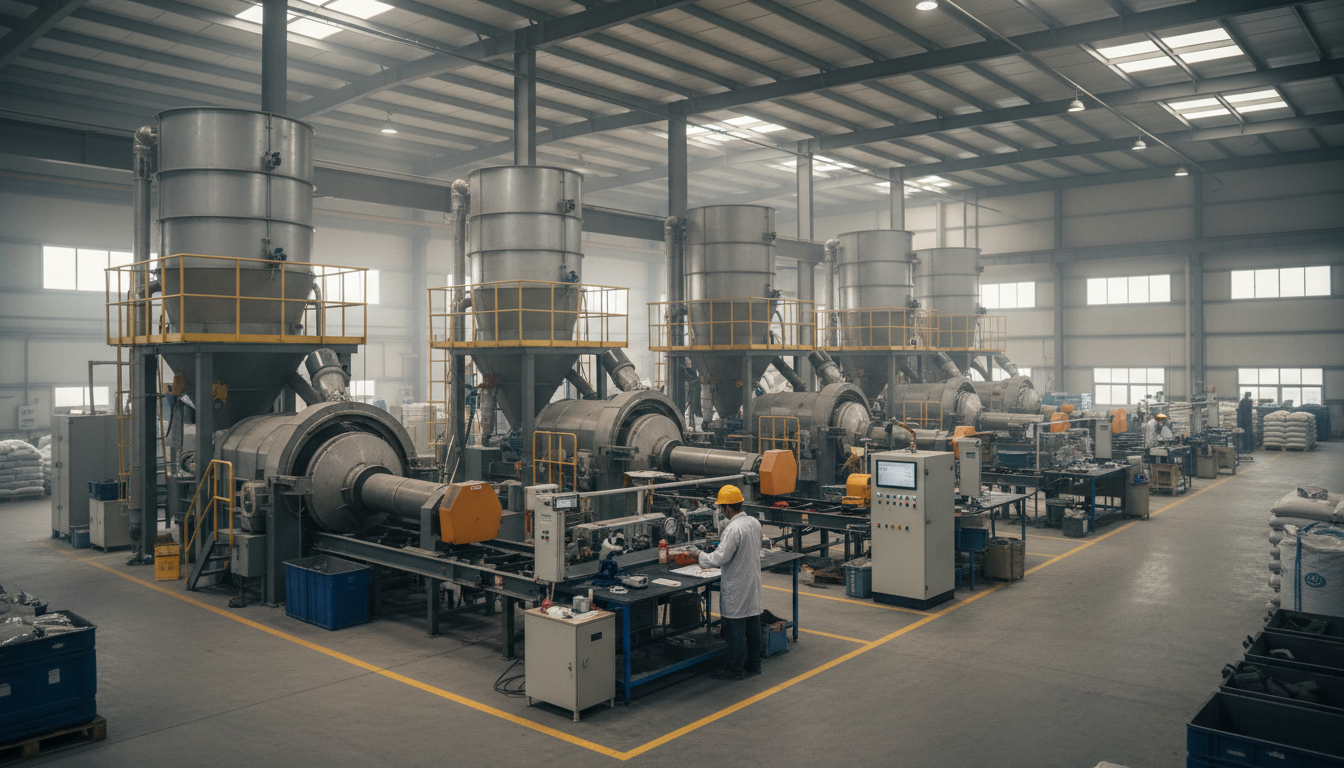
We operate six professional production lines across 26,000 square meters of manufacturing space. Our daily packaging capacity reaches 50 tons, which means we can handle bulk orders without compromising on delivery times. Companies like Samsung Electronics and Tesla Shanghai trust us with their filtration needs—that says something about our consistency.
Our location gives us direct access to premium raw materials. We source Southeast Asian coconut shells and local fruit shell resources, which helps us maintain stable pricing and supply chains. We’ve built relationships with growers over decades, so you don’t have to worry about sudden shortages or quality drops.
Types of Activated Carbon We Manufacture
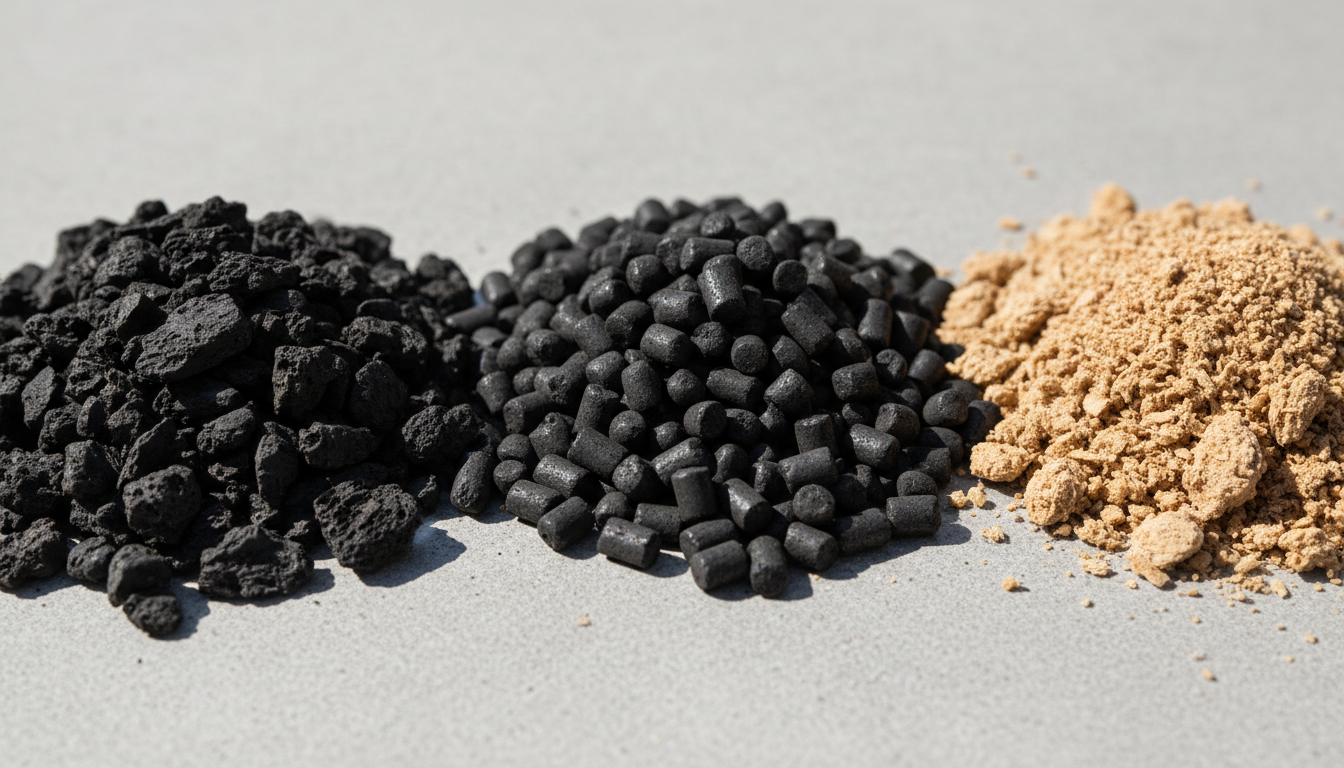
Not all carbon works the same way. The raw material determines the pore structure, which affects what contaminants it removes. Here’s what we produce:
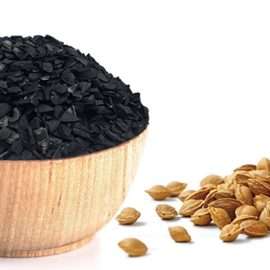
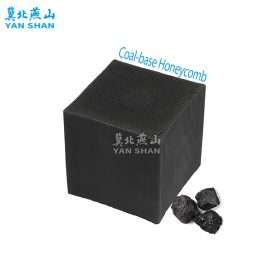
Coconut Shell Activated Carbon has micropores that excel at grabbing small molecules. The surface area is huge—about 1000-1200 m²/g. We offer both granular and powdered forms. This type handles VOCs, chlorine, and organic compounds better than other carbons. It’s renewable too—coconut trees produce shells three times a year.
Coal-Based Activated Carbon gives you a broader pore distribution. The mesopores work well for larger molecules and industrial applications where you need high durability. It costs less than coconut shell carbon, making it popular for large-scale wastewater treatment and gas purification.
Apricot Shell Activated Carbon sits between coconut and coal in terms of pore size. We produce it from agricultural byproducts, which makes it environmentally friendly. It performs well in food decolorization, beverage processing, and drinking water purification.
Wood Powder Activated Carbon has exceptional decolorizing properties. Sugar refineries and pharmaceutical companies use it for creating premium white products and removing color compounds.
Common Applications
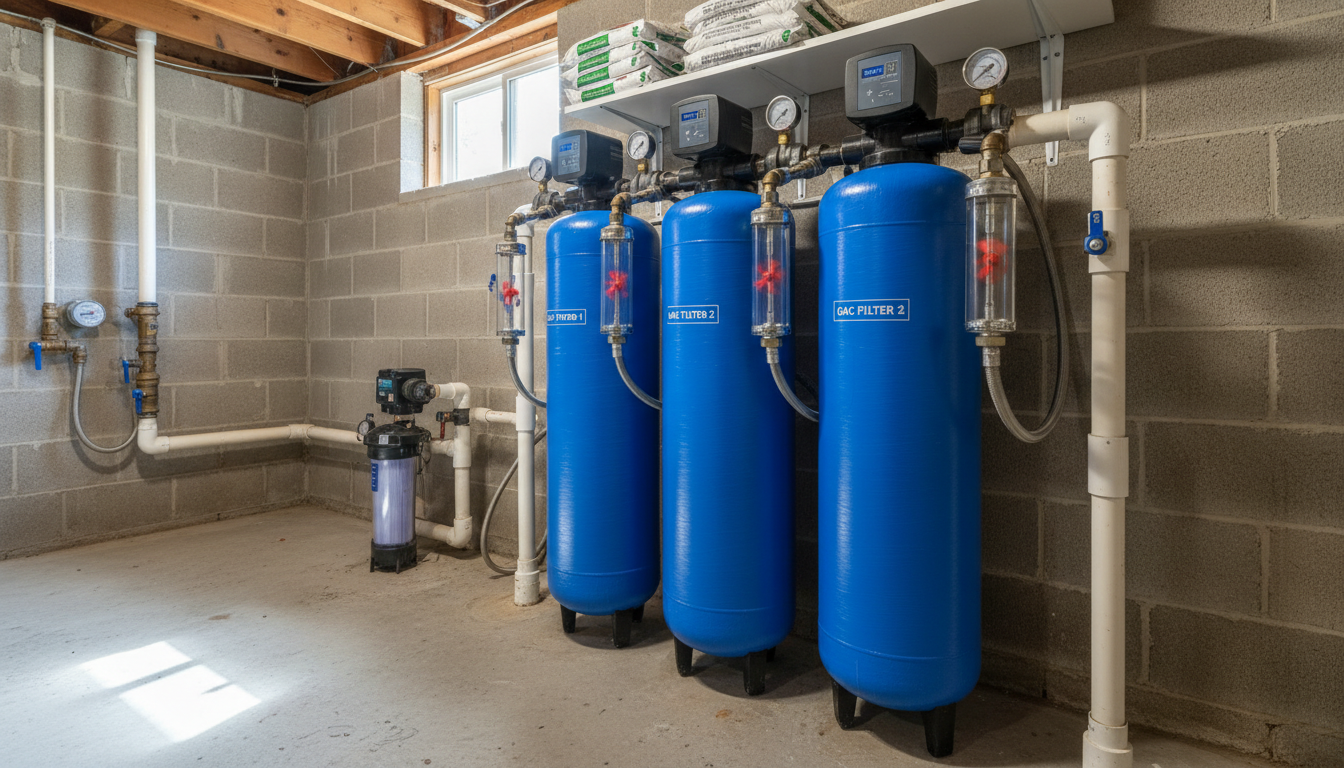
Our customers use our products across dozens of industries. Water treatment plants rely on our granular carbon to remove chlorine, trihalomethanes, and organic contaminants from municipal supplies. The high micropore content in our coconut shell carbon removes these compounds at lower doses, which cuts your operating costs.
Mining operations—especially gold recovery—need carbon that can handle repeated loading and regeneration cycles. Our coconut shell carbon for gold extraction has the hardness to survive CIP and CIL processes without breaking down. Concentrations as high as 4,000 to 8,000 grams of gold per tonne of carbon can be achieved.
Food and beverage producers need ultra-pure carbon with minimal ash content. Our food-grade options meet strict regulatory standards for beverage production, oil decolorization, and spirits purification. The physical activation process preserves desirable flavor compounds while removing harsh congeners.
Air purification systems use our pelletized carbon to remove odors, harmful gases, and industrial emissions. We can customize mesh sizes and pore distributions based on what you’re trying to filter.
How We Control Quality
Every batch goes through our laboratory before it ships. We test iodine number, hardness values, ash content, and moisture levels. Our quality management system follows GB/T 13803.2-1999 and ISO standards required by international customers.
We maintain consistent inventory and can provide trial quantities if you want to test performance in your specific conditions. Some customers request certificates of analysis for recent batches—we gladly provide detailed technical data.
How to Choose the Right Carbon Type
Your application determines which carbon works best. For drinking water and small molecule removal, coconut shell carbon outperforms coal-based options. It has 50% more micropores, which means higher capacity and longer service life before replacement.
For industrial wastewater with larger organic molecules, coal-based carbon handles the job at lower cost. The dense structure and mesopores work well for decolorization and removing heavy metals.
If you need flexibility between batches—like seasonal taste and odor issues—powdered carbon works better than granular. You can adjust doses based on pollution levels.
Why Raw Material Matters
Coconut shells are renewable and produce less ash than coal. They require less backwashing when you install a new bed and generate fewer fines during operation. The hardness number runs higher, which means less particle breakdown and dust.
Coal-based carbon took millions of years to form, making it non-renewable. But it offers cost advantages for large-scale applications where ultimate purity isn’t critical.
Apricot shells come from agricultural waste, reducing environmental burden. The medium density creates stable suspensions in liquid applications without excessive settling.
Working With Us
We handle both standard specifications and custom formulations. Our technical team can match product selection to your application requirements. We’ve developed specialized carbons for emerging needs like PFAS removal and pharmaceutical processing.
Our payment options include T/T, L/C, and platform settlements. We can provide OEM and ODM services if you need private labeling. Daily packaging capacity of 50+ tons means we meet bulk order deadlines.
We conduct regular follow-ups on product performance and provide market price trend analysis to help with your procurement decisions. That ongoing support makes a difference when you’re running continuous operations.
Conclusion
After 35+ years manufacturing activated carbon, we’ve learned that quality and consistency matter more than price alone. The right carbon type—matched to your specific contaminants and process conditions—saves money over time through better performance and longer service life.
Whether you need coconut shell carbon for drinking water, coal-based carbon for industrial processes, or specialty grades for gold recovery, we can supply it with the technical support and reliability your operations demand. Our location in China’s Carbon Capital, combined with ISO certification and Fortune 500 clients, gives you confidence in both product quality and supply chain stability.
Frequently Asked Questions
What’s the difference between coconut shell and coal-based activated carbon?
Coconut shell carbon has about 50% more micropores than coal-based carbon, making it better for removing small molecules like VOCs and chlorine. It’s renewable, produces less ash, and has higher hardness. Coal-based carbon costs less and works well for larger molecules and industrial wastewater. Your choice depends on what you’re filtering and your budget.
How often should activated carbon be replaced?
Replacement frequency depends on contaminant levels and water usage. Some filters last several years with low contamination, while heavy industrial use might need changes every few months. We recommend tracking performance indicators like breakthrough curves and pressure drops. Regular testing helps you replace carbon before it stops working effectively.
Can activated carbon remove all types of water contaminants?
No, activated carbon works best on organic compounds, chlorine, VOCs, and some heavy metals. It doesn’t remove dissolved minerals, salts, nitrates, or fluoride well. For those contaminants, you’ll need reverse osmosis or ion exchange systems. We can help you design a treatment train that combines different technologies.
What does iodine number tell you about activated carbon quality?
Iodine number measures micropore content and surface area. Higher numbers (900-1200 mg/g) mean more adsorption capacity. It’s the standard measure for liquid-phase applications. We provide iodine numbers with all our products so you can compare performance and predict service life for your specific application.
Is coconut shell activated carbon food-safe?
Yes, our food-grade coconut shell carbon meets regulatory standards for beverage and food applications. The physical activation process and low ash content make it safe for drinking water treatment, spirits purification, and food decolorization. We provide certificates confirming compliance with food safety requirements.