

Gold mines face a constant challenge: how to pull every possible ounce from ore while keeping costs reasonable. We’ve spent over 35 years helping operations around the world solve this problem, and honestly, the difference between good and great recovery often comes down to one thing—the quality of your activated carbon.
Our coconut shell activated carbon has become the go-to choice for mines running Carbon-in-Pulp (CIP), Carbon-in-Leach (CIL), and Carbon-in-Column (CIC) operations. But why does the carbon matter so much? And how do you pick the right one for your specific operation? Let’s break it down.
Why Activated Carbon Matters in Gold Recovery
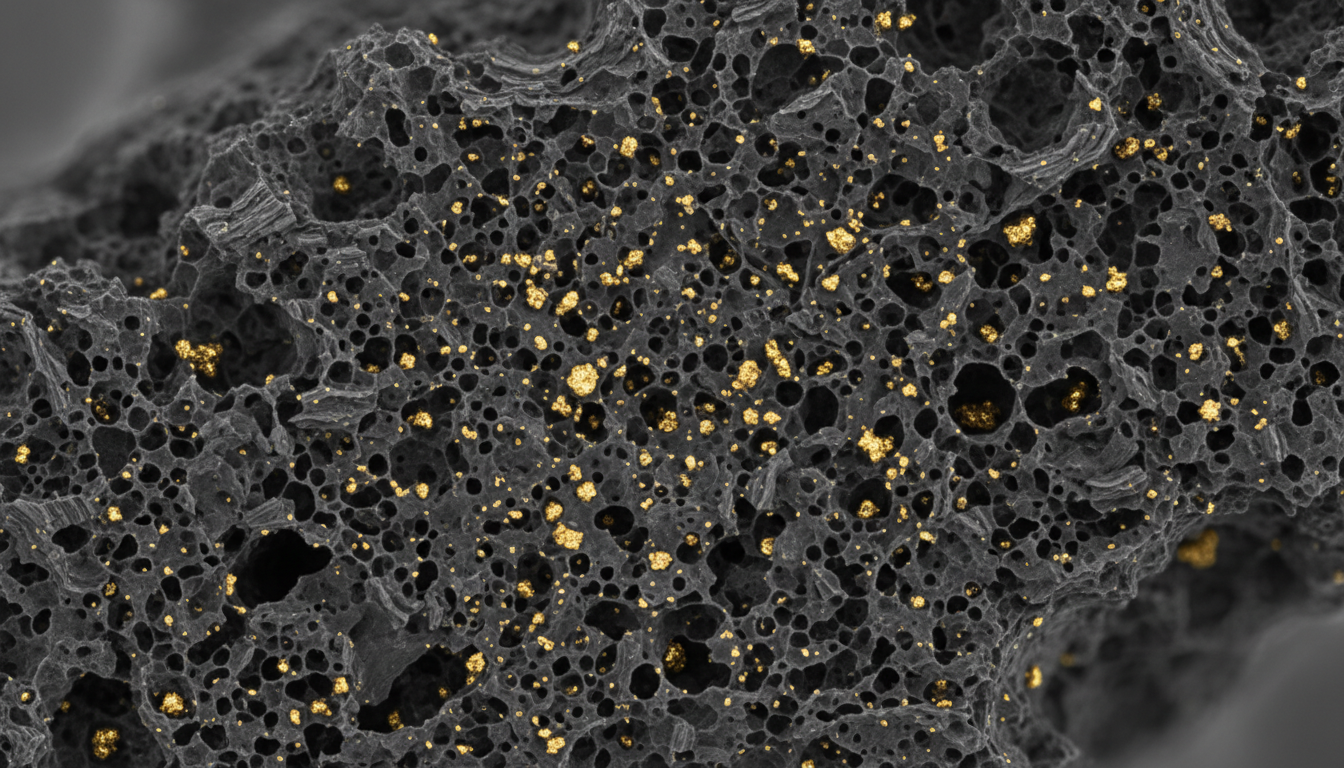
Think of activated carbon as a microscopic sponge with millions of tiny pores. When gold dissolves in cyanide solution during leaching, it forms a gold-cyanide complex. This complex gets trapped in those pores—that’s the magic of adsorption.
The better your carbon, the more gold you capture. Period. Mines using high-quality carbon can load 4,000 to 8,000 grams of gold per tonne of carbon. That’s real money we’re talking about.
But here’s the catch: not all carbon performs the same. Cheaper carbon might save you upfront, but when it breaks down during agitation, you lose both the carbon and the gold it’s carrying. We’ve seen operations increase recovery by 2-5% just by switching to higher-quality carbon. On a large-scale mine, that pays for itself fast.
The Three Main Gold Recovery Processes
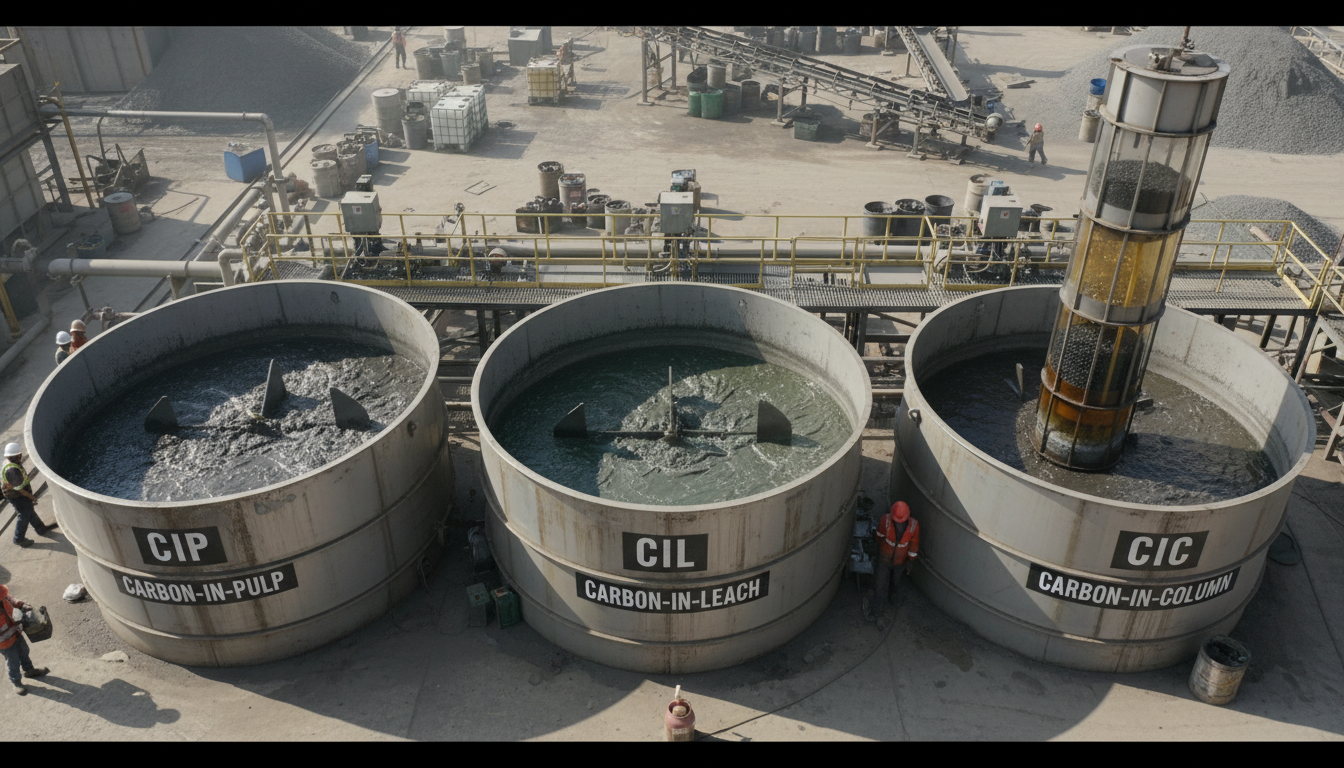
We work with mines using all three major carbon-based methods. Each has its sweet spot depending on your ore type and operation size.
Carbon-in-Pulp (CIP) separates leaching and adsorption into two steps. You leach the ore first with cyanide, then add carbon to grab the dissolved gold. This gives you more control over each step and works great for straightforward ores. CIP became popular in the early 1980s because it’s reliable and relatively simple to run.
Carbon-in-Leach (CIL) combines both steps. Carbon goes right into the leach tanks, so adsorption happens as soon as gold dissolves. This method shines when you’re dealing with problematic ores that contain natural carbon or other materials that compete for gold. The simultaneous process minimizes losses.
Carbon-in-Column (CIC) works differently—it’s typically paired with heap leaching. Dilute cyanide solution percolates through crushed ore piles, then flows through columns packed with activated carbon. It’s perfect for lower-grade ores and tailings reprocessing.
Our team can help you figure out which process fits your operation best. We’ve supplied carbon to operations running all three methods across Africa, South America, and Asia.
Why Coconut Shell Carbon Wins for Gold Mining
We produce activated carbon from several raw materials—coconut shells, apricot shells, and coal. But for gold recovery, coconut shell carbon dominates for good reasons.
Hardness makes the difference. Mining operations put carbon through brutal conditions—constant agitation, high temperatures during regeneration, chemical treatments. In those turbulent CIP and CIL tanks where carbon particles get tossed around constantly, weak carbon creates fines (tiny broken particles). Those fines represent lost carbon and lost gold.
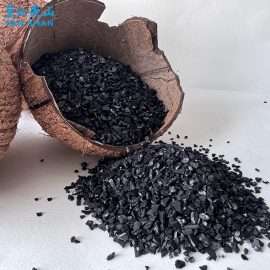
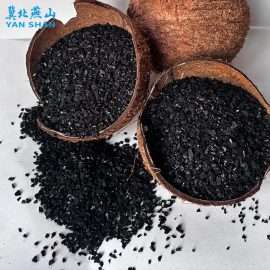
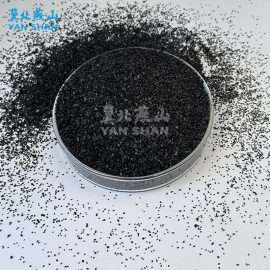
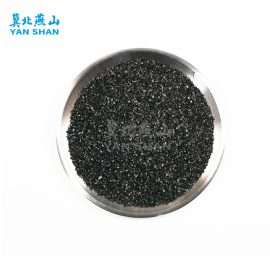
Our coconut shell carbon features hardness levels above 95%, with strength ratings reaching 98-99%. This means less breakage, less gold loss, and longer carbon life. We source premium coconut shells from Southeast Asia, selecting only mature shells with 5-8mm thickness. That density creates carbon that can take a beating.
The pore structure matters too. Coconut shell carbon develops an ideal microporous structure during activation—perfect for trapping gold-cyanide complexes. Our carbon delivers surface areas exceeding 1,400 m²/g, giving gold ions plenty of places to stick.
Regeneration capability saves money over time. After your carbon gets loaded with gold, you strip it through elution, then regenerate it for reuse. High-quality coconut shell carbon can go through 10-15 regeneration cycles before replacement. Lower-quality carbon might only last 3-5 cycles. That difference adds up.
What to Look for in Gold Recovery Carbon
Buying carbon for gold recovery isn’t like buying a commodity. The specs matter, and you need to know what you’re looking at. Here’s what we test and guarantee on every batch:
Iodine value indicates overall adsorption capacity. For gold recovery, look for minimum 1,000 mg/g, though 1,100-1,200 mg/g performs better. Our granular activated carbon consistently hits 1,150-1,200 mg/g.
Hardness/strength should exceed 95%. We target 97-99% because every percentage point reduces fines generation and gold losses. This specification gets tested rigorously in our quality control lab.
Attrition resistance measures how well carbon holds up during movement and agitation. We keep attrition below 4%, often achieving 1-2%. Lower attrition means less carbon makeup and higher gold retention.
Particle size distribution affects flow and screening. Common sizes for CIP/CIL include 6×12 mesh, 8×16 mesh, and 12×40 mesh. We can customize particle size to match your specific equipment and process needs.
Ash content should stay low—typically under 3-5%. Lower ash means purer carbon with more active sites for adsorption. Our rigorous raw material selection and processing keeps ash content minimal.
Moisture content matters for shipping weight and storage. We keep moisture at 2-5% for optimal handling and long shelf life.
Want to test before committing? We offer free samples so you can run your own trials. Many customers test 2-3 suppliers side-by-side before selecting. That’s smart business, and we encourage it.
How We Help Maximize Your Gold Recovery
Our relationship with mining operations doesn’t end when the carbon ships. We’ve learned that successful gold recovery depends on matching the right carbon specifications to your specific conditions.
We start by understanding your process. What’s your ore grade? What’s the cyanide concentration? Tank residence time? Carbon concentration? These factors all influence which carbon grade performs best. Our technical team has worked with enough operations to spot optimization opportunities quickly.
Process support matters. We help customers troubleshoot issues like slow loading rates, unexpected carbon losses, or inconsistent recovery. Sometimes a small adjustment in carbon particle size or concentration makes a significant difference. We’ve helped operations boost recovery without major capital investment—just better carbon selection and process tuning.
Quality consistency builds trust. Operating 6 advanced production lines across 26,000 square meters, we maintain strict quality control at every step. Our ISO9001:2015 certification isn’t just a certificate on the wall—it drives our daily operations. Every batch gets tested against specifications before shipping.
Global reach with local support. We’ve partnered with Fortune 500 companies like Samsung Electronics and Tesla Shanghai, but we also work with medium-sized mining operations. Our export experience means we understand logistics, documentation, and delivery timelines. We ship worldwide and can arrange sampling, technical visits, and ongoing support.
Check out our complete guide to activated carbon for more details on our production capabilities and quality standards.
Real-World Performance and Cost Savings
Let’s talk numbers. A typical gold mine using 50 tonnes of carbon per year might pay $2,000-3,500 per tonne depending on specifications. Cheap carbon at $1,800 per tonne looks attractive until you factor in the hidden costs.
If cheap carbon generates 8% fines versus 2% fines from quality carbon, you’re losing 3 tonnes of carbon annually. That’s $5,400-10,500 in carbon replacement costs alone. But the bigger hit comes from gold losses—those fines carry adsorbed gold that goes to tailings instead of your refinery.
On a mine processing ore with 2 grams per tonne gold content at 10,000 tonnes per day, a 1% improvement in recovery equals roughly 200 ounces of gold per month. At current prices, that’s $400,000-500,000 annually. The carbon cost difference becomes irrelevant compared to the recovery improvement.
Regeneration cycles matter too. If quality carbon lasts 12 regeneration cycles versus 5 cycles for cheaper alternatives, your annual carbon consumption drops by more than half. That’s significant savings on both carbon purchases and regeneration costs.
Our customers report payback periods of 3-6 months when switching from lower-grade carbon to our premium coconut shell products. The numbers work because gold recovery is all about maximizing what you extract from every tonne of ore.
Conclusion
Gold recovery success starts with choosing the right activated carbon. After 35 years in this business, we’ve seen how quality carbon translates directly to better recovery rates, lower operating costs, and higher profitability.
Our coconut shell activated carbon delivers the hardness, pore structure, and consistency that modern gold mining operations need. Whether you’re running CIP, CIL, or CIC processes, we can supply carbon specifications matched to your requirements.
The carbon market offers lots of choices. Some good, some not so much. We focus on delivering consistent quality backed by technical support and global logistics capability. Our customers stick with us because the carbon performs and our team responds when they need help.
Ready to see if our carbon can boost your recovery rates? Contact us for technical specifications, pricing, or free samples. We’ll work with you to find the right solution for your operation.
FAQs
What’s the difference between CIP and CIL for gold recovery?
CIP (Carbon-in-Pulp) separates leaching and adsorption into two distinct stages—first you leach the gold with cyanide, then add carbon to adsorb it. CIL (Carbon-in-Leach) combines both steps by adding carbon directly to the leach tanks, so adsorption happens simultaneously with gold dissolution. CIL typically offers slightly higher recovery rates but CIP gives you more process control. Your ore characteristics usually determine which works better.
Why is coconut shell carbon better than coal-based carbon for gold mining?
Coconut shell carbon offers superior hardness (95-99% versus 85-92% for coal), which dramatically reduces fines generation during the harsh agitation in CIP/CIL tanks. It also develops a more uniform microporous structure ideal for gold-cyanide complex adsorption. The higher attrition resistance means less carbon loss and less gold loss. While coal-based carbon costs less upfront, coconut shell carbon delivers better overall economics through higher recovery and longer regeneration life.
How many times can activated carbon be regenerated in gold recovery?
High-quality coconut shell activated carbon can typically be regenerated 10-15 times before performance degrades significantly. Each regeneration cycle involves thermal reactivation at 800-950°C to burn off contaminants and restore adsorption capacity. Lower-quality carbon might only last 3-5 cycles. The regeneration capability depends on carbon hardness, ash content, and process conditions. Proper regeneration technique matters too—overheating or insufficient residence time reduces carbon life.
What particle size works best for CIP and CIL processes?
Most CIP and CIL operations use 6×12 mesh, 8×16 mesh, or 12×40 mesh granular activated carbon. The 6×12 and 8×16 mesh sizes (larger particles) offer easier screening and lower pressure drop but slightly slower adsorption kinetics. The 12×40 mesh (smaller particles) provides faster adsorption rates but can be harder to separate from slurry. Your specific tank design, screen type, and residence time influence the optimal size. We can recommend the right size based on your equipment setup.
How do I know if my current activated carbon is performing well?
Watch three key indicators: gold loading on carbon (should reach 3,000-8,000 grams per tonne), fines generation rate (should be under 4-5% of inventory), and recovery rate consistency. If you’re seeing variable recovery, high carbon consumption, or increased tailings grades, your carbon quality might be the issue. Request batch test certificates from your supplier and consider running side-by-side trials with alternative carbon. Our technical team can help analyze your operation and identify optimization opportunities.