
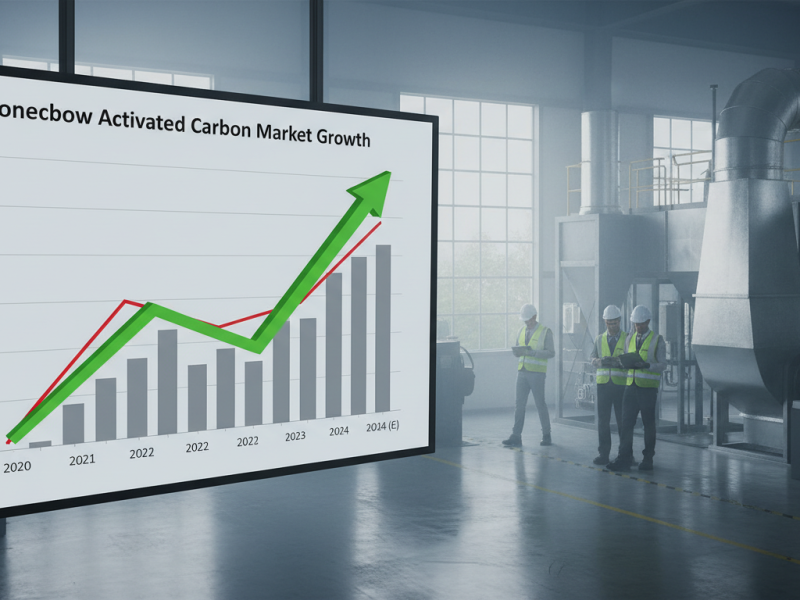
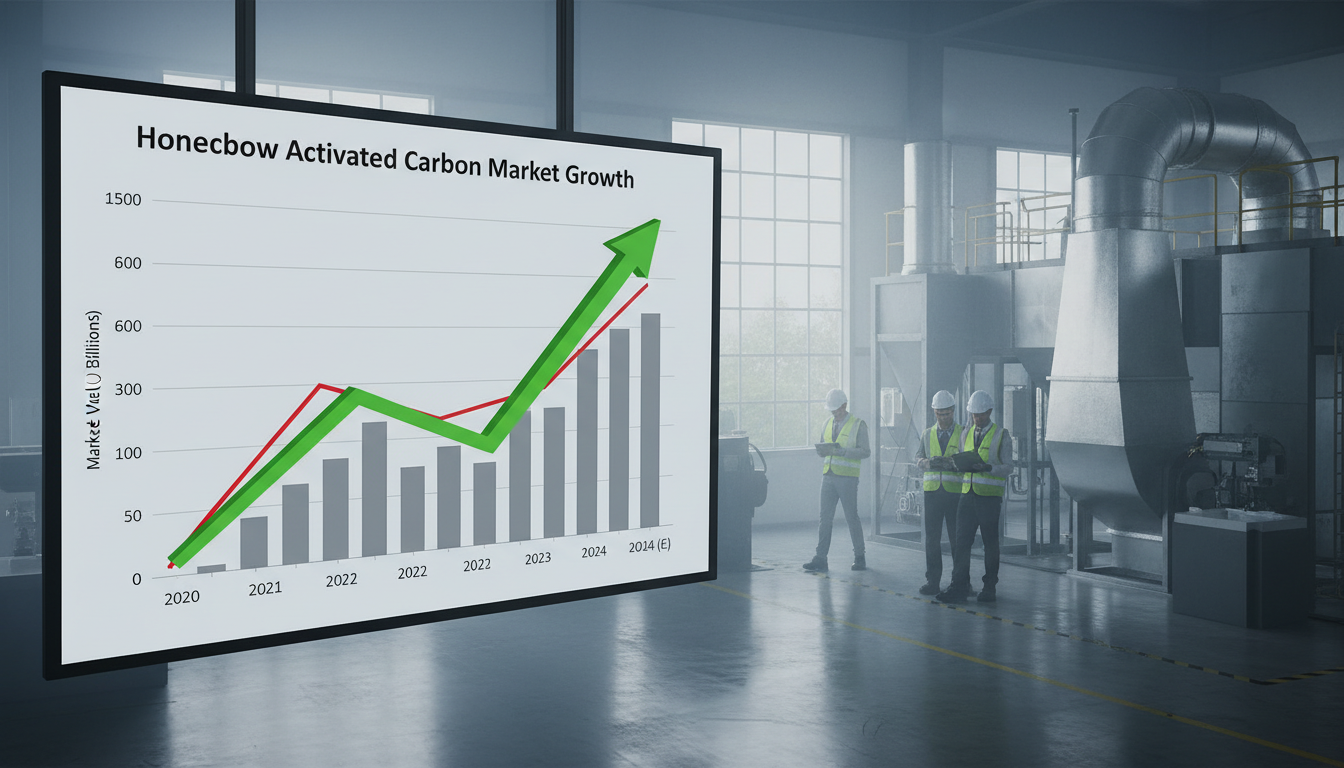
The honeycomb activated carbon market has been experiencing significant momentum in recent years, driven by increasing environmental regulations and growing awareness about air pollution control. As industries worldwide search for effective solutions to meet stringent emission standards, honeycomb activated carbon has emerged as a go-to material for air purification and gas treatment applications. We’re seeing this specialized form of activated carbon gain traction across multiple sectors, from automotive to industrial manufacturing, thanks to its unique structural design that offers superior gas flow properties and high adsorption efficiency.
What sets honeycomb activated carbon apart from traditional activated carbon forms is its distinctive cellular structure, which resembles a bee’s honeycomb. This design maximizes surface area while minimizing pressure drop, making it ideal for continuous air treatment systems. At Yanshan Carbon, we understand the critical role this material plays in modern filtration systems, and we’ve seen firsthand how demand continues to surge as businesses prioritize cleaner air and sustainable operations.
What Is Honeycomb Activated Carbon?
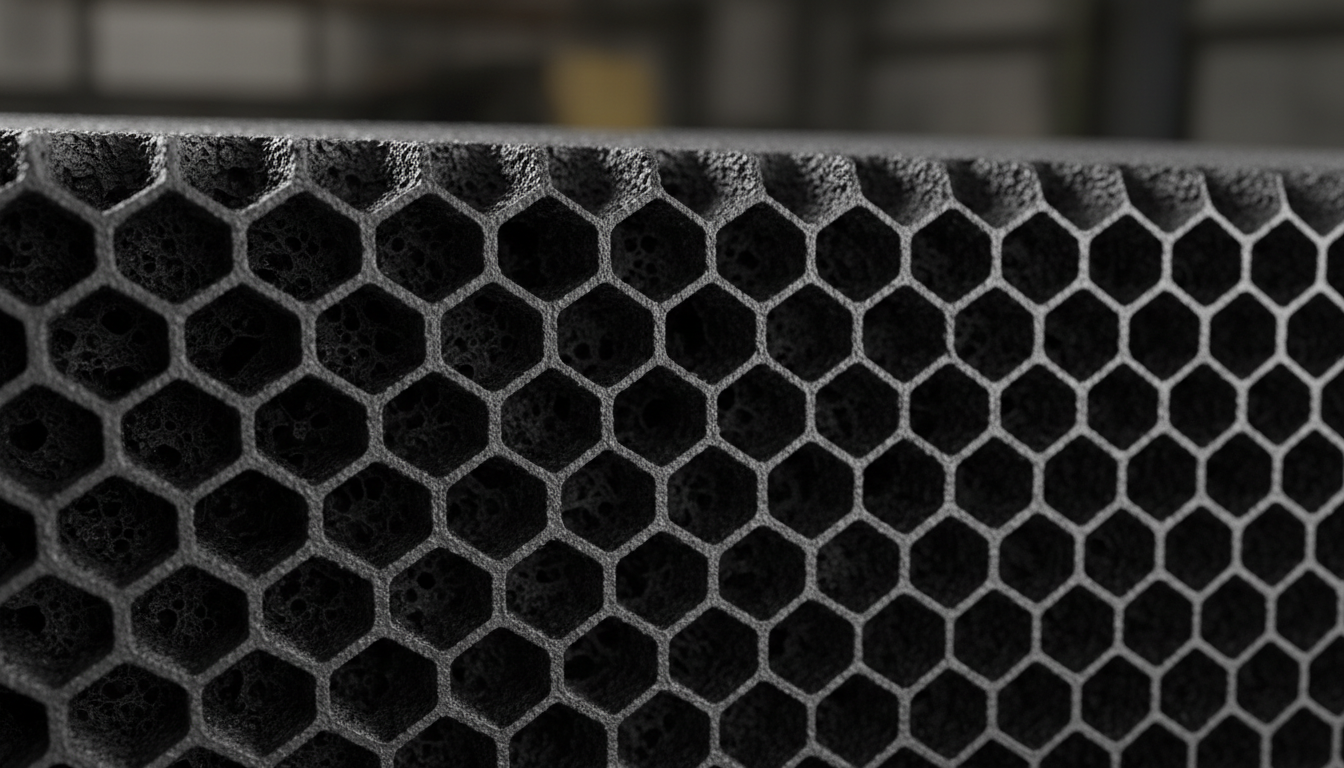
Honeycomb activated carbon is a specially engineered adsorbent material characterized by its unique honeycomb-shaped structure with parallel channels running through its body. Unlike granular or powdered forms of activated carbon, this configuration provides a large surface area for adsorption while allowing gases to flow through with minimal resistance. The material is typically produced from coal, coconut shell, or wood-based raw materials through a process of carbonization and activation.
The honeycomb structure is created by extruding activated carbon powder mixed with binders into a specific mold, followed by drying and high-temperature activation. This manufacturing process results in a rigid monolithic block with thousands of tiny parallel channels, each acting as a pathway for contaminated air to pass through. The walls of these channels are highly porous, containing millions of microscopic pores that trap pollutants, volatile organic compounds (VOCs), and other harmful gases through physical and chemical adsorption.
What makes this material particularly effective is its high geometric surface area combined with low pressure drop characteristics. Traditional coal-based activated carbon in granular form can create significant back pressure in ventilation systems, but honeycomb activated carbon maintains efficient airflow while still delivering excellent purification performance. This makes it the preferred choice for applications requiring continuous operation and high gas flow rates, such as industrial exhaust treatment, solvent recovery systems, and automotive emission control.
Global Honeycomb Activated Carbon Market Size and Growth
The global honeycomb activated carbon market is experiencing robust growth, with market valuations reaching billions of dollars and projections showing continued expansion through 2030. The market is driven by increasing industrialization, stringent environmental regulations, and growing awareness about air quality management.
Market research indicates that the Asia-Pacific region dominates the honeycomb activated carbon market, accounting for the largest share due to rapid industrial development in countries like China, India, and Japan. North America and Europe also represent significant markets, driven by strict emission standards and established industrial infrastructure. The United States in particular has seen steady demand growth as industries work to comply with Environmental Protection Agency (EPA) regulations regarding VOC emissions and air quality standards.
Key Market Statistics:
| Region | Market Share | Growth Rate (CAGR) | Key Drivers |
|---|---|---|---|
| Asia-Pacific | 40-45% | 7-9% | Industrial expansion, urbanization |
| North America | 25-30% | 5-7% | Regulatory compliance, emission standards |
| Europe | 20-25% | 6-8% | Environmental policies, green initiatives |
| Rest of World | 5-10% | 8-10% | Emerging industrial sectors |
The compound annual growth rate (CAGR) for the honeycomb activated carbon market is estimated to remain strong through the next decade, with some analysts projecting growth rates between 6% and 9% depending on regional factors and application segments. This growth is being fueled by expanding applications beyond traditional industrial uses, including increased adoption in residential air purification systems and specialized applications in the healthcare and pharmaceutical sectors.
Key Applications Driving Market Demand
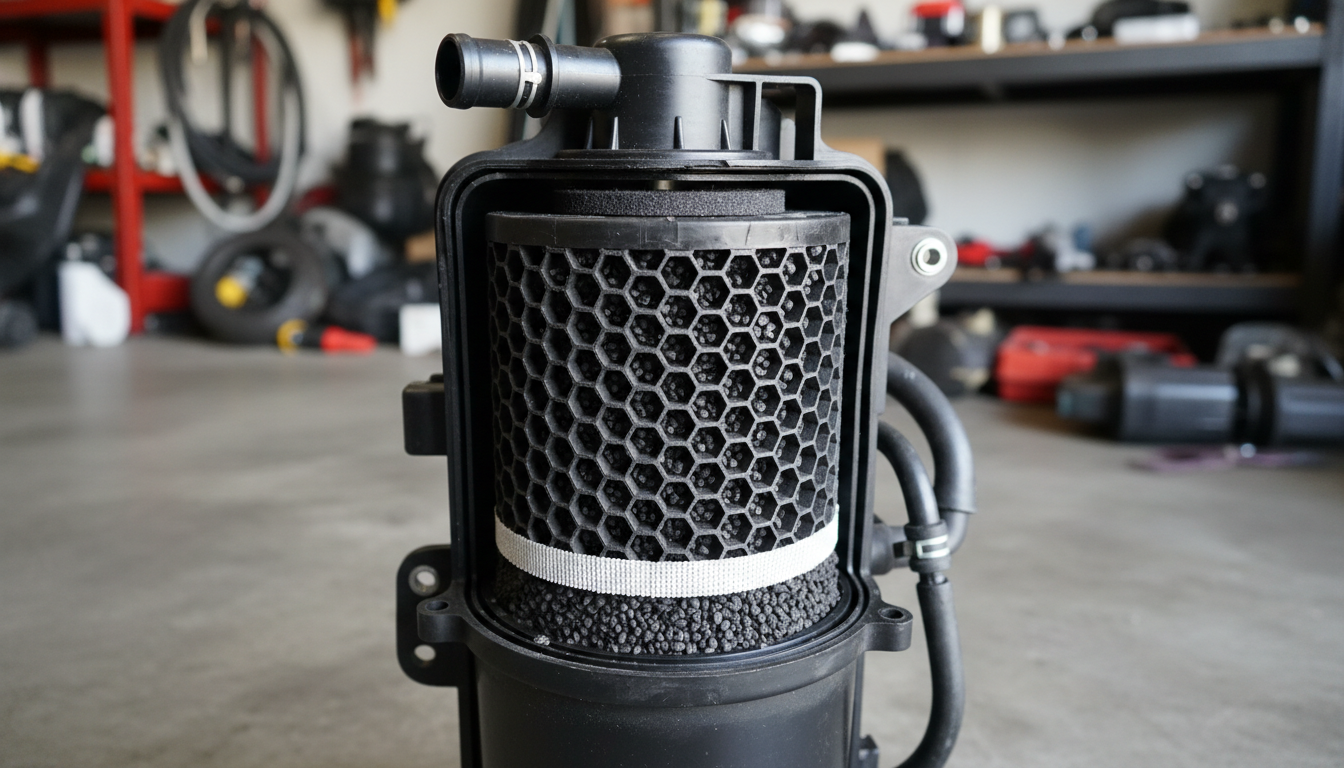
The versatility of honeycomb activated carbon has led to its adoption across numerous industries, each contributing to overall market expansion. The primary applications can be categorized into several major segments, each with distinct requirements and growth trajectories.
Industrial Air Purification remains the largest application segment, accounting for approximately 40-50% of total market demand. Manufacturing facilities, chemical plants, and petrochemical complexes use honeycomb activated carbon to remove harmful VOCs, sulfur compounds, and other pollutants from exhaust streams before releasing them into the atmosphere. The material’s ability to handle high gas volumes with minimal pressure drop makes it ideal for these continuous-operation applications.
Automotive Emission Control represents another significant and rapidly growing segment. Modern vehicles, particularly in markets with strict emission standards like California and the European Union, incorporate honeycomb activated carbon in evaporative emission control systems (EVAP). These systems capture fuel vapors from the gas tank and fuel system, preventing them from escaping into the atmosphere. As global automotive emission standards become more stringent, this application segment is expected to see accelerated growth.
Solvent Recovery Systems utilize honeycomb activated carbon to capture and recover valuable solvents used in printing, painting, coating, and pharmaceutical manufacturing processes. This application not only helps companies meet environmental regulations but also provides economic benefits by recovering and reusing expensive solvents. The dual benefit of environmental compliance and cost savings makes this application particularly attractive to manufacturers.
Additional growing applications include gas mask filters, cleanroom air purification, food processing facilities, and specialized laboratory air treatment systems. The material’s effectiveness at removing odors has also led to increased use in wastewater treatment facilities and composting operations, where odor control is a primary concern.
Top Manufacturers and Key Players
The honeycomb activated carbon market features several established manufacturers with global reach and specialized production capabilities. Understanding the competitive landscape helps buyers identify reliable suppliers and assess market dynamics.
Leading global manufacturers include companies from China, Japan, the United States, and Europe, each bringing distinct strengths to the market. Chinese manufacturers have gained significant market share due to competitive pricing and large-scale production capabilities, while Japanese companies are known for high-quality products and technological innovation. American and European manufacturers typically focus on specialized applications and premium product segments.
These manufacturers differentiate themselves through various factors including raw material selection, activation processes, pore size distribution optimization, and customization capabilities. Some specialize in coconut shell activated carbon based honeycomb products, which offer excellent hardness and renewable sourcing, while others focus on coal-based varieties that provide cost advantages for large-volume applications.
The competitive landscape also includes numerous regional players and specialized manufacturers serving niche markets or specific geographic regions. These companies often compete on technical service, customization capabilities, and rapid delivery rather than price alone. Many end-users work with multiple suppliers to ensure supply chain security and access to different product specifications for various applications.
Market consolidation has occurred through strategic acquisitions and partnerships, with larger players acquiring specialized manufacturers to expand their product portfolios and geographic reach. This trend is expected to continue as the market matures and companies seek economies of scale and technological advantages.
Factors Influencing Market Growth
Several interconnected factors are propelling the honeycomb activated carbon market forward, creating favorable conditions for sustained expansion. Understanding these drivers helps stakeholders anticipate market trends and make informed business decisions.
Regulatory Pressure stands out as perhaps the single most important growth driver. Governments worldwide are implementing increasingly strict air quality standards and emission limits for industrial facilities and vehicles. The U.S. Clean Air Act, European Union’s Industrial Emissions Directive, and China’s environmental protection policies all mandate significant reductions in VOC emissions and other air pollutants. Honeycomb activated carbon provides an effective, proven technology for meeting these requirements, driving adoption across regulated industries.
Growing Environmental Awareness among consumers and businesses has created market pull for cleaner production processes and air treatment solutions. Companies face pressure from customers, investors, and the public to demonstrate environmental responsibility. This has led many organizations to voluntarily implement air treatment systems that exceed minimum regulatory requirements, expanding the addressable market for honeycomb activated carbon beyond just compliance-driven purchases.
Technological Advancements in manufacturing processes have improved product performance while reducing costs. Innovations in raw material preparation, binder formulations, and activation techniques have yielded honeycomb activated carbon with higher adsorption capacity, greater mechanical strength, and longer service life. These improvements enhance the value proposition for end-users by reducing total cost of ownership through extended replacement cycles and improved efficiency.
Industrial Expansion in Emerging Markets continues to create new demand, particularly in Asia, Latin America, and parts of Africa. As these regions develop industrial capacity in sectors like automotive manufacturing, chemical processing, and electronics production, they simultaneously implement air quality management systems that incorporate honeycomb activated carbon. This geographic expansion of industrial activity represents a significant long-term growth opportunity for the market.
Counterbalancing these growth drivers are certain challenges including raw material availability, price volatility, and competition from alternative air treatment technologies like thermal oxidation and biofilters. However, the unique advantages of honeycomb activated carbon in terms of energy efficiency, operating costs, and versatility suggest that the material will maintain its strong market position.
Raw Materials and Production Considerations
The quality and characteristics of honeycomb activated carbon depend heavily on raw material selection and manufacturing processes. Understanding these factors helps buyers evaluate products and manufacturers assess production strategies.
Raw Material Sources primarily include coal, coconut shells, wood, and to a lesser extent, petroleum pitch and synthetic polymers. Each raw material imparts distinct characteristics to the final product. Coal-based honeycomb activated carbon typically offers excellent mechanical strength and high density, making it suitable for high-pressure applications and extended service life. Coconut shell granular activated carbon serves as the base material for products with extremely high hardness and micropore volume, ideal for capturing small molecules and providing long service intervals.
Wood-based materials, including specialized feedstocks like apricot shell activated carbon, create products with larger pore structures that excel at adsorbing larger molecular weight compounds. The choice of raw material depends on the target application, required pore size distribution, mechanical strength needs, and cost considerations.
Manufacturing Process begins with converting the raw material into powdered activated carbon through carbonization and activation. This powder is then mixed with binders (often organic compounds or clays) and extruded through specially designed dies that create the honeycomb structure. The green (unfired) honeycomb blocks are carefully dried to remove moisture without causing cracks or deformation, then subjected to high-temperature treatment that activates the carbon and burns away the binder, leaving a rigid, highly porous structure.
Critical production parameters include extrusion pressure, binder type and concentration, drying temperature and duration, and activation temperature and atmosphere. Small variations in these parameters can significantly impact product performance characteristics like adsorption capacity, mechanical strength, pressure drop, and service life. Leading manufacturers invest heavily in process control and quality assurance to ensure consistent product quality.
Market Challenges and Opportunities
While the honeycomb activated carbon market shows strong growth prospects, it also faces several challenges that could impact future development. Simultaneously, emerging opportunities present avenues for innovation and market expansion.
Supply Chain Vulnerabilities have become more apparent in recent years, with raw material availability and transportation disruptions affecting product availability and pricing. Coconut shell supplies depend on agricultural production in specific geographic regions, while coal-based products face increasing scrutiny due to sustainability concerns. Manufacturers are responding by diversifying raw material sources, developing alternative feedstocks, and establishing regional production facilities to mitigate supply chain risks.
Price Sensitivity in certain market segments limits adoption, particularly in developing regions and price-competitive industries. While honeycomb activated carbon offers excellent performance, the initial investment can be substantial for large-scale installations. This creates opportunities for manufacturers to develop economy product lines that balance performance with affordability, potentially opening new market segments.
Regeneration and Disposal present both challenges and opportunities. Spent honeycomb activated carbon requires proper disposal or regeneration to avoid environmental issues. The development of effective regeneration technologies that restore adsorption capacity without degrading the honeycomb structure could significantly reduce operating costs and improve sustainability. Some manufacturers and service companies are investing in thermal regeneration systems and take-back programs, creating circular economy business models.
Emerging Applications represent significant growth opportunities. Indoor air quality concerns, particularly following increased awareness of airborne contaminants and pathogens, have created demand for advanced air purification systems in residential, commercial, and institutional settings. Honeycomb activated carbon’s efficiency and low pressure drop make it suitable for these applications, potentially opening substantial new market segments beyond traditional industrial uses.
FAQs
What makes honeycomb activated carbon different from granular activated carbon?
Honeycomb activated carbon features a unique monolithic structure with parallel channels that allow gases to flow through with minimal pressure drop, whereas granular activated carbon consists of loose particles that create higher back pressure. The honeycomb design provides superior gas flow characteristics and is easier to handle and install in continuous air treatment systems. Granular activated carbon offers advantages in certain liquid-phase applications and when frequent replacement or regeneration is required.
How long does honeycomb activated carbon last before replacement?
The service life of honeycomb activated carbon varies significantly based on application conditions, including pollutant concentration, gas flow rate, humidity, and temperature. In typical industrial applications, honeycomb activated carbon may last anywhere from 6 months to 3 years before requiring replacement or regeneration. Applications with lower pollutant concentrations and optimal operating conditions can achieve longer service intervals, while high-concentration or challenging environments may necessitate more frequent replacement.
Can honeycomb activated carbon be regenerated and reused?
Yes, honeycomb activated carbon can be regenerated through thermal treatment processes that burn off adsorbed contaminants and restore adsorption capacity. However, regeneration must be carefully controlled to avoid damaging the honeycomb structure. Typically, honeycomb activated carbon can undergo 3-5 regeneration cycles before performance degradation requires replacement. Some manufacturers and service providers offer regeneration services, making this option economically attractive for large-volume users.
Which industries are the biggest users of honeycomb activated carbon?
The automotive industry ranks among the largest consumers, using honeycomb activated carbon in emission control systems. Chemical and petrochemical manufacturing facilities represent another major user segment, employing the material for VOC removal and air quality management. Other significant industries include printing and coating operations, pharmaceutical manufacturing, electronics production, and paint manufacturing. Emerging applications in commercial buildings and residential air purification are also contributing to growing demand.
What factors should I consider when selecting a honeycomb activated carbon supplier?
Key selection criteria include product quality consistency, technical support capabilities, customization options, and delivery reliability. Evaluate the supplier’s raw material sources and manufacturing processes to ensure they align with your performance requirements and sustainability goals. Consider whether the supplier offers testing services, application engineering support, and after-sales service. Pricing should be evaluated in terms of total cost of ownership, including product lifespan and performance efficiency, rather than just initial purchase price. Finally, assess the supplier’s financial stability and market reputation to ensure long-term partnership viability.