Finding the right wood activated carbon suppliers can make all the difference when you need high-quality filtration and purification solutions for your business. Whether you’re in the food and beverage industry, water treatment, pharmaceuticals, or environmental protection, wood-based activated carbon offers unique benefits that set it apart from coal or coconut shell alternatives. But with so many suppliers out there, how do you know which one to trust?
We’ve put together this guide to help you understand what wood activated carbon is, why it matters, and how to find suppliers who can meet your specific needs. Let’s dive into everything you need to know about sourcing this versatile material.
What Is Wood Activated Carbon?
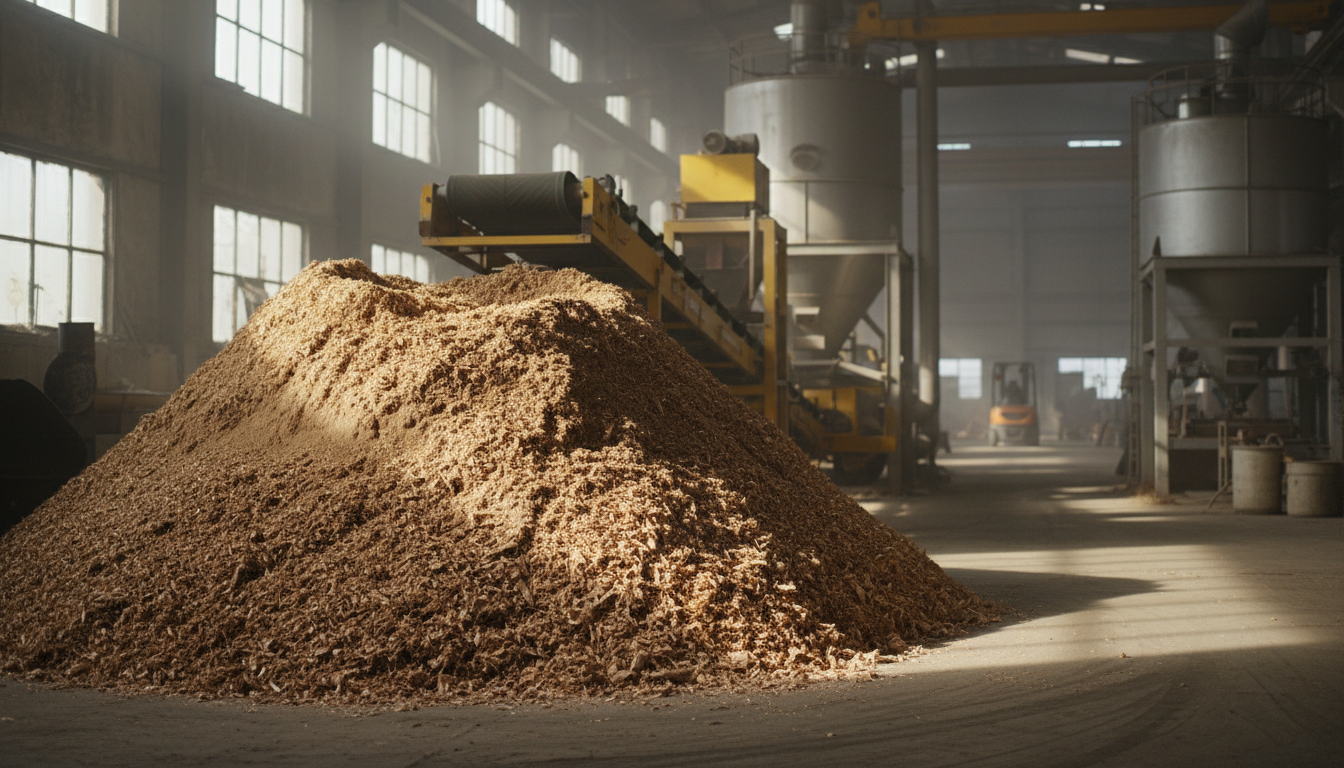
Wood based activated carbon is produced from selected types of wood and sawdust. This type of carbon is produced by either steam or phosphoric acid activation. Unlike other types of activated carbon, wood-based varieties come from renewable raw materials, making them an eco-friendly choice for businesses looking to reduce their environmental footprint.
The production process transforms ordinary wood into a highly porous material with exceptional adsorption capabilities. Wood base phosphoric acid activation can yield carbon with a very high surface area, ranging from 1500-2500 m2/g. This massive surface area is what gives wood activated carbon its powerful purification properties.
When sourcing from wood powder activated carbon suppliers, you’ll typically find the product available in three main forms: granular, pelletized, or powder. Each form serves different applications, so understanding your specific needs before contacting suppliers is helpful.
Wood-Based Activated Carbon vs Other Types
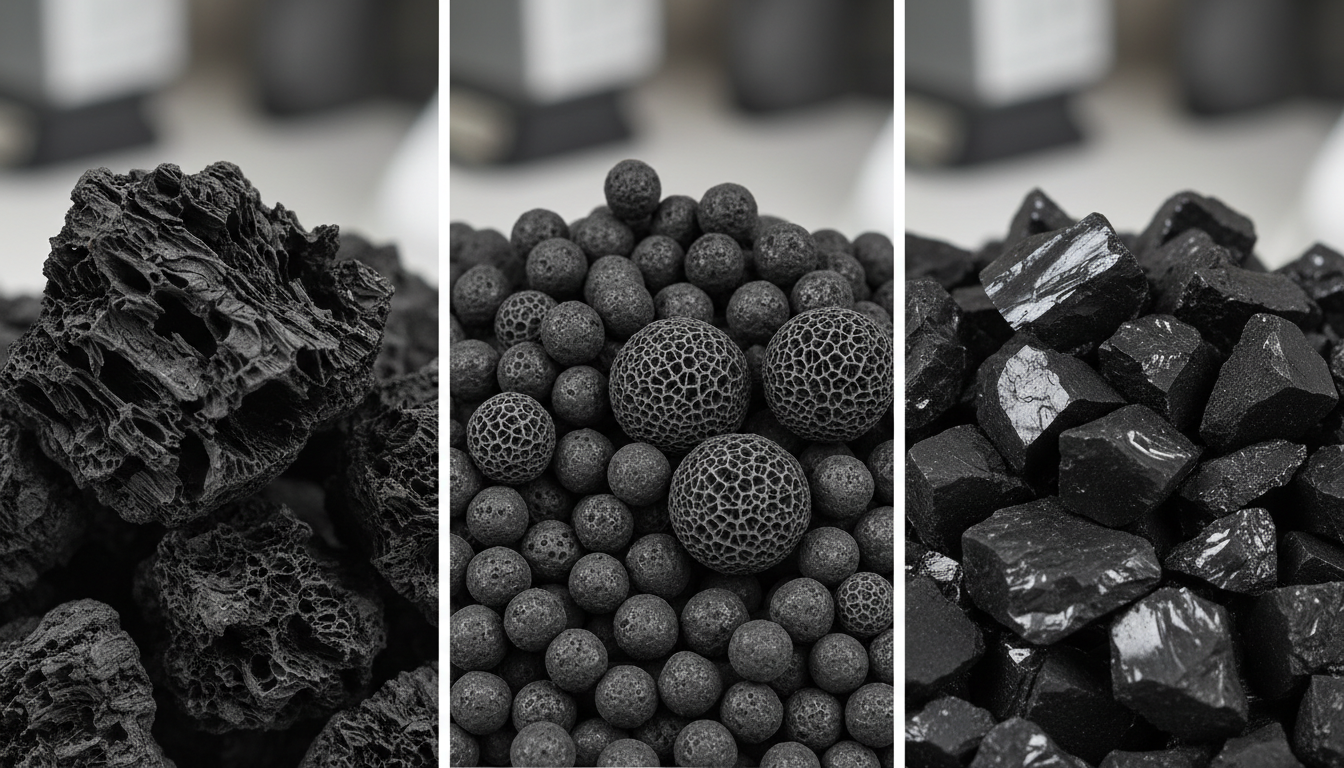
The significant difference between wood and carbon or coconut based activated carbon is the large pore size, making it suitable for macromolecules. This unique characteristic makes wood-based activated carbon particularly effective for certain applications where other types might fall short.
Most pores in wood based carbon are in the meso and macro pore region which is ideal for decolorization of liquids and water. This pore structure gives wood activated carbon a distinct advantage when dealing with larger molecular compounds. Coal-based carbons, for instance, contain more micropores, while coconut shell carbons have very high surface areas but smaller pore sizes.
Key Differences:
- Pore Structure: Wood-based carbons have larger mesopores and macropores compared to coconut shell or coal-based alternatives
- Purity: Wood carbons typically offer better purity levels, making them ideal for food-grade and pharmaceutical applications
- Environmental Impact: As a renewable resource, wood-based activated carbon is more sustainable than coal-based options
- Cost: Generally positioned between coconut shell (higher cost) and coal-based (lower cost) options
When shopping around different activated carbon suppliers, ask about these characteristics to ensure you’re getting the right type for your application.
Main Applications of Wood-Based Activated Carbon
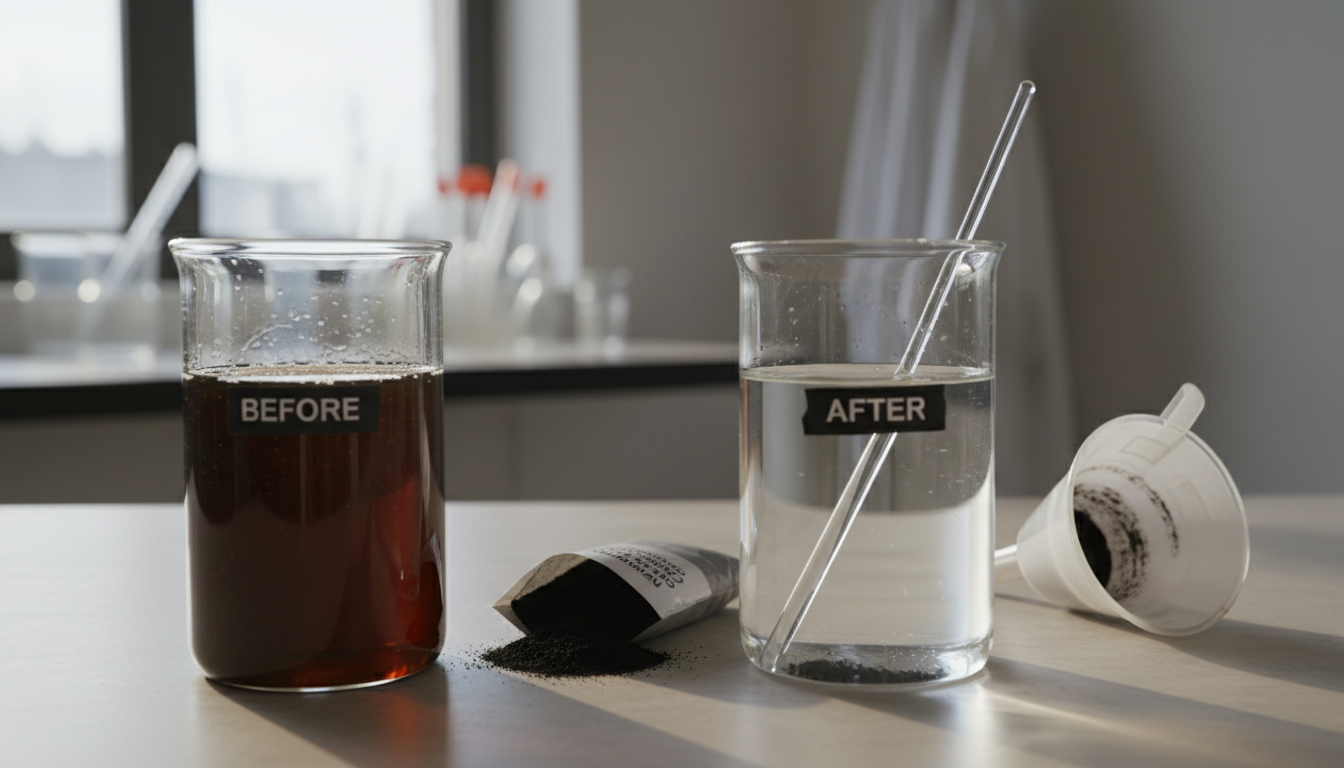
Acticarbone® and Anticromos® activated carbon, powder or granular, are used for decolorization, purification and decontamination. Wood based activated carbon are particularly pure and suited to specialty applications. The versatility of wood activated carbon makes it valuable across numerous industries.
Water Treatment and Purification
Wood base carbon is primarily used in surface water and wastewater filters to remove organic impurities and to effectively remove larger molecular structures like MIB (2-Methylisoborneol) and Geosmin. These compounds cause unpleasant tastes and odors in drinking water, and wood-based carbon excels at removing them.
Food and Beverage Industry
In the food and beverage industry, wood-based activated carbon serves as an excellent decolorizing and deodorizing agent, primarily used to remove color and undesirable odors. You’ll find it used in sugar refining, wine production, vegetable oil processing, and beverage clarification. The high purity of wood-based carbon makes it safe for direct food contact applications.
Pharmaceutical and Medical Uses
Wood-based activated carbon is used as a detoxifying agent in medical applications, adsorbing toxins and drug residues. In the pharmaceutical industry, it is also employed in the preparation of medicines and drugs. The exceptional purity standards achievable with wood-based carbon make it suitable for these sensitive applications.
Environmental Protection
From air purification to industrial wastewater treatment, wood activated carbon plays a role in environmental remediation. Thanks to the highly developed macroporosity, phosphoric acid chemically activated carbon is highly recommended for decolorization. Steam physically activated carbon is particularly effective in eliminating color precursors and unwanted odors.
How to Choose the Right Wood Activated Carbon Suppliers
Not all suppliers are created equal. Here’s what you should look for when evaluating potential wood activated carbon suppliers:
Quality Certifications and Standards
Reputable suppliers should meet industry certifications and standards. Acticarbone® and Anticromos® are used in a wide range of markets, including: • food and beverage • environment • energy • chemicals • pharmaceuticals · All of our products meet the certifications required by various markets (ISO 9001, Kosher and halal certificates, etc.). Ask suppliers about their ISO certifications, ASTM compliance, and any industry-specific approvals.
Product Range and Customization
PAC Powder Activated Carbon, GAC Granular Activated Carbon, and (EAC) Extruded Pellets from wood, coconut shell, bituminous and Sub- bituminous coal and lignite. The best suppliers offer multiple product forms and can customize specifications to match your exact requirements. Whether you need granular activated carbon or powdered versions, flexibility matters.
Technical Support and Testing
Carbon Solutions, LLC supplies activated carbon in different sizes and qualities as well as custom manufacture activated carbon as per your specifications. We follow several steaming and chemically activated processes that produce quality activated carbon meeting industry standards. Look for suppliers who provide technical consultation, sample testing, and application support.
Inventory and Lead Times
Reliable suppliers maintain adequate stock levels to meet your demand without long waiting periods. Ask about their inventory management, typical lead times, and ability to handle both small and large orders.
Pricing and Value
While price matters, the cheapest option isn’t always the best value. Consider the total cost of ownership, including quality consistency, technical support, and reliability of supply. Get quotes from multiple suppliers and compare not just prices but the complete package.
Production Methods: Steam vs Chemical Activation
Similar to coal and coconut charcoal, steam activation and phosphoric acid activation are the two main production processes for wood-based activated carbon. Understanding these methods helps you select the right product for your needs.
Steam Activation (Physical Method)
Physical method activated carbon refers to the production of activated carbon using air-steam mixed gas, steam, or other gases as an activating agent in a specially designed furnace at high temperatures. The nutshell granular activated carbon and wood powder activated carbon produced by this method have advantages such as a well-developed pore structure, large specific surface area, strong adsorption performance, high mechanical strength, low fluid resistance, stable chemical properties, high purity, and easy regeneration.
Steam-activated products typically offer:
- Better mechanical strength
- Easier regeneration
- Lower chemical residues
- Ideal for gas-phase applications
Chemical Activation (Phosphoric Acid)
Thanks to the highly developed macroporosity, phosphoric acid chemically activated carbon is highly recommended for decolorization. Chemical activation generally produces carbon with:
- Higher surface area
- More mesopores
- Superior decolorizing properties
- Better suited for liquid-phase applications
When talking with suppliers, ask which activation method they use and whether it aligns with your application requirements.
Benefits of Choosing Wood-Based Activated Carbon
Environmental Sustainability
Producing 1 ton of coal-based activated carbon consumes approximately 3 tons of standard coal and emits a large amount of CO2 and SO2. In contrast, wood-based activated carbon uses biomass as raw material, saving coal and eliminating environmental damage caused by SO2 emissions. For companies committed to sustainability, this makes wood-based options particularly attractive.
Superior Purity
On the contrary, wood carbons usually have better purity compared to coal based. This higher purity translates to safer products for food, beverage, and pharmaceutical applications where contamination is unacceptable.
Excellent Decolorization Performance
The unique pore structure of wood activated carbon makes it particularly effective for removing color from liquids. This is why it’s so popular in industries like sugar refining, wine production, and edible oil processing.
Versatile Applications
Wood-based activated carbon is widely used in industries, agriculture, national defense, and daily life due to its unique well-developed micropore structure and excellent selective adsorption characteristics. It is an essential functional material in the national economy, with broad application fields.
Renewable Resource
Unlike coal, wood is a renewable resource when sourced responsibly. The raw materials for wood-based activated carbon are surplus materials from wood harvesting, sawing, and processing. This not only conserves resources but also does not increase pollutant emissions, making it fundamentally different from coal-based activated carbon, which is produced using coal as a raw material.
What to Ask Wood Activated Carbon Suppliers
Before committing to a supplier relationship, here are the key questions you should ask:
- What activation method do you use? (Steam or phosphoric acid, and why)
- What certifications do your products carry? (ISO, ASTM, food-grade, etc.)
- Can you provide technical data sheets and test results? (Surface area, pore distribution, ash content)
- What is your typical lead time? (For both regular and rush orders)
- Do you offer sample testing? (Before committing to large orders)
- What mesh sizes and forms are available? (Powder, granular, pelletized)
- Can you customize products to our specifications?
- What is your minimum order quantity?
- Do you provide technical support for application development?
- What is your quality control process?
Don’t hesitate to ask for references from other customers in your industry. Reputable suppliers should be happy to provide them.
Global Market and Supply Considerations
Carbon Solutions, LLC has been serving the activated carbon global market for over 20 years. The activated carbon market is global, with suppliers located across North America, Europe, and Asia. When selecting suppliers, consider:
- Geographic location: Shipping costs and lead times vary significantly
- Supply chain reliability: Can the supplier maintain consistent delivery?
- Currency fluctuations: For international suppliers, exchange rates may impact pricing
- Import regulations: Some regions have specific requirements for activated carbon imports
- Carbon footprint: Local suppliers may offer lower environmental impact from transportation
Frequently Asked Questions
Q: What makes wood activated carbon different from coconut shell activated carbon?
Wood activated carbon has larger mesopores and macropores compared to coconut shell carbon, making it better suited for removing larger molecular compounds and particularly effective for decolorization applications. Coconut shell carbon typically has more micropores and higher hardness, making it ideal for water filtration and air purification where smaller molecules need to be removed.
Q: Is wood-based activated carbon safe for food and beverage applications?
Yes, when produced and certified to food-grade standards, wood-based activated carbon is completely safe for food and beverage applications. Its high purity makes it particularly suitable for these sensitive applications. Always verify that your supplier provides products that meet food-grade certifications like NSF or FDA compliance.
Q: How do I know if I need granular or powdered wood activated carbon?
Granular activated carbon (GAC) works best in fixed-bed applications where water or liquids flow through the carbon bed, such as continuous filtration systems. Powdered activated carbon (PAC) is ideal for batch processing, where it’s mixed directly into liquids for treatment and then filtered out. Your specific process and equipment will determine which form works best for you.
Q: Can wood activated carbon be regenerated and reused?
Yes, wood activated carbon can be regenerated through thermal reactivation at high temperatures. This process burns off the adsorbed contaminants and partially restores the carbon’s adsorption capacity. However, regeneration effectiveness depends on the type of contaminants absorbed and the number of previous regeneration cycles. Some suppliers offer regeneration services as part of their offerings.
Q: What’s the typical shelf life of wood activated carbon?
When stored properly in sealed containers away from moisture and contaminants, wood activated carbon can maintain its properties indefinitely. However, once exposed to air, it begins adsorbing moisture and contaminants from the environment. For best results, use opened packages within 12-18 months and store in dry, sealed conditions.