Finding the right powdered activated carbon suppliers can feel like searching for a needle in a haystack. With so many options out there, it’s tough to know who offers the real deal and who’s just selling overpriced dust. We get it – water treatment, food processing, and industrial applications all depend on getting quality PAC from reliable sources. Whether you’re running a municipal water facility or managing an industrial plant, the supplier you choose makes all the difference in your results and bottom line.
In this guide, we’re breaking down everything you need to know about powdered activated carbon suppliers. We’ll walk you through what PAC actually does, where it’s used, and most importantly, how to spot a supplier worth your time and money. Let’s cut through the noise and get you the info you need.
What Is Powdered Activated Carbon (PAC)?
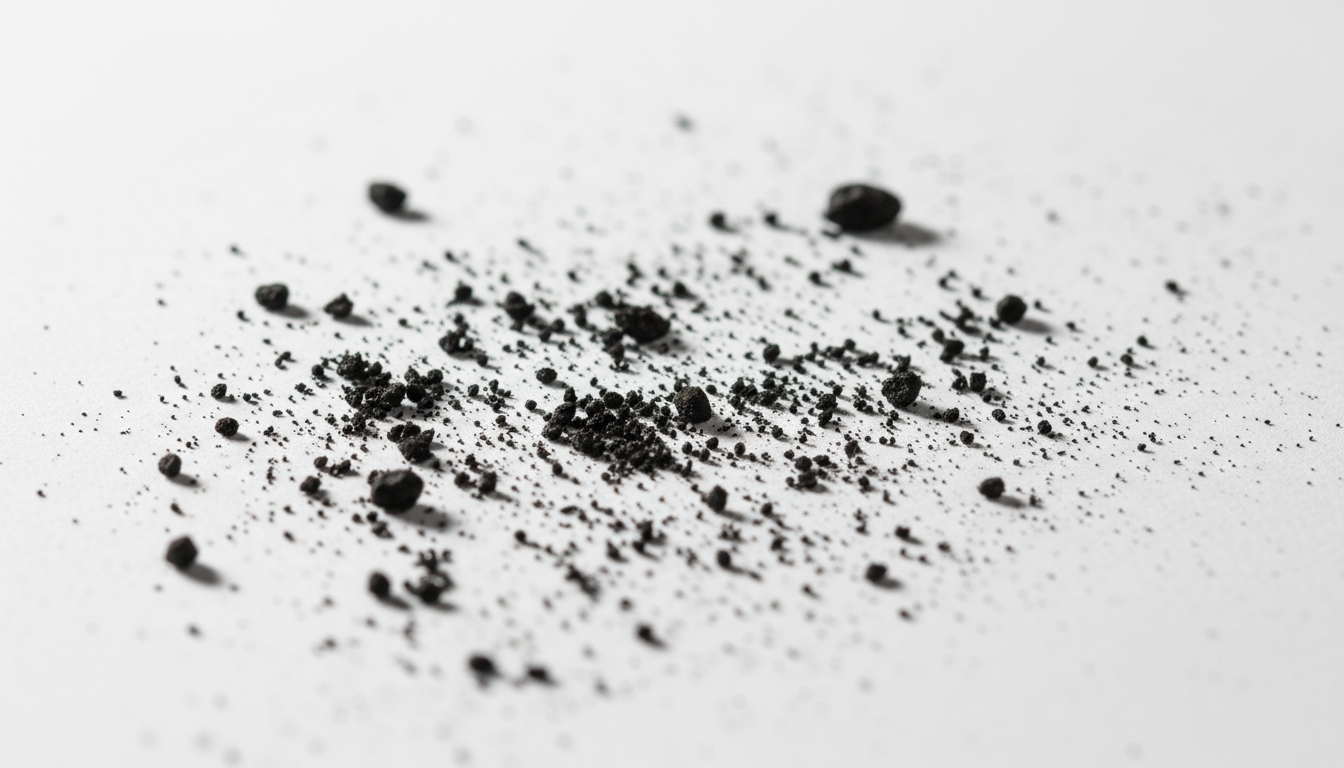
Powdered activated carbon is exactly what it sounds like – activated carbon ground down into a super fine powder. We’re talking about particles that are typically less than 100 micrometers in diameter, which is about the width of a human hair. This fine particle size gives PAC a massive surface area, and that’s where the magic happens.
The way it works is pretty straightforward. When PAC gets mixed into water or other liquids, those tiny particles create millions of adsorption sites. Contaminants, organic compounds, and unwanted chemicals get trapped in the pores of the carbon. Think of it like a microscopic sponge that grabs onto the bad stuff and holds it tight. The smaller the particles, the faster this process happens, which is why PAC works so quickly compared to granular forms.
What makes PAC different from other activated carbon forms is its application method. You don’t run water through it like you would with granular activated carbon. Instead, you dose it directly into the water stream, let it do its thing, then filter it out. This makes it perfect for handling sudden water quality issues or seasonal problems like algae blooms that cause taste and odor issues.
Common Applications for Powdered Activated Carbon
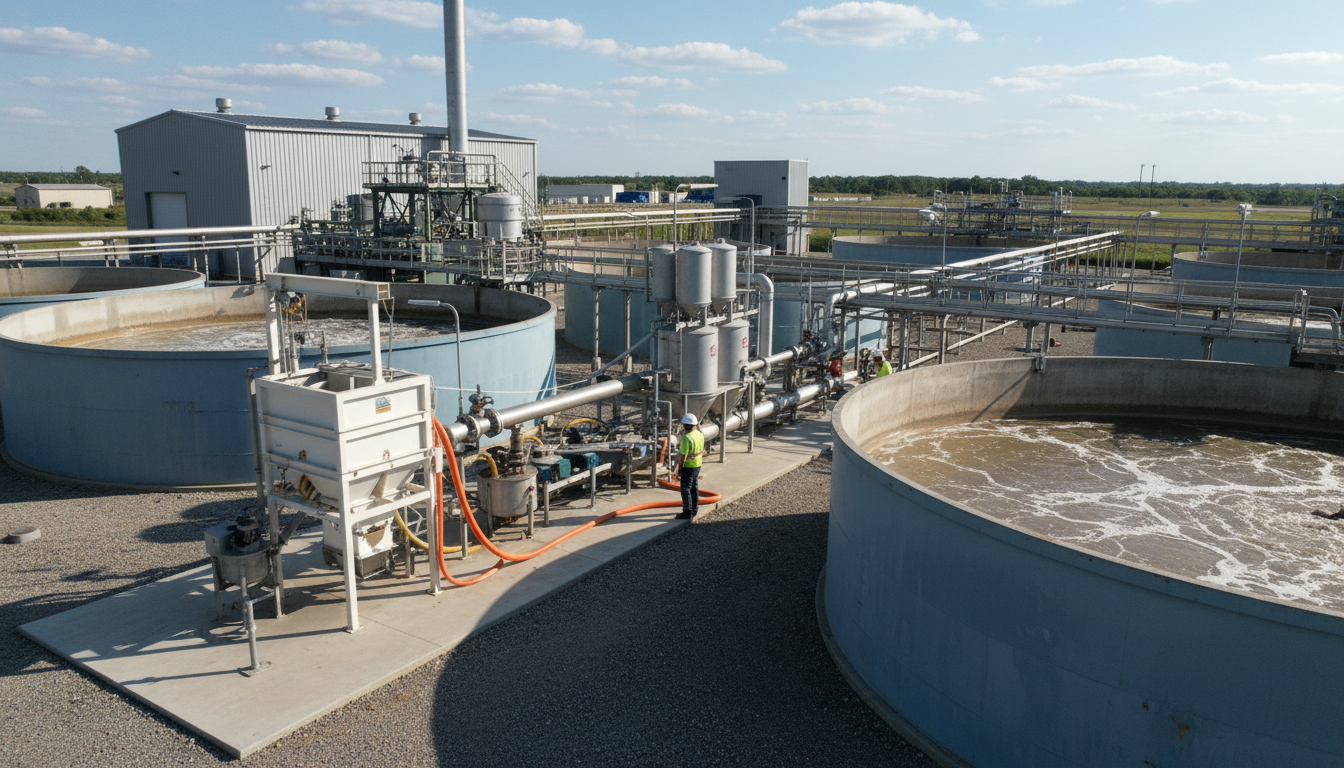
PAC shows up in more places than you might think. We see it used across tons of industries, and each one has its own specific requirements. Let’s break down where this stuff really shines.
Municipal Water Treatment is probably the biggest user of PAC. Water treatment plants rely on it to knock out taste and odor compounds, especially during summer months when algae can make drinking water smell like a swamp. PAC also removes organic contaminants, pesticides, and those pesky pharmaceutical compounds that slip through conventional treatment. The beauty of PAC for municipal use is that you can turn it on and off as needed – no permanent installation required.
Industrial Wastewater Treatment is another major application. Factories and processing plants use PAC to meet stringent discharge requirements. It’s particularly good at grabbing organic pollutants that would otherwise fail regulatory tests. Industries dealing with dyes, chemicals, and petroleum products find PAC especially useful because it can handle complex mixtures of contaminants.
Food and Beverage Processing uses PAC for decolorization and purification. Sugar refineries, juice manufacturers, and alcohol producers all use it to remove color, odor, and impurities from their products. The result is clearer, better-tasting products that consumers actually want to buy. Our coconut shell powdered activated carbon works particularly well for food-grade applications because of its high purity and effectiveness.
Pharmaceutical Manufacturing relies on PAC for purifying active ingredients and removing unwanted compounds. The pharmaceutical industry needs ultra-clean products, and PAC helps them get there. It’s used in everything from antibiotic production to vitamin purification.
How Powdered Activated Carbon Differs from Granular
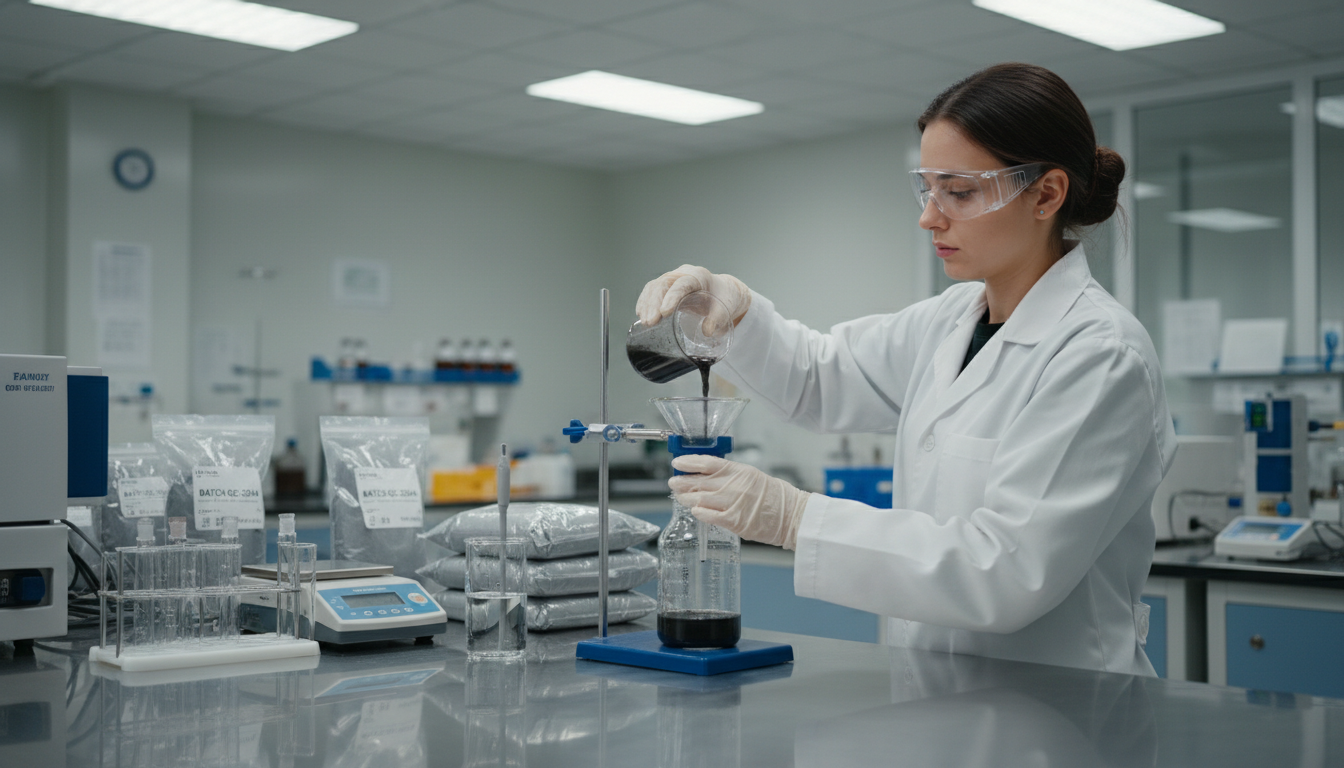
People always ask us about the difference between powdered and granular activated carbon. While they’re both activated carbon, they work in completely different ways and suit different needs.
The most obvious difference is particle size. PAC particles are tiny – usually less than 0.188 mm. Granular activated carbon (GAC), on the other hand, has particles ranging from 0.2 to 5 mm. That might not sound like a huge difference, but it completely changes how they’re used.
PAC offers rapid adsorption because those small particles provide more surface area contact with the water. When you dump PAC into a contaminated water stream, it gets to work immediately. GAC takes longer because water has to diffuse into the larger particles, but it makes up for this with its reusability. You can regenerate GAC and use it again, while PAC is typically a one-and-done deal.
Another key difference is application method. PAC gets dosed directly into water systems and then removed through filtration or settling. GAC sits in filter beds and water flows through it continuously. Think of PAC as your emergency response option – quick, effective, but not permanent. GAC is more like your long-term filtration solution that runs day in and day out.
Cost-wise, PAC is cheaper upfront but can cost more over time if you’re using it continuously. GAC costs more initially but pays off in the long run for constant filtration needs. We help customers choose between our coal-based powdered activated carbon and granular options based on their specific situation.
What to Look for in Quality Powdered Activated Carbon Suppliers
Not all PAC suppliers are created equal. We’ve seen plenty of operations get burned by cheap suppliers who promise the world and deliver garbage. Here’s what separates the good from the bad.
Product Specifications and Testing should be transparent and verifiable. Quality suppliers provide detailed spec sheets showing iodine number, methylene blue value, ash content, and particle size distribution. These aren’t just random numbers – they tell you exactly how well the carbon will perform. If a supplier can’t or won’t provide this data, walk away.
Source Material Quality matters more than most people realize. PAC can be made from coconut shells, wood, coal, or other carbon sources. Each source has different properties. Coconut shell-based PAC typically offers higher hardness and lower ash content. Coal-based versions often provide good all-around performance at a lower price point. Wood-based PAC excels in certain decolorization applications. A good supplier offers multiple source materials and can explain which works best for your needs.
Certifications and Compliance separate professional suppliers from fly-by-night operators. Look for suppliers who meet AWWA (American Water Works Association) standards for drinking water applications. NSF certification matters for food-grade uses. ISO certifications show a supplier has quality management systems in place. These aren’t just pieces of paper – they’re proof that someone’s checking to make sure the product consistently meets standards.
Technical Support and Expertise can make or break your results. The best suppliers don’t just ship you bags of black powder and wish you luck. They help you figure out dosing rates, application methods, and troubleshooting when things don’t go as planned. They’ve seen your problem before and know how to fix it. At Yanshan Carbon, we work with customers to dial in the right product and application approach for their specific situation.
Supply Chain Reliability keeps your operation running. You need suppliers who can deliver on time, every time. Ask about their production capacity, inventory levels, and backup plans for supply disruptions. The cheapest supplier in the world doesn’t help if they can’t get you product when you need it.
Types of Powdered Activated Carbon Available
PAC comes in several varieties, each engineered for specific applications. Understanding these differences helps you get the right product for your needs.
Coconut Shell PAC is the premium option for many applications. It offers high hardness, low ash content, and excellent adsorption capacity. The pore structure in coconut shell carbon tends toward micropores, which are perfect for grabbing small organic molecules. This makes it ideal for water treatment and food processing where you’re targeting specific contaminants. It costs more than other types, but the performance often justifies the price.
Coal-Based PAC provides solid all-around performance at a more accessible price point. It typically has a broader pore size distribution, making it versatile for different applications. Coal-based carbon works well for color removal, odor control, and general organic compound adsorption. Many industrial applications use coal-based PAC because it delivers good results without breaking the budget.
Wood-Based PAC excels in decolorization applications. The pore structure in wood-based carbon tends toward larger mesopores and macropores, which are great for grabbing bigger molecules like color compounds. Food and beverage processors often prefer wood-based PAC for this reason. Our wood powder activated carbon offers excellent decolorization performance.
Specialty Impregnated PAC contains added chemicals that enhance performance for specific contaminants. For example, silver-impregnated PAC offers antimicrobial properties. Chemically treated versions can better remove specific compounds like hydrogen sulfide or mercury. These specialty products cost more but solve problems that standard PAC can’t touch.
Pricing and Cost Factors for PAC
Let’s talk money. PAC pricing varies widely based on several factors, and understanding these helps you budget appropriately and spot when someone’s trying to rip you off.
Raw Material Source significantly impacts price. Coconut shell PAC typically costs more than coal-based options because coconut shells are more expensive and produce less carbon per ton of raw material. Wood-based falls somewhere in the middle. Don’t automatically assume higher price means better performance for your application – sometimes coal-based PAC works just as well and saves you money.
Iodine Number and Activity Level affect pricing. Higher iodine numbers indicate more adsorption capacity, which means you can use less product to get the same results. A PAC with an iodine number of 1000 mg/g costs more per pound than one rated at 600 mg/g, but you might need half as much. Run the math on actual usage, not just unit price.
Particle Size Distribution matters for some applications. Ultra-fine PAC with very tight size specifications costs more to produce and commands higher prices. Standard mesh sizes are cheaper. Figure out if you really need that precise size distribution or if standard sizing works fine.
Order Volume gives you leverage. Buying in bulk usually drops the per-unit cost significantly. Suppliers offer better pricing on truckload quantities versus bag orders. However, make sure you have proper storage and can use the material before it degrades. PAC doesn’t go bad quickly, but it’s not immortal either.
Packaging Options add to the total cost. Bulk bags (super sacks) cost less per pound than small bags but require material handling equipment. Determine what works for your facility and factor in those handling costs.
Quality Control and Testing Standards
You can’t manage what you don’t measure. Quality control separates professional operations from amateurs, and knowing what tests matter helps you verify you’re getting what you paid for.
Iodine Number measures the overall adsorption capacity. It tells you how many milligrams of iodine can be adsorbed per gram of carbon. Higher numbers mean more capacity. For water treatment, you generally want iodine numbers above 900 mg/g. Food-grade applications often require even higher numbers.
Methylene Blue Value indicates the carbon’s ability to adsorb larger molecules. This test matters for applications involving color removal or larger organic compounds. It complements the iodine number by showing performance on differently-sized molecules.
Ash Content shows how much non-carbon material is in the product. Lower ash content means higher purity and better performance. It also matters for applications where you’re trying to avoid adding minerals or metals to your process. Food-grade and pharmaceutical applications require very low ash content.
Particle Size Distribution ensures consistency. PAC should meet ASTM standards, typically with 90% or more passing through a 200-mesh sieve. Consistent sizing means consistent performance and predictable results.
Moisture Content affects storage, handling, and performance. PAC naturally absorbs some moisture from the air, but excessive moisture adds dead weight you’re paying for. It can also cause handling problems and clumping. Good suppliers keep moisture content below 5%.
pH Level matters for certain applications. Most PAC has a neutral to slightly alkaline pH, but some applications require specific pH ranges. Verify that the product pH works with your process.
Storage and Handling Best Practices
Getting quality PAC from your supplier is only half the battle. You need to store and handle it properly or you’ll waste money and potentially create safety issues.
Dry Storage is Critical. PAC absorbs moisture from the air, which adds weight, reduces effectiveness, and can cause material handling problems. Store PAC in a dry, covered area with good ventilation. Keep it in sealed bags or containers until you’re ready to use it. If you’re storing bulk quantities, use moisture barriers and consider dehumidification in humid climates.
Dust Control Matters for Safety. PAC creates dust, and that dust can be a respiratory irritant. It’s also potentially combustible in high concentrations. Use proper ventilation, wear dust masks when handling the material, and follow good housekeeping practices. Don’t let PAC dust accumulate on surfaces where it could become an ignition source.
Material Handling Equipment needs to match your PAC form factor. Bulk bags require forklift or hoist systems. Smaller bags can be manually handled but consider ergonomics – PAC bags are heavy and awkward. If you’re feeding PAC into a process, consider using slurry systems that mix the powder with water before injection. This eliminates dust issues and provides better control.
First-In-First-Out Inventory Management prevents waste. While PAC has a long shelf life, it doesn’t last forever. Use older stock first to avoid degradation. Mark bags with receipt dates and rotate inventory accordingly.
FAQs
What’s the typical shelf life of powdered activated carbon? PAC can last for years when stored properly in dry conditions in sealed containers. The adsorption capacity doesn’t significantly degrade over time if you keep moisture and contaminants out. However, once exposed to air and humidity, it starts adsorbing whatever’s around, so use opened bags within a few months for best results.
Can powdered activated carbon be reactivated and reused? Technically yes, but practically no. While granular activated carbon is routinely reactivated through thermal processes, PAC is almost always disposed of after use. The small particle size makes collection and reactivation economically unfeasible. The cost and complexity of separating, collecting, and reactivating PAC typically exceeds the cost of fresh material.
How do I determine the right dosage of PAC for my application? Start with jar tests. Mix different PAC doses with your water or process stream, let them contact for the appropriate time, filter, and test the results. Plot dose versus contaminant removal to find the sweet spot. Also contact your supplier – they’ve likely seen similar applications and can provide starting point recommendations. Don’t skip the testing phase – every water source and application is different.
What’s the difference between food-grade and industrial-grade PAC? Food-grade PAC meets stricter purity requirements, particularly for heavy metals, ash content, and potential contaminants. It’s produced and handled under more controlled conditions and carries certifications like NSF approval. Industrial-grade PAC has looser specifications and costs less. Never use industrial-grade PAC in food, beverage, or pharmaceutical applications – the safety certifications and purity levels aren’t there.
Why does PAC from different suppliers perform differently even with similar specs? Spec sheets only tell part of the story. The pore size distribution, surface chemistry, and manufacturing process all affect performance in ways that basic specs don’t capture. Two PACs with identical iodine numbers might have completely different pore structures, making one better for small molecules and the other better for large ones. This is why working with experienced suppliers who understand applications matters – they can match the right product characteristics to your specific needs.